



🌿 New customers: get 10% off plants 🌿

Pioneer since 2012
Safe shipping to Switzerland & Liechtenstein
Largest selection & variety in Switzerland
Hand-picked quality from the grower

Herb plants

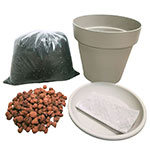
We plant fresh in organic soil with drainage at the start of each season. Herbs are versatile, aromatic plants for cooking and medicinal purposes. They prefer regular, moderate watering, well-draining soil and a bright outdoor location. Suitable orientations: south, east or west.

Filter

11 Artikel

Sold out
Item no. F4201
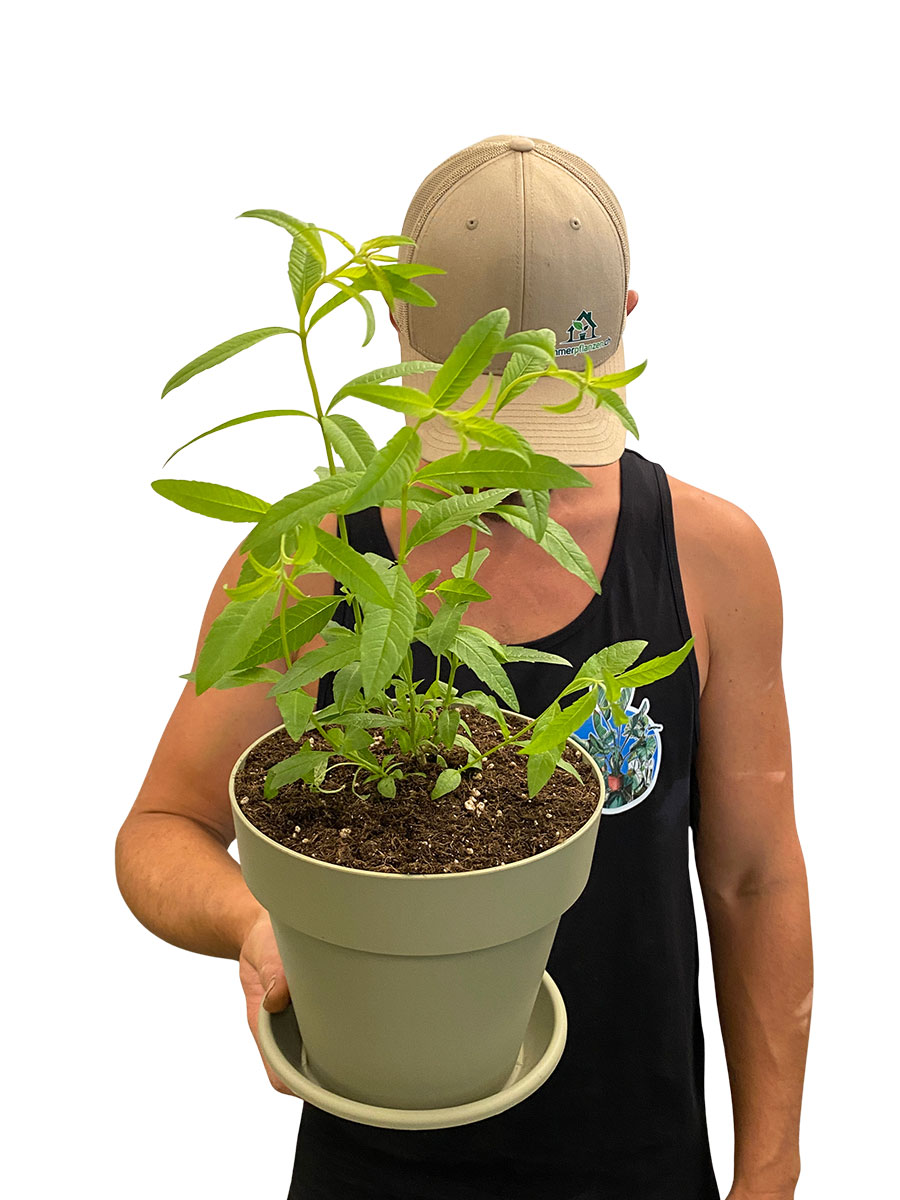
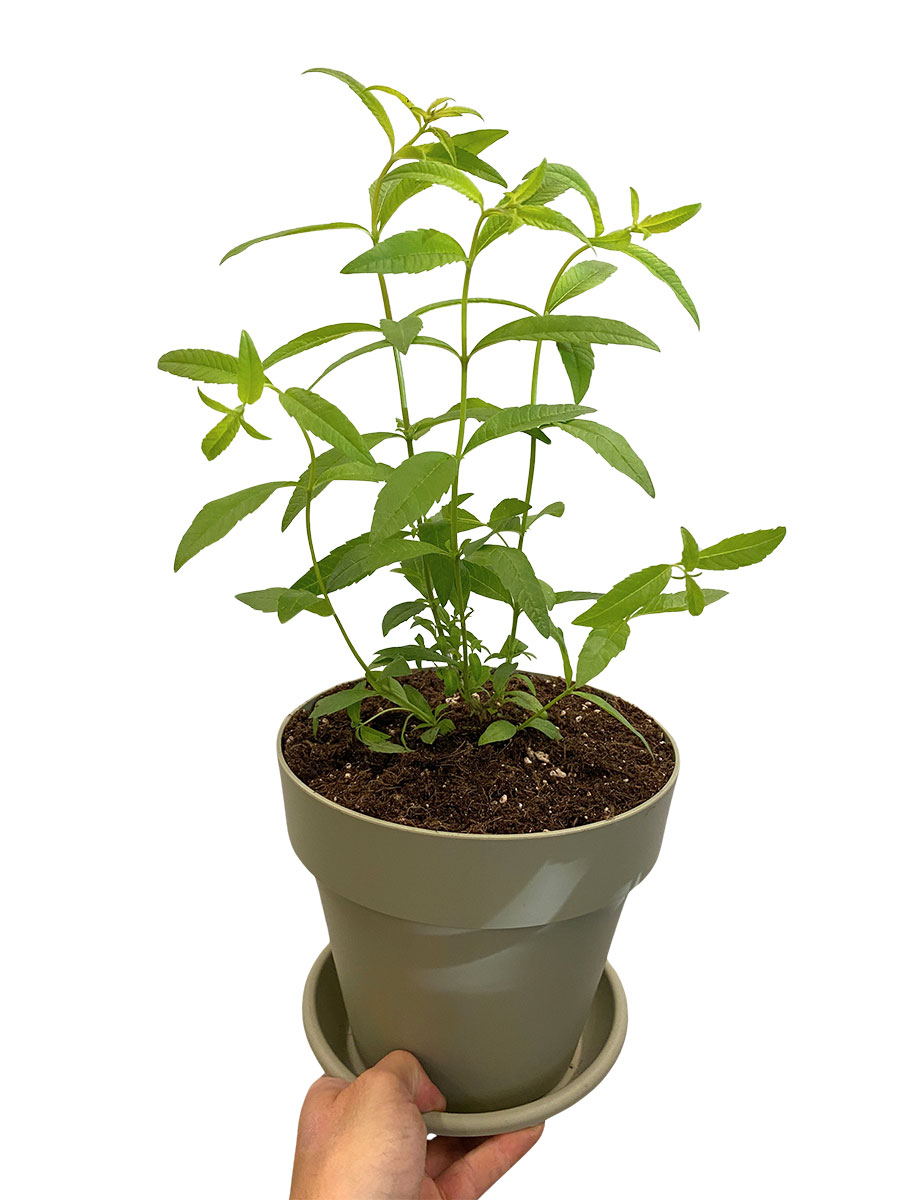
Organic Lemon Verbena Aloysia Citrodora

Topfdurchmesser 20cm

Topfhöhe ab Boden 30cm ±

Ready-made planting

History of the lemon verbena Lemon verbena (Aloysia citrodora) is an aromatic herb prized for its intense lemon scent and fresh aroma. It originally comes from South America, especially Argentina, Chile and Peru. It reached Europe as early as the 18th century and quickly became popular as a fragrant, tea and culinary plant. The elongated, light green leaves release a refreshing lemon scent when touched and are ideal for teas, desserts, drinks and various dishes. Care as a houseplant: • Light: Very bright to sunny spot; several hours of direct sun promote aroma and growth. • Temperature: 18–28 °C is optimal; higher temperatures are also well tolerated in summer. • Humidity: Medium; normal indoor air is well tolerated. • Substrate: Loose, nutrient-rich and free-draining herb or container plant substrate. • Watering: Water regularly; keep the substrate slightly moist, but avoid waterlogging. • Feeding: During the growing season, feed every 2–4 weeks with a herb or liquid fertiliser. • Special features: The leaves can be used fresh or dried for tea, desserts, syrup, cocktails and many other uses. Overwintering tips: Lemon verbena is only partially hardy and should be protected from frost. Overwinter it in a cool, bright place at around 5–10 °C and water much less. Some leaf loss during the dormant period is normal. Lemon verbena Aloysia citrodora is a fragrant and versatile herb that brings Mediterranean flair and fresh moments of enjoyment to your home and garden with its intense lemon aroma.

CHF 29.90*

Sold out – we will notify you

Sold out
Item no. F4104
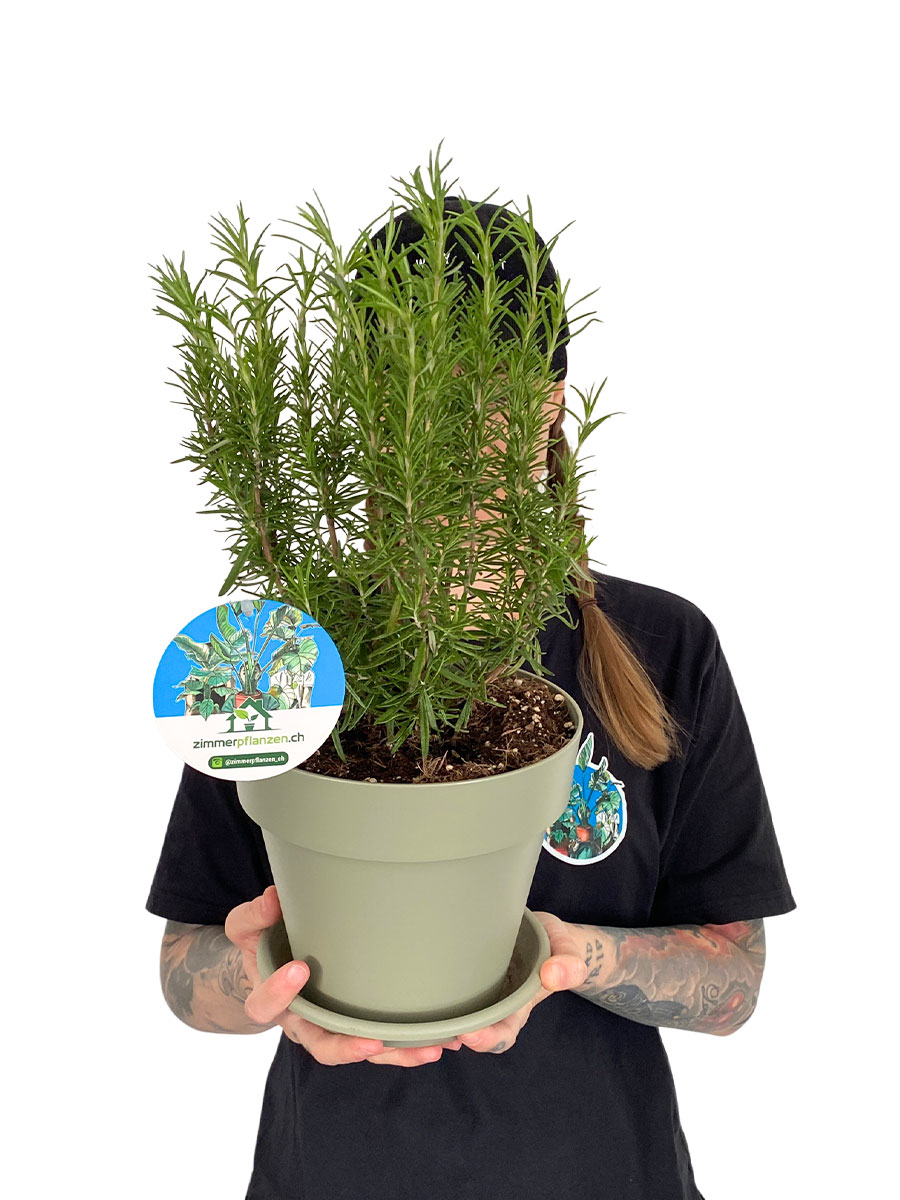
Organic Rosemary

Topfdurchmesser 20cm

Topfhöhe ab Boden 40cm ±

Ready-made planting

History of rosemary Rosemary (Salvia rosmarinus, formerly Rosmarinus officinalis) is an aromatic, evergreen culinary herb from the Mediterranean region and has been valued as a spice and medicinal plant for centuries. With its intense, slightly resinous scent, it enhances numerous dishes such as potatoes, meat, vegetables and Mediterranean cuisine. In its natural habitat, rosemary grows in sunny, dry coastal regions and is ideally adapted to warm, poor locations. Care as a houseplant: • Light: Very bright, sunny spot; a place by a south- or west-facing window is ideal. • Temperature: Ideally 18–25 °C; higher temperatures in summer are also well tolerated. • Humidity: Low to normal; dry air is well tolerated. • Substrate: Free-draining, rather sandy herb or Mediterranean soil. • Watering: Water sparingly; let the substrate dry out well between waterings. Avoid waterlogging. • Feeding: Feed moderately; occasionally with herb fertiliser during the growing season. • Special features: Rosemary is evergreen and can be kept bushy with regular pruning. Fresh shoots are ideal for seasoning dishes. Overwintering tips: In winter, keep in a bright and preferably cool place (ideally 5–10 °C) and water only a little. Be sure to avoid waterlogging. The rosemary herb plant is easy to care for, versatile and brings a Mediterranean flair to your kitchen and living space.

CHF 29.90*

Sold out – we will notify you

Sold out
Item no. F4111
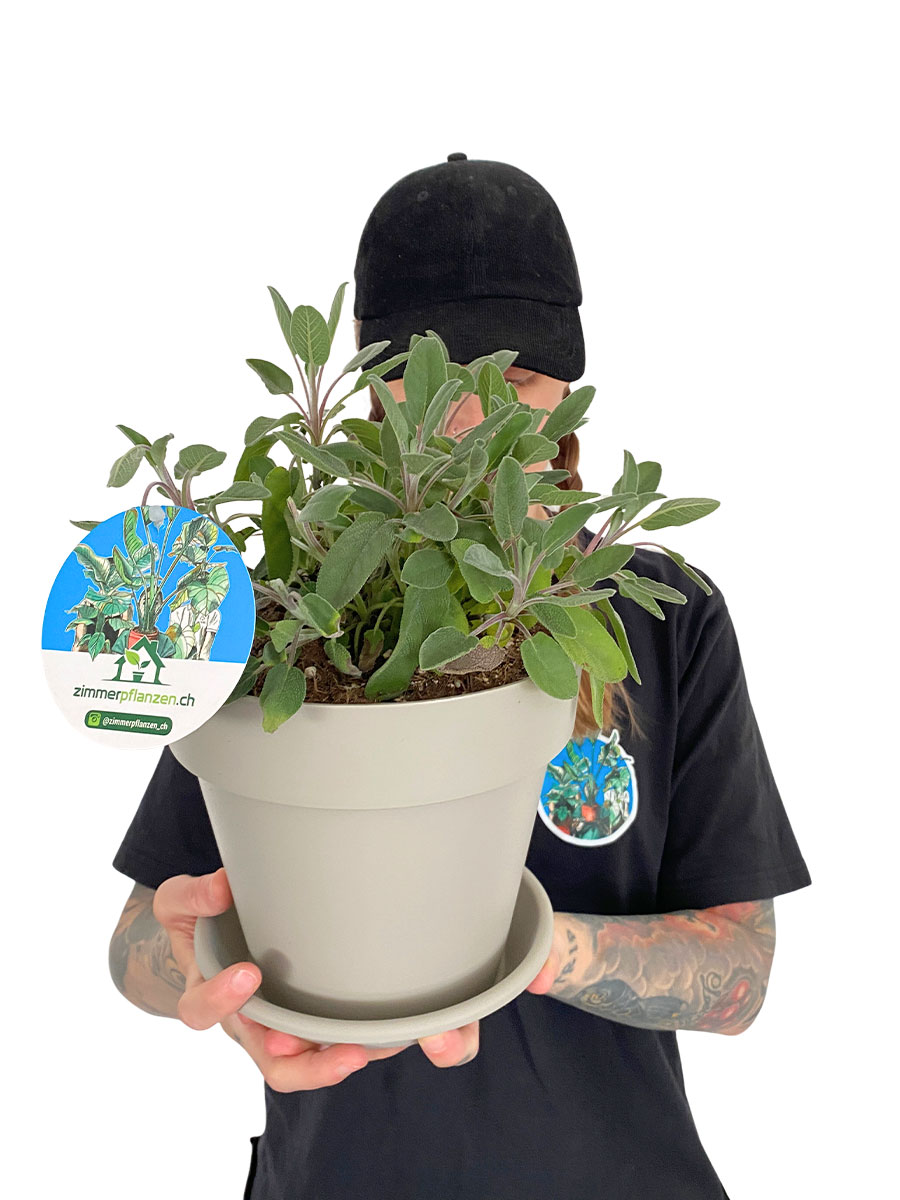
Organic Sage

Topfdurchmesser 20cm

Topfhöhe ab Boden 35cm ±

Ready-made planting

History of sage Sage (Salvia officinalis) is a herb with a long tradition from the Mediterranean region and has been valued as a culinary and medicinal plant for centuries. Sage was already used in ancient times for its intense aroma and versatility. With its silvery-green, slightly velvety leaves and its spicy scent, it is very popular both in the kitchen and as a decorative herb plant. Sage goes particularly well with pasta, meat dishes, potatoes and Mediterranean food. Care as a houseplant: • Light: Very bright, sunny spot; a place by a south- or west-facing window is ideal. • Temperature: 18–25 °C is optimal; higher temperatures in summer are well tolerated. • Humidity: Low to normal; dry indoor air is ideal. • Substrate: Free-draining, rather sandy herb or Mediterranean soil. • Watering: Water sparingly; let the substrate dry out well between waterings. Avoid waterlogging. • Feeding: Feed sparingly; occasionally with herb fertiliser during the growing season. • Special features: Regular harvesting and light pruning encourage compact, bushy growth. Overwintering tips: In winter, keep in a brighter and slightly cooler spot and water only a little. Sage is perennial and, with good care, produces new growth every year. The herb plant sage is easy to care for, aromatic and brings a Mediterranean flair to your kitchen and living space.

CHF 29.90*

Sold out – we will notify you

Sold out
Item no. F4103
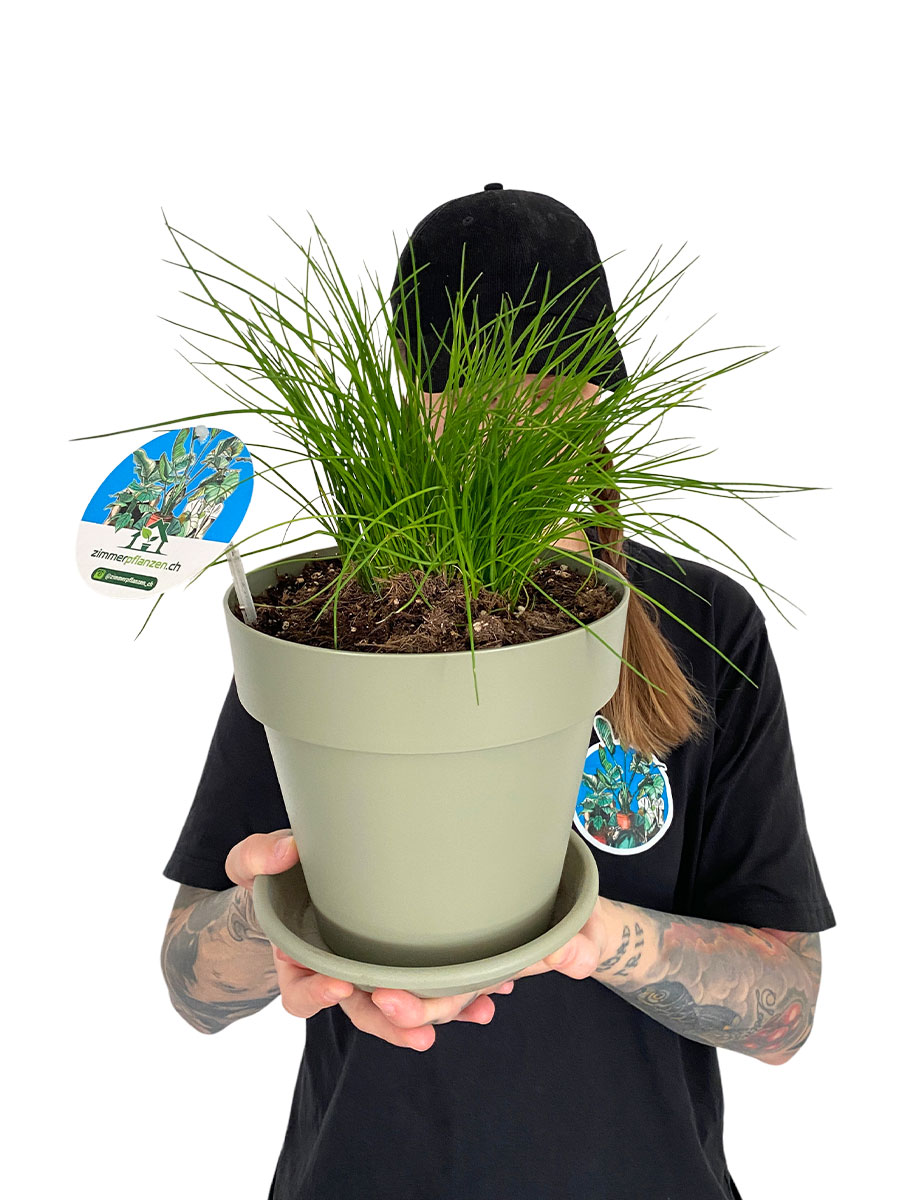
Organic Chives

Topfdurchmesser 20cm

Topfhöhe ab Boden 30cm ±

Ready-made planting

History of chives Chives (Allium schoenoprasum) are a popular culinary herb and belong to the allium family. They are native to Europe, Asia and North America and have been used as a seasoning and medicinal plant for centuries. With their mild, slightly oniony flavour, they enhance numerous dishes such as salads, soups, egg dishes or herb quark. Their fine, tubular stems and decorative purple flowers also make them an attractive plant for the kitchen and balcony. Care as a houseplant: • Light: Bright spot with plenty of light; some sun is also well tolerated. • Temperature: 15–22 °C is optimal; also tolerates cooler conditions. • Humidity: Medium; normal indoor air is sufficient. • Substrate: Nutrient-rich, loose herb or potting soil. • Watering: Water regularly; keep the substrate evenly moist, but avoid waterlogging. • Feeding: Feed moderately; every 2–3 weeks with a mild herb fertiliser. • Special features: Regular cutting encourages dense, vigorous growth. Overwintering tips: In winter, keep in a brighter and slightly cooler spot and continue to keep slightly moist. Chives are perennial and keep sprouting again with good care. The chive herb plant is easy to care for, versatile and brings fresh flavour straight to your kitchen.

CHF 29.90*

Sold out – we will notify you

Rarity
Sold out
Item no. F4108
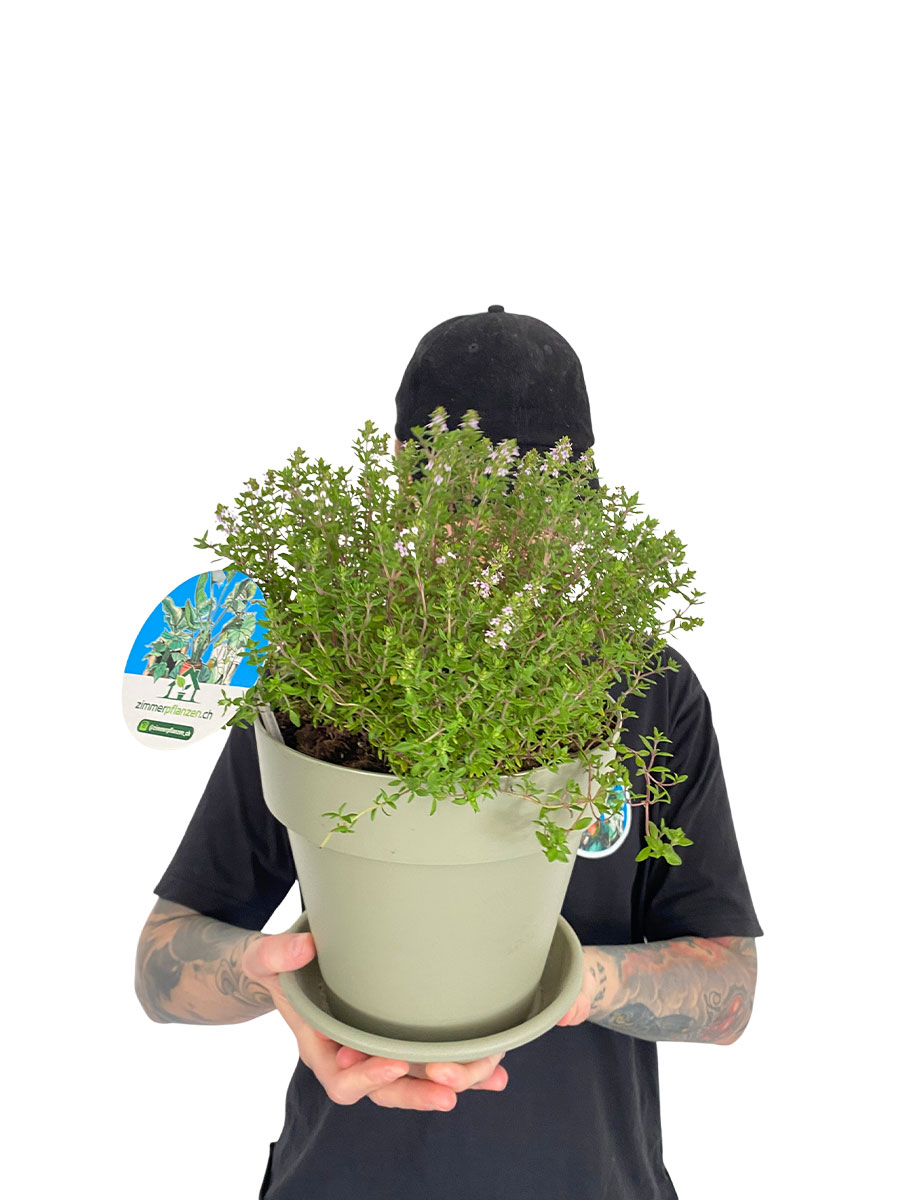
Organic Thyme

Topfdurchmesser 20cm

Topfhöhe ab Boden 30cm ±

History of thyme Thyme (Thymus vulgaris) is an aromatic Mediterranean culinary herb and has been valued as a culinary and medicinal plant for centuries. It originally comes from the sunny, dry regions of the Mediterranean, where it grows on poor soils. Its intense, spicy aroma makes it a popular ingredient for meat dishes, potatoes, vegetables, sauces and Mediterranean food. Thyme is also known for its pleasant scent and its versatility. Care as a houseplant: • Light: Very bright, sunny spot; a place by a south- or west-facing window is ideal. • Temperature: Ideally 18–25 °C; higher temperatures in summer are also well tolerated. • Humidity: Low to normal; dry indoor air is tolerated very well. • Substrate: Free-draining, rather sandy herb or Mediterranean soil. • Watering: Water sparingly; let the substrate dry out well between waterings. Avoid waterlogging. • Feeding: Feed sparingly; occasionally with herb fertiliser during the growing season. • Special features: Regular harvesting encourages compact, bushy growth and an intense aroma. Overwintering tips: In winter, keep in a brighter and slightly cooler spot and water only a little. Thyme is perennial and, with good care, can produce new growth every year. The herb plant thyme is easy to care for, aromatic and an ideal addition to the kitchen, windowsill or balcony.

CHF 29.90*

Sold out – we will notify you

Sold out
Item no. F4112
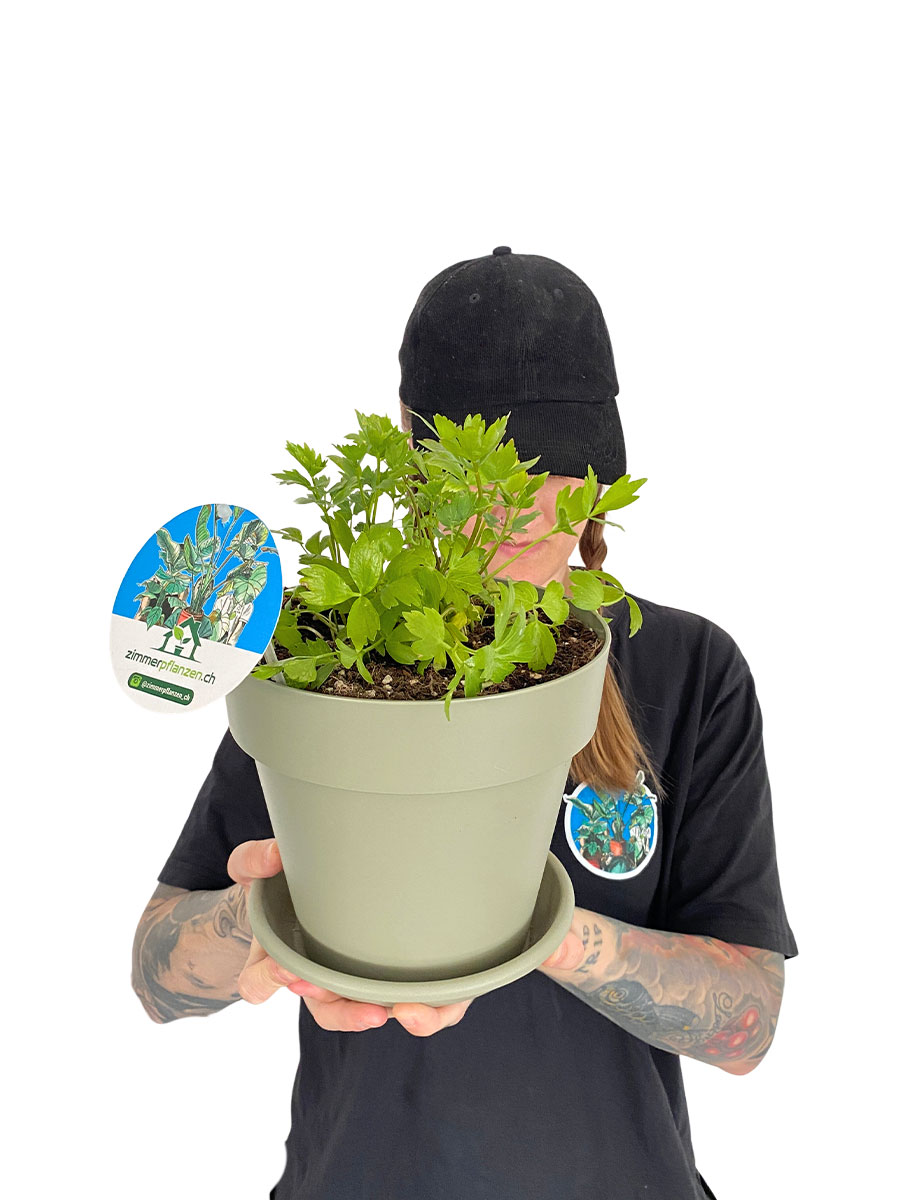
Organic Lovage

Topfdurchmesser 20cm

Topfhöhe ab Boden 30cm ±

Ready-made planting

History of lovage Lovage (Levisticum officinale), known in German as 'Maggikraut', is an aromatic herb with a long tradition that has been valued in European kitchens and monastery gardens for centuries. It originally comes from South-West Asia and the Mediterranean region. It owes this popular German name to its strong, spicy aroma, which is reminiscent of the well-known seasoning sauce. Lovage is particularly popular for refining soups, stews, sauces and potato dishes. Care as a houseplant: • Light: Bright to partially shaded position; avoid direct midday sun. • Temperature: 15–22 °C is optimal; also tolerates cooler temperatures well. • Humidity: Medium; normal indoor air is sufficient. • Substrate: Nutrient-rich, loose herb or potting soil with good drainage. • Watering: Water regularly; keep the substrate evenly slightly moist, but avoid waterlogging. • Feeding: Feed moderately; every 2–3 weeks with herb fertiliser during the growing season. • Special features: Regular harvesting encourages growth and produces strong new shoots. Overwintering tips: In winter, keep in a slightly cooler, bright spot and water less. Lovage is perennial and, with good care, produces new growth every year. The herb plant lovage is easy to care for, intensely aromatic and an ideal addition to the kitchen.

CHF 29.90*

Sold out – we will notify you

Sold out
Item no. F4107
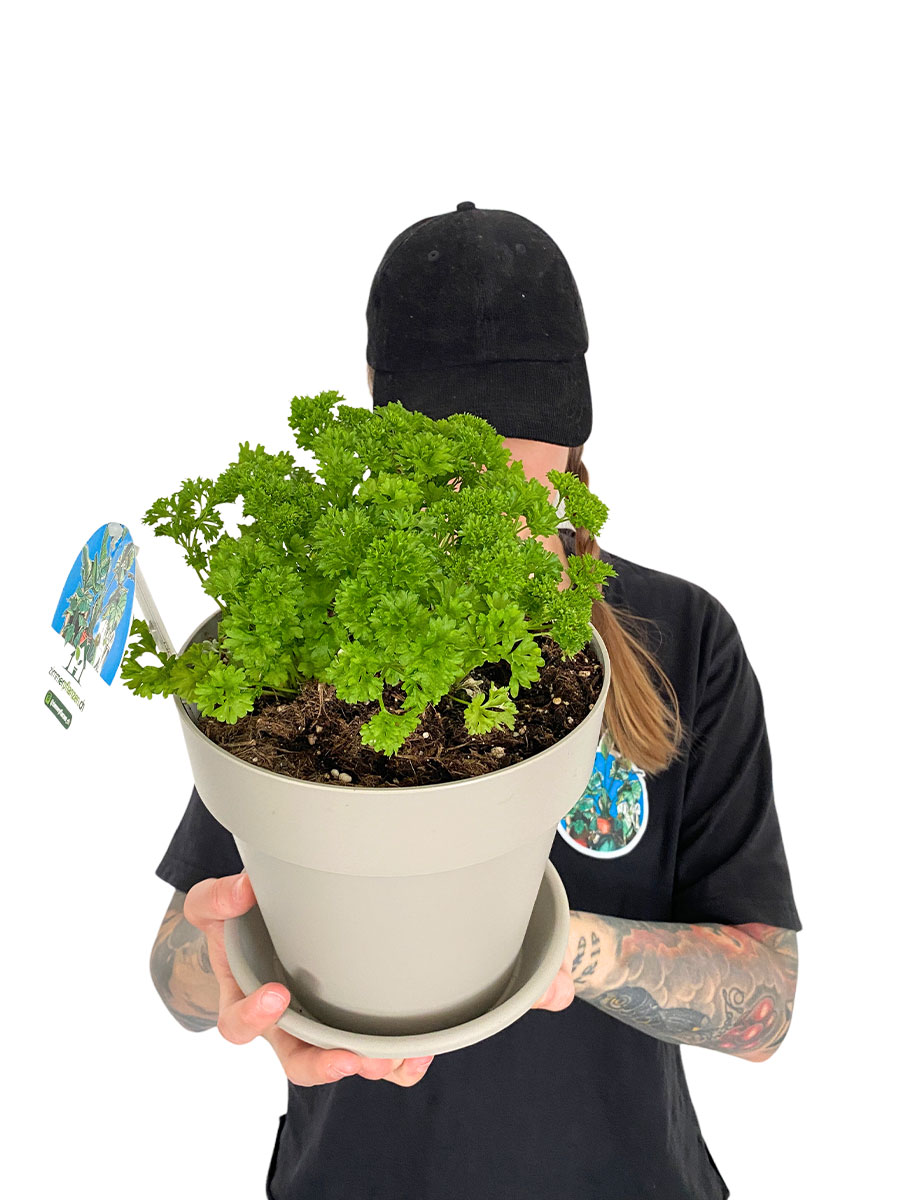
Organic Curly Parsley

Topfdurchmesser 20cm

Topfhöhe ab Boden 30cm ±

Ready-made planting

History of the parsley Crispum Parsley Crispum, also known as curly parsley, is one of the most popular culinary herbs and has been valued in Europe and the Mediterranean for centuries. Its densely curled, fresh green leaves make it a popular ingredient not only for its flavour but also for its looks. Compared with flat-leaf parsley, it has a slightly milder aroma and is ideal for seasoning and garnishing salads, soups, potato dishes and cold dishes. Care as a houseplant: • Light: Bright to partially shaded position; avoid direct midday sun. • Temperature: 15–22 °C is optimal; also tolerates cooler temperatures well. • Humidity: Medium; normal indoor air is sufficient. • Substrate: Nutrient-rich, loose herb or potting soil with good drainage. • Watering: Water regularly; keep the substrate evenly moist, but avoid waterlogging. • Feeding: Feed moderately; every 2–3 weeks with a mild herb fertiliser. • Special features: Regular harvesting encourages compact, bushy growth and fresh new shoots. Overwintering tips: In winter, keep in a brighter and slightly cooler spot and continue to keep slightly moist. Parsley is usually biennial and may flower in its second year. The herb plant parsley Crispum is easy to care for, decorative and brings fresh flavour straight into the kitchen.

CHF 29.90*

Sold out – we will notify you

Sold out
Item no. F4109
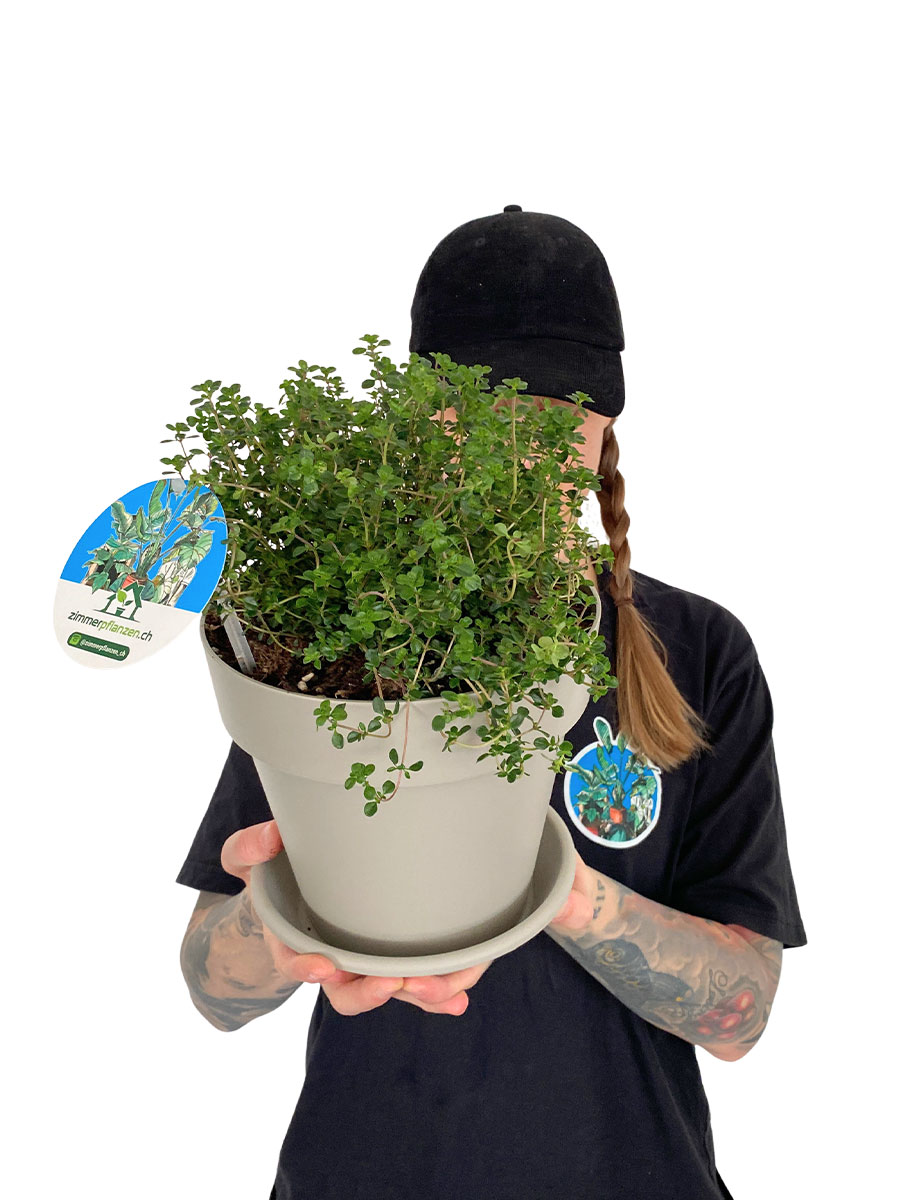
Organic Lemon Thyme

Topfdurchmesser 20cm

Topfhöhe ab Boden 30cm ±

Ready-made planting

History of lemon thyme Lemon thyme (Thymus × citriodorus) is an aromatic herb that is particularly popular for its fresh, lemony scent. This special type of thyme comes from the Mediterranean region and is a cross between different thyme varieties. Thanks to its delicate aroma, it is ideal for seasoning fish, poultry, vegetables and salads, as well as teas and summer drinks. Its small, often slightly variegated leaves and pleasant scent also make it very popular as a decorative kitchen plant. Care as a houseplant: • Light: Very bright, sunny spot; a place by a south- or west-facing window is ideal. • Temperature: 18–25 °C is optimal; higher temperatures in summer are well tolerated. • Humidity: Low to normal; dry indoor air is ideal. • Substrate: Free-draining, sandy herb or Mediterranean soil. • Watering: Water sparingly; let the substrate dry out well between waterings. Avoid waterlogging. • Feeding: Feed sparingly; occasionally with herb fertiliser during the growing season. • Special features: Regular harvesting encourages compact, bushy growth and intensifies the fresh aroma. Overwintering tips: In winter, keep in a brighter and slightly cooler spot and water only a little. Lemon thyme is perennial and, with good care, produces new growth every year. The herb plant lemon thyme is easy to care for, aromatic and its fresh scent brings a Mediterranean flair to your kitchen and living space.

CHF 29.90*

Sold out – we will notify you

Sold out
Item no. F4203
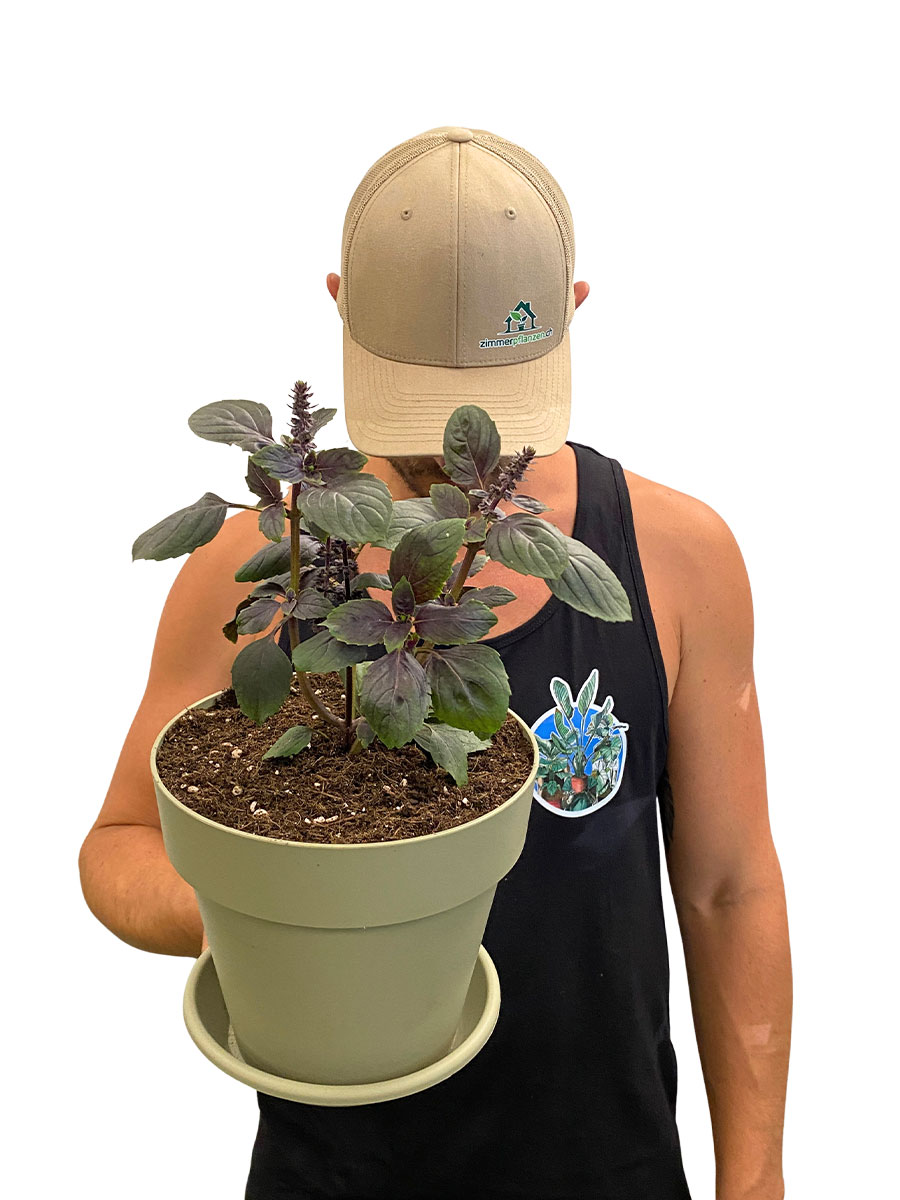
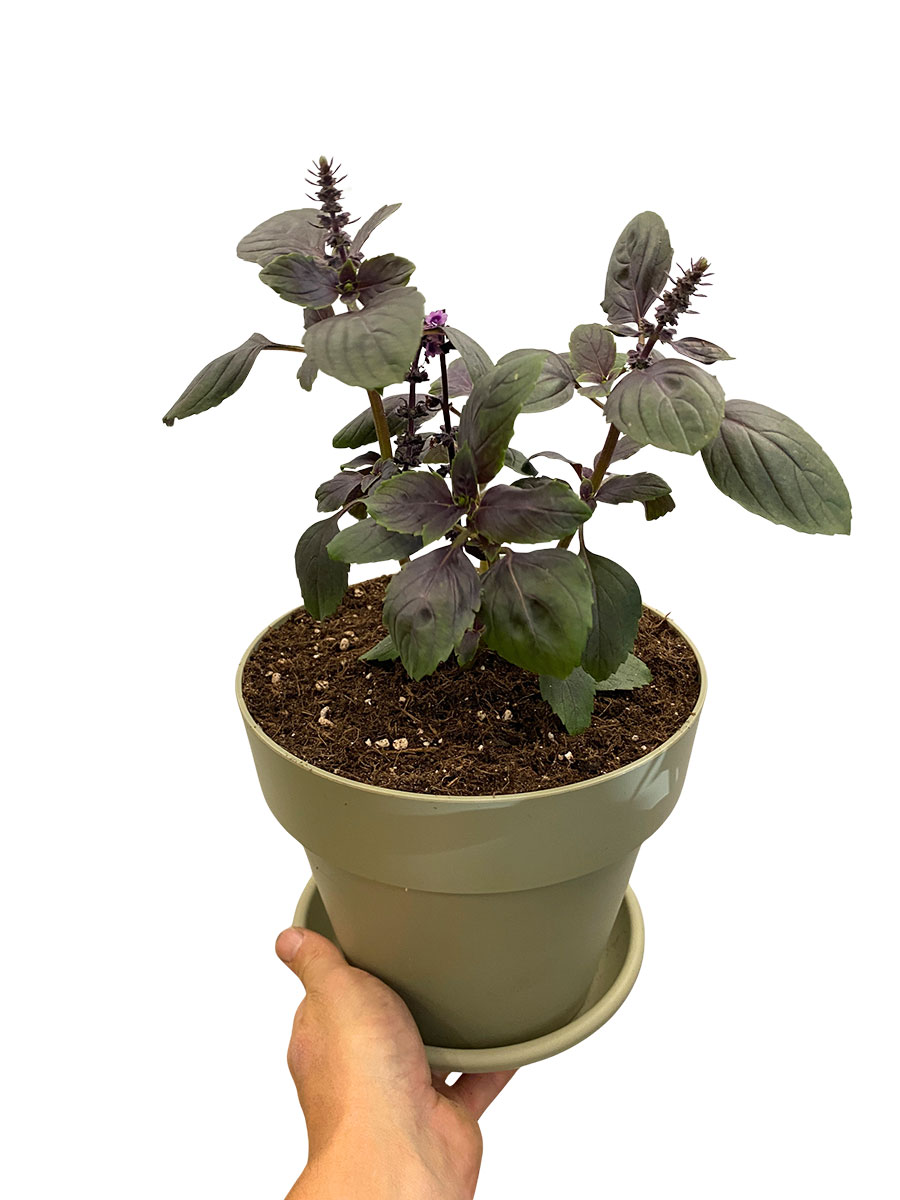
Organic African Blue Basil

Topfdurchmesser 20cm

Topfhöhe ab Boden 30cm ±

Ready-made planting

History of African blue basil African blue basil (Ocimum kilimandscharicum × basilicum) is an exceptional basil variety, valued for its vigorous growth, its decorative purple flowers and its intense aroma. This hybrid was created from African and Mediterranean basil species and is characterised by its dark green leaves with purple stems. During its long flowering period, the plant attracts numerous bees, bumblebees and butterflies. The spicy aroma, with slightly camphor-like and clove-like notes, is excellent for teas, herb dishes and Mediterranean food. Care as a houseplant: • Light: Very bright to sunny spot; several hours of direct sun encourage growth and aroma. • Temperature: 20–30 °C is optimal; temperatures below 10–12 °C should be avoided. • Humidity: Medium; normal indoor air is well tolerated. • Substrate: Nutrient-rich, loose herb or container plant soil with good drainage. • Watering: Water regularly; keep the substrate evenly slightly moist, but avoid waterlogging. • Feeding: Feed every 2–3 weeks during the growing season with a herb fertiliser or liquid fertiliser. • Special features: The purple flowers are a valuable source of food for pollinators. Regular pruning encourages compact and bushy growth. Overwintering tips: African blue basil is not frost-hardy and should be brought indoors before the first frosts. In winter, keep it bright, ideally at temperatures above 12 °C, and water a little less. African blue basil is a decorative and aromatic herb plant that combines Mediterranean and tropical flair with its intense scent, purple flowers and vigorous growth.

CHF 29.90*

Sold out – we will notify you

Sold out
Item no. F4207
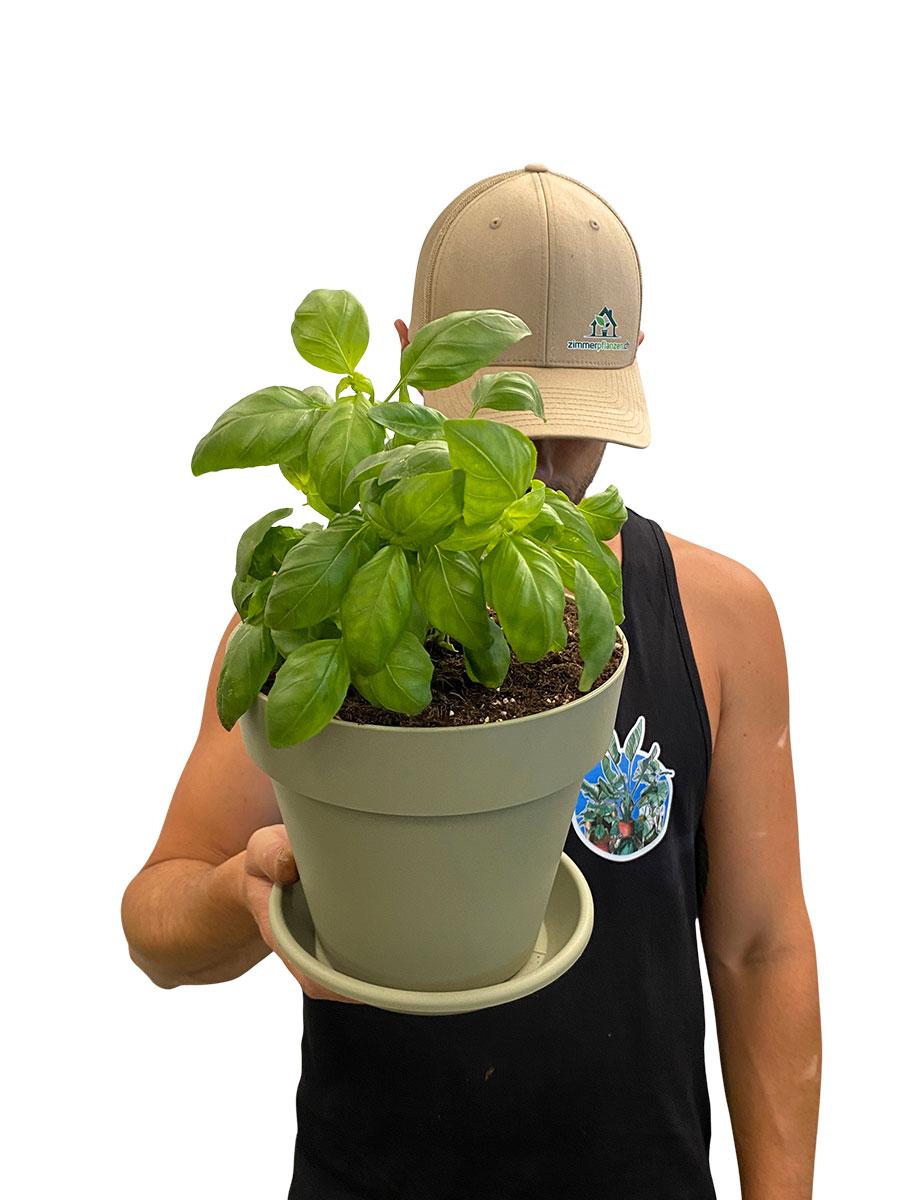
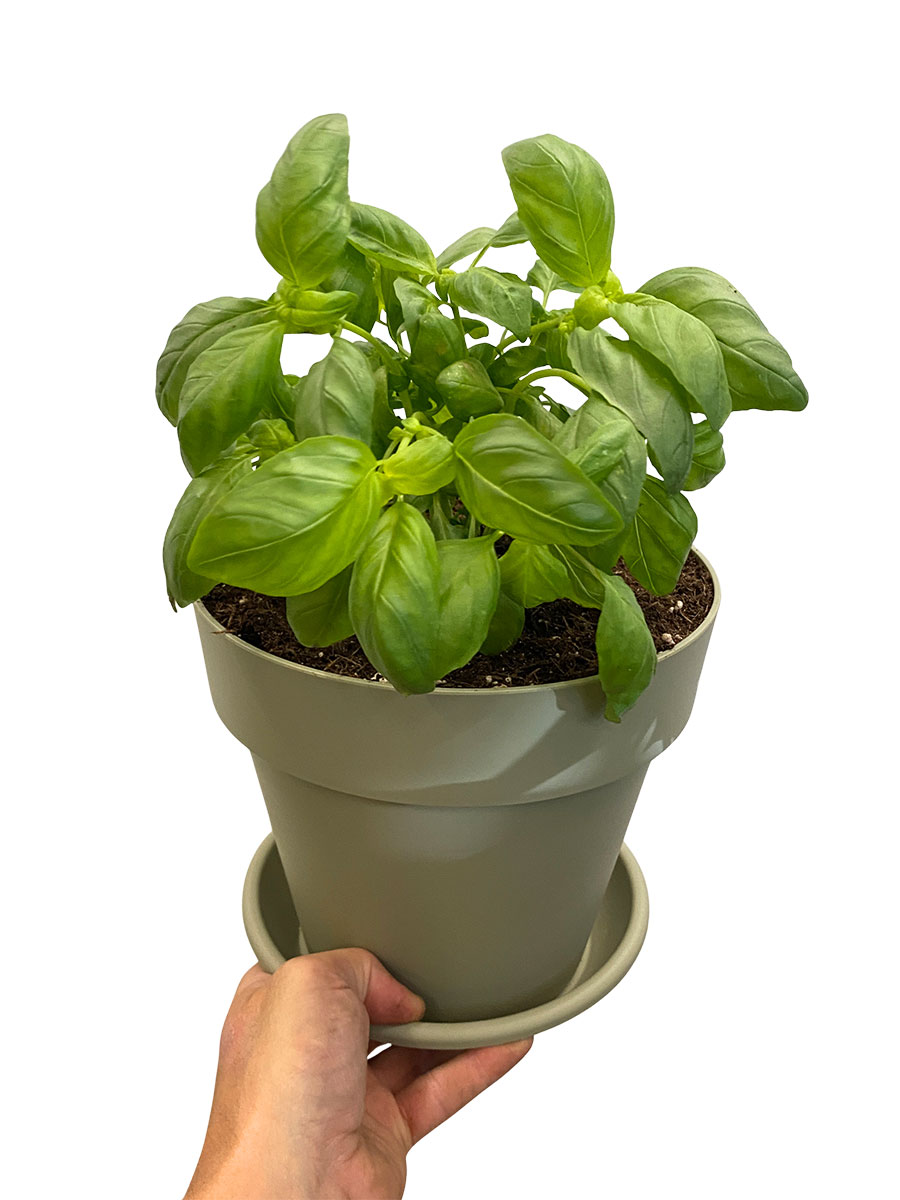
Organic Green Basil

Topfdurchmesser 20cm

Topfhöhe ab Boden 30cm ±

Ready-made planting

History of basil Basil (Ocimum basilicum) is one of the most popular culinary herbs in the world and an integral part of Mediterranean cuisine. The aromatic plant originally comes from the tropical regions of Asia and Africa and has been cultivated as a seasoning and medicinal plant for over 5,000 years. Basil is particularly well known for its fresh, spicy aroma, which goes perfectly with tomatoes, pasta, pizza, salads and pesto. With its bright green leaves and pleasant scent, basil is also a decorative addition to the kitchen, balcony or windowsill. Care as a houseplant: • Light: Very bright to sunny spot; several hours of sunlight a day is ideal. • Temperature: 20–30 °C is optimal; temperatures below 12–15 °C should be avoided. • Humidity: Medium; normal indoor air is well tolerated. • Substrate: Nutrient-rich, loose herb or potting soil with good drainage. • Watering: Water regularly; keep the substrate evenly slightly moist, but avoid waterlogging. • Feeding: Feed with a herb fertiliser every 2–3 weeks during the growing season. • Special features: Regular harvesting encourages bushy growth and the formation of new aromatic leaves. Flower heads should be removed to encourage leaf production. Overwintering tips: Basil is not hardy and should be kept warm all year round. In winter, place it in the brightest possible spot and water a little less. Basil is an aromatic and versatile herb that enriches any kitchen with its fresh scent and unmistakable flavour.

CHF 29.90*

Sold out – we will notify you

Sold out
Item no. F4205
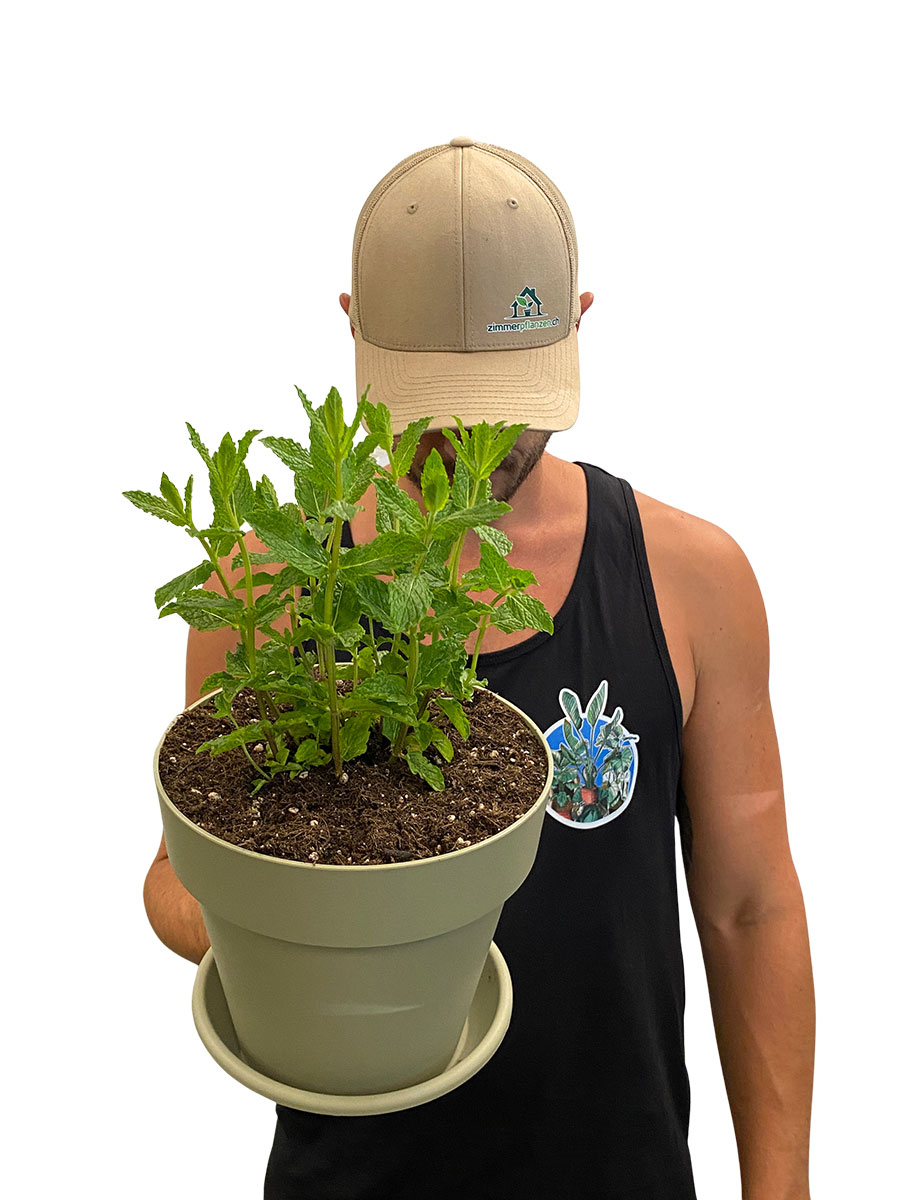
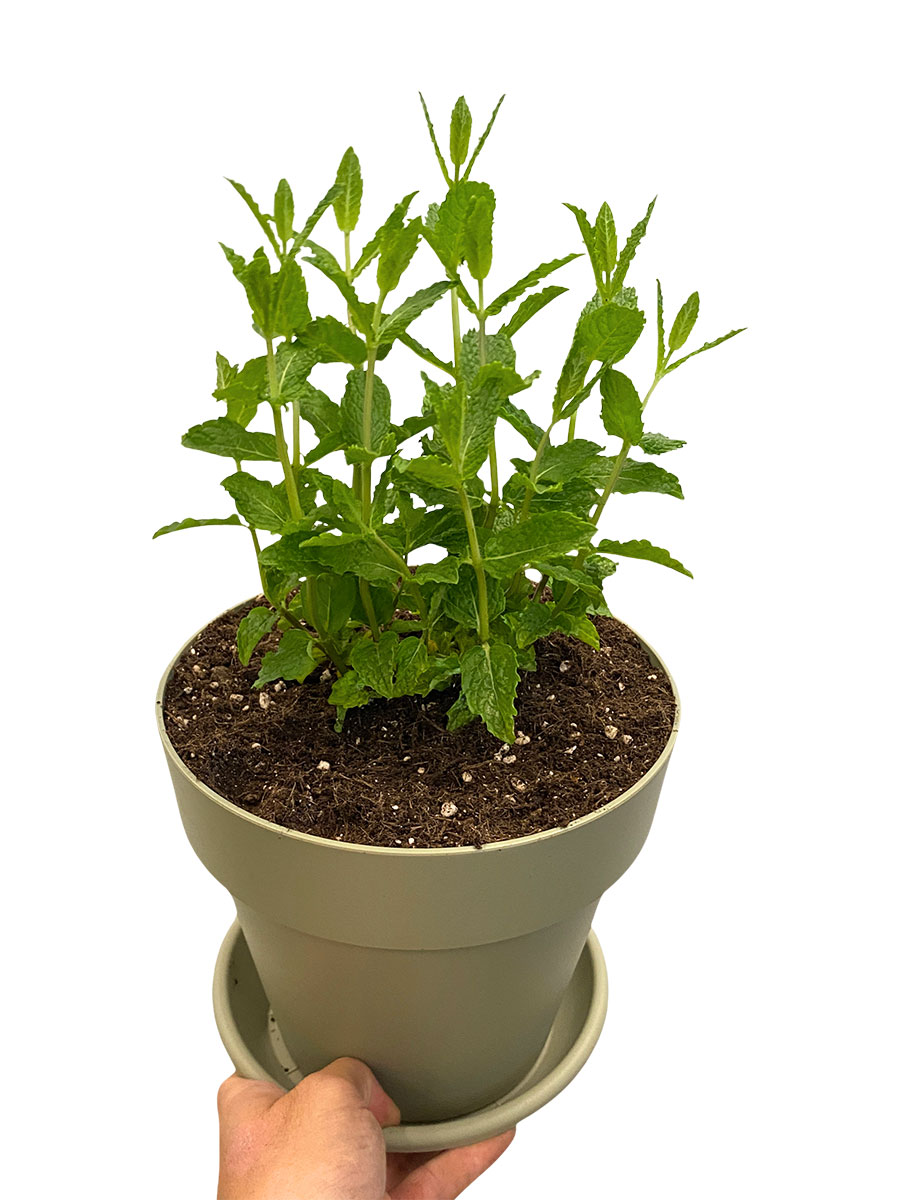
Organic Moroccan Mint

Topfdurchmesser 20cm

Topfhöhe ab Boden 15cm ±

Ready-made planting

History of Moroccan mint Moroccan mint (Mentha spicata 'Marocaans') is a particularly aromatic mint variety, known above all for making traditional Moroccan mint tea. It originally comes from North Africa and the Mediterranean, where it has been valued for centuries as a culinary, tea and medicinal plant. Its fresh, light green leaves give off a pleasant, sweetish mint scent and have a milder aroma than classic peppermint. The plant is ideal for teas, cocktails, desserts, salads and oriental dishes. Care as a houseplant: • Light: Bright to sunny spot; a few hours of sun a day promote the aroma. • Temperature: 15–25 °C is optimal; also tolerates cooler temperatures well. • Humidity: Medium; normal indoor air is sufficient. • Substrate: Nutrient-rich, loose herb or potting soil that retains water well. • Watering: Water regularly; keep the substrate evenly moist, but avoid waterlogging. • Feeding: During the growing season, feed every 2–4 weeks with a herb fertiliser. • Special features: Regular harvesting encourages bushy growth and provides fresh, aromatic leaves throughout the season. Overwintering tips: In winter, water a little less and keep it as bright as possible. Moroccan mint is perennial and, if overwintered in a cool place, can sprout vigorously again the following spring. Moroccan mint Mentha spicata 'Marocaans' is an easy-care and versatile herb that enriches any kitchen with its refreshing aroma and Mediterranean character.

CHF 29.90*

Sold out – we will notify you