













 Houseplants
 Gift voucher
 Repotting videos

Welcome to the houseplant blog
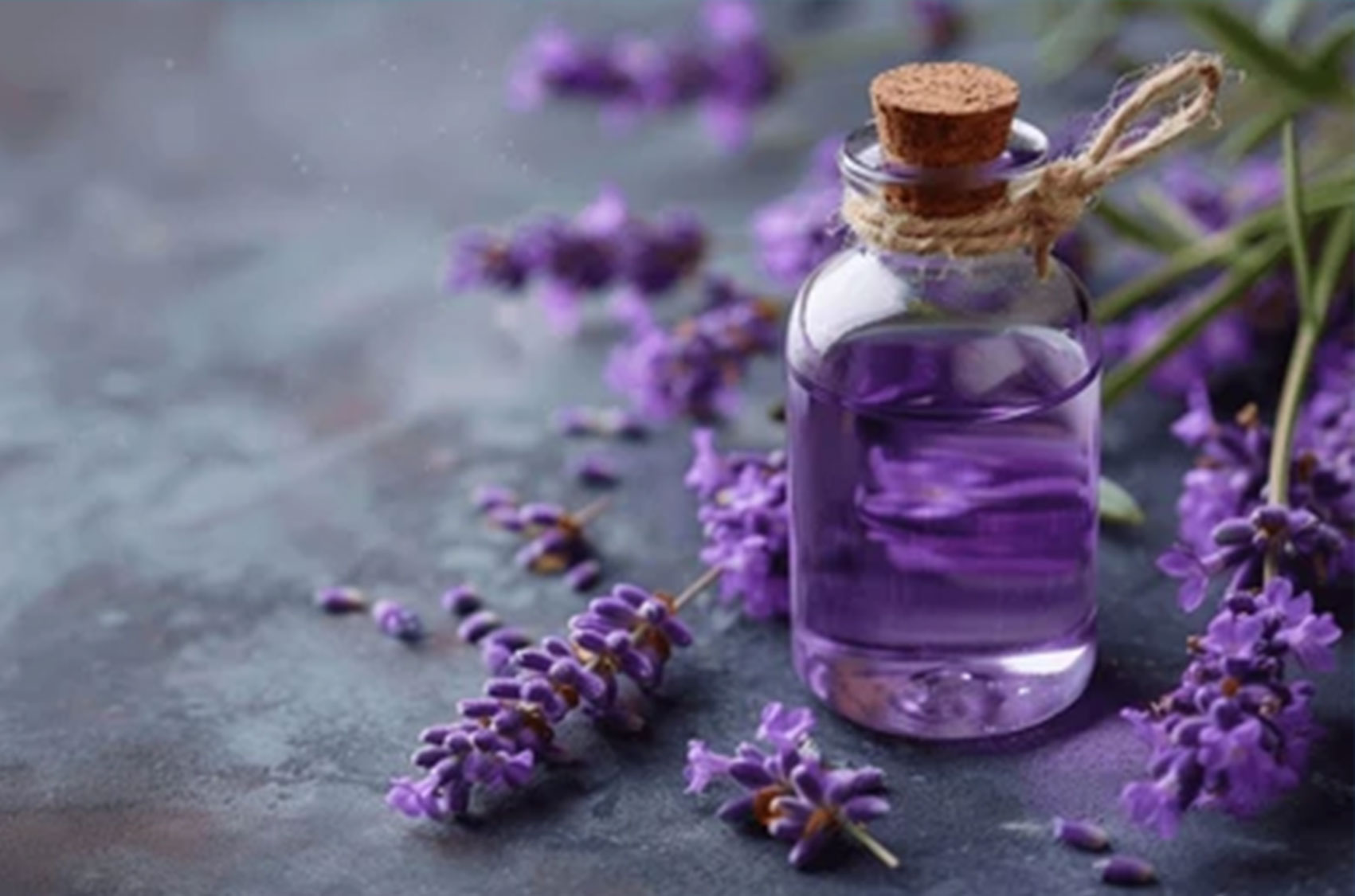
Phenomenal lavender oil
Every winter the same problem: as soon as the heating is on, my houseplants get uninvited visits from spider mites, aphids or thrips. These pests damage the young shoots, delicate leaves and fresh buds of the houseplants and multiply relentlessly until the plants are ruined.
But not with me! I have an effective remedy against these parasites: my spray bottle. Filled with a magic potion of water and lavender oil that strengthens the houseplants and weakens the pests. This potion is completely non-toxic and safe for the plants and for me.
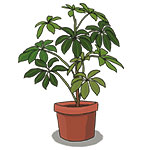
The magic potion consists of water and lavender oil. Shaken well and poured into the spray bottle, it is deployed like a secret agent. Schefflera, spider plant, weeping fig and other houseplants are sprayed with the fragrant essence at least every third day, and even daily in the case of heavy infestation.
This treatment drives away the pests: spider mites flee immediately, aphids give up after a few days. Persistence is required, but those who persevere win. At the same time, the houseplants get a spa treatment, because spraying increases the humidity and visibly does them good. They flower more beautifully and smell more intense.
I breathe a sigh of satisfaction, because lavender oil also has a disinfectant effect and helps prevent colds. In aromatherapy, lavender oil is considered calming and harmonising – an effect I definitely feel, as I look forward calmly to a pest-free winter season. Many friends and acquaintances have confirmed to me the effectiveness of the lavender oil solution against pests.
Lavender oil solution
Preparation: Shake 10 drops of essential lavender oil and a small drop of washing-up liquid well in 1 litre of lukewarm, lime-free water (rainwater, boiled water or filtered vegetable cooking water).
Application: As a preventive measure, spray the houseplants with the solution at least once a week (shake the solution again each time!); in the case of infestation, ideally repeat daily.
Plant of the week CW51/24
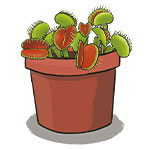
The fascinating Venus flytrap: care and special features
The Venus flytrap (Dionaea muscipula) is an impressive carnivorous plant that originally comes from the bogs of North and South Carolina. With its unique traps, which look like little mouths, it catches insects and uses their nutrients as additional food. If an insect touches the sensitive glands in the trap twice, the trap snaps shut in a flash – a brilliant example of plant intelligence!
Care tips for the Venus flytrap as a houseplant:
- Light: At least six hours of direct sunlight daily; a spot by a south- or west-facing window or outdoors is ideal.
- Water: Only use soft rainwater and keep the soil moist. Avoid waterlogging and hard (calcareous) water.
- Humidity: Prefers high humidity; no dry heating air.
- Soil: Acidic soil (pH 4.5–5.5), e.g. a mixture of peat moss and perlite.
- Feeding: Additional feeding with live insects is possible but usually not necessary.
- Dormancy: In winter, water less for about three months and keep the plant cooler.
With the right care, this exotic plant becomes a fascinating highlight in any home!
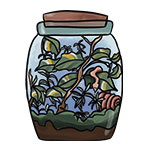
Caring for a Venus flytrap in a terrarium:
A terrarium is ideal for showing off the Venus flytrap to its best advantage and creating a suitable microclimate:
- Lighting: Place the terrarium in a bright spot or use special plant lamps to ensure sufficient light.
- Humidity: In a terrarium, humidity stays consistently high, which the plant loves. Moist soil also helps to create the right climate.
- Ventilation: Provide fresh air regularly to prevent mould. Open the terrarium occasionally or use models with ventilation slots.
- Substrate: Use the same substrate as for classic care, e.g. peat moss and perlite.
- Insects: A terrarium offers a natural way to attract smaller insects for feeding.
With a terrarium, you create an impressive backdrop and ideal conditions for this fascinating plant!

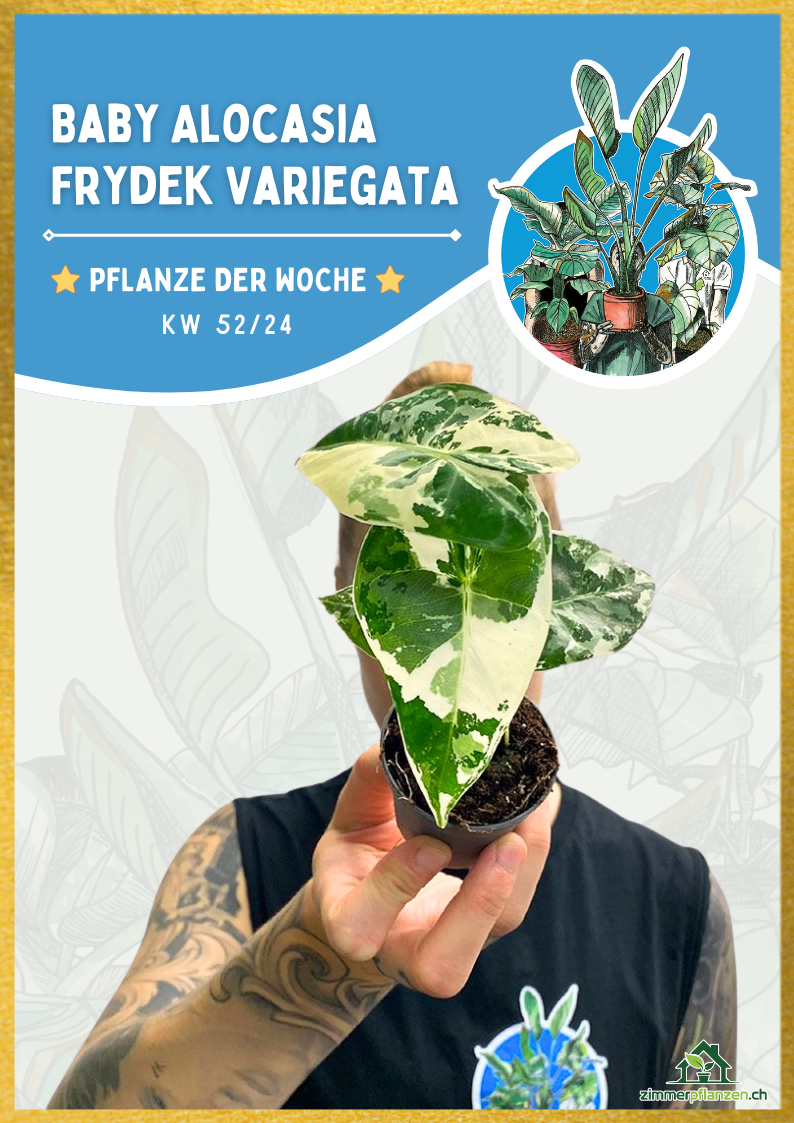
Plant of the week CW52/24
Baby Alocasia Frydek Variegata: care and special features
History of the Baby Alocasia Frydek Variegata
The Baby Alocasia Frydek Variegata is a rare and sought-after variety of Alocasia micholitziana. It originally comes from the tropical rainforests of Asia and delights plant lovers with its velvety, dark green leaves with unique cream-white variegation. Despite its exotic nature, this miniature version is especially valued as a houseplant or in terrariums thanks to its decorative leaves and compact growth.
Care as a houseplant:
- Light: Bright, indirect location, no direct sun.
- Temperature: Optimal at 20–26 °C, no temperatures below 18 °C.
- Humidity: High, at least 60%, regular misting recommended.
- Substrate: Loose, well-draining substrate, e.g. potting soil with perlite or coconut fibre.
- Watering: Keep evenly moist but avoid waterlogging.
- Fertilising: Every 4–6 weeks with weak foliage plant fertiliser during the growing season.
Care as a terrarium plant:
- Light: Indirect lighting from plant lamps, ideal for tropical plants.
- Temperature: Constantly between 22–26 °C.
- Humidity: 70–90%, keep consistently high by spraying or using a mister.
- Substrate: Well-draining terrarium mix, e.g. with added bark or moss.
- Watering: Water moderately, keep the substrate evenly moist but not soaked.
- Terrarium conditions: Ensure compact growth and good air circulation, leave enough space for the leaves.