


















 Houseplants
 Gift voucher
 Repotting videos
The most important houseplant care tips
7 basics for healthy, strong houseplants
1. Climate and humidity
Mist the leaves of your plants with water once a week. This strengthens their immune system and encourages new growth. Higher humidity is particularly important in winter to compensate for dry indoor air and to prevent pests. Make sure your plants are not exposed to dry air from the heating – ensure sufficient humidity, for example with water trays or humidifiers.
2. Light and sun
Houseplants need light to gain energy and grow healthily.
Make sure windows are not too heavily shaded – too little light hinders photosynthesis.
Avoid direct midday sun, as it can scorch the leaves.
You can usually find the exact light requirements of your plant on the supplier's website or on the plant label.
3. Nutrients and fertilising
Fertilise about once a month from March to October – using only half the dose, as manufacturers' recommendations are often too high. From November to March you should not fertilise. During this time, plants process nutrients less well, which can lead to salt build-up in the root zone.
In winter, watering with plain water is enough.
4. Temperature and heat sources
Do not place your plants right next to radiators – keep them at a distance or put them in a cooler spot.
The ideal temperature in winter is 18 to 20 degrees Celsius. This prevents energy loss and reduces leaf drop. If you have underfloor heating, place the plant pots on small wooden battens or plant caddies to avoid heat build-up.
5. Pruning and care
Regularly remove dust and dirt from the leaves with a damp cloth.
Cut off dry leaves and dead shoots to keep the plant healthy.
Shaping is useful if the plant becomes too large or sprawling.
6. Substrates and correct watering
Avoid permanently wet substrate – waterlogging can lead to root rot.
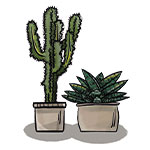
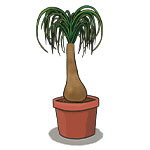
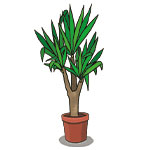
The most common cause of houseplants dying is overwatering. Let the soil dry out slightly or completely before watering again. The so-called finger test helps: stick your finger into the soil – if it still feels moist, wait before watering. Plants that like dry conditions, such as cacti, succulents, yucca or ponytail palm, only need water every 10 to 14 days and hardly any fertiliser.
7. Pests and home remedies
If you notice a pest infestation, a thorough shower of the plant is often enough – it removes most of the pests. For aphids, mealybugs and scale insects, it helps to wipe them off carefully with a cloth and a little alcohol. You can tackle spider mites and thrips with a mixture of water, soap and rapeseed oil. Mix 400 ml of water with 100 ml of rapeseed oil and a little soap. Spray the upper and lower sides of the leaves. Repeat the treatment three times within one week.
When is it time to repot a plant?
-
If roots are growing out of the drainage holes, the plant needs more space.
-
If growth stalls or the leaves stay small, the pot may be too small.
-
Compacted soil through which water drains poorly can also be a sign.
-
If the plant gets thirsty quickly and the water is absorbed immediately, the root ball is probably too large for the pot.
Alternatives to the finger-in-the-soil test:
-
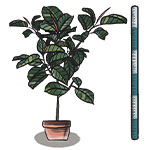
Moisture meter: Reliably shows you the moisture content of the soil.
-
Weight test: Lift the pot. If it is light, the soil is dry; if it is heavy, it is still moist.
-
Wooden stick: Insert a clean wooden stick into the soil. If it comes out dry, the plant needs water.
With these tips, you are well equipped to keep your plants healthy and strong. Good luck!