🌿 New customers: get 10% off plants 🌿

Pioneer since 2012
Safe shipping to Switzerland & Liechtenstein
Largest selection & variety in Switzerland
Hand-picked quality from the grower

Ficus – timeless elegance for your home

Ficus species belong to the mulberry family (Moraceae) and comprise several hundred different species. They come mainly from tropical and subtropical regions, where they grow as trees, shrubs or climbing plants. The best-known houseplants include Ficus benjamina, Ficus elastica and Ficus lyrata. They are characterised by their decorative, often glossy leaves and their versatile growth.

Filter

95 Artikel

Available
Item no. 4412
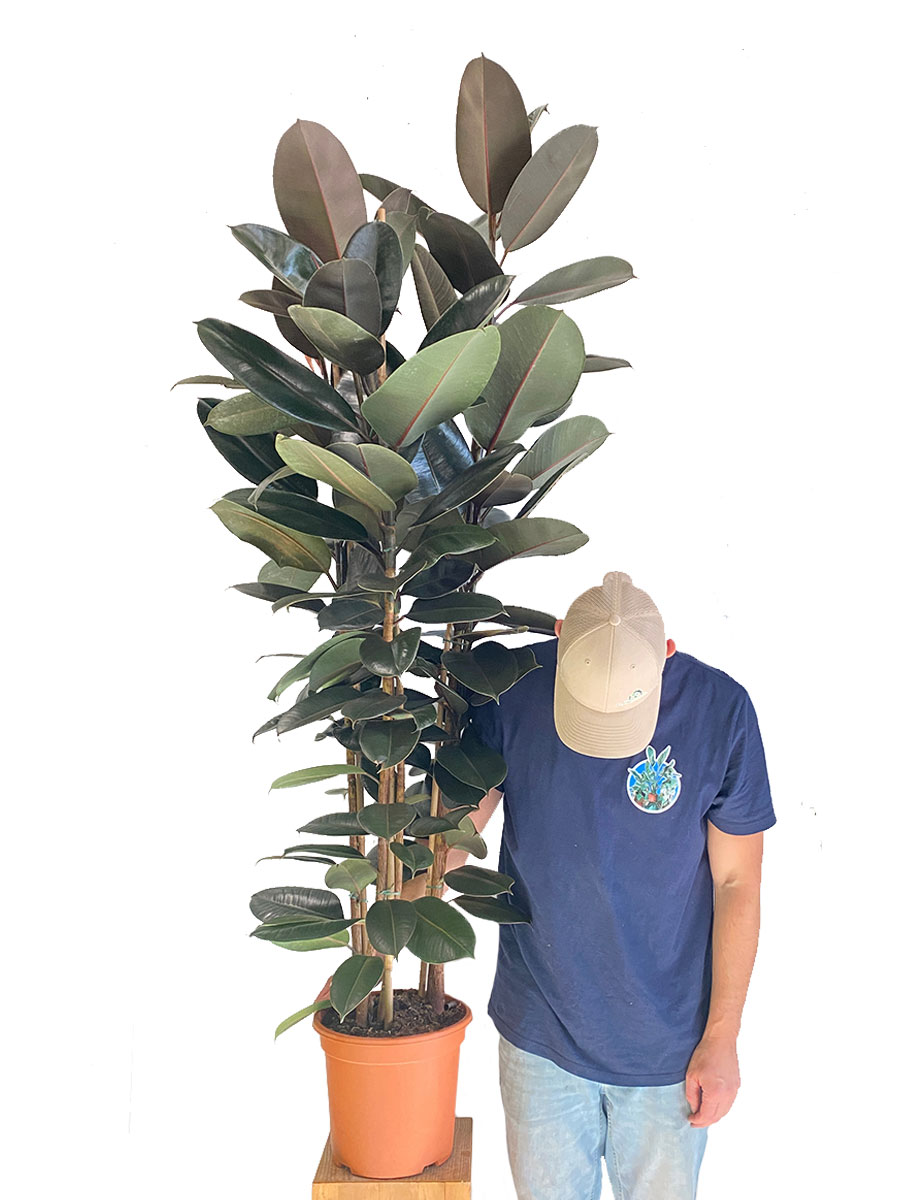
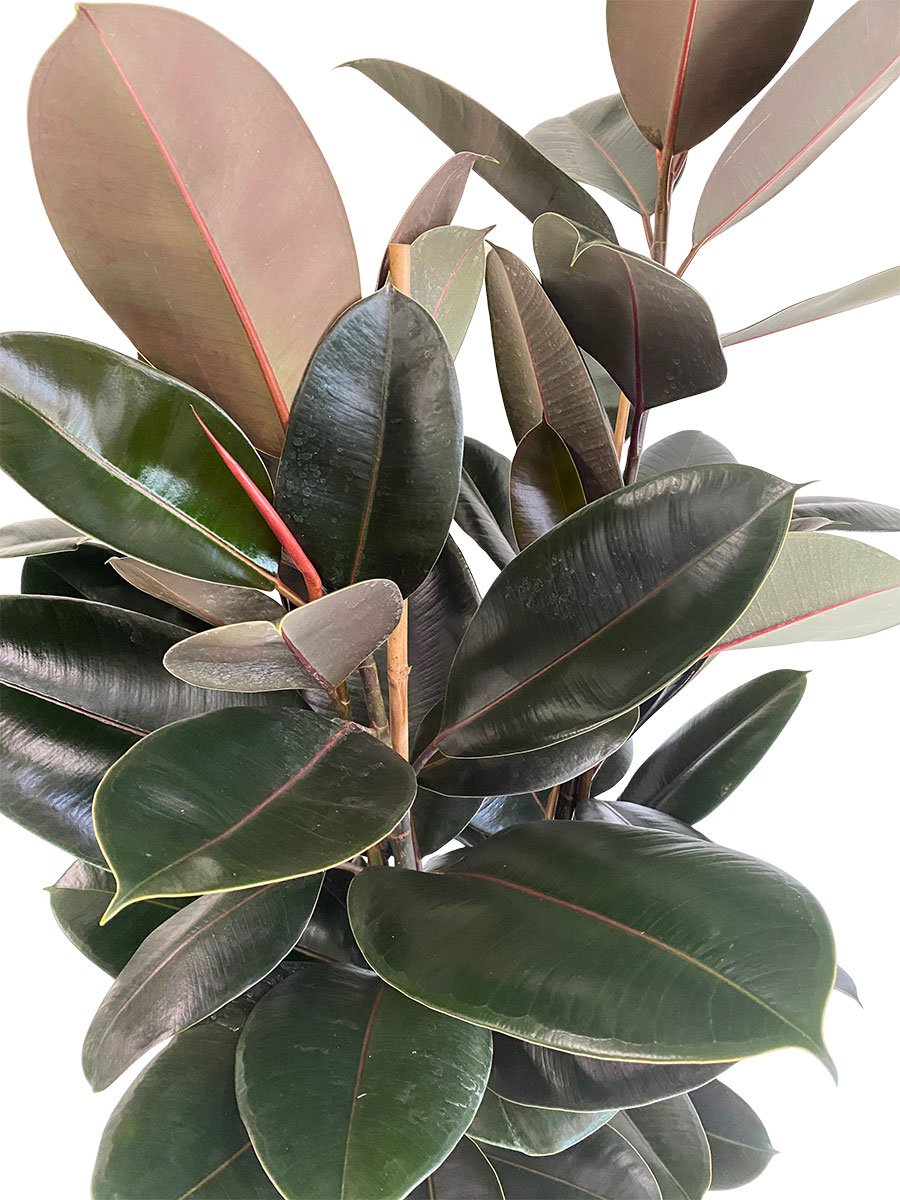
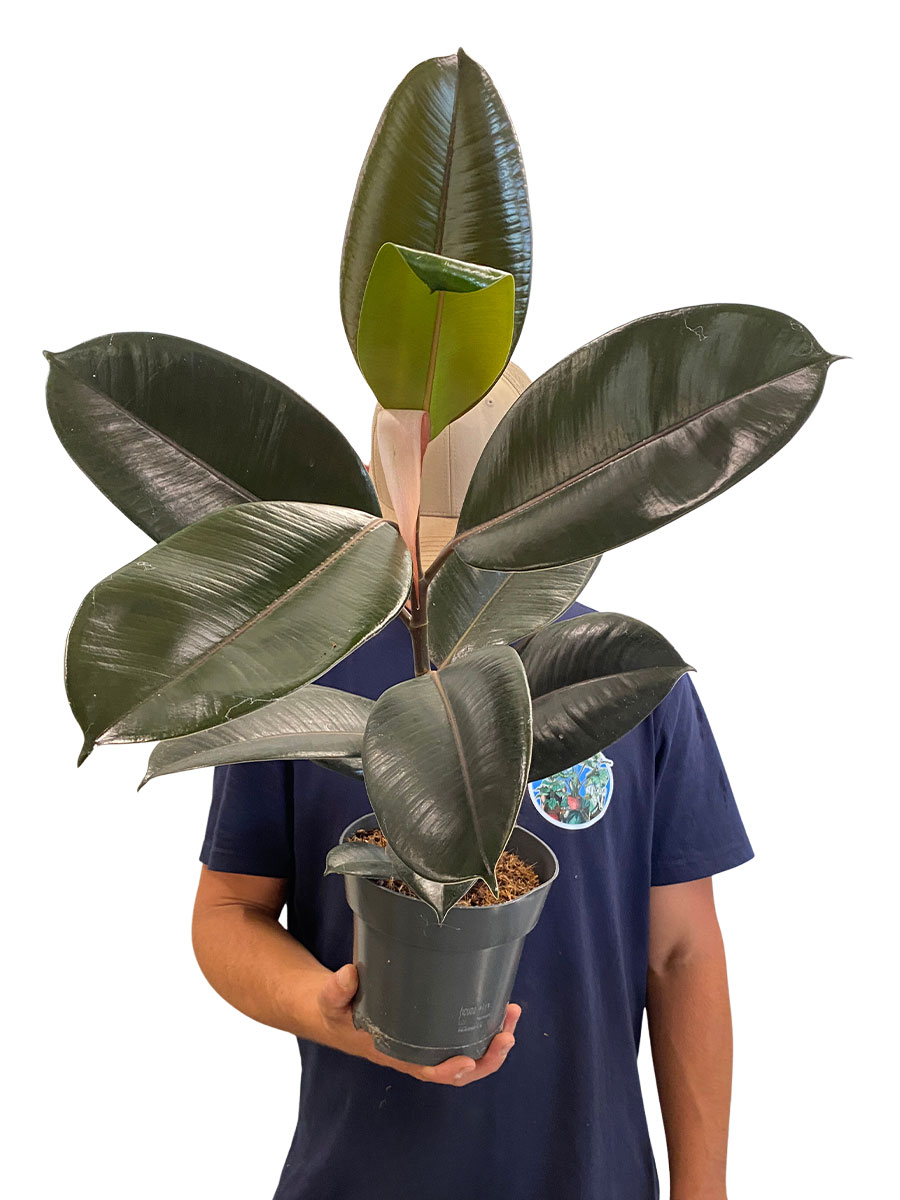
Ficus Elastica Abidjan

Topfdurchmesser 27cm

Topfhöhe ab Boden 160cm ±

History of the rubber plant Ficus Abidjan The rubber plant (Ficus elastica Abidjan) is a particularly dark-coloured cultivar of the classic rubber plant. It originally comes from the tropical rainforests of Southeast Asia and impresses with its deep green to almost black-red leaves. As an easy-care houseplant, it is a stylish addition to living spaces and offices, as it is not only decorative but also improves air quality. Care as a houseplant: Light: Bright to partially shaded spot; no direct midday sun. Temperature: 18–26 °C is optimal; avoid temperatures below 15 °C. Humidity: Medium to high humidity; occasional misting promotes healthy leaves. Substrate: Free-draining potting soil with some sand or perlite for better drainage. Watering: Water moderately, only once the top layer of soil is dry; avoid waterlogging. Feeding: Every 4 weeks from spring to autumn with liquid fertiliser for foliage plants. Special features: This houseplant is robust but can lose leaves in draughts or if the air is too dry. Overwintering tips: Water less and do not keep at temperatures below 15 °C. A bright spot helps keep the dark foliage healthy and glossy. The rubber plant Abidjan is a hardy, easy-care houseplant with elegant, dark leaf colouring.

CHF 299.90*

Delivery time 2 - 7 working days

Available
Item no. 4396
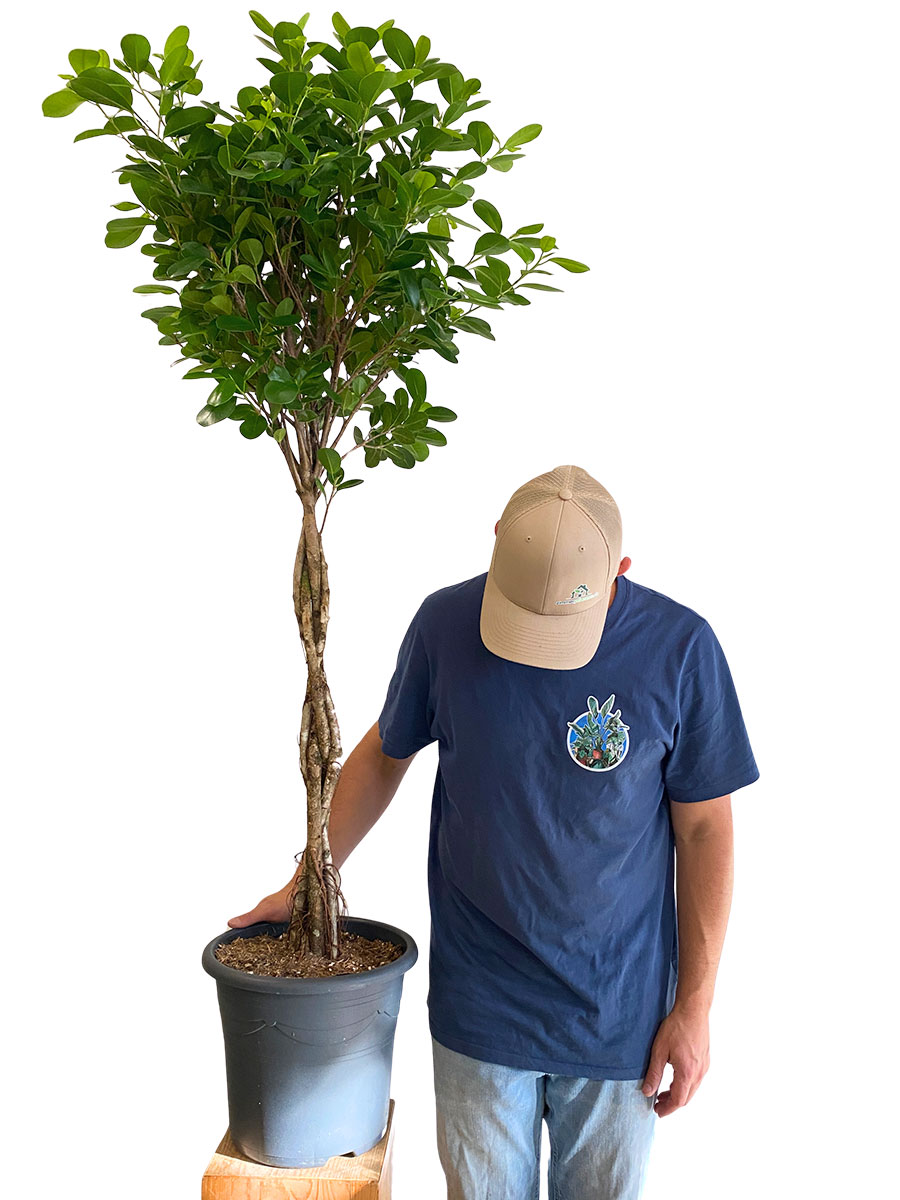
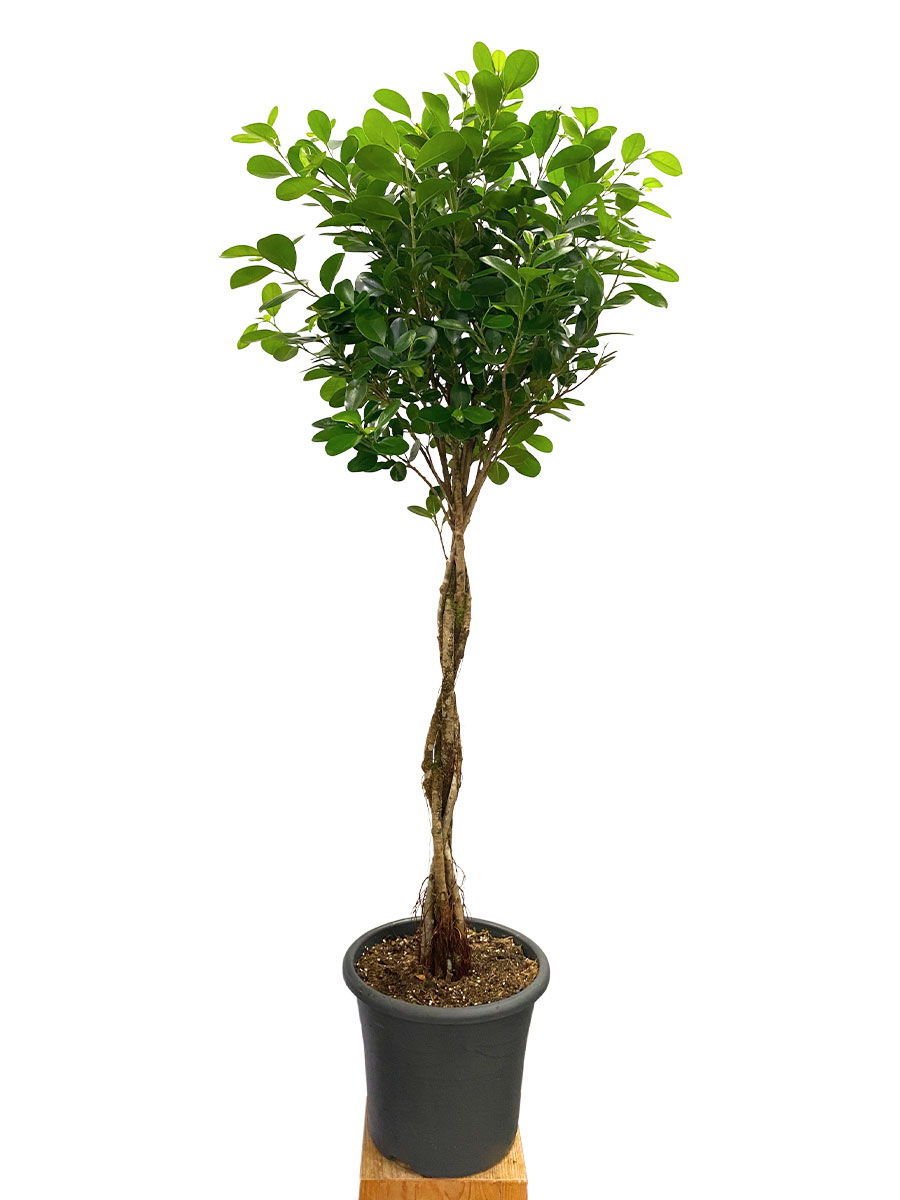
Ficus Microcarpa Moclame

Topfdurchmesser 32cm

Topfhöhe ab Boden 160cm ±

History of the Ficus microcarpa Moclame The Ficus microcarpa Moclame is a fascinating variety of the classic Ficus microcarpa, also known as the Indian laurel fig or Chinese banyan. Originally from the tropical and subtropical regions of Asia, this houseplant impresses with its attractive, dense foliage and compact growth. The Moclame variety is particularly popular with lovers of modern houseplants, as it not only improves the indoor climate but also stands out for its air-purifying properties and the development of natural aerial roots. Care as a houseplant: Light: Bright spot with plenty of indirect light; avoid direct midday sun to prevent leaf burn. Temperature: Ideally 18–26 °C; temperatures below 15 °C should be avoided. Humidity: Moderate to high humidity; regular misting supports healthy growth. Substrate: A free-draining, humus-rich substrate, for example a mix of potting soil and perlite, ensures optimal drainage. Watering: Keep evenly moist; only water when the top layer of soil is dry, and be sure to avoid waterlogging. Feeding: Feed every 2–4 weeks during the growing season with a liquid fertiliser for houseplants. Special features: The Ficus microcarpa Moclame develops natural aerial roots, which help to stabilise it and underline its tropical flair. Overwintering tips: In winter, watering should be reduced, as growth slows down. Make sure that temperatures do not fall below 15 °C and that the plant is in a bright, draught-free spot. With the right care, the Ficus microcarpa Moclame remains an impressive, easy-care houseplant that gives any room an exotic touch.

CHF 199.90*

Delivery time 2 - 7 working days

Available
Item no. 4229
Weeping Fig Ficus Nitida Standard

Topfdurchmesser 27cm

Topfhöhe ab Boden 120cm ±

History of the weeping fig Ficus benjamina Nitida Ficus benjamina Nitida, a variety of the classic weeping fig, originally comes from tropical and subtropical regions of Asia and Australia. This elegant houseplant is characterised by its dense, glossy green foliage and its fast growth. It is popular as a decorative eye-catcher in homes and offices and helps to purify the air. Care as a houseplant: Light: Bright spot, also tolerates partial shade; direct sun ideally only in the morning or evening. Temperature: Ideally 18–28 °C; avoid temperatures below 12 °C. Humidity: Medium to high; occasional misting helps prevent leaf drop. Substrate: Free-draining potting soil with a little sand or perlite for better drainage. Watering: Water moderately, only once the top layer of soil is dry; avoid waterlogging. Feeding: Every 2–4 weeks with liquid fertiliser for foliage plants during the growing season. Special features: This houseplant can react sensitively to changes of location, draughts and dry air, which can lead to leaf drop. Overwintering tips: Water less and do not let temperatures fall below 12 °C. A bright location is important to prevent excessive leaf loss. Ficus benjamina Nitida is a timeless houseplant that, with the right care, will bring you joy for many years.

CHF 189.90*

Delivery time 2 - 7 working days

Available
Bestseller
Item no. 1611
Weeping Fig Golden King

Topfdurchmesser 21cm

Topfhöhe ab Boden 100cm ±

History of the weeping fig Golden King The weeping fig (Ficus benjamina Golden King) is a variegated variety of the classic Ficus benjamina, which originally comes from Southeast Asia and Australia. This houseplant was bred for its decorative yellow-green leaves and elegant, slightly drooping growth and has been a popular classic in living rooms, conservatories and offices for decades. Care as a houseplant: Light: Bright spot with plenty of indirect light; a little morning or evening sun is well tolerated. Temperature: Ideally 18–25 °C; do not keep below 15 °C. Humidity: Moderate to high; mist occasionally, especially in winter. Substrate: Loose, well-drained substrate, e.g. potting soil with sand or perlite. Watering: Water evenly but sparingly; let the soil dry out slightly and avoid waterlogging. Feeding: Feed with liquid fertiliser every 2–4 weeks during the growing season. Special features: This houseplant is sensitive to changes of position and draughts, so leave it in one place if possible. Overwintering tips: In winter, water less and do not keep it below 15 °C. The weeping fig Golden King is an easy-care, elegant houseplant whose bright variegation makes any room look livelier.

CHF 69.90*

Delivery time 2 - 7 working days

Available
Item no. 4301
Ficus Nitida XXL

Topfdurchmesser 80cm

Topfhöhe ab Boden 300cm ±

History of the Ficus Nitida Ficus Nitida, also known as Indian laurel fig and often listed as Ficus microcarpa, comes from the tropical and subtropical regions of Asia and Australia. As a large plant, it develops strong, upright growth and a dense crown of small, glossy, dark green leaves. Thanks to its elegant appearance, it is particularly well suited as an impressive specimen plant for large living spaces, offices, entrance areas or business premises. With enough light, Ficus Nitida is robust and long-lived, but as a large plant it needs a suitable, bright spot. Pet owners should take care, as the milky sap of the Ficus can cause health problems in cats and dogs. Care as a houseplant: Light: Bright to very bright with plenty of indirect light. A few hours of morning or evening sun are well tolerated. With too little light, the Ficus may lose leaves. Temperature: Around 18–25 °C is ideal. Avoid temperatures below 15 °C and strong temperature fluctuations where possible. Humidity: Normal indoor air is usually well tolerated. Slightly higher humidity, however, promotes strong and healthy growth. Substrate: Use a loose, humus-rich and free-draining houseplant substrate. With a large plant, make sure there is good drainage. Watering: Water moderately and regularly. The top layer of soil should dry out slightly between waterings. Be sure to avoid waterlogging. Feeding: From spring to autumn, feed about every 2–4 weeks with a foliage plant fertiliser. Reduce feeding considerably in winter. Special features: As a large plant, Ficus Nitida is a particularly impressive eye-catcher. It should not be moved too often, as Ficus species can react to changes of location by dropping leaves. Regular pruning helps keep the crown compact and nicely shaped. Important for pet owners: Ficus Nitida is not suitable as a plant for cats and dogs to nibble on. The milky sap it releases can cause irritation on contact or if eaten, as well as gastrointestinal problems. Overwintering tips: As a houseplant, Ficus Nitida can be kept warm all year round. In winter it should be kept as bright as possible and protected from cold draughts. Because there is less light, it needs less water and should not be kept permanently wet. A bright spot is particularly important so that the large plant keeps its dense foliage as well as possible.

CHF 6,999.90*

Delivery time 2 - 7 working days

Available
Item no. 1691
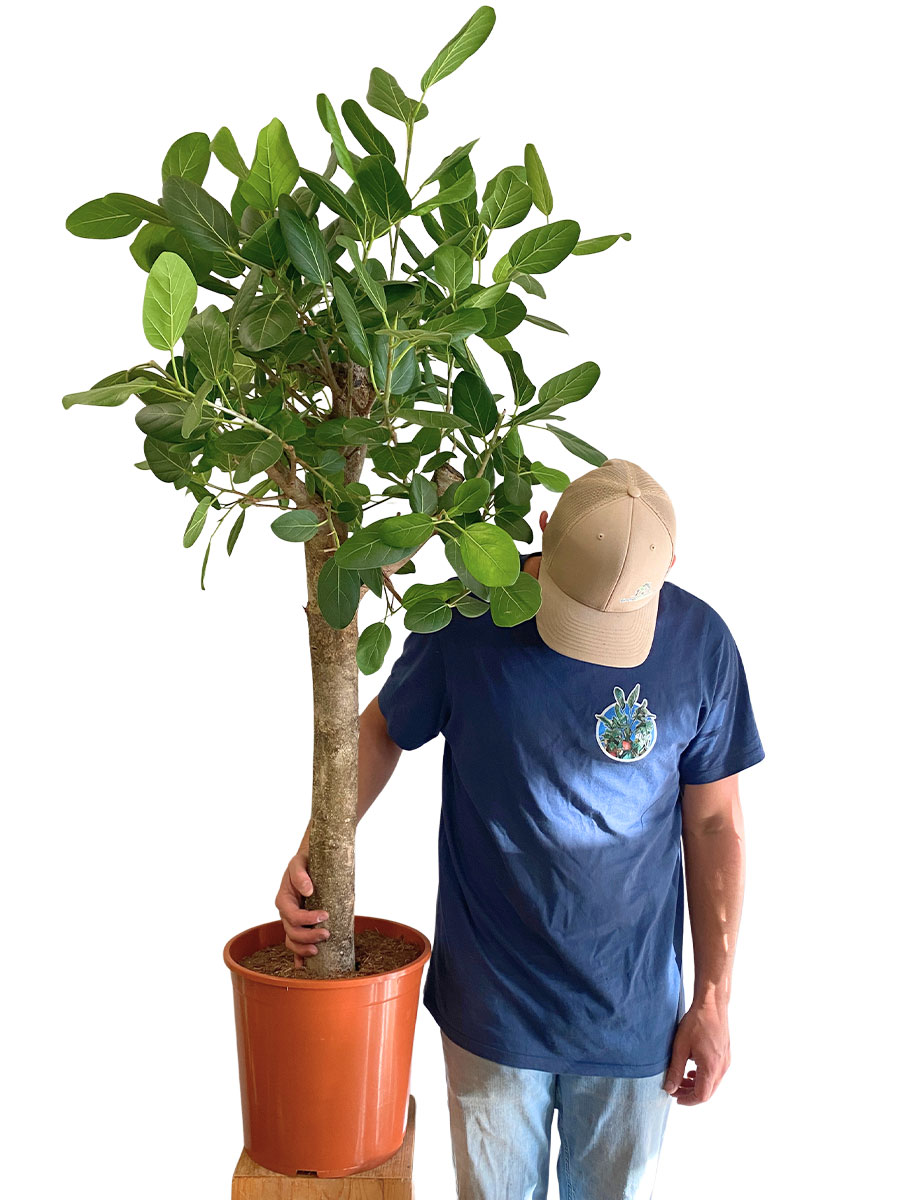
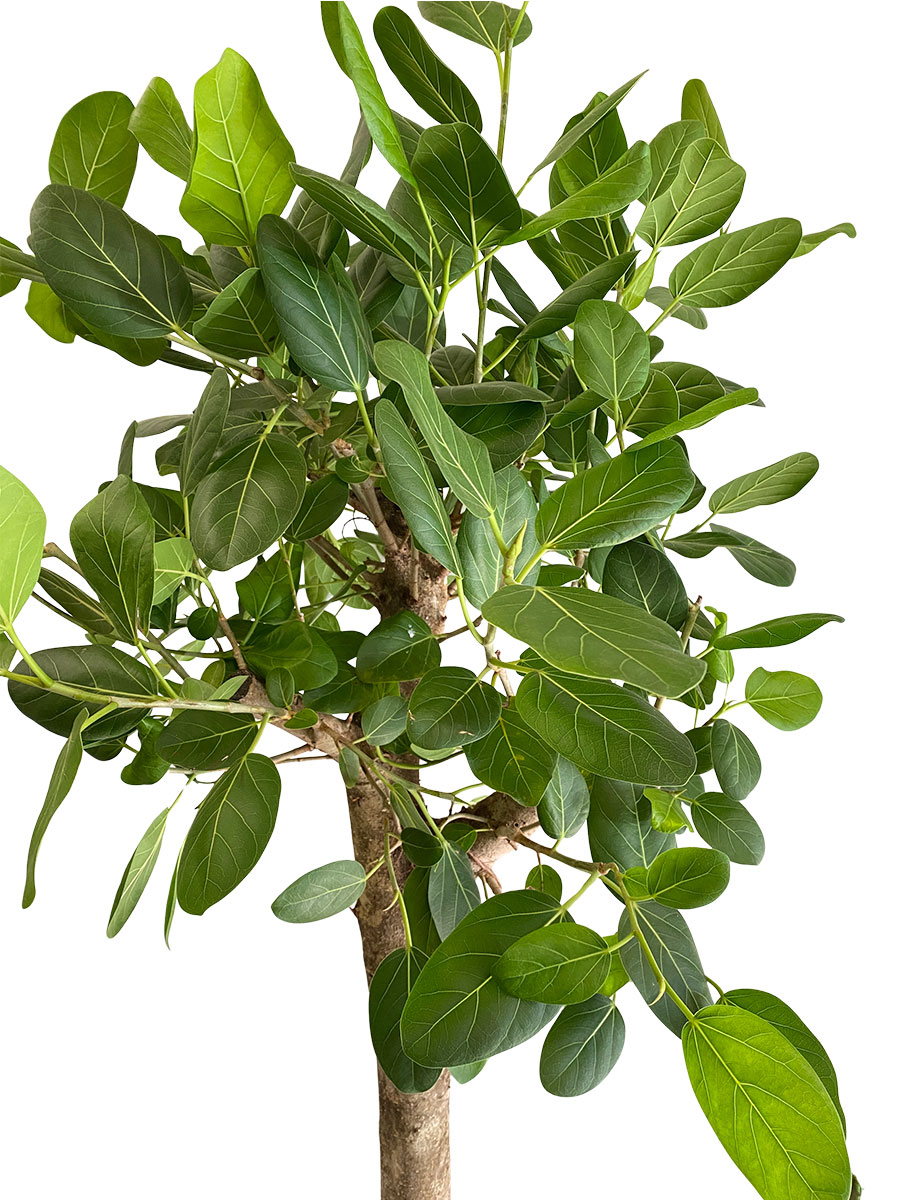
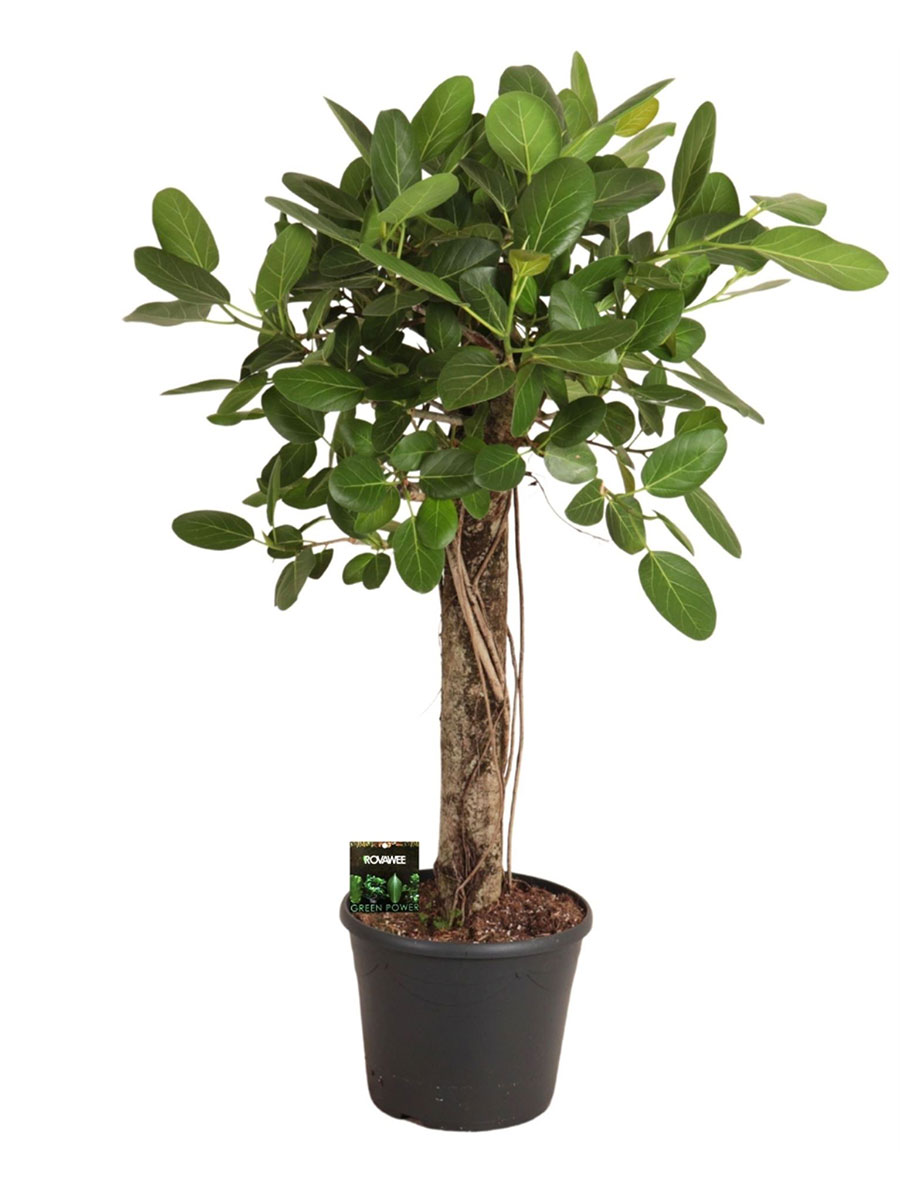
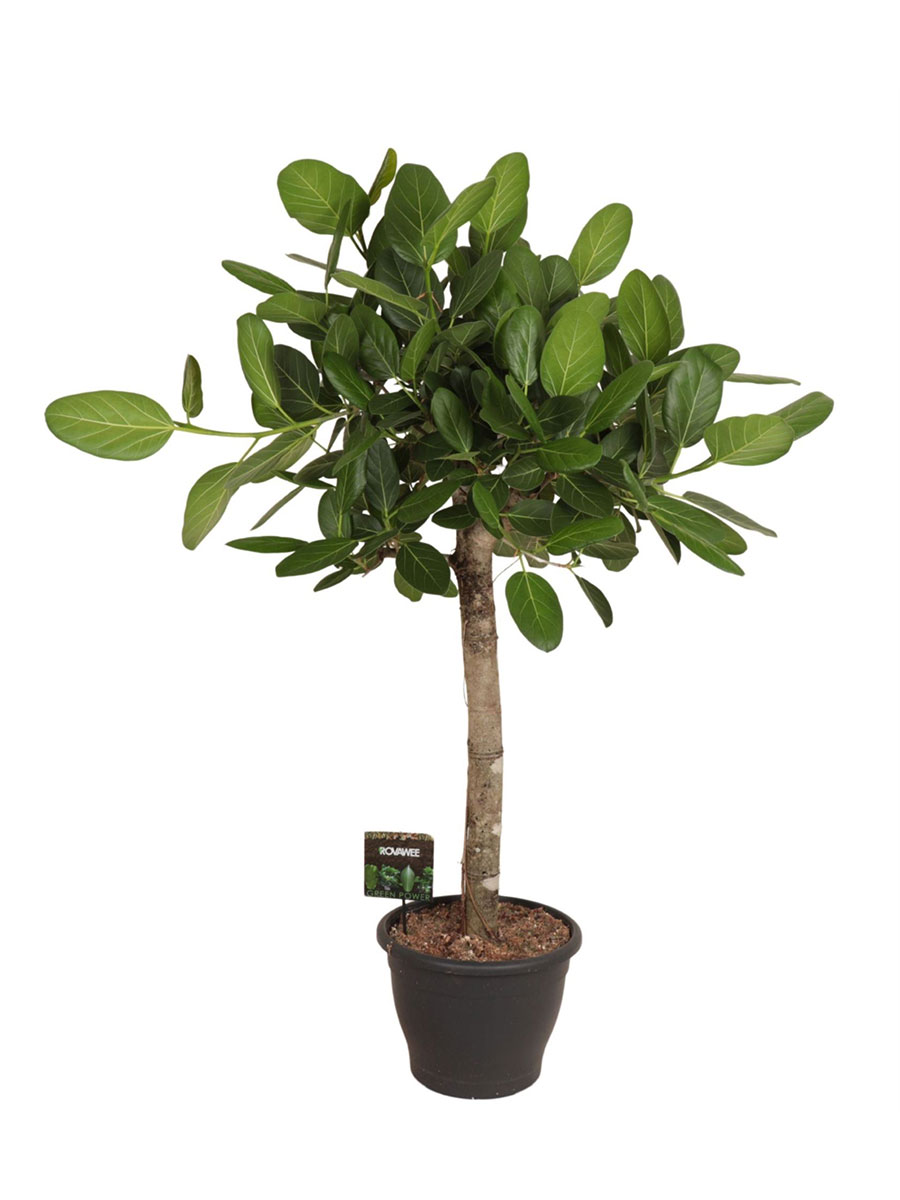
Banyan Tree Ficus Benghalensis Stem

Topfdurchmesser 31cm

Topfhöhe ab Boden 120cm ±

History of the banyan tree (Ficus benghalensis) The majesticFicus benghalensis, also known as the banyan tree, originally comes from India and Sri Lanka and is one of the most impressive members of the fig family. In the wild, its aerial roots form veritable tree landscapes and it can overgrow entire areas. As a houseplant , it is valued for its decorative foliage and tree-like growth. In homes it stays much smaller, but still brings a tropical flair to the room. Care as a houseplant: Light: Bright spot with plenty of indirect light; some direct sun is tolerated. Temperature: Ideally 18–28 °C; do not keep below 15 °C. Humidity: Medium to high; occasional misting can help, especially in winter. Substrate: Free-draining, nutrient-rich soil; a mix with some sand or perlite is ideal. Watering: Water moderately; let the soil dry slightly before the next watering. Avoid waterlogging. Feeding: Roughly every 4 weeks during the growing season with foliage plant fertiliser. Special features: This houseplant forms aerial roots, which can develop when humidity is high. Overwintering tips: In winter, water less and make sure it gets enough light. The banyan tree is an imposing yet hardy houseplantthat really comes into its own indoors when given enough space.

CHF 249.90*

Delivery time 2 - 7 working days

Available
Bestseller
Item no. 1727
Fiddle-Leaf Fig Ficus lyrata Stem

Topfdurchmesser 34cm

Topfhöhe ab Boden 160cm ±

History of the fiddle-leaf fig (Ficus lyrata) stem The fiddle-leaf fig, botanically Ficus lyrata, is a tropical plant from West Africa and belongs to the mulberry family. As a standard it is particularly popular in modern living spaces, as its large, glossy, fiddle-shaped leaves immediately catch the eye. In recent years it has become one of the most sought-after houseplants in urban spaces. Care as a houseplant: Light: Bright spot with plenty of indirect light; some direct sun is tolerated. Temperature: Ideally 18–25 °C; no cold or draughts. Humidity: Medium to high; occasional misting helps in dry heated air. Substrate: Free-draining, humus-rich potting soil; ideally mixed with perlite or sand. Watering: Keep evenly moist but not wet; be sure to avoid waterlogging. Feeding: Every 2–4 weeks during the growing season with foliage plant fertiliser. Special features: This houseplant reacts sensitively to changes of location – it is best to find it a good spot once and then not move it again. Overwintering tips: In winter, water sparingly and do not keep below 15 °C. The fiddle-leaf fig as a standard is a striking houseplantthat gives any room structure and style with its elegant shape.

CHF 399.90*

Delivery time 2 - 7 working days

Available
Bestseller
Item no. 082
Weeping Fig Ficus Benjamina Twilight

Topfdurchmesser 21cm

Topfhöhe ab Boden 100cm ±

History of the weeping fig Twilight The weeping fig Twilight (Ficus benjamina ‘Twilight’) is a decorative variety of the classic weeping fig and belongs to the mulberry family (Moraceae). The species originally comes from the tropical regions of Asia and Australia, where it grows into large trees in the wild. The ‘Twilight’ variety is characterised by its green-and-white variegated leaves, which give it a particularly elegant look. This popular houseplant is not only an eye-catcher but is also known for improving air quality. Care as a houseplant: Light: Bright spot with plenty of indirect light; direct sun is well tolerated. Temperature: 18–26 °C is optimal; avoid temperatures below 15 °C. Humidity: Medium to high (50–70%); occasional misting is beneficial. Substrate: Loose, free-draining substrate with good drainage, e.g. a mix of potting soil, sand and perlite. Watering: Keep evenly moist but avoid waterlogging; only water once the top layer of soil is dry. Feeding: From spring to autumn, every 2–4 weeks with liquid fertiliser for foliage plants. Special features: This houseplant can react sensitively to changes of location and shed leaves – but it usually recovers quickly. Overwintering tips: The temperature should not drop below 15 °C, and watering should be reduced slightly in winter. A stable location with high humidity helps to prevent leaf drop. This easy-care houseplant brings tropical flair to any home with its elegant foliage.

CHF 69.90*

Delivery time 2 - 7 working days

Available
Bestseller
Item no. 1379
Fiddle-Leaf Fig Ficus lyrata Standard

Topfdurchmesser 30cm

Topfhöhe ab Boden 150cm ±

History of the fiddle-leaf fig (Ficus lyrata) The fiddle-leaf fig (Ficus lyrata) is a popular houseplant that originally comes from the tropical rainforests of West Africa. It belongs to the mulberry family (Moraceae) and is known for its large, striking leaves, which have a characteristic violin-like shape. In recent years, the fiddle-leaf fig has become one of the most sought-after houseplants, as it creates a modern and elegant atmosphere in both homes and offices. Care as a houseplant: Light: Bright position with plenty of indirect light; direct sun can scorch the leaves. Temperature: Ideally 20–25 °C; avoid temperatures below 15 °C. Humidity: Medium to high humidity; regular misting of the leaves can be helpful. Substrate: Free-draining, humus-rich potting soil, ideally with some perlite for better drainage. Watering: Water moderately; the soil should be evenly moist but not wet. Be sure to avoid waterlogging. Feeding: During the growing season (spring and summer), feed every 4–6 weeks with a liquid fertiliser for foliage plants. Special features: This houseplant grows relatively quickly and can reach an impressive height in optimal conditions. Overwintering tips: In winter, reduce the amount of water to slow down growth . The fiddle-leaf fig should be kept in an area where temperatures do not drop below 15 °C. With its distinctive leaf shape, the Ficus lyrata is an excellent choice for anyone looking for a stylish, easy-care houseplant.

CHF 299.90*

Delivery time 2 - 7 working days

Available
New
Item no. 4286
Ficus Altissima Stem - Large

Topfdurchmesser 30cm

Topfhöhe ab Boden 150cm ±

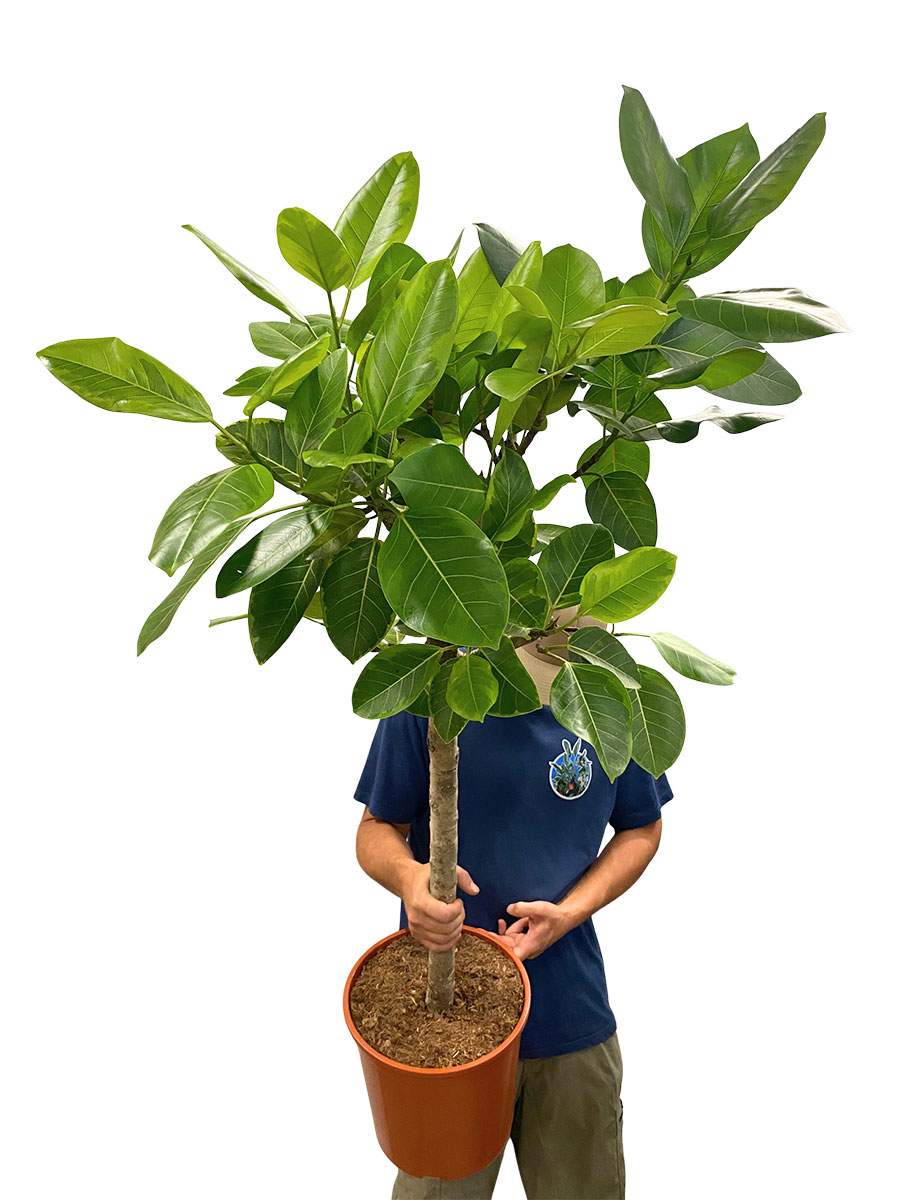
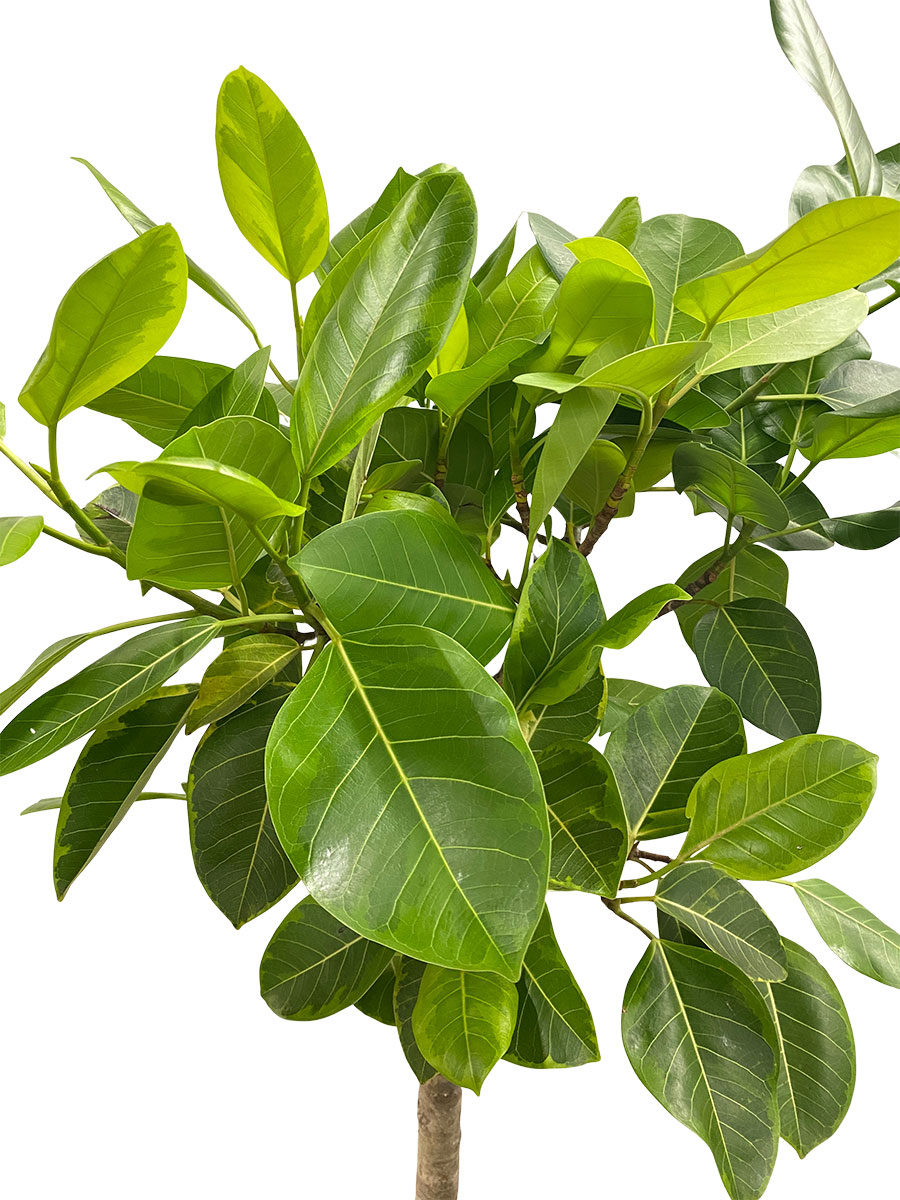
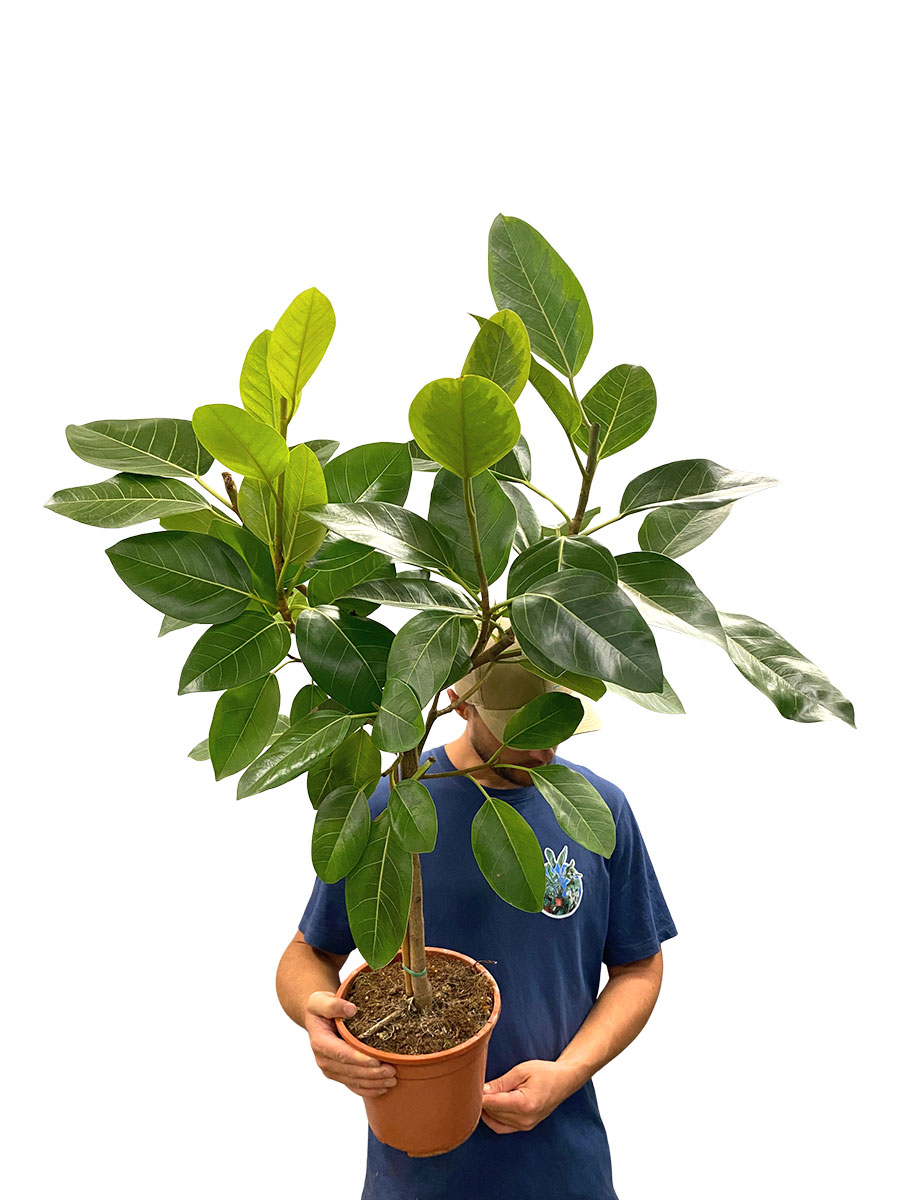
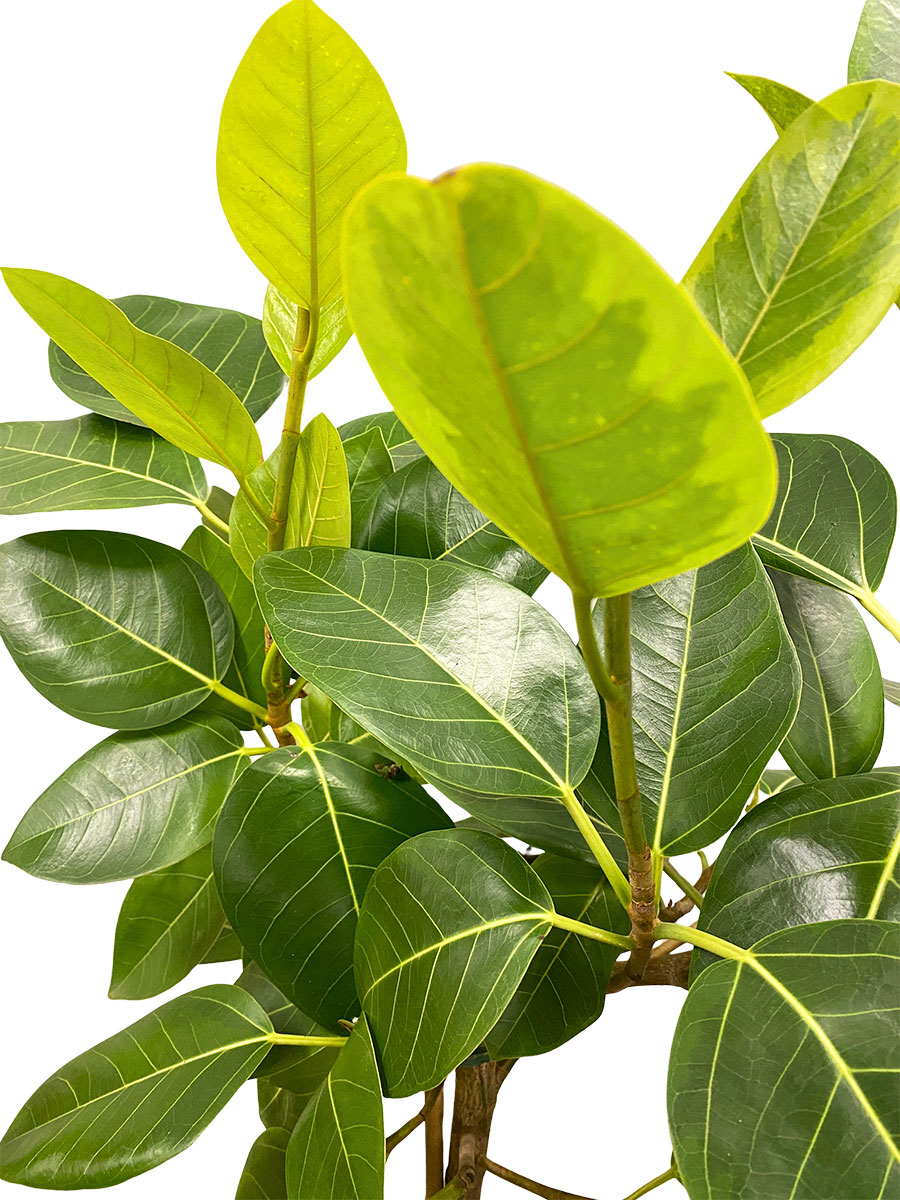
History of the Ficus altissima The Ficus altissima is an impressive tropical fig tree, distinguished by its large, glossy leaves and its strong, upright growth. The leaves are oval to elliptical and a rich green with clearly visible veins. Young leaves may first emerge light green to slightly reddish and later turn a strong green. Ficus altissima originally comes from the tropical regions of South and Southeast Asia. In its natural habitat it can grow into a stately tree and sometimes starts life as a so-called strangler fig on other trees. As a houseplant it stays much more compact and over time forms an attractive small indoor tree. Care as a houseplant: • Light: Bright spot with plenty of indirect light. A few hours of morning or evening sun are well tolerated. With too little light, growth can become weaker. • Temperature: 18–27 °C is optimal; avoid temperatures below 15 °C where possible. • Humidity: Medium to high; normal indoor air is usually tolerated, but slightly higher humidity supports healthy leaf growth. • Substrate: Loose, nutrient-rich and free-draining houseplant substrate. Good drainage is important, as waterlogging can lead to root problems. • Watering: Water moderately. Let the top layer of substrate dry out slightly between waterings and let excess water drain away. • Feeding: During the growing season, feed about every 2–4 weeks with a liquid fertiliser for foliage plants. • Special features: As it ages, Ficus altissima develops strong, tree-like growth. A bright spot encourages a dense, well-balanced crown. After a change of location it may temporarily drop leaves – Ficus species often react sensitively to change. Overwintering tips: In winter, keep it as bright as possible and water a little less. Temperatures should stay as constant as possible above 15–16 °C. Avoid cold draughts, strong temperature fluctuations and placing it right next to radiators. With less light, the plant needs correspondingly less water.

CHF 299.90*

Delivery time 2 - 7 working days

Available
New
Item no. 4285
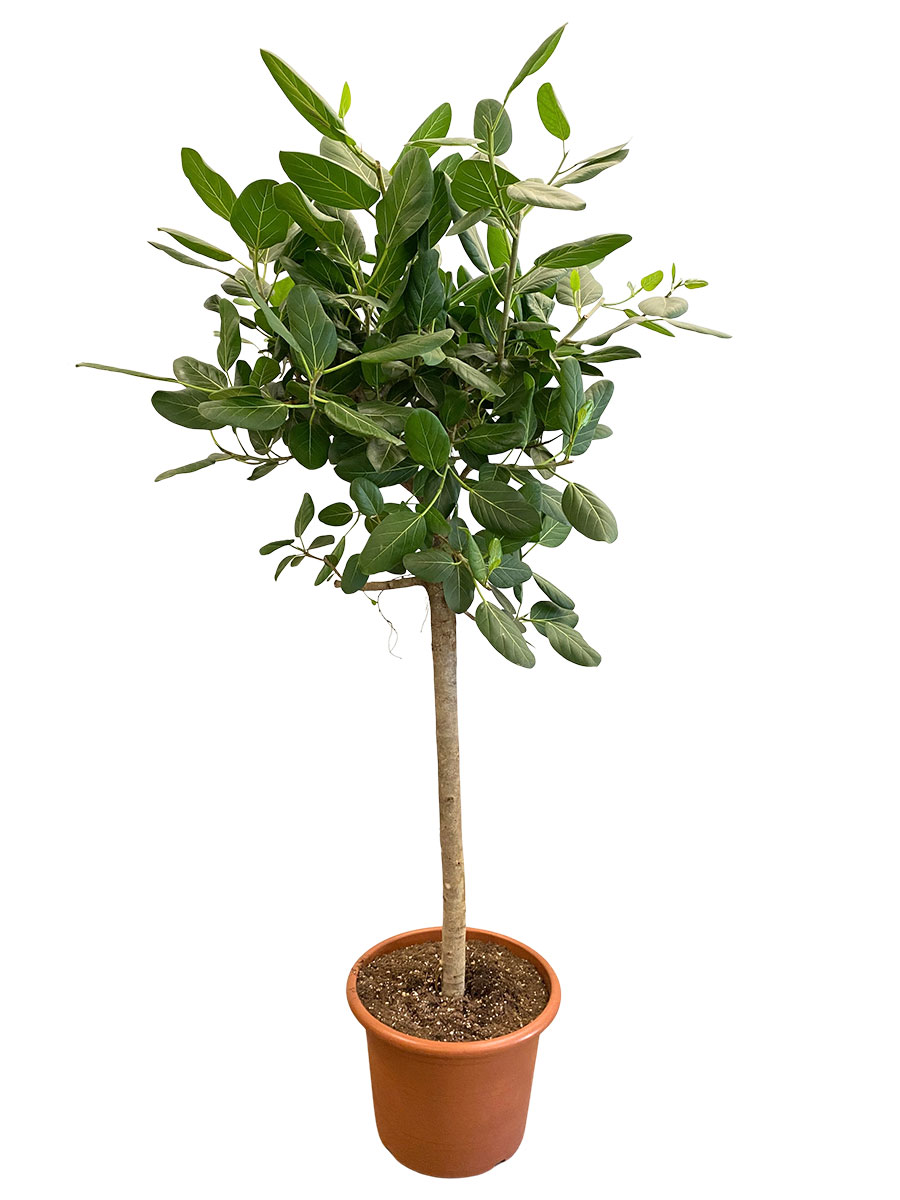
Ficus Altissima

Topfdurchmesser 21cm

Topfhöhe ab Boden 100cm ±

History of the Ficus altissima The Ficus altissima is an impressive tropical fig tree, distinguished by its large, glossy leaves and its strong, upright growth. The leaves are oval to elliptical and a rich green with clearly visible veins. Young leaves may first emerge light green to slightly reddish and later turn a strong green. Ficus altissima originally comes from the tropical regions of South and Southeast Asia. In its natural habitat it can grow into a stately tree and sometimes starts life as a so-called strangler fig on other trees. As a houseplant it stays much more compact and over time forms an attractive small indoor tree. Care as a houseplant: • Light: Bright spot with plenty of indirect light. A few hours of morning or evening sun are well tolerated. With too little light, growth can become weaker. • Temperature: 18–27 °C is optimal; avoid temperatures below 15 °C where possible. • Humidity: Medium to high; normal indoor air is usually tolerated, but slightly higher humidity supports healthy leaf growth. • Substrate: Loose, nutrient-rich and free-draining houseplant substrate. Good drainage is important, as waterlogging can lead to root problems. • Watering: Water moderately. Let the top layer of substrate dry out slightly between waterings and let excess water drain away. • Feeding: During the growing season, feed about every 2–4 weeks with a liquid fertiliser for foliage plants. • Special features: As it ages, Ficus altissima develops strong, tree-like growth. A bright spot encourages a dense, well-balanced crown. After a change of location it may temporarily drop leaves – Ficus species often react sensitively to change. Overwintering tips: In winter, keep it as bright as possible and water a little less. Temperatures should stay as constant as possible above 15–16 °C. Avoid cold draughts, strong temperature fluctuations and placing it right next to radiators. With less light, the plant needs correspondingly less water.

CHF 99.90*

Delivery time 2 - 7 working days

Available
New
Item no. 4278
Ficus Amstel King Spiral Stem

Topfdurchmesser 30cm

Topfhöhe ab Boden 140cm ±

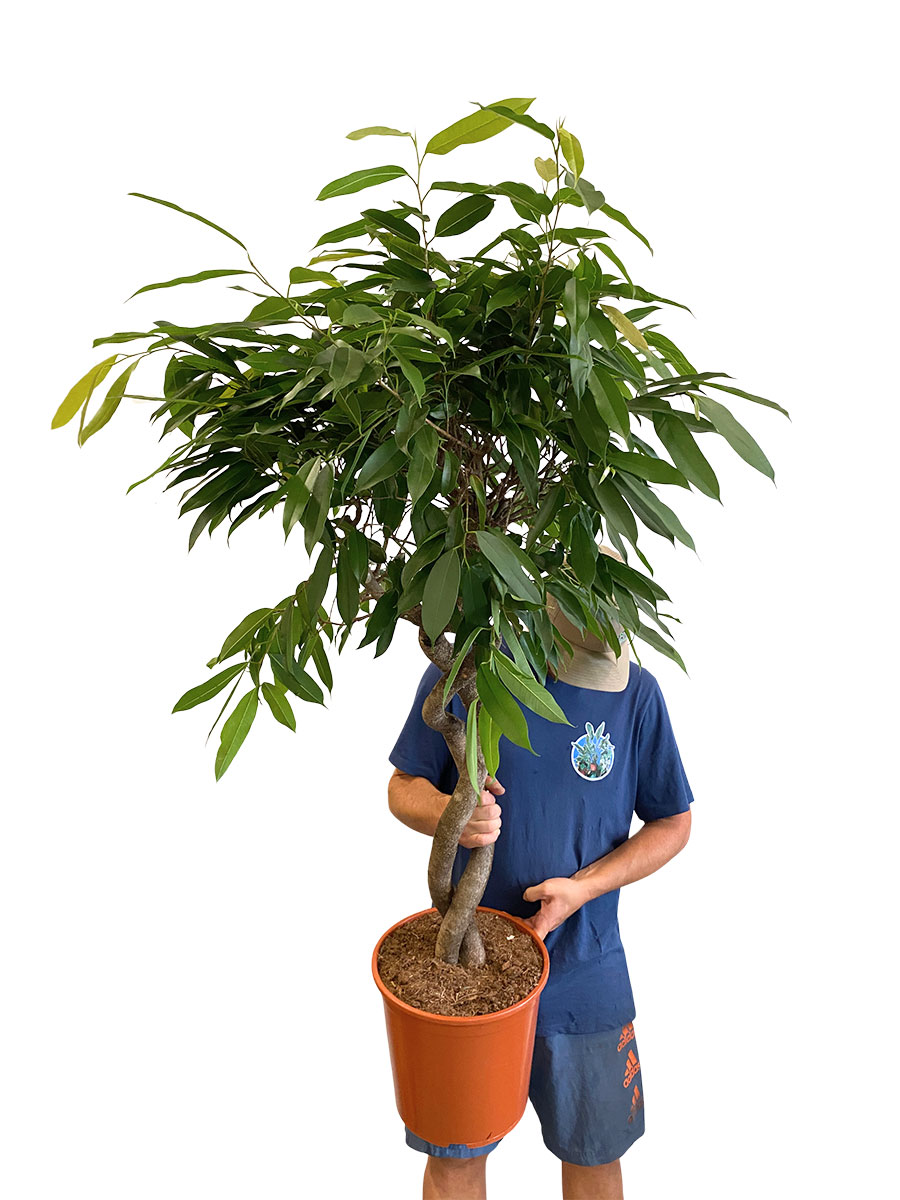
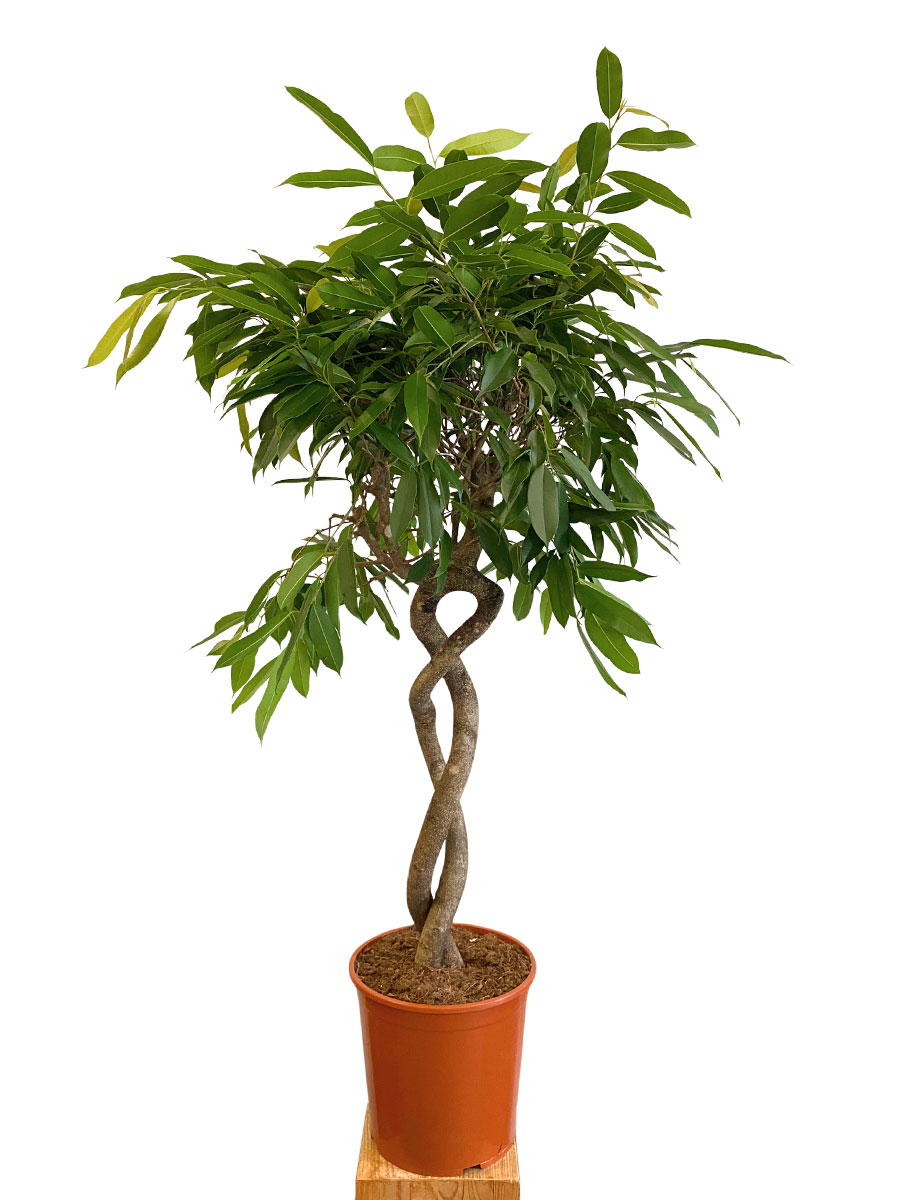
History of the Ficus Amstel KingThe Ficus Amstel King is an elegant cultivar from the fig family and is descended from species originating in Southeast Asia. This houseplant is characterised by its long, narrow, glossy green leaves, which give it a particularly modern and light appearance. Thanks to its upright growth, it is ideal for living spaces, offices or conservatories.Care as a houseplant:Light: Bright spot with plenty of indirect light; tolerates some morning or evening sun.Temperature: Ideally 18–26 °C; do not keep below 15 °C.Humidity: Moderate to high; occasional misting promotes healthy foliage.Substrate: Loose, free-draining substrate with added drainage material (e.g. perlite or sand).Watering: Keep evenly moist, but avoid waterlogging. The top layer of soil should dry out slightly before the next watering.Feeding: Feed every 2–4 weeks with liquid fertiliser during the growing season.Special features: This houseplant is sensitive to changes of location and draughts – a constant spot is ideal.Overwintering tipsWater less in winter and make sure it gets enough light. Temperatures should not drop below 15 °C. Ficus Amstel King is a stylish, easy-care houseplant whose slender growth creates a modern ambience.

CHF 249.90*

Delivery time 2 - 7 working days

Available
Item no. 775
Ficus Elastica Robusta Trunk - Large

Topfdurchmesser 40cm

Topfhöhe ab Boden 170cm ±

History of the rubber plant El Robusta The rubber plant El Robusta (Ficus elastica) is a particularly vigorous cultivar of the classic rubber plant. The species originally comes from South-East Asia, where it grows into stately trees in tropical forests. It became popular as a houseplant in Europe in the 19th century and is still a classic today, valued for its robust growth and its large, glossy, dark green leaves. Care as a houseplant: Light: Bright spot with plenty of indirect light; partial shade is also tolerated. Temperature: Ideally 18–25 °C; do not keep below 15 °C. Humidity: Medium; occasionally wiping or misting the leaves keeps them glossy and healthy. Substrate: Loose, humus-rich substrate with good drainage. Watering: Water moderately; let the soil dry out slightly before watering again. Be sure to avoid waterlogging. Feeding: Every 2–4 weeks during the growing season with fertiliser for foliage plants. Special features: This houseplant is very long-lived, easy to care for and can be kept compact by pruning or grown into a large specimen plant. Overwintering tips: Water less in winter and make sure temperatures stay evenly warm. The rubber plant El Robusta is a classic and robust houseplant that brings timeless elegance to any room.

CHF 499.90*

Delivery time 2 - 7 working days

Original
Item no. 4208
Fiddle-Leaf Fig Ficus lyrata Multi-Stem

Topfdurchmesser 40cm

Topfhöhe ab Boden 200cm + ±

History of the fiddle-leaf fig Ficus Lyrata The fiddle-leaf fig Ficus Lyrata comes from the tropical rainforests of West Africa and is a popular houseplant thanks to its large, fiddle-shaped leaves. In the wild it can grow up to 15 metres tall, whereas as a houseplant it usually stays more compact. Its striking foliage makes it an elegant eye-catcher in living spaces. Care as a houseplant: Light: Bright, indirect light; too little light leads to slow growth. Temperature: Ideally 18–25 °C; no cold draughts or sudden temperature fluctuations. Humidity: Moderate to high; occasional misting promotes healthy leaves. Substrate: Free-draining, humus-rich potting soil with sand or perlite for better aeration. Watering: Water moderately; only once the top layer of soil is dry. Be sure to avoid waterlogging. Feeding: Every 2–4 weeks during the growing season with a weak liquid fertiliser. Special features: An impressive houseplant that, with the right care, grows into an imposing eye-catcher. Overwintering tips: Water less and keep away from heaters and draughts. The fiddle-leaf fig Ficus Lyrata remains an attractive houseplant all year round, stylishly complementing modern living spaces.

On request


Available
Item no. 3238
Ficus Lyrata Variegata

Topfdurchmesser 12cm

Topfhöhe ab Boden 20cm ±

History of the Ficus lyrata Variegata The Ficus lyrata Variegata, also called the variegated fiddle-leaf fig, is a rare and particularly decorative variety of the popular Ficus lyrata. It originally comes from the tropical rainforests of West Africa, where it reaches impressive heights as a tree. Indoors, it is valued as an exclusive houseplant, above all for its large, violin-shaped leaves, which are enhanced by cream-white to light green variegation. Care as a houseplant: Light: Bright spot with plenty of indirect light; no direct midday sun. Temperature: Ideally 18–27 °C; do not keep below 15 °C. Humidity: Medium to high; regular misting of the leaves promotes its well-being. Substrate: Well-draining, humus-rich substrate; ideally mixed with some perlite or coconut fibre. Watering: Keep evenly moist, but avoid waterlogging; allow to dry out slightly between waterings. Feeding: Every 2–4 weeks with liquid fertiliser during the growing season. Special features: This houseplant is sensitive to changes of position and draughts – better to find the perfect spot once and leave it there. Overwintering tips: In winter, water less, but ensure there is enough light. Ficus lyrata Variegata is an exquisite houseplant that delights with its exceptional leaf markings and elegant growth.

CHF 39.90*

Delivery time 2 - 7 working days

Available
New
Item no. 4249
Ficus Benghalensis Audrey Stem

Topfdurchmesser 35cm

Topfhöhe ab Boden 140cm ±

History of the banyan tree (Ficus benghalensis) The majestic Ficus benghalensis, also known as the banyan tree, originally comes from India and Sri Lanka and is one of the most impressive members of the fig family. In the wild, its aerial roots form veritable tree landscapes and it can overgrow entire areas. As a houseplant , it is valued for its decorative foliage and tree-like growth. In homes it stays much smaller, but still brings a tropical flair to the room. Care as a houseplant: Light: Bright spot with plenty of indirect light; some direct sun is tolerated. Temperature: Ideally 18–28 °C; do not keep below 15 °C. Humidity: Medium to high; occasional misting can help, especially in winter. Substrate: Free-draining, nutrient-rich soil; a mix with some sand or perlite is ideal. Watering: Water moderately; let the soil dry out slightly before the next watering. Avoid waterlogging. Feeding: Roughly every 4 weeks during the growing season with foliage plant fertiliser. Special features: This houseplant forms aerial roots, which can develop when humidity is high. Overwintering tips: In winter, water less and make sure it gets enough light. The banyan tree is an imposing yet hardy houseplantthat really comes into its own indoors when given enough space.

CHF 399.90*

Delivery time 2 - 7 working days

Available
New
Item no. 4248
Ficus Benghalensis Audrey Stem

Topfdurchmesser 34cm

Topfhöhe ab Boden 140cm ±

History of the banyan tree (Ficus benghalensis) The majestic Ficus benghalensis, also known as the banyan tree, originally comes from India and Sri Lanka and is one of the most impressive members of the fig family. In the wild, its aerial roots form veritable tree landscapes and it can overgrow entire areas. As a houseplant , it is valued for its decorative foliage and tree-like growth. In homes it stays much smaller, but still brings a tropical flair to the room. Care as a houseplant: Light: Bright spot with plenty of indirect light; some direct sun is tolerated. Temperature: Ideally 18–28 °C; do not keep below 15 °C. Humidity: Medium to high; occasional misting can help, especially in winter. Substrate: Free-draining, nutrient-rich soil; a mix with some sand or perlite is ideal. Watering: Water moderately; let the soil dry out slightly before the next watering. Avoid waterlogging. Feeding: Roughly every 4 weeks during the growing season with foliage plant fertiliser. Special features: This houseplant forms aerial roots, which can develop when humidity is high. Overwintering tips: In winter, water less and make sure it gets enough light. The banyan tree is an imposing yet hardy houseplantthat really comes into its own indoors when given enough space.

CHF 299.90*

Delivery time 2 - 7 working days

Available
Item no. 060
Weeping Fig Ficus Benjamina Danielle

Topfdurchmesser 21cm

Topfhöhe ab Boden 100cm ±

History of the weeping fig Danielle (Ficus benjamina Danielle) The weeping fig Danielle is one of the best-known and most popular houseplants worldwide. This variety of Ficus benjamina comes from the tropical and subtropical regions of Asia and Australia. Its glossy, dark green leaves and elegant, compact growth make it a perfect choice for interiors. The weeping fig Danielle is not only decorative, but is also one of the houseplants that can filter and improve indoor air. It has been a classic among houseplants for decades and enjoys great popularity. Care as a houseplant: Light: A bright position is ideal, but without direct midday sun. This houseplant also tolerates semi-shaded spots well. Temperature: Optimal temperatures are between 18–25 °C; it should be protected from draughts and temperature fluctuations. Humidity: Houseplants such as the weeping fig appreciate slightly increased humidity, especially in winter. Regular misting is helpful. Substrate: A loose, well-draining potting soil is ideal for this houseplant. Watering: Keep evenly moist, without waterlogging. The top layer of soil should have dried out slightly before watering. Feeding: During the growing season, feed every 4 weeks with a liquid fertiliser for houseplants. Special features: As an easy-care houseplant, the weeping fig Danielle is suitable for beginners and experienced plant lovers alike. Overwintering tips: A bright position is important in winter, as houseplants such as the weeping fig get less light. Reduce watering, but do not let it dry out. With the right care, this classic houseplant remains a long-lived and magnificent companion in your home.

CHF 79.90*

Delivery time 2 - 7 working days

Available
New
Item no. 3261
Ficus Amstel King Stem - Large

Topfdurchmesser 40cm

Topfhöhe ab Boden 170cm ±

History of the Ficus Amstel King The Ficus Amstel King is a popular houseplant belonging to the mulberry family (Moraceae). This variety is a cultivar of Ficus elastica and originally comes from the tropical regions of Asia. Ficus Amstel King is characterised by its large, glossy leaves, which are a deep green and spread out elegantly. This plant is known for its robustness and adaptability, which makes it an excellent choice for living spaces and offices. Care as a houseplant: Light: Bright spot with plenty of indirect light; direct midday sun should be avoided. Temperature: Ideally 18–25 °C; do not keep below 10 °C. Humidity: Moderate; occasional misting of the leaves is beneficial. Substrate: Free-draining potting soil with a high humus content. Watering: Water moderately; the top layer of soil should dry out between waterings; avoid waterlogging. Feeding: Every 4–6 weeks with a liquid fertiliser during the growing season. Special features: This houseplant grows relatively quickly and can be kept in shape with regular pruning. Overwintering tips: In winter, reduce watering and place the plant in a bright spot where the temperature does not drop below 10 °C. Ficus Amstel King is an attractive, easy-care houseplant whose lush foliage enhances any home.

CHF 499.90*

Delivery time 2 - 7 working days

Available
Item no. 1FINIGS18
Hydro - Weeping Fig Ficus Nitida Stem

Topfdurchmesser 25/19

Topfhöhe ab Boden 120cm ±

History of the weeping fig Ficus benjamina NitidaThe Ficus benjamina Nitida, a variety of the classic weeping fig, originally comes from the tropical and subtropical regions of Asia and Australia. With its dense, glossy green foliage and elegant growth, it is one of the most popular houseplants. It is ideal for homes, offices and conservatories and contributes to a pleasant indoor climate.Care in hydrocultureLight: Bright spot with plenty of indirect light. Morning or evening sun is well tolerated, but intense midday sun should be avoided.Temperature: 18–28 °C is ideal. Temperatures below 12 °C should be avoided.Humidity: Medium to high. With dry heating air, the plant appreciates occasional misting of its leaves.Substrate: Hydroculture with expanded clay and a matching nursery pot including a water level indicator.Watering: Only top up when the water level indicator shows Minimum . Then fill up to the optimum mark . A permanently high water level should be avoided.Feeding: During the growing season, feed every 2–4 weeks with a special hydroculture fertiliser.Special features: The Ficus benjamina 'Nitida' is sensitive to frequent changes of position, draughts and sharp fluctuations in temperature. In such cases, it may temporarily drop leaves. After a period of acclimatisation, however, the plant usually reliably puts out new growth again.Overwintering tipsDuring the winter months, the plant needs less water and fertiliser. A spot that is as bright as possible and temperatures above 12 °C help to prevent leaf loss. The water level should be checked regularly in the cold season too, as water consumption is significantly lower.

CHF 249.90*

Delivery time 2 - 7 working days

Available
Item no. 4055
Ficus Altissima Yellow Gem

Topfdurchmesser 21cm

Topfhöhe ab Boden 100cm ±

History of the Ficus altissima Yellow Gem Ficus altissima Yellow Gem is an elegant and decorative houseplant that delights above all with its strikingly variegated leaves. The glossy, oval leaves show a harmonious interplay of rich green and bright yellow-green shades, which gives the plant its characteristic name. Ficus altissima originally comes from the tropical regions of Southeast Asia, where it grows into a stately tree. As a houseplant, the Yellow Gem variety brings a modern, fresh atmosphere to living and working spaces. Care as a houseplant: • Light: Bright spot with plenty of indirect light; avoid direct midday sun. • Temperature: Ideally 18–27 °C; temperatures below 15 °C should be avoided. • Humidity: Medium to slightly increased; normal room air is well tolerated. • Substrate: Loose, free-draining foliage plant substrate with some perlite or sand. • Watering: Water moderately; let the substrate dry out slightly between waterings. Avoid waterlogging. • Feeding: During the growing season, every 2–4 weeks with a liquid fertiliser for foliage plants. • Special features: The light-coloured parts of the leaves look particularly beautiful in a bright location. Overwintering tips: Water a little less in winter and keep it in a bright spot. Temperatures should remain as constantly as possible above 16 °C. Ficus altissima Yellow Gem is an easy-care and stylish houseplant that adds a fresh accent to your living space with its yellow-green variegated leaves.

CHF 89.90*

Delivery time 2 - 7 working days

Available
Bestseller
Item no. 127
Ficus Microcarpa Ginseng

Topfdurchmesser 17cm

Topfhöhe ab Boden 40cm ±

History of the S-shaped ginseng fig The ginseng fig, also known as Ficus microcarpa Ginseng, is a fascinating houseplant that impresses with its sculptural, tuber-like roots and curved S-shape. Originally from Southeast Asia, it is a popular choice for bonsai lovers and anyone who wants to give their home a touch of Zen. Its robustness and decorative appearance make it a valued houseplant that is a highlight in both modern and traditional interiors. Care as a houseplant: Light: Bright to partially shaded spot, no direct midday sun. A place near an east- or west-facing window is ideal. Temperature: Ideally 18–24 °C, at least 15 °C in winter. Humidity: Average; occasional misting of the leaves can be helpful. Substrate: Well-draining soil, e.g. a mix of potting soil and sand or special bonsai substrate. Watering: Water when the top layer of soil has dried out slightly. Be sure to avoid waterlogging, as it can damage the roots. Feeding: Every 4–6 weeks during the growing phase with a weak liquid houseplant fertiliser. Special features: This houseplant should be turned regularly so that it grows evenly, and it does not like sudden changes of location. Overwintering tips: In winter, the ginseng fig needs constant temperatures of at least 15 °C. Reduce the amount of water, as its water requirement drops during the rest period. Make sure not to place the plant near radiators or in draughty areas. A bright spot without direct sunlight remains important to promote healthy growth.

CHF 34.90*

Delivery time 2 - 7 working days

Available
Item no. 4164
Ficus Benghalensis Audrey Stem XXL

Topfdurchmesser 45cm

Topfhöhe ab Boden 180cm ±

History of the banyan tree (Ficus benghalensis) The majestic Ficus benghalensis, also known as the banyan tree, originally comes from India and Sri Lanka and is one of the most impressive members of the fig family. In the wild, its aerial roots form veritable tree landscapes and it can overgrow entire areas. As a houseplant , it is valued for its decorative foliage and tree-like growth. In homes it stays much smaller, but still brings a tropical flair to the room. Care as a houseplant: Light: Bright spot with plenty of indirect light; some direct sun is tolerated. Temperature: Ideally 18–28 °C; do not keep below 15 °C. Humidity: Medium to high; occasional misting can help, especially in winter. Substrate: Free-draining, nutrient-rich soil; a mix with some sand or perlite is ideal. Watering: Water moderately; let the soil dry out slightly before the next watering. Avoid waterlogging. Feeding: Roughly every 4 weeks during the growing season with foliage plant fertiliser. Special features: This houseplant forms aerial roots, which can develop when humidity is high. Overwintering tips: In winter, water less and make sure it gets enough light. The banyan tree is an imposing yet hardy houseplantthat really comes into its own indoors when given enough space.

CHF 799.90*

Delivery time 2 - 7 working days

Available
Item no. 4142
Ficus Benjamina Twilight

Topfdurchmesser 14cm

Topfhöhe ab Boden 55cm ±

History of the weeping fig Twilight The weeping fig Twilight (Ficus benjamina ‘Twilight’) is a decorative variety of the classic weeping fig and belongs to the mulberry family (Moraceae). The species originally comes from the tropical regions of Asia and Australia, where it grows into large trees in the wild. The ‘Twilight’ variety is characterised by its green-and-white variegated leaves, which give it a particularly elegant look. This popular houseplant is not only an eye-catcher but is also known for improving air quality. Care as a houseplant: Light: Bright spot with plenty of indirect light; direct sun is well tolerated. Temperature: 18–26 °C is optimal; avoid temperatures below 15 °C. Humidity: Medium to high (50–70%); occasional misting is beneficial. Substrate: Loose, free-draining substrate with good drainage, e.g. a mix of potting soil, sand and perlite. Watering: Keep evenly moist but avoid waterlogging; only water once the top layer of soil is dry. Feeding: From spring to autumn, every 2–4 weeks with liquid fertiliser for foliage plants. Special features: This houseplant can react sensitively to changes of location and shed leaves – but it usually recovers quickly. Overwintering tips: The temperature should not drop below 15 °C, and watering should be reduced slightly in winter. A stable location with high humidity helps to prevent leaf drop. This easy-care houseplant brings tropical flair to any home with its elegant foliage.

CHF 24.90*

Delivery time 2 - 7 working days

Available
Item no. 4149
Ficus Benghalensis Audrey Braided Stem

Topfdurchmesser 31cm

Topfhöhe ab Boden 140cm ±

History of Ficus benghalensis Audrey Ficus benghalensis Audrey is an elegant, modern houseplant that delights with its large, velvety-looking leaves. The matt green leaves with pale veins give the plant a calm and stylish appearance. Ficus benghalensis originally comes from India, where it is one of the impressive banyan trees that can form huge crowns and aerial roots. The Audrey variety is a more compact form and is ideal as a decorative houseplant for homes and workspaces. Care as a houseplant: • Light: Bright spot with plenty of indirect light; tolerates some morning or evening sun well. • Temperature: Ideally 18–27 °C; temperatures below 15 °C should be avoided. • Humidity: Medium; normal indoor air is well tolerated. • Substrate: Loose, free-draining foliage plant substrate with some perlite or sand. • Watering: Water moderately; let the substrate dry out slightly between waterings. Avoid waterlogging. • Feeding: During the growing season, every 2–4 weeks with a liquid fertiliser for foliage plants. • Special features: The velvety-looking leaves and pale leaf veins give the plant a particularly elegant appearance. Overwintering tips: In winter, water a little less and keep it in a bright position. Avoid draughts and keep temperatures as constant as possible above 16 °C. Ficus benghalensis Audrey is a stylish, easy-care houseplant whose elegant growth and large leaves add a modern touch to any living space.

CHF 299.90*

Delivery time 2 - 7 working days

Available
Item no. F3282
Ficus Elastica Abidjan Column XL

Topfdurchmesser 50cm

Topfhöhe ab Boden 180cm ±

Ready-made planting

History of the rubber plant Ficus elastica Abidjan The rubber plant (Ficus elastica Abidjan) is a decorative variety of the classic Ficus elastica and originally comes from the tropical regions of Southeast Asia. The variety Abidjan is characterised by its deep dark red to almost black, glossy leaves, which give it a particularly elegant appearance. Rubber plants used to be grown for rubber production; today they are very popular as robust, long-lived houseplants. Care as a houseplant: Light: Bright spot with plenty of indirect light; partially shaded spots are well tolerated. Temperature: Ideally 18–25 °C; do not keep below 15 °C for long periods. Humidity: Moderate; occasional misting promotes glossy leaves. Substrate: Loose, well-draining substrate, e.g. potting soil with sand or perlite. Watering: Water moderately; the top layer of soil should dry out between waterings. Avoid waterlogging. Feeding: Every 2–4 weeks with liquid fertiliser during the growing season. Special features: An easy-care houseplant that perfectly complements modern living spaces with its dark, elegant leaves. Overwintering tips: Water more sparingly in winter and do not keep below 15 °C. The Ficus elastica Abidjan is a reliable, decorative houseplant that is ideal for beginners and collectors alike.

CHF 499.90*

Delivery time 2 - 7 working days

Available
Bestseller
Item no. 790
Fiddle-Leaf Fig Ficus Lyrata Bush

Topfdurchmesser 34cm

Topfhöhe ab Boden 130cm ±

History of the fiddle-leaf fig Ficus Lyrata The fiddle-leaf fig Ficus Lyrata comes from the tropical rainforests of West Africa and is a popular houseplant thanks to its large, violin-shaped leaves. In the wild it can grow up to 15 metres tall, while as a houseplant it usually stays more compact. Its striking foliage makes it an elegant eye-catcher in living spaces. Care as a houseplant: Light: Bright, indirect light; too little light leads to slow growth. Temperature: Ideally 18–25 °C; no cold draughts or sudden temperature fluctuations. Humidity: Moderate to high; occasional misting promotes healthy leaves. Substrate: Free-draining, humus-rich potting soil with sand or perlite for better aeration. Watering: Water moderately; only once the top layer of soil is dry. Be sure to avoid waterlogging. Feeding: Every 2–4 weeks during the growing season with a weak liquid fertiliser. Special features: An impressive houseplant that, with the right care, grows into an imposing eye-catcher. Overwintering tips: Water less and keep away from radiators and draughts. The fiddle-leaf fig Ficus Lyrata remains an attractive houseplant all year round and stylishly complements modern living spaces.

CHF 299.90*

Delivery time 2 - 7 working days

Available
Item no. 4098
Ficus Elastica Melany

Topfdurchmesser 14cm

Topfhöhe ab Boden 40cm ±

History of the Ficus elastica Melany® The rubber plant Ficus elastica Melany® is an elegant, easy-care houseplant that delights with its deep dark green, glossy leaves. Compared with the classic rubber plant, the Melany® variety grows more compactly and bushily, making it ideal for homes and offices. Ficus elastica originally comes from the tropical regions of South and Southeast Asia, where it grows into a stately tree. As a houseplant, it has been a classic for decades and is valued for its robust nature and air-improving properties. Care as a houseplant: • Light: Bright to partially shaded spot with plenty of indirect light; avoid direct midday sun. • Temperature: 18–26 °C is ideal; temperatures below 15 °C should be avoided. • Humidity: Medium; normal indoor air is well tolerated. • Substrate: Loose, free-draining foliage plant substrate with some perlite or sand. • Watering: Water moderately; let the substrate dry out slightly between waterings. Avoid waterlogging. • Feeding: During the growing season, every 2–4 weeks with a liquid fertiliser for foliage plants. • Special features: Compact growth and particularly decorative, dark glossy leaves. Overwintering tips: Water a little less in winter and keep it in a bright spot. Avoid draughts and keep temperatures as constantly as possible above 16 °C. The rubber plant Ficus elastica Melany® is a stylish, easy-care houseplant that adds a modern touch with its compact growth and elegant leaves.

CHF 29.90*

Delivery time 2 - 7 working days

Available
Item no. 3013
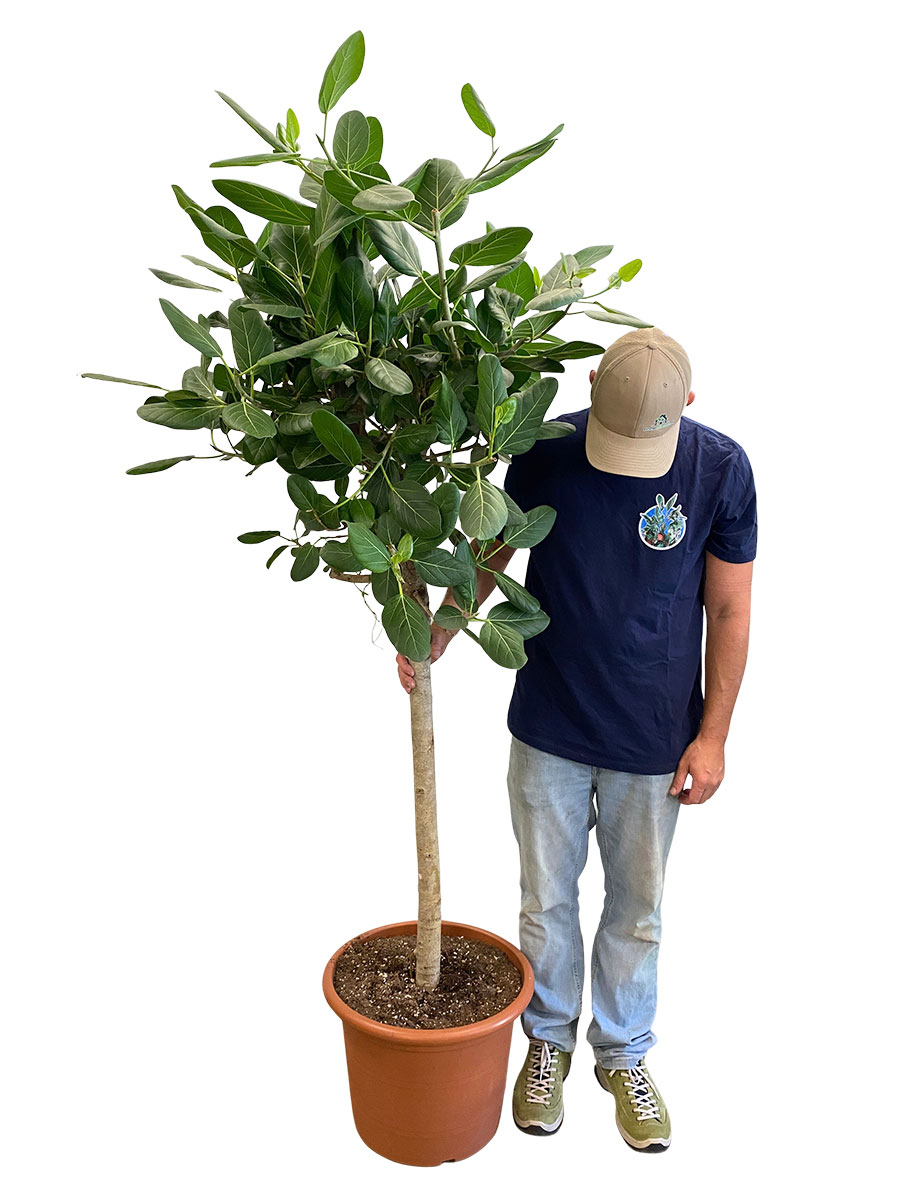
Banyan Tree Ficus Benghalensis - Large

Topfdurchmesser 45cm

Topfhöhe ab Boden 200cm ±

History of the banyan tree (Ficus benghalensis) The majesticFicus benghalensis, also known as the banyan tree, originally comes from India and Sri Lanka and is one of the most impressive members of the fig family. In the wild, its aerial roots form veritable tree landscapes and it can overgrow entire areas. As a houseplant , it is valued for its decorative foliage and tree-like growth. In homes it stays much smaller, but still brings a tropical flair to the room. Care as a houseplant: Light: Bright spot with plenty of indirect light; some direct sun is tolerated. Temperature: Ideally 18–28 °C; do not keep below 15 °C. Humidity: Medium to high; occasional misting can help, especially in winter. Substrate: Free-draining, nutrient-rich soil; a mix with some sand or perlite is ideal. Watering: Water moderately; let the soil dry slightly before the next watering. Avoid waterlogging. Feeding: Roughly every 4 weeks during the growing season with foliage plant fertiliser. Special features: This houseplant forms aerial roots, which can develop when humidity is high. Overwintering tips: In winter, water less and make sure it gets enough light. The banyan tree is an imposing yet hardy houseplantthat really comes into its own indoors when given enough space.

CHF 599.90*

Delivery time 2 - 7 working days

Available
Item no. 311
Fiddle-Leaf Fig Ficus lyrata Branched

Topfdurchmesser 50cm

Topfhöhe ab Boden 220cm ±

History of the fiddle-leaf fig (Ficus lyrata) The fiddle-leaf fig (Ficus lyrata) originally comes from the tropical rainforests of West Africa and has become one of the most popular houseplants worldwide. Known for its large, glossy, fiddle-shaped leaves, it gives any room a modern, tropical flair. Its striking look makes it a popular statement in stylish homes and business premises. Care as a houseplant: Light: Bright spot with plenty of indirect light; direct, intense sunlight should be avoided to prevent leaf scorch. Temperature: Ideally 18–26 °C; temperatures below 15 °C should be avoided. Humidity: Moderate to high humidity is ideal; occasional misting supports the plant's well-being. Substrate: Free-draining, humus-rich substrate, for example a mix of potting soil, perlite and a little sand, ensures optimal drainage. Watering: Water evenly, making sure that the top layer of soil dries out between waterings; avoid waterlogging. Feeding: During the growing season (spring to autumn), feed every 2–4 weeks with a balanced liquid fertiliser for foliage plants. Overwintering tips: In winter, the fiddle-leaf fig should be placed in a bright, draught-free position. Watering should be reduced, as growth slows down during this time, and temperatures should not drop below 15 °C to avoid cold damage.

CHF 999.90*

Delivery time 2 - 7 working days

Available
Item no. 066
Ficus Exotica Double Spiral - Large

Topfdurchmesser 40cm

Topfhöhe ab Boden 170cm ±

History of the weeping fig Exotica Double Spiral The weeping fig Exotica Double Spiral is a particularly elegant form of the popular Ficus benjamina. It is characterised by its glossy, rich green leaves and its artfully braided, double-spiral trunk, which gives the plant a modern, stylish appearance. The weeping fig originally comes from the tropical and subtropical regions of Asia and Australia, where it grows into a stately tree. It has been a classic houseplant for many years and creates a harmonious, green ambience. Care as a houseplant: • Light: Bright spot with plenty of indirect light; avoid direct midday sun. • Temperature: 18–26 °C is ideal; temperatures below 15 °C should be avoided. • Humidity: Medium; normal room air is well tolerated, occasional misting is beneficial. • Substrate: Loose, free-draining foliage plant substrate. • Watering: Water moderately; let the substrate dry out slightly between waterings. Avoid waterlogging. • Feeding: During the growing season, every 2–4 weeks with a liquid fertiliser for foliage plants. • Special features: The artful double spiral makes this weeping fig a decorative eye-catcher in living spaces and offices. Overwintering tips: In winter, water a little less and keep it in a bright spot. Avoid draughts and frequent changes of position, as the plant can react sensitively to change. The weeping fig Exotica Double Spiral is a stylish, easy-care houseplant whose shapely growth creates an elegant atmosphere.

CHF 499.90*

Delivery time 2 - 7 working days

Available
Bestseller
Item no. V10
Ficus Lyrata Branched - Vulka

Vulkastrat

Topfdurchmesser 32cm

Topfhöhe ab Boden 100cm ±

Ready-made planting

History of the fiddle-leaf fig (Ficus lyrata) The fiddle-leaf fig, botanically known as Ficus lyrata , originally comes from the tropical regions of West Africa. Its name derives from its large, violin-shaped leaves, which make it a striking and popular houseplant. With its imposing growth and eye-catching, glossy leaves, the fiddle-leaf fig brings a modern, urban flair to living spaces. It is particularly eye-catching as a solitary plant and is often used as a style statement in interiors. Care as a houseplant: Light: Bright spot with plenty of indirect light, as close to a window as possible. Direct midday sun should be avoided. Temperature: Ideally 18–25 °C. In winter, the temperature must not drop below 15 °C. Humidity: Average to slightly increased. Regular misting helps to compensate for dry heating air. Substrate: Free-draining potting soil, ideally mixed with sand or perlite to prevent waterlogging. Watering: Water moderately so that the top layer of soil dries out slightly between waterings. Avoid waterlogging, as the plant is sensitive to it. Feeding: Feed every 2–4 weeks with a liquid fertiliser for foliage plants during the growing season from spring to autumn. Feed only rarely in winter. Repotting: Repot young plants every 1–2 years. Older plants only when necessary, about every 3 years. Overwintering tips: During the winter months, the fiddle-leaf fig should be kept in a bright room at a minimum of 15 °C. Avoid draughts and cold windows, as it is sensitive to them. Reduce watering, but do not let the substrate dry out completely. Regularly wiping the large leaves keeps them free of dust and promotes photosynthesis.

CHF 299.90*

Delivery time 2 - 7 working days

Available
Item no. 1406
Ficus Amstel King Braided Standard

Topfdurchmesser 30cm

Topfhöhe ab Boden 130cm ±

History of the Ficus Amstel KingThe Ficus Amstel King is an elegant cultivar from the fig family and is descended from species originating in Southeast Asia. This houseplant is characterised by its long, narrow, glossy green leaves, which give it a particularly modern and light appearance. Thanks to its upright growth, it is ideal for living spaces, offices or conservatories.Care as a houseplant:Light: Bright spot with plenty of indirect light; tolerates some morning or evening sun.Temperature: Ideally 18–26 °C; do not keep below 15 °C.Humidity: Moderate to high; occasional misting promotes healthy foliage.Substrate: Loose, free-draining substrate with added drainage material (e.g. perlite or sand).Watering: Keep evenly moist, but avoid waterlogging. The top layer of soil should dry out slightly before the next watering.Feeding: Feed every 2–4 weeks with liquid fertiliser during the growing season.Special features: This houseplant is sensitive to changes of location and draughts – a constant spot is ideal.Overwintering tipsWater less in winter and make sure it gets enough light. Temperatures should not drop below 15 °C. Ficus Amstel King is a stylish, easy-care houseplant whose slender growth creates a modern ambience.

CHF 199.90*

Delivery time 2 - 7 working days

Available
Item no. 4045
Ficus Lyrata Stem 90cm

Topfdurchmesser 21cm

Topfhöhe ab Boden 95cm ±

History of the fiddle-leaf fig (Ficus lyrata) The fiddle-leaf fig (Ficus lyrata) is an impressive houseplant that originally comes from the tropical forests of West Africa. It owes its name to its large, glossy, violin-shaped leaves, which catch the eye immediately. In its natural habitat, the fiddle-leaf fig can grow into a tree of impressive size, but as a houseplant it is cultivated to manageable dimensions. It has become very popular, especially in modern interiors, thanks to its striking appearance and robust growth. Care as a houseplant: Light: Bright position with plenty of indirect light; the plant also tolerates a few hours of direct sun, but should not be exposed to blazing midday sun for long periods. Temperature: Temperatures between 18–24 °C are ideal; it does not like draughts or temperatures below 15 °C. Humidity: Average room air is sufficient, but regular misting of the leaves promotes health and prevents dust from building up. Substrate: Well-draining, humus-rich potting soil with a small proportion of sand or perlite. Watering: Water moderately so that the top layer of soil dries out slightly before the next watering; be sure to avoid waterlogging. Feeding: Feed every 4 weeks with a fertiliser for foliage plants during the growing season. Special features: The fiddle-leaf fig is an ideal houseplant for tall, light-flooded rooms and its large leaves contribute to a better indoor climate. Overwintering tips: In winter, reduce watering slightly, but do not let the soil dry out completely. Make sure it has a bright position and temperatures above 15 °C. This houseplant requires a little patience, but with the right care it grows into a magnificent eye-catcher.

CHF 79.90*

Delivery time 2 - 7 working days

Available
Item no. 4039
Ficus Benjamina Golden King

Topfdurchmesser 27cm

Topfhöhe ab Boden 130cm ±

History of the weeping fig Golden King The weeping fig (Ficus benjamina Golden King) is a variegated variety of the classic Ficus benjamina, which originally comes from Southeast Asia and Australia. This houseplant was bred for its decorative yellow-green leaves and elegant, slightly drooping growth and has been a popular classic in living rooms, conservatories and offices for decades. Care as a houseplant: Light: Bright spot with plenty of indirect light; a little morning or evening sun is well tolerated. Temperature: Ideally 18–25 °C; do not keep below 15 °C. Humidity: Moderate to high; mist occasionally, especially in winter. Substrate: Loose, well-drained substrate, e.g. potting soil with sand or perlite. Watering: Water evenly but sparingly; let the soil dry out slightly and avoid waterlogging. Feeding: Feed with liquid fertiliser every 2–4 weeks during the growing season. Special features: This houseplant is sensitive to changes of position and draughts, so leave it in one place if possible. Overwintering tips: In winter, water less and do not keep it below 15 °C. The weeping fig Golden King is an easy-care, elegant houseplant whose bright variegation makes any room look livelier.

CHF 129.90*

Delivery time 2 - 7 working days

Available
Item no. 3610
Ficus Benjamina Twilight

Topfdurchmesser 27cm

Topfhöhe ab Boden 140cm ±

History of the weeping fig Twilight The weeping fig Twilight (Ficus benjamina ‘Twilight’) is a decorative variety of the classic weeping fig and belongs to the mulberry family (Moraceae). The species originally comes from the tropical regions of Asia and Australia, where it grows into large trees in the wild. The ‘Twilight’ variety is characterised by its green-and-white variegated leaves, which give it a particularly elegant look. This popular houseplant is not only an eye-catcher but is also known for improving air quality. Care as a houseplant: Light: Bright spot with plenty of indirect light; direct sun is well tolerated. Temperature: 18–26 °C is optimal; avoid temperatures below 15 °C. Humidity: Medium to high (50–70%); occasional misting is beneficial. Substrate: Loose, free-draining substrate with good drainage, e.g. a mix of potting soil, sand and perlite. Watering: Keep evenly moist but avoid waterlogging; only water once the top layer of soil is dry. Feeding: From spring to autumn, every 2–4 weeks with liquid fertiliser for foliage plants. Special features: This houseplant can react sensitively to changes of location and shed leaves – but it usually recovers quickly. Overwintering tips: The temperature should not drop below 15 °C, and watering should be reduced slightly in winter. A stable location with high humidity helps to prevent leaf drop. This easy-care houseplant brings tropical flair to any home with its elegant foliage.

CHF 149.90*

Delivery time 2 - 7 working days

Available
Bestseller
Item no. 987
Ficus lyrata stem 160cm

Topfdurchmesser 30cm

Topfhöhe ab Boden 160cm ±

History of the fiddle-leaf fig Ficus Lyrata The fiddle-leaf fig Ficus Lyrata comes from the tropical rainforests of West Africa and is a popular houseplant thanks to its large, fiddle-shaped leaves. In the wild it can grow up to 15 metres tall, whereas as a houseplant it usually stays more compact. Its striking foliage makes it an elegant eye-catcher in living spaces. Care as a houseplant: Light: Bright, indirect light; too little light leads to slow growth. Temperature: Ideally 18–25 °C; no cold draughts or sudden temperature fluctuations. Humidity: Moderate to high; occasional misting promotes healthy leaves. Substrate: Free-draining, humus-rich potting soil with sand or perlite for better aeration. Watering: Water moderately; only once the top layer of soil is dry. Be sure to avoid waterlogging. Feeding: Every 2–4 weeks during the growing season with a weak liquid fertiliser. Special features: An impressive houseplant that, with the right care, grows into an imposing eye-catcher. Overwintering tips: Water less and keep away from heaters and draughts. The fiddle-leaf fig Ficus Lyrata remains an attractive houseplant all year round, stylishly complementing modern living spaces.

CHF 349.90*

Delivery time 2 - 7 working days

Available
Item no. 742
Ficus Elastica Robusta Column - Large

Topfdurchmesser 40cm

Topfhöhe ab Boden 200cm ±

History of the rubber plant El Robusta The rubber plant El Robusta (Ficus elastica) is a particularly strong and hardy variety of the classic rubber plant. Ficus elastica originally comes from the tropical regions of Southeast Asia, where it grows into a large tree. As a houseplant, El Robusta became very popular thanks to its thick, glossy dark green leaves and its great adaptability. It is regarded as a long-lived, timeless plant for the home and office. Care as a houseplant: Light: Bright spot with plenty of indirect light; partial shade is well tolerated. Temperature: Ideally 18–25 °C; do not keep below 15 °C. Humidity: Moderate; occasional misting is beneficial. Substrate: Loose, free-draining substrate with drainage, e.g. potting soil with perlite. Watering: Water moderately; let the soil dry out slightly before the next watering. Avoid waterlogging. Feeding: Every 2–4 weeks during the growing season with liquid fertiliser. Special features: This houseplant is particularly robust, air-purifying and ideal for beginners. Overwintering tips: Water more sparingly in winter and keep it in a bright, warm spot. The rubber plant El Robusta is an easy-care and very sturdy houseplant that will bring you joy for a long time with minimal effort.

CHF 579.90*

Delivery time 2 - 7 working days

Available
Item no. 3044
Ficus Benghalensis Spiral

Topfdurchmesser 31cm

Topfhöhe ab Boden 150cm ±

History of the banyan tree Ficus benghalensis The banyan tree (Ficus benghalensis) comes from India, where it is known as a sacred tree. In the wild, it grows into huge specimens with impressive aerial roots that develop into trunks and can cover entire areas. As a houseplant it stays compact and impresses with its large, velvety green leaves. Care as a houseplant: Light: Bright spot with plenty of indirect light; some direct sun is tolerated. Temperature: Ideally 18–28 °C; do not keep below 15 °C. Humidity: Moderate to high; mist occasionally. Substrate: Free-draining potting soil with sand or perlite for better drainage. Watering: Keep evenly moist, but avoid waterlogging; let the soil dry out slightly before the next watering. Feeding: Every 2–4 weeks with liquid fertiliser during the growing season. Special features: This houseplant grows quickly and can be kept in shape with regular pruning. Overwintering tips: Water less in winter and do not keep at temperatures below 15 °C. The banyan tree Ficus benghalensis is an impressive houseplant with an exotic feel and is ideal for larger rooms.

CHF 249.90*

Delivery time 2 - 7 working days

Available
Item no. F3573
Fiddle-Leaf Fig Ficus Lyrata Stem XXL

Topfdurchmesser 60cm

Topfhöhe ab Boden 250cm ±

Ready-made planting

History of the fiddle-leaf fig (Ficus lyrata) The fiddle-leaf fig, botanically known as Ficus lyrata, originally comes from the tropical regions of West Africa. Its name derives from its large, fiddle-shaped leaves, which make it a striking and popular houseplant. With its imposing growth and eye-catching, glossy leaves, the fiddle-leaf fig brings a modern, urban flair to living spaces. As a solitary plant in particular, the fiddle-leaf fig is a real eye-catcher and is often used as a stylish statement in interiors. Care as a houseplant: Light: Bright spot with plenty of indirect light, as close to a window as possible. Direct midday sun should be avoided. Temperature: Ideally 18–25 °C. In winter, the temperature must not drop below 15 °C. Humidity: Average to slightly increased. Regular misting helps to compensate for dry heating air. Substrate: Free-draining potting soil, ideally mixed with sand or perlite to prevent waterlogging. Watering: Water moderately so that the top layer of soil dries out slightly between waterings. Avoid waterlogging, as the plant is sensitive to it. Feeding: Feed every 2–4 weeks with a liquid fertiliser for foliage plants during the growing season from spring to autumn. Feed only rarely in winter. Repotting: Repot young plants every 1–2 years. Older plants only when necessary, about every 3 years. Overwintering tips: During the winter months, the fiddle-leaf fig should be kept in a bright room at a minimum of 15 °C. Avoid draughts and cold windows, as it is sensitive to them. Reduce watering, but do not let the substrate dry out completely. Regularly wiping the large leaves keeps them free of dust and promotes photosynthesis.

CHF 999.90*

Delivery time 2 - 7 working days

Available
Item no. 981
Ficus Cyathistipula Stem

Topfdurchmesser 40cm

Topfhöhe ab Boden 170cm ±

History of the Ficus Cyathistipula The Ficus Cyathistipula, also called the African fig tree, comes from the tropical regions of Africa and belongs to the mulberry family (Moraceae). It is distinguished by its glossy, leathery leaves and its vigorous growth. It is becoming increasingly popular as a houseplant because it is robust, easy to care for and air-purifying. Care as a houseplant: Light: Bright to partially shaded spot; no direct midday sun. Temperature: Ideally 18–25 °C; do not keep below 12 °C. Humidity: Moderate to high; occasional misting promotes growth. Substrate: Free-draining potting soil with good drainage, e.g. with sand or perlite. Watering: Water moderately; the substrate should stay slightly moist, but avoid waterlogging. Feeding: Every 4 weeks with liquid fertiliser during the growing season. Special features: This houseplant forms aerial roots and can develop an impressive trunk structure over time. Overwintering tips: In winter, water less and do not keep it below 12 °C. Ficus Cyathistipula is a long-lived houseplant whose elegant appearance enriches living spaces and offices.

CHF 499.90*

Delivery time 2 - 7 working days

Available
Bestseller
Item no. 4028
Ficus Elastica Robusta

Topfdurchmesser 17cm

Topfhöhe ab Boden 60cm ±

History of the rubber plant Ficus elastica Robusta The rubber plant (Ficus elastica Robusta) is a particularly robust and popular variety of the classic rubber plant. The species originally comes from the tropical rainforests of Southeast Asia, particularly India and Indonesia. In the past, the tree was used to produce natural rubber. Today it is one of the best-known houseplants, as its large, glossy dark green leaves are very decorative and it is also considered easy to care for. Care as a houseplant: Light: Bright to partially shaded spot; some direct sun is well tolerated. Temperature: Ideally 18–27 °C; avoid temperatures below 15 °C. Humidity: Medium humidity is sufficient; occasional misting is beneficial. Substrate: Loose, free-draining potting soil with some sand or perlite. Watering: Water moderately; the soil should dry out slightly before the next watering. Avoid waterlogging. Feeding: During the growing season, every 2–4 weeks with liquid fertiliser for foliage plants. Special features: This houseplant grows relatively quickly and can become very large over time, so occasional pruning makes sense. Overwintering tips: Water less in winter and do not let temperatures drop below 15 °C. The rubber plant Ficus elastica Robusta is a particularly robust houseplant and is ideal for beginners or larger living spaces.

CHF 29.90*

Delivery time 2 - 7 working days

Available
Item no. 1681
Ficus Benghalensis Braided

Topfdurchmesser 24cm

Topfhöhe ab Boden 110cm ±

History of the banyan tree Ficus benghalensis The banyan tree (Ficus benghalensis) comes from India, where it is known as a sacred tree. In the wild, it grows into huge specimens with impressive aerial roots that develop into trunks and can cover entire areas. As a houseplant it stays compact and impresses with its large, velvety green leaves. Care as a houseplant: Light: Bright spot with plenty of indirect light; some direct sun is tolerated. Temperature: Ideally 18–28 °C; do not keep below 15 °C. Humidity: Moderate to high; mist occasionally. Substrate: Free-draining potting soil with sand or perlite for better drainage. Watering: Keep evenly moist, but avoid waterlogging; let the soil dry out slightly before the next watering. Feeding: Every 2–4 weeks with liquid fertiliser during the growing season. Special features: This houseplant grows quickly and can be kept in shape with regular pruning. Overwintering tips: Water less in winter and do not keep at temperatures below 15 °C. The banyan tree Ficus benghalensis is an impressive houseplant with an exotic feel and is ideal for larger rooms.

CHF 149.90*

Delivery time 2 - 7 working days

Available
Item no. BON16
Bonsai Ficus Retusa XXL

Topfdurchmesser 43cm

Topfhöhe ab Boden 60cm ±

Ready-made planting

For lovers of expressive bonsai art.A Ficus Retusa of this size has been carefully pre-shaped and is ideal for anyone looking for a striking, easy-care plant with character. Whether in a conservatory or on a sideboard – this bonsai is guaranteed to catch the eye.History of the Ficus Retusa bonsaiThe Ficus Retusa Bonsai, also known as Chinese banyan, originally comes from the tropical regions of Southeast Asia and Australia. This bonsai species is prized for its dense, attractive foliage and its ability to be shaped and pruned well. With its thick aerial roots and characteristic gnarled trunk structure, Ficus Retusa is a popular choice for bonsai enthusiasts and is suitable for beginners as well as experienced gardeners. It can be grown both as a houseplant and outdoors.Care as a houseplant:Light: Bright position with indirect sunlight; a south-facing window is ideal, but direct sun should be avoided.Temperature: 15–25 °C is optimal; in winter the temperature should not fall below 10 °C.Humidity: Medium to high humidity is beneficial; occasional misting of the leaves can help.Substrate: Free-draining bonsai substrate, ideally a mix of akadama, pumice and organic soil.Watering: Keep the substrate evenly moist, but avoid waterlogging; water more often in summer and less in winter.Feeding: Feed every 2–4 weeks during the growing season with a balanced bonsai fertiliser.Special features: Regular pruning encourages branching and a compact growth habit.Keeping as a seasonal plant outdoors:Location: From spring to autumn, the Ficus Microcarpa can stand outdoors in a bright, sheltered spot.Temperature: 10–25 °C is ideal; temperatures below 5 °C should be avoided, as they harm the plant.Overwintering: When temperatures get cooler, the plant should be brought indoors to protect it from frost.Winter dormancy:The Ficus Retusa Bonsai The plant needs a light rest period during winter to regenerate. The ideal temperature for the winter rest is between 10 and 15 °C. A bright, cool spot such as a conservatory or a cool room is ideal. During this time, watering should be reduced so as not to overwater the plant. However, the substrate should not dry out completely. At the start of spring, normal care, including watering and feeding, can be resumed.

CHF 499.90*

Delivery time 2 - 7 working days

Available
Item no. BON12
Bonsai Ficus Retusa XL

Topfdurchmesser 39cm

Topfhöhe ab Boden 50cm ±

Ready-made planting

A decorative highlight for large roomsThis large Ficus Retusa bonsai impresses with its massive root system and majestic appearance. Ideal as an eye-catcher in entrance areas, conservatories or spacious living areas.History of the Ficus Retusa bonsaiThe Ficus Retusa Bonsai, also known as Chinese banyan, originally comes from the tropical regions of Southeast Asia and Australia. This bonsai species is prized for its dense, attractive foliage and its ability to be shaped and pruned well. With its thick aerial roots and characteristic gnarled trunk structure, Ficus Retusa is a popular choice for bonsai enthusiasts and is suitable for beginners as well as experienced gardeners. It can be grown both as a houseplant and outdoors.Care as a houseplant:Light: Bright position with indirect sunlight; a south-facing window is ideal, but direct sun should be avoided.Temperature: 15–25 °C is optimal; in winter the temperature should not fall below 10 °C.Humidity: Medium to high humidity is beneficial; occasional misting of the leaves can help.Substrate: Free-draining bonsai substrate, ideally a mix of akadama, pumice and organic soil.Watering: Keep the substrate evenly moist, but avoid waterlogging; water more often in summer and less in winter.Feeding: Feed every 2–4 weeks during the growing season with a balanced bonsai fertiliser.Special features: Regular pruning encourages branching and a compact growth habit.Keeping as a seasonal plant outdoors:Location: From spring to autumn, the Ficus Microcarpa can stand outdoors in a bright, sheltered spot.Temperature: 10–25 °C is ideal; temperatures below 5 °C should be avoided, as they harm the plant.Overwintering: When temperatures get cooler, the plant should be brought indoors to protect it from frost.Winter dormancy:The Ficus Retusa Bonsai needs a light rest period during winter to regenerate. The ideal temperature for the winter rest is between 10 and 15 °C. A bright, cool spot such as a conservatory or a cool room is ideal. During this time, watering should be reduced so as not to overwater the plant. However, the substrate should not dry out completely. At the start of spring, normal care, including watering and feeding, can be resumed.

CHF 399.90*

Delivery time 2 - 7 working days

Sold out
Item no. 1FICYVT25
Hydro - Ficus Cyathistipula Branched

Topfdurchmesser 25/19

Topfhöhe ab Boden 120cm ±

Ficus cyathistipula, also known as the African fig or cup fig, is a popular houseplant that is well suited to growing in hydroculture. Hydroculture refers to a growing method in which plants are cultivated in a water-based medium without soil. This method offers various advantages, such as better oxygen supply to the roots and more efficient nutrient uptake. Hydroculture care tips:Location: A bright location without direct sunlight is ideal. Indirect light promotes healthy growth and prevents leaf scorch. Water: The water reservoir should always be sufficiently filled. As the roots stand directly in water, it is important to check the water level regularly. The roots should not be allowed to dry out. Nutrients: A high-quality hydroculture fertiliser supplies the plant with all essential nutrients. Dose according to the manufacturer's instructions. To avoid over-fertilising, it is advisable to replace the nutrient solution regularly. Humidity: Ficus cyathistipula prefers moderate humidity. In dry indoor air, misting the leaves or using a humidifier can help. Temperature: The optimum temperature is between 18°C and 24°C. Extreme temperature fluctuations should be avoided so as not to stress the plant. Repotting: Repotting is rarely necessary in hydroculture. Nevertheless, it is advisable to check the condition of the roots regularly. Rotten or dead roots should be removed carefully. Pests: Regular checks for pests such as spider mites or aphids are important. In case of infestation, organic or suitable chemical products that are suitable for houseplants can be used.

CHF 349.90*

Sold out – we will notify you

Available
Bestseller
Item no. 1378
Fiddle-Leaf Fig Ficus lyrata

Topfdurchmesser 21cm

Topfhöhe ab Boden 100cm ±

History of the fiddle-leaf fig (Ficus lyrata) The fiddle-leaf fig (Ficus lyrata) originally comes from the tropical rainforests of West Africa and has become one of the trendiest houseplants worldwide. Known for its large, glossy, fiddle-shaped leaves, it gives any room a modern, tropical flair. Its striking look makes it a popular statement piece in stylish homes and business premises. Care as a houseplant: Light: Bright spot with plenty of indirect light; direct, intense sunlight should be avoided to prevent leaf scorch. Temperature: Ideally 18–26 °C; temperatures below 15 °C should be avoided. Humidity: Moderate to high humidity is ideal; occasional misting supports the plant's well-being. Substrate: Free-draining, humus-rich substrate, for example a mix of potting soil, perlite and a little sand, ensures optimal drainage. Watering: Water evenly, making sure the top layer of soil dries out between waterings; avoid waterlogging. Feeding: During the growing season (spring to autumn), fertilise every 2–4 weeks with a balanced liquid fertiliser for foliage plants. Overwintering tips: In winter, the fiddle-leaf fig should be placed in a bright, draught-free spot. Watering should be reduced, as growth slows during this time, and temperatures should not fall below 15 °C to avoid cold damage.

CHF 69.90*

Delivery time 2 - 7 working days

Available
Bestseller
Item no. 329
Ficus Elastica Abidjan

Topfdurchmesser 24cm

Topfhöhe ab Boden 80cm ±

History of the rubber plant Ficus Abidjan The rubber plant (Ficus elastica Abidjan) is a particularly dark-coloured cultivar of the classic rubber plant. It originally comes from the tropical rainforests of Southeast Asia and impresses with its deep green to almost black-red leaves. As an easy-care houseplant, it is a stylish addition to living spaces and offices, as it is not only decorative but also improves air quality. Care as a houseplant: Light: Bright to partially shaded spot; no direct midday sun. Temperature: 18–26 °C is optimal; avoid temperatures below 15 °C. Humidity: Medium to high humidity; occasional misting promotes healthy leaves. Substrate: Free-draining potting soil with some sand or perlite for better drainage. Watering: Water moderately, only once the top layer of soil is dry; avoid waterlogging. Feeding: Every 4 weeks from spring to autumn with liquid fertiliser for foliage plants. Special features: This houseplant is robust but can lose leaves in draughts or if the air is too dry. Overwintering tips: Water less and do not keep at temperatures below 15 °C. A bright spot helps keep the dark foliage healthy and glossy. The rubber plant Abidjan is a hardy, easy-care houseplant with elegant, dark leaf colouring.

CHF 89.90*

Delivery time 2 - 7 working days

Available
Item no. 1091
Ficus Schrijveriana

Topfdurchmesser 12cm

Topfhöhe ab Boden 25cm ±

History of the Ficus Schrijveriana The Ficus Schrijveriana is an unusually coloured variety of Ficus elastica, better known as the rubber plant. Originally from Southeast Asia, this houseplant impresses with its glossy, leathery leaves, which are marbled in various shades of green with yellowish to cream-coloured patterns. Thanks to its special colouring, it is a decorative rarity among houseplants and is especially appreciated by lovers of unusual leaf textures. Care as a houseplant: Light: Bright spot with plenty of indirect light; too little light makes the patterns fade. Temperature: Ideally 18–25 °C; no draughts or temperatures below 15 °C. Humidity: Medium to high; occasional misting is well tolerated. Substrate: Free-draining, humus-rich potting soil; ideally loosened with perlite. Watering: Water moderately; the substrate may dry out between waterings. Avoid waterlogging. Feeding: About every 4 weeks with a foliage plant fertiliser from spring to autumn. Special features: This houseplant is particularly robust, grows upright and brings tropical flair to any home with its exotic look. Overwintering tips: In winter, water less, keep it in a bright spot and do not let temperatures drop below 15 °C. The Ficus Schrijveriana is an easy-care and elegant houseplant with impressive leaf markings.

CHF 29.90*

Delivery time 2 - 7 working days

Available
Item no. 1FIEBRS22
Hydro - Ficus Elastica Belize

Topfdurchmesser 22/19

Topfhöhe ab Boden 130cm ±

The rubber plant Ficus elastica Belizedelights with its large, leathery leaves in rich green, streaked with striking pink-cream and light green variegation. In hydroculture it proves to be a particularly easy-care, long-lived houseplant that gives modern living and working spaces an expressive, exotic accent. Care in hydroculture: Light: Bright spot without direct sun. Plenty of light promotes intense variegation and compact growth. Partial shade is possible, but can reduce the intensity of the colours. Temperature: 18–26 °C is ideal. The plant should not be kept below 16 °C for long periods. Humidity: Well adapted to normal indoor air. Occasional misting or wiping of the leaves supports leaf shine and vitality. Water & nutrients: Check the water level in the hydro pot regularly and avoid waterlogging. Add hydroculture fertiliser to the water every 3–4 weeks to promote healthy growth and strong colours. Special features: With its spectacularly variegated leaves and strong, upright growth, the Ficus elastica ‘Belize’ is a real eye-catcher. Ideal for stylish living spaces, offices or entrance areas – robust, decorative and easy to care for.

CHF 249.90*

Delivery time 2 - 7 working days

Available
Item no. F3285
Ficus Benjamina Twilight

Topfdurchmesser 40cm

Topfhöhe ab Boden 160cm ±

Ready-made planting

History of the weeping fig Twilight The weeping fig Twilight (Ficus benjamina ‘Twilight’) is a decorative variety of the classic weeping fig and belongs to the mulberry family (Moraceae). The species originally comes from the tropical regions of Asia and Australia, where it grows into large trees in the wild. The ‘Twilight’ variety is characterised by its green and white variegated leaves, which give it a particularly elegant look. This popular houseplant is not only an eye-catcher but is also known for improving air quality. Care as a houseplant: Light: Bright spot with plenty of indirect light; direct sun is well tolerated. Temperature: 18–26 °C is optimal; avoid temperatures below 15 °C. Humidity: Medium to high (50–70%); occasional misting is beneficial. Substrate: Loose, free-draining substrate with good drainage, e.g. a mix of potting soil, sand and perlite. Watering: Keep evenly moist but avoid waterlogging; only water once the top layer of soil is dry. Feeding: From spring to autumn, every 2–4 weeks with liquid fertiliser for foliage plants. Special features: This houseplant can react sensitively to changes of location and shed leaves – but it usually recovers quickly. Overwintering tips: The temperature should not drop below 15 °C, and watering should be reduced slightly in winter. A consistent location with high humidity helps prevent leaf drop.

CHF 299.90*

Delivery time 2 - 7 working days

Available
Item no. 1FIEARS25
Hydro - Ficus Elastica Abidjan

Topfdurchmesser 25/19

Topfhöhe ab Boden 120cm ±

TheFicus elastica Abidjan, also known as the rubber plant, impresses with its large, glossy leaves in deep dark green and reddish-brown tones. In hydroculture, it is a particularly easy-care and long-lived houseplant that enriches modern living and working spaces with elegance and rich green foliage. Care in hydroculture: Light: Bright to semi-shaded position without direct sun. With enough light, the ficus develops particularly strong colours and compact growth. Temperature: 18–26 °C is ideal. The plant should not be kept below 16 °C for long periods. Humidity: Copes very well with normal room air. Occasionally wiping or misting the leaves promotes shine and vitality. Water & nutrients: Check the water level in the hydroculture pot regularly and avoid waterlogging. Add hydroculture fertiliser to the water every 3–4 weeks to support healthy growth. Special features: With its decorative, leathery leaves and vigorous growth, Ficus elastica ‘Abidjan’ is a stylish eye-catcher – ideal for living spaces, offices and prestigious areas. Robust, elegant and easy to care for all at once.

CHF 249.90*

Delivery time 2 - 7 working days

Available
Bestseller
Item no. 294
Fiddle-Leaf Fig Ficus lyrata Stem

Topfdurchmesser 45cm

Topfhöhe ab Boden 200cm ±

History of the fiddle-leaf fig (Ficus lyrata) The fiddle-leaf fig, botanically known as Ficus lyrata, originally comes from the tropical regions of West Africa. Its name derives from its large, fiddle-shaped leaves, which make it a striking and popular houseplant. With its imposing growth and eye-catching, glossy leaves, the fiddle-leaf fig brings a modern, urban flair to living spaces. As a solitary plant in particular, the fiddle-leaf fig is a real eye-catcher and is often used as a stylish statement in interiors. Care as a houseplant: Light: Bright spot with plenty of indirect light, as close to a window as possible. Direct midday sun should be avoided. Temperature: Ideally 18–25 °C. In winter, the temperature must not drop below 15 °C. Humidity: Average to slightly increased. Regular misting helps to compensate for dry heating air. Substrate: Free-draining potting soil, ideally mixed with sand or perlite to prevent waterlogging. Watering: Water moderately so that the top layer of soil dries out slightly between waterings. Avoid waterlogging, as the plant is sensitive to it. Feeding: Feed every 2–4 weeks with a liquid fertiliser for foliage plants during the growing season from spring to autumn. Feed only rarely in winter. Repotting: Repot young plants every 1–2 years. Older plants only when necessary, about every 3 years. Overwintering tips: During the winter months, the fiddle-leaf fig should be kept in a bright room at a minimum of 15 °C. Avoid draughts and cold windows, as it is sensitive to them. Reduce watering, but do not let the substrate dry out completely. Regularly wiping the large leaves keeps them free of dust and promotes photosynthesis.

CHF 599.90*

Delivery time 2 - 7 working days

Sold out
Bestseller
Item no. 1FIBD1T18
Hydro - Ficus benjamina Exotica

Topfdurchmesser 18/19

Topfhöhe ab Boden 100cm ±

Ficus Exotica, also known as Ficus benjamina 'Exotica', is a popular houseplant from the mulberry family (Moraceae). This plant originally comes from the tropical regions of Asia and Australia. With its glossy, oval leaves and characteristic growth habit, Ficus Exotica has won the hearts of plant lovers worldwide. In recent decades, growing Ficus Exotica in hydroculture has become a preferred method for many plant enthusiasts. Care tips for Ficus Exotica in hydroculture: Light: Ficus Exotica needs sufficient bright, indirect light. Avoid direct sunlight, as it can scorch the leaves. A spot near a window with a curtain or in a well-lit room is ideal. Watering: In hydroculture, watering is done by filling the water reservoir in the container. Make sure the water is always in contact with the roots, but avoid waterlogging. Check the water level regularly and top up as needed. Feeding: Nutrient supply is crucial in hydroculture. Use a balanced, water-soluble fertiliser according to the manufacturer's instructions. Ficus Exotica benefits from regular but moderate feeding during the growing season (spring to summer). Humidity: Ficus Exotica thrives in increased humidity. Mist the leaves regularly with water, but make sure no standing droplets remain on the leaves to prevent fungal diseases. Temperature: Keep Ficus Exotica within a temperature range of 18°C to 24°C. Protect it from draughts and sudden temperature fluctuations. Repotting: Every few years, Ficus Exotica should be repotted into fresh hydroculture medium to provide enough room for root growth. Pruning: Regular pruning encourages compact growth and prevents the plant from becoming too sparse. Remove dead or excessively long shoots.

CHF 89.90*

Sold out – we will notify you

Available
Item no. F3179
Ficus Elastica Robusta Trunk XXL

Topfdurchmesser 60cm

Topfhöhe ab Boden 220cm ±

Ready-made planting

History of the rubber plant El Robusta The rubber plant El Robusta (Ficus elastica) is a particularly vigorous cultivar of the classic rubber plant. The species originally comes from South-East Asia, where it grows into stately trees in tropical forests. It became popular as a houseplant in Europe in the 19th century and is still a classic today, valued for its robust growth and its large, glossy, dark green leaves. Care as a houseplant: Light: Bright spot with plenty of indirect light; partial shade is also tolerated. Temperature: Ideally 18–25 °C; do not keep below 15 °C. Humidity: Medium; occasionally wiping or misting the leaves keeps them glossy and healthy. Substrate: Loose, humus-rich substrate with good drainage. Watering: Water moderately; let the soil dry out slightly before watering again. Be sure to avoid waterlogging. Feeding: Every 2–4 weeks during the growing season with fertiliser for foliage plants. Special features: This houseplant is very long-lived, easy to care for and can be kept compact by pruning or grown into a large specimen plant. Overwintering tips: In winter, water less and make sure temperatures stay evenly warm.

CHF 799.90*

Delivery time 2 - 7 working days

Available
Item no. 1790
Fiddle-Leaf Fig Ficus lyrata Bambino

Topfdurchmesser 21cm

Topfhöhe ab Boden 60cm ±

History of the fiddle-leaf fig (Ficus lyrata) The fiddle-leaf fig (Ficus lyrata) is an impressive houseplant that originally comes from the tropical forests of West Africa. It owes its name to its large, glossy, violin-shaped leaves, which catch the eye immediately. In its natural habitat, the fiddle-leaf fig can grow into a tree of impressive size, but as a houseplant it is cultivated to manageable dimensions. It has become very popular, especially in modern interiors, thanks to its striking appearance and robust growth. Care as a houseplant: Light: Bright position with plenty of indirect light; the plant also tolerates a few hours of direct sun, but should not be exposed to blazing midday sun for long periods. Temperature: Temperatures between 18–24 °C are ideal; it does not like draughts or temperatures below 15 °C. Humidity: Average room air is sufficient, but regular misting of the leaves promotes health and prevents dust from building up. Substrate: Well-draining, humus-rich potting soil with a small proportion of sand or perlite. Watering: Water moderately so that the top layer of soil dries out slightly before the next watering; be sure to avoid waterlogging. Feeding: Feed every 4 weeks with a fertiliser for foliage plants during the growing season. Special features: The fiddle-leaf fig is an ideal houseplant for tall, light-flooded rooms and its large leaves contribute to a better indoor climate. Overwintering tips: In winter, reduce watering slightly, but do not let the soil dry out completely. Make sure it has a bright position and temperatures above 15 °C. This houseplant requires a little patience, but with the right care it grows into a magnificent eye-catcher.

CHF 69.90*

Delivery time 2 - 7 working days

Available
Item no. 387
Ficus Amstel King

Topfdurchmesser 21cm

Topfhöhe ab Boden 100cm ±

History of the Ficus Amstel King The Ficus Amstel King is an elegant cultivar from the fig family (Moraceae). It originally comes from Asia, where it is widespread in tropical regions. It became popular as a houseplant because of its elongated, glossy green leaves and its elegant growth. Compared with other Ficus species, it is considered more robust and easier to care for, which is why it is often used in living spaces and offices. Care as a houseplant: Light: Bright spot with plenty of indirect light; partial shade is also tolerated. Temperature: Ideally 18–25 °C; do not keep below 15 °C. Humidity: Medium to high; occasional misting is beneficial. Substrate: Loose, humus-rich substrate with good drainage. Watering: Water moderately; the top layer of soil should dry out between waterings. Avoid waterlogging. Feeding: Every 2–4 weeks with liquid fertiliser during the growing season. Special features: This houseplant is relatively tolerant of changes of location and less prone to leaf loss than other Ficus species. Overwintering tips: In winter, water more sparingly and do not let temperatures drop below 15 °C. Ficus Amstel King is an easy-care, long-lived houseplant that impresses with its refined growth.

CHF 79.90*

Delivery time 2 - 7 working days

Available
Item no. 3521
Ficus Elastica Robusta Column

Topfdurchmesser 33cm

Topfhöhe ab Boden 130cm ±

History of the rubber plant El Robusta The rubber plant El Robusta (Ficus elastica 'El Robusta') is a robust, decorative houseplant that originally comes from the tropical rainforests of Asia. With its large, glossy green leaves, it brings tropical flair indoors. This plant is particularly easy to care for and can grow to an impressive size over many years. Care as a houseplant: Light: Bright, indirect light; also tolerates partial shade, but grows more slowly. Temperature: Ideally 18–25 °C; do not keep below 15 °C. Humidity: Moderate to high; occasional misting promotes healthy growth. Substrate: Free-draining potting soil with sand or perlite for better aeration. Watering: Water moderately; only once the top layer of soil is dry. Avoid waterlogging. Feeding: Every 2–4 weeks during the growing season with liquid fertiliser. Special features: An ideal houseplant that filters pollutants from the air and is easy to care for. Overwintering tips: Reduce watering and keep away from cold draughts. The rubber plant El Robusta remains an attractive houseplant in winter too and helps create a healthy indoor climate.

CHF 229.90*

Delivery time 2 - 7 working days

Available
Bestseller
Item no. 666
Ficus Elastica Belize

Topfdurchmesser 17cm

Topfhöhe ab Boden 60cm ±

History of the rubber plant Belize The rubber plant (Ficus elastica Belize) is a colourful cultivar of the classic rubber plant, which originally comes from the tropical rainforests of Southeast Asia. Its striking leaves are tricoloured – with green, pink and creamy white nuances. As a popular houseplant, it is easy to care for, robust and improves indoor air, making it ideal for homes and offices. Care as a houseplant: Light: Bright position without direct midday sun; too little light can weaken the variegation. Temperature: 18–26 °C is optimal; avoid temperatures below 15 °C. Humidity: Medium humidity is sufficient; occasional misting is beneficial. Substrate: Free-draining potting soil with some sand or perlite. Watering: Water moderately, only once the top layer of soil is dry; avoid waterlogging. Feeding: Every 4 weeks from spring to autumn with liquid fertiliser for foliage plants. Special features: This houseplant can lose leaves if the air is too dry, so do not place it near a radiator in winter. Overwintering tips: Water less and do not let temperatures fall below 15 °C. A bright position helps to preserve the leaf colouring. The rubber plant Belize is an uncomplicated houseplant with decorative foliage and tropical flair.

CHF 34.90*

Delivery time 2 - 7 working days

Available
Item no. 3130
Fiddle-Leaf Fig Ficus lyrata Standard

Topfdurchmesser 50cm

Topfhöhe ab Boden 170cm ±

Ready-made planting

History of the fiddle-leaf fig (Ficus lyrata) stem The fiddle-leaf fig, botanically Ficus lyrata, is a tropical plant from West Africa and belongs to the mulberry family. As a standard it is particularly popular in modern living spaces, as its large, glossy, fiddle-shaped leaves immediately catch the eye. In recent years it has become one of the most sought-after houseplants in urban spaces. Care as a houseplant: Light: Bright spot with plenty of indirect light; some direct sun is tolerated. Temperature: Ideally 18–25 °C; no cold or draughts. Humidity: Medium to high; occasional misting helps in dry heated air. Substrate: Free-draining, humus-rich potting soil; ideally mixed with perlite or sand. Watering: Keep evenly moist but not wet; be sure to avoid waterlogging. Feeding: Every 2–4 weeks during the growing season with foliage plant fertiliser. Special features: This houseplant reacts sensitively to changes of location – it is best to find it a good spot once and then not move it again. Overwintering tips: During the winter months, the fiddle-leaf fig should be kept in a bright room at a minimum of 15 °C. Avoid draughts and cold windows, as it is sensitive to them. Reduce watering, but do not let the substrate dry out completely. Wiping the large leaves regularly keeps them free of dust and promotes photosynthesis.

CHF 699.90*

Delivery time 2 - 7 working days

Available
Bestseller
Item no. 306
Fiddle-Leaf Fig Ficus lyrata Bush

Topfdurchmesser 27cm

Topfhöhe ab Boden 100cm ±

History of the fiddle-leaf fig (Ficus lyrata) The fiddle-leaf fig, botanically Ficus lyrata, comes from the tropical rainforests of West Africa and in recent years has become one of the most popular houseplants worldwide. It owes its name to its large, violin-shaped leaves, which give it a distinctive and elegant appearance. Indoors, it is often grown as an imposing solitary tree and is a real eye-catcher. Care as a houseplant: Light: Very bright spot with plenty of indirect light; accustom it to direct sun only gradually. Temperature: 18–25 °C is ideal; no draughts and no cold floors. Humidity: Medium to high; mist occasionally or increase humidity. Substrate: Free-draining soil, ideally well structured with some perlite or coir. Watering: Keep evenly moist; be sure to avoid waterlogging. Let it dry slightly before watering again. Feeding: Every 2–4 weeks during the growing season with foliage plant fertiliser. Special features: This houseplant is sensitive to changes of position. Overwintering tips: In winter, place it somewhere brighter and slightly cooler (not below 15 °C) and water significantly less. The fiddle-leaf fig remains a popular choice among houseplants, especially for larger rooms with plenty of light.

CHF 129.90*

Delivery time 2 - 7 working days

Available
Item no. 3575
Fiddle-Leaf Fig Ficus lyrata Branched XXL

Topfdurchmesser 60cm

Topfhöhe ab Boden 220cm ±

Ready-made planting

History of the fiddle-leaf fig (Ficus lyrata) The fiddle-leaf fig, botanically known as Ficus lyrata, originally comes from the tropical regions of West Africa. Its name derives from its large, fiddle-shaped leaves, which make it a striking and popular houseplant. With its imposing growth and eye-catching, glossy leaves, the fiddle-leaf fig brings a modern, urban flair to living spaces. As a solitary plant in particular, the fiddle-leaf fig is a real eye-catcher and is often used as a stylish statement in interiors. Care as a houseplant: Light: Bright spot with plenty of indirect light, as close to a window as possible. Direct midday sun should be avoided. Temperature: Ideally 18–25 °C. In winter, the temperature must not drop below 15 °C. Humidity: Average to slightly increased. Regular misting helps to compensate for dry heating air. Substrate: Free-draining potting soil, ideally mixed with sand or perlite to prevent waterlogging. Watering: Water moderately so that the top layer of soil dries out slightly between waterings. Avoid waterlogging, as the plant is sensitive to it. Feeding: Feed every 2–4 weeks with a liquid fertiliser for foliage plants during the growing season from spring to autumn. Feed only rarely in winter. Repotting: Repot young plants every 1–2 years. Older plants only when necessary, about every 3 years. Overwintering tips: In the winter months, the fiddle-leaf fig should be kept in a bright room at a minimum of 15 °C. Avoid draughts and cold windows, as it reacts sensitively to them. Reduce watering, but do not let the substrate dry out completely. Regularly wiping the large leaves keeps them free of dust and promotes photosynthesis.

CHF 999.90*

Delivery time 2 - 7 working days

Available
Item no. 3012
Banyan Tree Ficus Benghalensis

Topfdurchmesser 50cm

Topfhöhe ab Boden 230cm ±

History of the banyan tree (Ficus benghalensis) The majesticFicus benghalensis, also known as the banyan tree, originally comes from India and Sri Lanka and is one of the most impressive members of the fig family. In the wild, its aerial roots form veritable tree landscapes and it can overgrow entire areas. As a houseplant , it is valued for its decorative foliage and tree-like growth. In homes it stays much smaller, but still brings a tropical flair to the room. Care as a houseplant: Light: Bright spot with plenty of indirect light; some direct sun is tolerated. Temperature: Ideally 18–28 °C; do not keep below 15 °C. Humidity: Medium to high; occasional misting can help, especially in winter. Substrate: Free-draining, nutrient-rich soil; a mix with some sand or perlite is ideal. Watering: Water moderately; let the soil dry slightly before the next watering. Avoid waterlogging. Feeding: Roughly every 4 weeks during the growing season with foliage plant fertiliser. Special features: This houseplant forms aerial roots, which can develop when humidity is high. Overwintering tips: In winter, water less and make sure it gets enough light. The banyan tree is an imposing yet hardy houseplantthat really comes into its own indoors when given enough space.

On request


Available
Item no. 300
Fiddle-Leaf Fig Ficus lyrata Stem

Topfdurchmesser 55cm

Topfhöhe ab Boden 260cm ±

History of the fiddle-leaf fig Ficus lyrata (standard form) The fiddle-leaf fig (Ficus lyrata) with a stem is one of the most popular houseplants of recent years – known for its large, violin-shaped leaves and elegant growth. It originally comes from the tropical rainforests of West Africa. In living spaces, its sculptural appearance has made it a design classic among houseplants and it is especially sought after as a specimen plant in bright rooms. Care as a houseplant: Light: Very bright spot with plenty of indirect light; some direct morning or evening sun is tolerated. Temperature: 18–25 °C is ideal; no draughts or sudden temperature fluctuations. Humidity: Medium to high; occasional misting does the leaves good. Substrate: Loose and free-draining; high-quality houseplant soil with perlite or expanded clay. Watering: Water moderately; only water once the top layer of soil is dry. Avoid waterlogging. Feeding: About every 4 weeks during the growing season. Special features: Clean the dust off the leaves regularly – this improves respiration and strengthens the plant. Overwintering tips: Water less in winter and do not place below 15 °C. Even in the darker season, the fiddle-leaf fig remains an imposing houseplantthat impresses with its natural foliage.

CHF 1,450.00*

Delivery time 2 - 7 working days

Available
Item no. 3526
Weeping Fig Ficus Benjamina Danielle

Topfdurchmesser 27cm

Topfhöhe ab Boden 150cm ±

History of the weeping fig Danielle (Ficus benjamina Danielle) The weeping fig Danielle is one of the best-known and most popular houseplants worldwide. This variety of Ficus benjamina comes from the tropical and subtropical regions of Asia and Australia. Its glossy, dark green leaves and elegant, compact growth make it a perfect choice for interiors. The weeping fig Danielle is not only decorative, but is also one of the houseplants that can filter and improve indoor air. It has been a classic among houseplants for decades and enjoys great popularity. Care as a houseplant: Light: A bright position is ideal, but without direct midday sun. This houseplant also tolerates semi-shaded spots well. Temperature: Optimal temperatures are between 18–25 °C; it should be protected from draughts and temperature fluctuations. Humidity: Houseplants such as the weeping fig appreciate slightly increased humidity, especially in winter. Regular misting is helpful. Substrate: A loose, well-draining potting soil is ideal for this houseplant. Watering: Keep evenly moist, without waterlogging. The top layer of soil should have dried out slightly before watering. Feeding: During the growing season, feed every 4 weeks with a liquid fertiliser for houseplants. Special features: As an easy-care houseplant, the weeping fig Danielle is suitable for beginners and experienced plant lovers alike. Overwintering tips: A bright position is important in winter, as houseplants such as the weeping fig get less light. Reduce watering, but do not let it dry out. With the right care, this classic houseplant remains a long-lived and magnificent companion in your home.

CHF 149.90*

Delivery time 2 - 7 working days

Available
Item no. 1170
Ficus Elastica Burgundy Twisted Stem

Topfdurchmesser 30cm

Topfhöhe ab Boden 140cm ±

History of the rubber plant Ficus elastica Burgundy The rubber plant (Ficus elastica Burgundy) is a popular houseplant that originally comes from the tropical rainforests of South Asia. This variety is characterised by its deep green to dark red, burgundy-coloured leaves, which have a particularly decorative sheen in the light. Rubber plants are known for their robustness, air purification and easy care – ideal qualities for houseplants. Care as a houseplant: Light: Bright position with plenty of indirect light; direct sun can scorch the leaves. Temperature: Ideally 18–25 °C; do not keep below 15 °C. Humidity: Moderate to high; occasional misting promotes healthy leaf growth. Substrate: Loose, free-draining substrate with sand or perlite. Watering: Keep evenly moist and let the soil dry out slightly before watering again. Avoid waterlogging. Feeding: Feed with liquid fertiliser every 2–4 weeks during the growing season. Special features: This houseplant grows upright and can be kept in shape by pruning. Overwintering tips: Water less in winter and do not keep below 15 °C. The Burgundy rubber plant is an easy-care, decorative houseplant whose dark red leaves add a tropical touch.

CHF 299.90*

Delivery time 2 - 7 working days

Available
Item no. 334
Ficus Cyathistipula

Topfdurchmesser 24cm

Topfhöhe ab Boden 120cm ±

History of the Ficus cyathistipula The Ficus cyathistipula, also known as the African fig tree, comes from the tropical rainforests of Africa. It belongs to the mulberry family and is closely related to other houseplants such as the rubber plant. Thanks to its glossy, deep green leaves and its robust nature, it has become established as an easy-care and decorative houseplant, especially in urban living spaces. Care as a houseplant Light: Bright to partially shaded spot without direct midday sun. Temperature: Ideally 18–25 °C; no draughts. Humidity: Medium to high; occasional misting supports leaf health. Substrate: Free-draining, humus-rich soil. Watering: Keep evenly moist, but avoid waterlogging. Water less in winter. Feeding: Every 4 weeks with liquid fertiliser during the growing season. Special features: This houseplant is easy to care for and robust – ideal for beginners too. Overwintering tips In winter, place it in a brighter spot and water sparingly. The Ficus cyathistipula is a beautiful, uncomplicated houseplant that fits well into modern interiors.

CHF 89.90*

Delivery time 2 - 7 working days

Available
Item no. 1372
Ficus Amstel King Stem

Topfdurchmesser 30cm

Topfhöhe ab Boden 130cm ±

History of the Ficus Amstel King The Ficus Amstel King is a popular houseplant that originally comes from the tropical regions of Southeast Asia. This variety belongs to the mulberry family (Moraceae) and is known for its large, glossy leaves, which have a striking heart-shaped form. With its robust growth habit and elegant appearance, the Ficus Amstel King is an attractive choice for homes and offices. Care as a houseplant: Light: Bright spot with plenty of indirect light; direct sun should be avoided. Temperature: Ideally 18–27 °C; do not keep below 15 °C. Humidity: Moderate; occasional misting of the leaves can be helpful. Substrate: Free-draining potting soil, ideally mixed with sand or perlite. Watering: Water moderately; the top layer of soil should dry out between waterings. Avoid waterlogging. Feeding: Every 4–6 weeks with liquid fertiliser during the growing season. Special features: This houseplant may drop leaves after sudden changes of position or in draughts, but usually recovers quickly. Overwintering tips: In winter, reduce watering and do not keep it below 15 °C. The Ficus Amstel King is an easy-care houseplant that impresses with its attractive leaves and robustness and creates a pleasant atmosphere.

CHF 249.90*

Delivery time 2 - 7 working days

Available
Item no. 075
Weeping Fig Nitida Standard

Topfdurchmesser 40cm

Topfhöhe ab Boden 160cm ±

History of the weeping fig Ficus benjamina Nitida Ficus benjamina Nitida, a variety of the classic weeping fig, originally comes from tropical and subtropical regions of Asia and Australia. This elegant houseplant is characterised by its dense, glossy green foliage and its fast growth. It is popular as a decorative eye-catcher in homes and offices and helps to purify the air. Care as a houseplant: Light: Bright spot, also tolerates partial shade; direct sun ideally only in the morning or evening. Temperature: Ideally 18–28 °C; avoid temperatures below 12 °C. Humidity: Medium to high; occasional misting helps prevent leaf drop. Substrate: Free-draining potting soil with a little sand or perlite for better drainage. Watering: Water moderately, only once the top layer of soil is dry; avoid waterlogging. Feeding: Every 2–4 weeks with liquid fertiliser for foliage plants during the growing season. Special features: This houseplant can react sensitively to changes of location, draughts and dry air, which can lead to leaf drop. Overwintering tips: Water less and do not let temperatures fall below 12 °C. A bright location is important to prevent excessive leaf loss. Ficus benjamina Nitida is a timeless houseplant that, with the right care, will bring you joy for many years.

CHF 499.90*

Delivery time 2 - 7 working days

Available
Item no. 568
Ficus Elastica Tineke

Topfdurchmesser 24cm

Topfhöhe ab Boden 90cm ±

Rubber plant Tineke (Ficus elastica 'Tineke') The rubber plant Tineke is an attractive cultivar of the classic rubber plant (Ficus elastica). It comes from the tropical regions of Southeast Asia and is highly prized for its striking, multicoloured leaves. The leaves are green with white and cream speckles, giving the rubber plant Tineke an elegant and modern look. This easy-care houseplant is not only decorative but also known for its air-purifying properties. Care as a houseplant: Light: Bright spot with plenty of indirect light; direct sun should be avoided, as it can scorch the leaves. Temperature: 18–25 °C is optimal; temperatures below 15 °C should be avoided. Humidity: Moderate to high humidity; occasional misting promotes healthy growth. Substrate: Free-draining potting soil, ideally with a higher humus content. Watering: Water moderately; the top layer of soil should dry out between waterings. Avoid waterlogging, as this can cause root rot. Feeding: During the growing season (spring to autumn), every 4–6 weeks with liquid fertiliser. Special features: This houseplant is relatively robust and adapts well to different light conditions. Overwintering tips: Reduce watering in winter and make sure the temperature is at least 15 °C. The rubber plant Tineke is an excellent choice for plant lovers looking for a houseplant that is easy to care for and visually appealing at the same time.

CHF 109.90*

Delivery time 2 - 7 working days

Available
Item no. 332
Ficus Elastica Belize

Topfdurchmesser 24cm

Topfhöhe ab Boden 80cm ±

History of the rubber plant Ficus elastica Belize The rubber plant (Ficus elastica Belize) is a tropical houseplant originally from South-East Asia. This variety is characterised by its decorative tricoloured leaves in green, cream white and pink. Rubber plants used to be used to obtain rubber; today they are popular houseplants because of their robust nature and air-purifying properties. Care as a houseplant: Light: Bright spot with plenty of indirect light; avoid direct sun. Temperature: Ideally 18–25 °C; do not keep below 15 °C. Humidity: Moderate to high; mist occasionally. Substrate: Loose, well-draining substrate with some sand or perlite. Watering: Keep evenly moist but avoid waterlogging; let the soil dry slightly before watering again. Feeding: Feed every 2–4 weeks with liquid fertiliser during the growing season. Special features: This houseplant is easy to care for, grows quickly and can be kept compact with regular pruning. Overwintering tips: In winter, water less and do not keep temperatures below 15 °C. The rubber plant Ficus elastica Belize is an ideal houseplant for anyone looking for an easy-care yet visually striking foliage plant.

CHF 89.90*

Delivery time 2 - 7 working days

Available
Item no. 330
Ficus Elastica Abidjan Column - Large

Topfdurchmesser 40cm

Topfhöhe ab Boden 170cm ±

History of the rubber plant Abidjan The rubber plant Abidjan (Ficus elastica 'Abidjan') is a robust and popular houseplant with large, glossy leaves in deep dark green to burgundy. The rubber plant originally comes from the tropical regions of Southeast Asia and was formerly used to produce natural rubber. Today it is a valued houseplant thanks to its easy-care nature and air-purifying properties. Care as a houseplant: Light: Bright to partially shaded spot; no direct midday sun. Temperature: Ideally 18–26 °C; do not keep below 15 °C. Humidity: Moderate; occasional misting of the leaves promotes health. Substrate: Loose, free-draining substrate, e.g. potting soil mixed with sand or perlite. Watering: Water moderately; the substrate should dry out slightly between waterings. Avoid waterlogging. Feeding: Every 4 weeks with liquid fertiliser during the growing season. Special features: This houseplant is very adaptable and, with good care, grows into an imposing eye-catcher. Overwintering tips: In winter, water less and do not keep it below 15 °C. The rubber plant Abidjan is an easy-care houseplant whose elegant foliage creates a stylish ambience.

CHF 399.90*

Delivery time 2 - 7 working days

Available
Item no. 3459
Weeping Fig Exotica Braided Stem

Topfdurchmesser 24cm

Topfhöhe ab Boden 100cm ±

History of the weeping fig 'Exotica' (Ficus benjamina 'Exotica') The weeping fig 'Exotica' (Ficus benjamina 'Exotica') is a popular houseplant that originally comes from tropical regions of Asia and Australia. It belongs to the mulberry family (Moraceae) and is known for its elegantly drooping, glossy green leaves. The 'Exotica' variety is distinguished by particularly beautiful, curved leaf shapes and is a long-lived, air-purifying plant for homes and offices. Care as a houseplant: Light: Bright spot with plenty of indirect light; tolerates some direct sun, but no strong midday sun. Temperature: Ideally 18–25 °C; avoid temperatures below 15 °C. Humidity: Medium humidity is sufficient; occasional misting can help. Substrate: Loose, humus-rich substrate with good drainage, e.g. potting soil with perlite. Watering: Keep evenly moist, but avoid waterlogging; ideally let the soil dry slightly before the next watering. Feeding: Feed every 2–4 weeks from spring to autumn with foliage plant fertiliser. Special features: This houseplant tends to react to changes of location and draughts by dropping leaves. A permanent spot is therefore recommended. Overwintering tips: The temperature should not fall below 15 °C. Water less and reduce feeding in the winter months. The weeping fig 'Exotica' is an easy-care and decorative houseplant whose elegant growth creates a pleasant indoor climate.

CHF 129.90*

Delivery time 2 - 7 working days

Available
Bestseller
Item no. 818
Ficus Elastica Tineke

Topfdurchmesser 17cm

Topfhöhe ab Boden 40cm ±

History of the rubber plant Ficus Tineke Ficus Tineke is a particularly attractive variety of the classic rubber plant (Ficus elastica). It originally comes from South and Southeast Asia and stands out with its green, cream and white variegated leaves. This striking colouring makes it a sought-after houseplant that is both modern and easy to care for. In recent years, Ficus Tineke has established itself as a stylish addition to homes and offices. Care as a houseplant: Light: Bright, indirect light is ideal; direct sun enhances the variegation but should not be too intense. Temperature: Prefers 18–25 °C; no temperatures below 15 °C. Humidity: Normal room humidity is usually sufficient, but occasional misting promotes leaf health. Substrate: Free-draining soil, e.g. potting soil with sand or perlite for better drainage. Watering: Water moderately; the top layer of soil should dry out before the next watering; avoid waterlogging. Feeding: During the growing season (spring to autumn), feed with a liquid fertiliser every 2–4 weeks. Special features: Wipe the leaves regularly with a damp cloth to remove dust and support photosynthesis. Overwintering tips: Water less in winter and do not fertilise. Ficus Tineke needs a bright spot and temperatures above 15 °C to stay healthy. Avoid cold draughts and proximity to radiators, as they can cause leaf drop.

CHF 34.90*

Delivery time 2 - 7 working days

Available
Item no. 1FILB2T05
Hydro - Fiddle-Leaf Fig Ficus lyrata Bush

Topfdurchmesser 18/19

Topfhöhe ab Boden 130cm ±

The fiddle-leaf fig (Ficus lyrata) is a popular houseplant known for its striking, large green leaves. It is often grown in hydroculture, which means the plant is cultivated in a special water-based medium instead of conventional potting soil. The fiddle-leaf fig in hydroculture is a fascinating houseplant that can thrive magnificently with the right care tips. Easy to care for and suitable for beginners too. Care tips for the fiddle-leaf fig in hydroculture:Light A bright position with indirect light is ideal. Direct sunlight should be avoided, as it can cause leaf scorch.Temperature The optimal temperature is between 18 and 24 °C. Cold and sharp temperature fluctuations have a negative effect on growth. Draughts should be avoided. Water The water level indicator in the hydroculture container should be checked regularly. The water level is optimal when it is in the middle range. Waterlogging or too much water can cause root rot and should be avoided. Humidity Increased humidity promotes the plant's health. Occasionally misting the leaves or placing a bowl filled with water near the plant can help, especially when the room air is dry. Feeding During the growing phase, usually in spring and summer, a regular supply of nutrients is important. A special hydroculture fertiliser should be used about every two weeks according to the manufacturer's instructions. Repotting You need to repot when the roots completely fill the available space. A larger hydroculture pot and fresh substrate should then be used. Cleaning The large leaves of the fiddle-leaf fig should be cleaned regularly with a damp cloth. This supports photosynthesis and keeps the plant looking well cared for. Pruning For a compact shape, shoots that are too long or damaged can be cut back. Pruning encourages branching and healthy growth. Diseases and pests Regular checks for pests such as spider mites, scale insects or aphids are recommended. In case of infestation, suitable biological or chemical remedies such as neem oil or plant protection products can help.

CHF 149.90*

Delivery time 2 - 7 working days

Available
Item no. 063
Ficus Exotica Braided Stem

Topfdurchmesser 30cm

Topfhöhe ab Boden 140cm ±

History of the weeping fig 'Exotica' (Ficus benjamina 'Exotica') The weeping fig 'Exotica' (Ficus benjamina 'Exotica') is a popular houseplant that originally comes from tropical regions of Asia and Australia. It belongs to the mulberry family (Moraceae) and is known for its elegantly drooping, glossy green leaves. The 'Exotica' variety is distinguished by particularly beautiful, curved leaf shapes and is a long-lived, air-purifying plant for homes and offices. Care as a houseplant: Light: Bright spot with plenty of indirect light; tolerates some direct sun, but no strong midday sun. Temperature: Ideally 18–25 °C; avoid temperatures below 15 °C. Humidity: Medium humidity is sufficient; occasional misting can help. Substrate: Loose, humus-rich substrate with good drainage, e.g. potting soil with perlite. Watering: Keep evenly moist, but avoid waterlogging; ideally let the soil dry slightly before the next watering. Feeding: Feed every 2–4 weeks from spring to autumn with foliage plant fertiliser. Special features: This houseplant tends to react to changes of location and draughts by dropping leaves. A permanent spot is therefore recommended. Overwintering tips: The temperature should not fall below 15 °C. Water less and reduce feeding in the winter months. The weeping fig 'Exotica' is an easy-care and decorative houseplant whose elegant growth creates a pleasant indoor climate.

CHF 199.90*

Delivery time 2 - 7 working days

Available
Item no. 1685
Ficus el Melany

Topfdurchmesser 21cm

Topfhöhe ab Boden 80cm ±

History of the Ficus el Melany Ficus el Melany is a modern variety of the classic rubber plant (Ficus elastica) and impresses with its extraordinary leaves with a unique, decorative pattern. Originally from the tropical regions of Southeast Asia, this variety was bred specifically for its aesthetic qualities. As a houseplant, Ficus el Melany impresses not only with its elegant appearance but also with its air-purifying properties, which earn it a special place in modern homes and workplaces. Care as a houseplant: Light: Bright to partially shaded spot; avoid direct sunlight to prevent leaf scorch. Temperature: Ideally 18–26 °C; temperatures below 15 °C should be avoided. Humidity: Medium to high humidity is preferred; occasional misting of the leaves supports healthy growth. Substrate: Free-draining, humus-rich substrate, for example a mix of potting soil and perlite, provides optimal root conditions. Watering: Keep evenly moist but avoid waterlogging; only water once the top layer of soil is dry. Feeding: Feed every 2–4 weeks during the growing season with a liquid fertiliser for houseplants. Special features: This houseplant develops natural aerial roots, which not only help stabilise it but also underline its tropical flair. Overwintering tips: In winter, watering should be reduced, as growth slows down. Make sure temperatures do not fall below 15 °C, and place the Ficus el Melany in a bright, draught-free position. With the right care, this impressive, easy-care houseplant remains an exotic eye-catcher in any room.

CHF 79.90*

Delivery time 2 - 7 working days

Available
Item no. 3452
Weeping Fig Nitida Standard - Large

Topfdurchmesser 50cm

Topfhöhe ab Boden 200cm ±

History of the weeping fig Ficus benjamina Nitida Ficus benjamina Nitida, a variety of the classic weeping fig, originally comes from tropical and subtropical regions of Asia and Australia. This elegant houseplant is characterised by its dense, glossy green foliage and fast growth. It is popular as a decorative eye-catcher in homes and offices and helps to purify the air. Care as a houseplant: Light: Bright spot, also tolerates partial shade; direct sun ideally only in the morning or evening. Temperature: Ideally 18–28 °C; avoid temperatures below 12 °C. Humidity: Medium to high; occasional misting helps prevent leaf drop. Substrate: Free-draining potting soil with a little sand or perlite for better drainage. Watering: Water moderately, only once the top layer of soil is dry; avoid waterlogging. Feeding: Every 2–4 weeks with liquid fertiliser for foliage plants during the growing season. Special features: This houseplant can react sensitively to changes of location, draughts and dry air, which can lead to leaf drop. Overwintering tips: Water less and do not let temperatures drop below 12 °C. A bright spot is important to prevent excessive leaf loss. Ficus benjamina Nitida is a timeless houseplant that, with the right care, will bring you joy for many years.

CHF 799.90*

Delivery time 2 - 7 working days

Available
Item no. 2453
Weeping Fig Nitida Braided Stem

Topfdurchmesser 27cm

Topfhöhe ab Boden 120cm ±

History of the weeping fig Ficus benjamina Nitida Ficus benjamina Nitida, a variety of the classic weeping fig, originally comes from tropical and subtropical regions of Asia and Australia. This elegant houseplant is characterised by its dense, glossy green foliage and its fast growth. It is popular as a decorative eye-catcher in homes and offices and helps to purify the air. Care as a houseplant: Light: Bright spot, also tolerates partial shade; direct sun ideally only in the morning or evening. Temperature: Ideally 18–28 °C; avoid temperatures below 12 °C. Humidity: Medium to high; occasional misting helps prevent leaf drop. Substrate: Free-draining potting soil with a little sand or perlite for better drainage. Watering: Water moderately, only once the top layer of soil is dry; avoid waterlogging. Feeding: Every 2–4 weeks with liquid fertiliser for foliage plants during the growing season. Special features: This houseplant can react sensitively to changes of location, draughts and dry air, which can lead to leaf drop. Overwintering tips: Water less and do not let temperatures fall below 12 °C. A bright location is important to prevent excessive leaf loss. Ficus benjamina Nitida is a timeless houseplant that, with the right care, will bring you joy for many years.

CHF 179.90*

Delivery time 2 - 7 working days

Available
Item no. 1254
Ficus Microcarpa Moclame

Topfdurchmesser 24cm

Topfhöhe ab Boden 90cm ±

History of the Ficus microcarpa Moclame The Ficus microcarpa Moclame is a fascinating variety of the classic Ficus microcarpa, also known as the Indian laurel fig or Chinese banyan. Originally from the tropical and subtropical regions of Asia, this houseplant impresses with its attractive, dense foliage and compact growth. The Moclame variety is particularly popular with lovers of modern houseplants, as it not only improves the indoor climate but also stands out for its air-purifying properties and the development of natural aerial roots. Care as a houseplant: Light: Bright spot with plenty of indirect light; avoid direct midday sun to prevent leaf burn. Temperature: Ideally 18–26 °C; temperatures below 15 °C should be avoided. Humidity: Moderate to high humidity; regular misting supports healthy growth. Substrate: A free-draining, humus-rich substrate, for example a mix of potting soil and perlite, ensures optimal drainage. Watering: Keep evenly moist; only water when the top layer of soil is dry, and be sure to avoid waterlogging. Feeding: Feed every 2–4 weeks during the growing season with a liquid fertiliser for houseplants. Special features: The Ficus microcarpa Moclame develops natural aerial roots, which help to stabilise it and underline its tropical flair. Overwintering tips: In winter, watering should be reduced, as growth slows down. Make sure that temperatures do not fall below 15 °C and that the plant is in a bright, draught-free spot. With the right care, the Ficus microcarpa Moclame remains an impressive, easy-care houseplant that gives any room an exotic touch.

CHF 99.90*

Delivery time 2 - 7 working days

Available
Item no. 1463
Ginseng Fig S-Shape

Topfdurchmesser 40cm

Topfhöhe ab Boden 140cm ±

History of the S-shaped ginseng fig The ginseng fig, also known as Ficus microcarpa Ginseng, is a fascinating houseplant that impresses with its sculptural, tuber-like roots and curved S-shape. Originally from Southeast Asia, it is a popular choice for bonsai lovers and anyone who wants to add a touch of Zen to their home. Its robustness and decorative appearance make it a valued houseplant that is a highlight in both modern and traditional interiors. Care as a houseplant: Light: Bright to partially shaded spot, no direct midday sun. A place near an east- or west-facing window is ideal. Temperature: Ideally 18–24 °C, at least 15 °C in winter. Humidity: Average; occasional misting of the leaves can be helpful. Substrate: Well-draining soil, e.g. a mix of potting soil and sand or special bonsai substrate. Watering: Water when the top layer of soil has dried out slightly. Be sure to avoid waterlogging, as it can damage the roots. Feeding: Every 4–6 weeks during the growing phase with a weak liquid houseplant fertiliser. Special features: This houseplant should be turned regularly so that it grows evenly, and it does not like sudden changes of location. Overwintering tips: In winter, the ginseng fig needs constant temperatures of at least 15 °C. Reduce watering, as its water requirement drops during the rest period. Make sure not to place the plant near radiators or in draughty areas. A bright spot without direct sunlight remains important to promote healthy growth.

CHF 399.90*

Delivery time 2 - 7 working days

Available
Item no. 1802
Ficus Elastica Abidjan

Topfdurchmesser 17cm

Topfhöhe ab Boden 70cm ±

History of the rubber plant Ficus Abidjan The rubber plant Ficus Abidjan is an attractive cultivated form of Ficus elastica, which has its origins in the tropical rainforests of Asia. This variety is known for its large, glossy, dark green leaves, which often have a slightly waxy surface. The rubber plant was originally cultivated for rubber production, but has since established itself as a popular houseplant that creates a pleasant indoor climate in both homes and offices. Care as a houseplant: Light: Bright position with plenty of indirect light; direct sun can scorch the leaves. Temperature: Ideally 18–25 °C; avoid temperatures below 15 °C. Humidity: Moderate to high; occasional misting is beneficial. Substrate: Loose, well-draining substrate, e.g. a mix of potting soil and perlite. Watering: Water moderately; the top layer of soil should dry out slightly before the next watering. Avoid waterlogging. Feeding: During the growing season (spring to autumn), every 4-6 weeks with liquid fertiliser for foliage plants. Special features: This plant can react sensitively to changes of position and drop leaves, but usually recovers quickly. Overwintering tips In winter, water less and do not keep it below 15 °C. The rubber plant Ficus Abidjan is an easy-care, decorative houseplant that creates a tropical ambience with its lush foliage.

CHF 34.90*

Delivery time 2 - 7 working days

Available
Item no. 13289
Weeping Fig Exotica Spiral - Large

Topfdurchmesser 55cm

Topfhöhe ab Boden 270cm ±

The weeping fig Exotica, also known as Ficus benjamina 'Exotica', is a popular houseplant valued for its attractive leaves and easy care. This plant originally comes from the tropical regions of Asia and is closely related to the fig tree family. The weeping fig Exotica is characterised by its dark green leaves with a bright yellow or cream-coloured pattern. These unique leaf markings give the plant an exotic and decorative touch.Important care tips for the weeping fig Exotica as a houseplant:Location: Place the weeping fig Exotica in a bright spot, but out of direct sunlight. The plant tolerates partial shade well and also thrives indoors under artificial light. Houseplants such as the weeping fig Exotica feel most at home in a warm room with a temperature between 18 and 24 degrees Celsius.Watering: Make sure the soil of the weeping fig Exotica is always slightly moist but not soaked. Let the top layer of soil dry out a little before you water again. Houseplants generally need less water in winter, so it is advisable to adjust the amount of water accordingly.Humidity: The weeping fig Exotica likes high humidity, but it is adaptable and also copes with normal room conditions. To increase humidity, you can place a shallow tray of water next to the plant or mist the leaves regularly with a water sprayer.Feeding: Houseplants such as the weeping fig Exotica need regular feeding to stay healthy and strong. Use a balanced liquid houseplant fertiliser and feed every two to four weeks during the growing season, i.e. in spring and summer. In winter, feeding is only needed about every six to eight weeks.Repotting: You should repot your weeping fig Exotica every few years to give it enough room for root growth. Choose a slightly larger pot and use a high-quality houseplant soil. Make sure the new pot has enough drainage holes to avoid waterlogging.Pests: Like many houseplants, the weeping fig Exotica can be attacked by pests such as spider mites or aphids. Inspect the plant regularly for signs of pest infestation and, if necessary, remove them with a damp cloth or treat them with a suitable insecticide.Rest period: The weeping fig Exotica does not usually need a special rest period. It can grow and thrive all year round. However, if you notice slower growth in winter, this is normal and no cause for concern.

CHF 799.90*

Delivery time 2 - 7 working days

Available
Item no. 390
Ficus Amstel King Pyramid

Topfdurchmesser 27cm

Topfhöhe ab Boden 150cm ±

History of the Ficus Amstel King The Ficus Amstel King is an impressive houseplant from the mulberry family (Moraceae), originally from the tropical regions of Asia. This variety is known for its large, glossy leaves with a striking heart shape. Ficus Amstel King is often valued for its decorative effect and is a popular choice for homes and offices, as it creates an elegant atmosphere. Care as a houseplant: Light: Bright spot with plenty of indirect light; direct sunlight should be avoided, as it can scorch the leaves. Temperature: Ideally 18–25 °C; do not keep below 10 °C. Humidity: Moderate to high humidity is beneficial; occasional misting promotes healthy leaves. Substrate: Free-draining potting soil, ideally with some perlite or sand to improve drainage. Watering: Water moderately; the substrate should dry out slightly between waterings. Avoid waterlogging. Feeding: During the growing season (spring to autumn), every 4-6 weeks with a balanced liquid fertiliser. Special features: This houseplant may shed leaves if it is suddenly moved, but usually recovers quickly. Overwintering tips: In winter, water less and make sure the temperature does not drop below 10 °C. Ficus Amstel King is an easy-care and attractive houseplant whose dense foliage brings a tropical touch to any home.

CHF 179.90*

Delivery time 2 - 7 working days

Available
Item no. 1FICY2T05
Hydro - Ficus Cyathistipula

Topfdurchmesser 22/19

Topfhöhe ab Boden 120cm ±

Ficus cyathistipula, also known as the African fig or cup fig, is a popular houseplant that is well suited to growing in hydroculture. Hydroculture refers to a growing method in which plants are cultivated in a water-based medium without soil. This method offers various advantages, such as better oxygen supply to the roots and more efficient nutrient uptake. Hydroculture care tips:Location: A bright location without direct sunlight is ideal. Indirect light promotes healthy growth and prevents leaf scorch. Water: The water reservoir should always be sufficiently filled. As the roots stand directly in water, it is important to check the water level regularly. The roots should not be allowed to dry out. Nutrients: A high-quality hydroculture fertiliser supplies the plant with all essential nutrients. Dose according to the manufacturer's instructions. To avoid over-fertilising, it is advisable to replace the nutrient solution regularly. Humidity: Ficus cyathistipula prefers moderate humidity. In dry indoor air, misting the leaves or using a humidifier can help. Temperature: The optimum temperature is between 18°C and 24°C. Extreme temperature fluctuations should be avoided so as not to stress the plant. Repotting: Repotting is rarely necessary in hydroculture. Nevertheless, it is advisable to check the condition of the roots regularly. Rotten or dead roots should be removed carefully. Pests: Regular checks for pests such as spider mites or aphids are important. In case of infestation, organic or suitable chemical products that are suitable for houseplants can be used.

CHF 179.90*

Delivery time 2 - 7 working days

Available
Item no. 392
Ficus bi Alii

Topfdurchmesser 27cm

Topfhöhe ab Boden 140cm ±

History of the Ficus Alii The Ficus Alii, botanically usually referred to as Ficus binnendijkii 'Alii', is an elegant, easy-care houseplant whose long, narrow leaves give it a particularly modern look. The dense, dark green foliage is visually reminiscent of a small tree and clearly distinguishes the Ficus Alii from broad-leaved Ficus species. The species originally comes from South and Southeast Asia, where it grows in warm, tropical to subtropical regions. Thanks to its upright growth, it is particularly well suited to living spaces, offices and larger planters. Care as a houseplant: • Light: Bright to partially shaded spot with plenty of indirect light. Some morning or evening sun is tolerated; strong midday sun can scorch the leaves. • Temperature: 18–26 °C is optimal; avoid temperatures below 15 °C where possible. • Humidity: Medium; normal indoor air is usually well tolerated. Slightly higher humidity, however, supports healthy growth. • Substrate: Loose, nutrient-rich and free-draining houseplant substrate. • Watering: Water moderately. Let the top layer of substrate dry out slightly between waterings and avoid waterlogging. • Feeding: During the growing season, feed about every 2–4 weeks with a liquid fertiliser for foliage plants. • Special features: The narrow leaves and upright, tree-like growth make the Ficus Alii particularly attractive for modern living spaces and offices. After a change of location or conditions, it may temporarily drop a few leaves – this is not unusual for Ficus species. Overwintering tips: In winter, water considerably more sparingly and keep it as bright as possible. Avoid draughts, cold windows and strong temperature fluctuations. Feeding can be reduced or paused during the darker months.

CHF 149.90*

Delivery time 2 - 7 working days

Sold out
Item no. 1FIGK1T18
Hydro - Ficus Benjamina Golden King

Topfdurchmesser 18/19

Topfhöhe ab Boden 100cm ±

Ficus benjamina 'Golden King', also known as the golden weeping fig, is an attractive hydroculture plant prized for its variegated leaves with golden edges and its elegant growth habit. It thrives particularly well in hydroculture, as the nutrient solution keeps it optimally supplied. This plant is popular in homes and offices alike and adds a touch of greenery and liveliness to any room. Care tips for Ficus benjamina Golden King in hydroculture: Light: Ficus benjamina 'Golden King' prefers bright, indirect light. Direct sunlight should be avoided, as it can scorch the leaves. A position near an east- or west-facing window is ideal. Temperature: The ideal temperature for Ficus benjamina 'Golden King' is between 18 and 24 degrees Celsius. It does not like cold draughts or sudden changes in temperature. Watering: In hydroculture, watering is easier, as the system continuously supplies the plant with moisture and nutrients. Make sure the water level in the hydroculture container does not get too low. It should give the roots enough moisture without drowning them. Feeding: Use a special hydroculture fertiliser that provides all the necessary nutrients. Feed according to the instructions on the packaging and take care not to overfeed. Humidity: Ficus benjamina 'Golden King' appreciates medium to high humidity. If the indoor air is dry, a humidifier or occasionally misting the leaves with water can help. Repotting: In hydroculture, repotting is needed less often than in soil. Even so, the hydroculture substrate should be replaced and the roots checked roughly every two years to make sure they are healthy. Pests: Watch out for pests such as spider mites, scale insects or aphids. If the plant is infested, it should be isolated and suitable biological or chemical measures taken. Wiping the leaves regularly with a damp cloth can help prevent pest infestations.

CHF 129.90*

Sold out – we will notify you

Available
Bestseller
Item no. 074
Weeping Fig Nitida Standard

Topfdurchmesser 27cm

Topfhöhe ab Boden 130cm ±

History of the weeping fig Ficus benjamina Nitida Ficus benjamina Nitida, a variety of the classic weeping fig, originally comes from tropical and subtropical regions of Asia and Australia. This elegant houseplant is characterised by its dense, glossy green foliage and its fast growth. It is popular as a decorative eye-catcher in homes and offices and helps to purify the air. Care as a houseplant: Light: Bright spot, also tolerates partial shade; direct sun ideally only in the morning or evening. Temperature: Ideally 18–28 °C; avoid temperatures below 12 °C. Humidity: Medium to high; occasional misting helps prevent leaf drop. Substrate: Free-draining potting soil with a little sand or perlite for better drainage. Watering: Water moderately, only once the top layer of soil is dry; avoid waterlogging. Feeding: Every 2–4 weeks with liquid fertiliser for foliage plants during the growing season. Special features: This houseplant can react sensitively to changes of location, draughts and dry air, which can lead to leaf drop. Overwintering tips: Water less and do not let temperatures fall below 12 °C. A bright location is important to prevent excessive leaf loss. Ficus benjamina Nitida is a timeless houseplant that, with the right care, will bring you joy for many years.

CHF 249.90*

Delivery time 2 - 7 working days

Available
Item no. 336
Ficus Cyathistipula Branched

Topfdurchmesser 30cm

Topfhöhe ab Boden 170cm ±

History of the Ficus Cyathistipula The Ficus Cyathistipula is a rarely growing ficus that originally comes from the tropical regions of Africa. With its large, leathery leaves and elegant, upright growth habit, this ficus is a striking accent for any home or office. Ficus Cyathistipula is known for its robustness and is often valued as a houseplant for its adaptability to different light levels and climatic conditions. Care as a houseplant: Light: Bright spot with indirect light; direct sun can cause scorching. Temperature: Ideally 18–25 °C; do not keep below 10 °C. Humidity: Moderate to high; occasional misting supports healthy growth. Substrate: Free-draining potting soil, possibly with some sand or perlite for better aeration. Watering: Water moderately; let the top layer of soil dry out between waterings. Avoid waterlogging. Feeding: Every 4 weeks during the growing season with liquid fertiliser. Special features: This plant is easy to care for, but grows more slowly than other ficus species. If necessary, Ficus Cyathistipula can be pruned to keep it compact. Overwintering tips: Water less in winter, and do not move the plant to colder rooms (at least 10 °C). Ficus Cyathistipula is an ideal choice for anyone looking for an easy-care, attractive houseplant that thrives with little effort.

CHF 299.90*

Delivery time 2 - 7 working days

Available
Bestseller
Item no. 1FIAL1T30
Hydro - Ficus Binnendijkii Alii

Topfdurchmesser 18/19

Topfhöhe ab Boden 120cm ±

The Ficus Alii, also known as the Alii fig or narrow-leaf rubber plant, is a modern cultivar from the large Ficus family. The plant is characterised by its long, narrow leaves, which give it an elegant and airy appearance. Thanks to its attractive look and its adaptability to indoor spaces, the Ficus Alii has quickly gained popularity. The Ficus Alii in hydroculture is an ideal option for anyone looking for an easy-care yet attractive houseplant. Care tips for the Ficus Alii in hydroculture: Light: The Ficus Alii needs bright, indirect light to grow optimally. Direct sunlight should be avoided, as it can cause leaf burn. Hydroculture substrate: A special hydroculture substrate should be used that ensures sufficient aeration and drainage. This allows the plant's root system to breathe well and prevents waterlogging. Watering: In hydroculture, even watering is crucial. The water reservoir should always be filled, but the roots must not stand in water permanently. It is important that the roots can occasionally dry out to prevent rot. Feeding: As the plant relies on nutrients in the water in hydroculture, it is advisable to use a balanced liquid fertiliser for hydroculture plants. Be sure to follow the fertiliser's dosage instructions to avoid over-fertilising. Temperature and humidity: The Ficus Alii prefers warm temperatures between 18°C and 24°C. Humidity should not be too low, to promote healthy growth. Repotting: Every few years, the Ficus Alii should be repotted into fresh hydroculture substrate. This promotes the health of the root system and enables better nutrient uptake. Pests and diseases: It is important to check regularly for signs of pests such as spider mites or aphids. If necessary, suitable control measures should be taken. Pruning: Occasional light pruning helps to maintain the plant's shape and promote growth. Dead or damaged leaves should be removed to support the plant's health.

CHF 119.90*

Delivery time 2 - 7 working days

Sold out
Bestseller
Item no. 1FIDA1T30
Hydro - Ficus Benjamina Danielle

Topfdurchmesser 18/19

Topfhöhe ab Boden 100cm ±

Ficus benjamina 'Danielle', also known as the weeping fig, is a variety of the popular Ficus benjamina. Ficus benjamina originally comes from Southeast Asia and Australia. The 'Danielle' variety is distinguished by its charming, dark green leaves with a slightly wavy texture. Growing Ficus benjamina 'Danielle' in hydroculture can be an effective way of preserving its health and beauty. Hydroculture care tips: Light: Place the plant in a bright spot, but out of direct sunlight, to avoid leaf scorch. Watering: As hydroculture is a water-based system, careful control of watering is crucial. Always keep the water reservoir in the hydroculture container filled, but avoid waterlogging. Ficus benjamina 'Danielle' does not like excessively wet roots. Humidity: This plant prefers higher humidity. Mist the leaves regularly with water to increase the humidity around the plant. This is particularly important in heated rooms. Feeding: As the plant grows in a water-based medium, it needs regular feeding. Use a water-soluble fertiliser and follow the instructions on the packaging to avoid overfertilising. Temperature: Keep Ficus benjamina 'Danielle' in an area with steady temperatures between 18°C and 24°C. Avoid draughts and sudden temperature fluctuations. Repotting: Repot the plant into fresh hydroculture substrate every few years. This helps maintain the nutrient supply and promotes healthy roots. Pruning: Regularly cut back dead or overgrown branches and leaves to encourage growth and shape the plant. Diseases and pests: Monitor the plant for signs of disease or pests. Hydroculture can encourage the growth of some pests. Treat problems early to prevent damage.

CHF 99.90*

Sold out – we will notify you

3 Available
Item no. 1FIAK1T32
Hydro - Ficus Amstel King

Topfdurchmesser 22/19

Topfhöhe ab Boden 150cm ±

Ficus Amstel King is an impressive houseplant from the Moraceae family, originally from the tropical regions of South-East Asia, in particular India, Nepal and Indonesia. Thanks to its attractive glossy leaves and adaptable nature, this plant has grown in popularity as a hydroculture plant. Hydroculture care tips: Location: Choose a bright position with indirect light for your hydroculture Ficus Amstel King. Direct sunlight should be avoided, as it can scorch the leaves. Watering: Avoid overwatering, as standing water can damage the roots. Only water once the top layer of the substrate is dry. Make sure the reservoir in the hydroculture system is not empty. Humidity: Ficus Amstel King prefers increased humidity. Mist the leaves regularly or provide humidification in its surroundings. Temperature: This plant does best at room temperature but also tolerates slightly cooler temperatures. Avoid draughts and sudden changes in temperature. Feeding: Use a special hydroculture fertiliser to provide the right nutrients. Follow the instructions on the packaging and feed Ficus Amstel King roughly every 4-6 weeks during the growing season. Repotting: Ficus Amstel King should be repotted every few years to make room for root growth. Take care to remove the old substrate gently and not to damage the roots. Pests and diseases: Monitor the plant for signs of pests such as spider mites or aphids. If it is infested, act immediately and treat it with suitable measures if necessary.

CHF 179.90*

Delivery time 2 - 7 working days

Available
Item no. 1FIMO1T18
Hydro - Ficus Microcarpa Moclame

Topfdurchmesser 18/19

Topfhöhe ab Boden 120cm ±

Ficus moclame is a variety within the Ficus genus. Historically, Ficus species have long been valued for their aesthetics and adaptability. Ficus moclame is no exception and is very popular thanks to its exotic appearance.Care tips for Ficus moclame in hydroculture:Watering: Ficus moclame in hydroculture needs regular watering. Check the water level in the reservoir of the hydroculture system regularly. Never let the water reservoir dry out completely, as Ficus moclame needs water to absorb nutrients through its roots.Light: Place your Ficus moclame in a spot with indirect light. Avoid direct sunlight, as it can scorch the plant's leaves. Hydroculture can protect the plant from root rot, but it still needs sufficient light for healthy growth.Feeding: As hydroculture systems supply the plants with nutrients, Ficus moclame needs less fertiliser. Use a fertiliser specially suited to hydroculture and follow the instructions on the packaging. Over-fertilising should be avoided, as it can harm the plant.Temperature and humidity: Ficus moclame thrives at normal room temperatures between 18-24°C. Humidity should be moderate, which is the case in most indoor spaces. Avoid draughts, as they can stress the plant.Repotting: One advantage of hydroculture is that repotting is needed less often. Nevertheless, when the roots of Ficus moclame outgrow the substrate, it is time to repot. Take care to handle the roots gently so as not to damage them.

CHF 109.90*

Delivery time 2 - 7 working days

Available
Item no. 922
Banyan Tree Ficus benghalensis Stem

Topfdurchmesser 31cm

Topfhöhe ab Boden 130cm ±

History of the banyan tree Ficus benghalensis The banyan tree Ficus benghalensis originally comes from the tropical regions of India and southern Asia and belongs to the mulberry family (Moraceae). In its natural habitat it can grow into a huge tree and, as it ages, forms characteristic aerial roots that grow from the branches down to the ground, where they form additional trunks. As a houseplant it stays much more compact and delights with its large, oval, rich green leaves and its strong, upright growth. The banyan tree needs a bright spot and some time to settle in after a change of location, but in the right conditions it develops into an impressive and long-lived houseplant. Pet owners should take care, as the milky sap of Ficus benghalensis can be harmful to cats and dogs. Care as a houseplant: Light: Bright to very bright with plenty of indirect light. A few hours of morning or evening sun are well tolerated. Strong midday sun should be avoided for plants behind glass. Temperature: Around 18–26 °C is ideal. Avoid temperatures below 15 °C and cold draughts where possible. Humidity: Normal indoor air is usually well tolerated. However, slightly higher humidity supports strong growth and beautiful leaves. Substrate: Use a loose, humus-rich and free-draining houseplant substrate. Good drainage is particularly important. Watering: Water moderately and regularly. The top layer of soil may dry out slightly between waterings. Be sure to avoid waterlogging. Feeding: During the growing season from spring to autumn, feed about every 2–4 weeks with a fertiliser for foliage plants. In winter, feed much less or not at all. Special features: The banyan tree reacts sensitively to frequent changes of location and may temporarily drop leaves after changes. A bright, consistent spot encourages a dense and healthy crown. Older plants can develop interesting aerial roots even indoors. Important for pet owners: Ficus benghalensis is not suitable as a plant for cats and dogs to nibble. The milky sap it releases can irritate skin and mucous membranes and cause gastrointestinal problems if eaten. Overwintering tips: The banyan tree can be grown warm as a houseplant all year round. In winter it should be kept as bright as possible and protected from cold draughts and dry heating air. Because there is less light, water more carefully and reduce feeding.

CHF 249.90*

Delivery time 2 - 7 working days

Available
Item no. 072
Weeping Fig Exotica Cylinder - Large

Topfdurchmesser 60cm

Topfhöhe ab Boden 250cm ±

The weeping fig Exotica, also known as Ficus benjamina 'Exotica', is a popular houseplant valued for its attractive leaves and easy care. This plant originally comes from the tropical regions of Asia and is closely related to the fig tree family. The weeping fig Exotica is characterised by its dark green leaves with a bright yellow or cream-coloured pattern. These unique leaf markings give the plant an exotic and decorative touch.Important care tips for the weeping fig as a houseplant:Location: Place the weeping fig Exotica in a bright spot, but out of direct sunlight. The plant tolerates partial shade well and also thrives indoors under artificial light. Houseplants such as the weeping fig Exotica feel most at home in a warm room with a temperature between 18 and 24 degrees Celsius.Watering: Make sure the soil of the weeping fig Exotica is always slightly moist but not soaked. Let the top layer of soil dry out a little before you water again. Houseplants generally need less water in winter, so it is advisable to adjust the amount of water accordingly.Humidity: The weeping fig Exotica likes high humidity, but it is adaptable and also copes with normal room conditions. To increase humidity, you can place a shallow tray of water next to the plant or mist the leaves regularly with a water sprayer.Feeding: Houseplants such as the weeping fig Exotica need regular feeding to stay healthy and strong. Use a balanced liquid houseplant fertiliser and feed every two to four weeks during the growing season, i.e. in spring and summer. In winter, feeding is only needed about every six to eight weeks.Repotting: You should repot your weeping fig Exotica every few years to give it enough room for root growth. Choose a slightly larger pot and use a high-quality houseplant soil. Make sure the new pot has enough drainage holes to avoid waterlogging.Pests: Like many houseplants, the weeping fig Exotica can be attacked by pests such as spider mites or aphids. Inspect the plant regularly for signs of pest infestation and, if necessary, remove them with a damp cloth or treat them with a suitable insecticide.Rest period: The weeping fig Exotica does not usually need a special rest period. It can grow and thrive all year round. However, if you notice slower growth in winter, this is normal and no cause for concern.

On request