





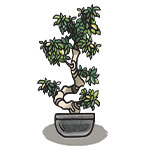


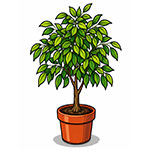
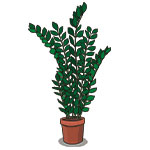








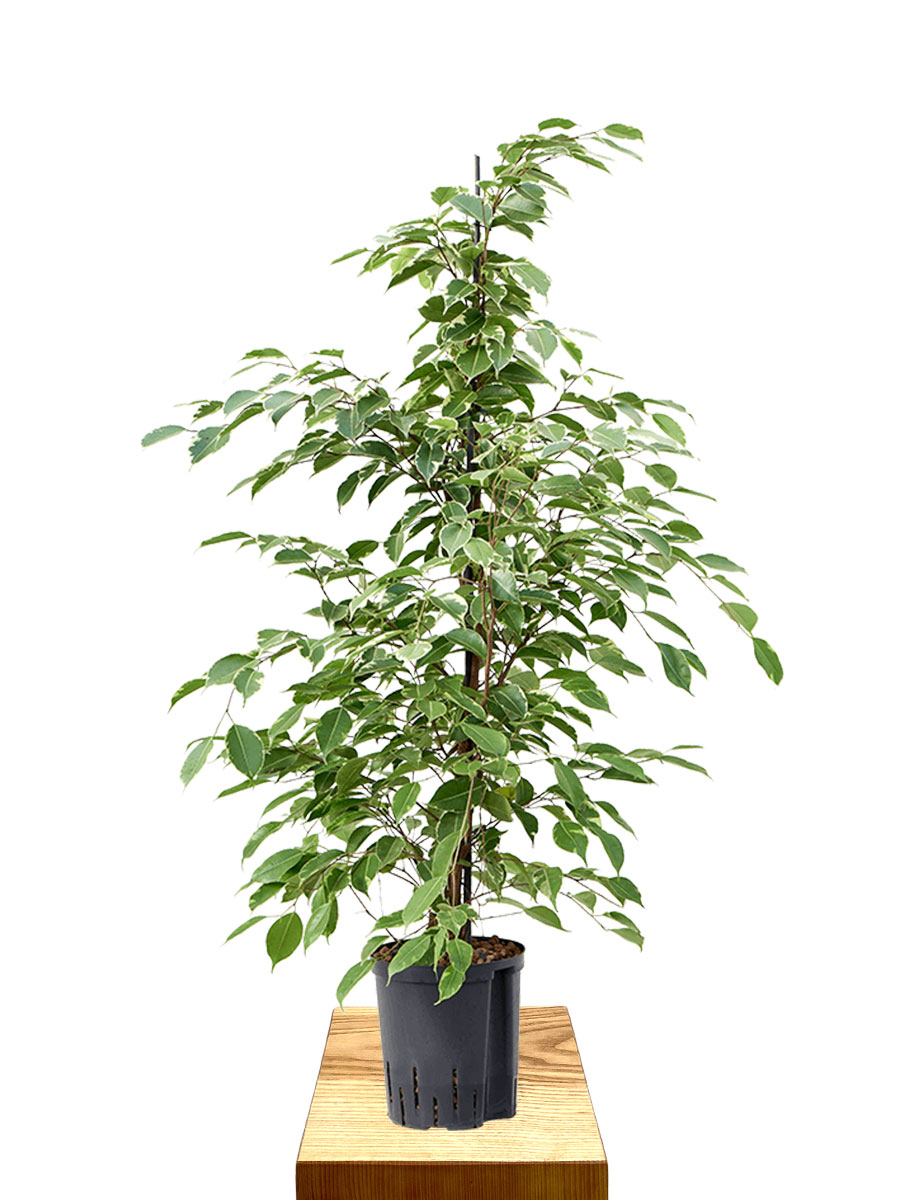


Hydro - Ficus Benjamina Golden King
CHF 129.90*
Item no. 1FIGK1T18
Prices incl. VAT plus shipping costs
Sold out
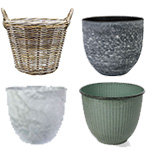
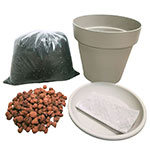
Accessories:


Notify me when this plant is back
Enter your email address. We will write to you once as soon as the item is available again.
You will first receive an email to confirm. We only use your address for this notification, see our privacy policy.


Ficus benjamina 'Golden King', also known as the golden weeping fig, is an attractive hydroculture plant prized for its variegated leaves with golden edges and its elegant growth habit. It thrives particularly well in hydroculture, as the nutrient solution keeps it optimally supplied. This plant is popular in homes and offices alike and adds a touch of greenery and liveliness to any room.
Care tips for Ficus benjamina Golden King in hydroculture:
Light:
Ficus benjamina 'Golden King' prefers bright, indirect light. Direct sunlight should be avoided, as it can scorch the leaves. A position near an east- or west-facing window is ideal.
Temperature:
The ideal temperature for Ficus benjamina 'Golden King' is between 18 and 24 degrees Celsius. It does not like cold draughts or sudden changes in temperature.
Watering:
In hydroculture, watering is easier, as the system continuously supplies the plant with moisture and nutrients. Make sure the water level in the hydroculture container does not get too low. It should give the roots enough moisture without drowning them.
Feeding:
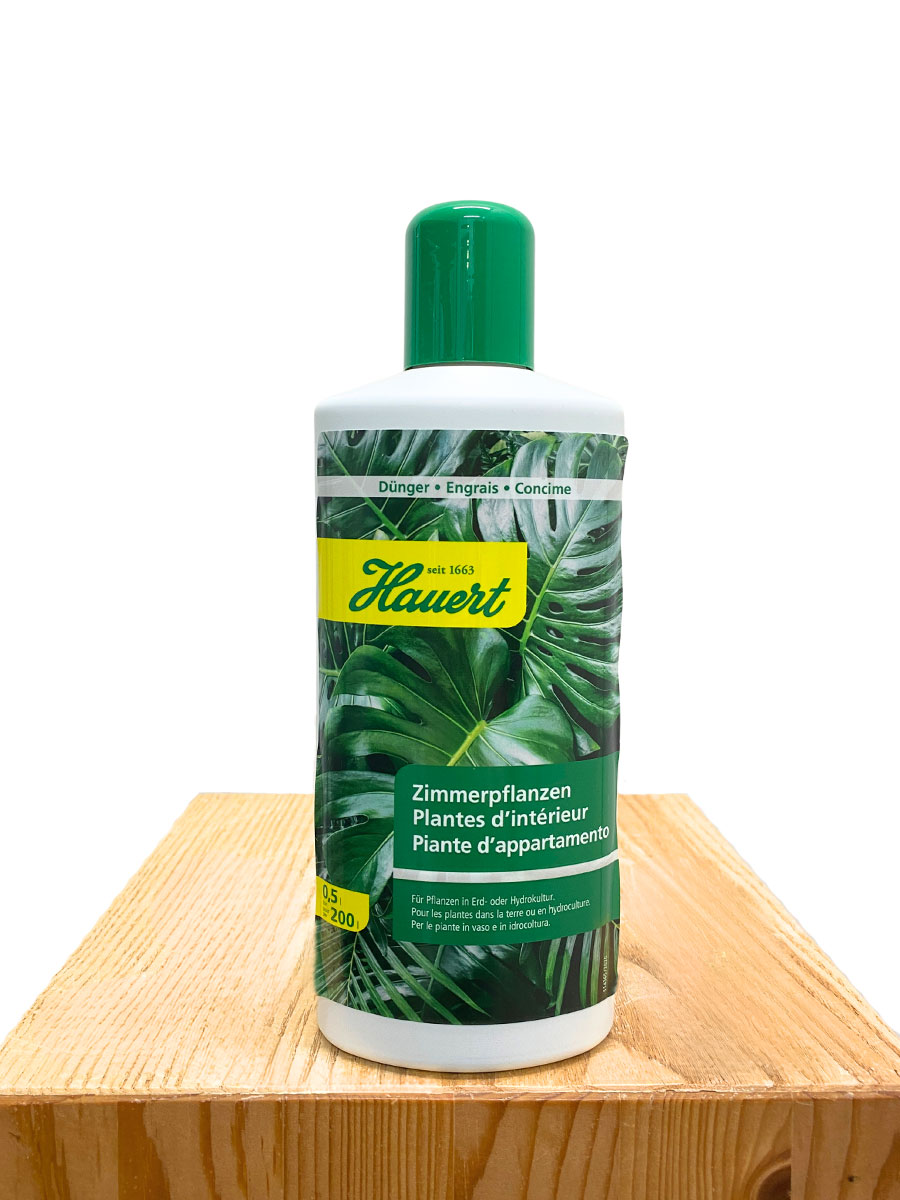
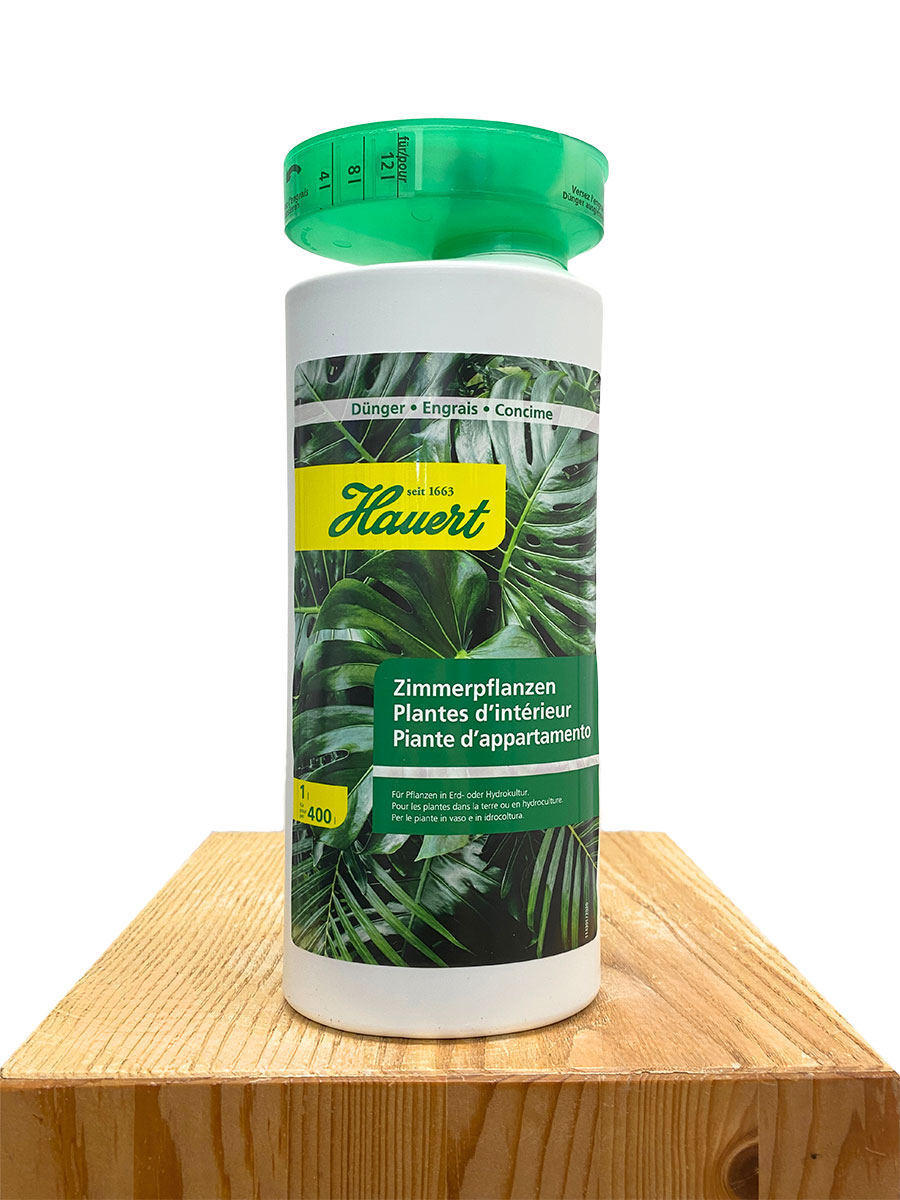
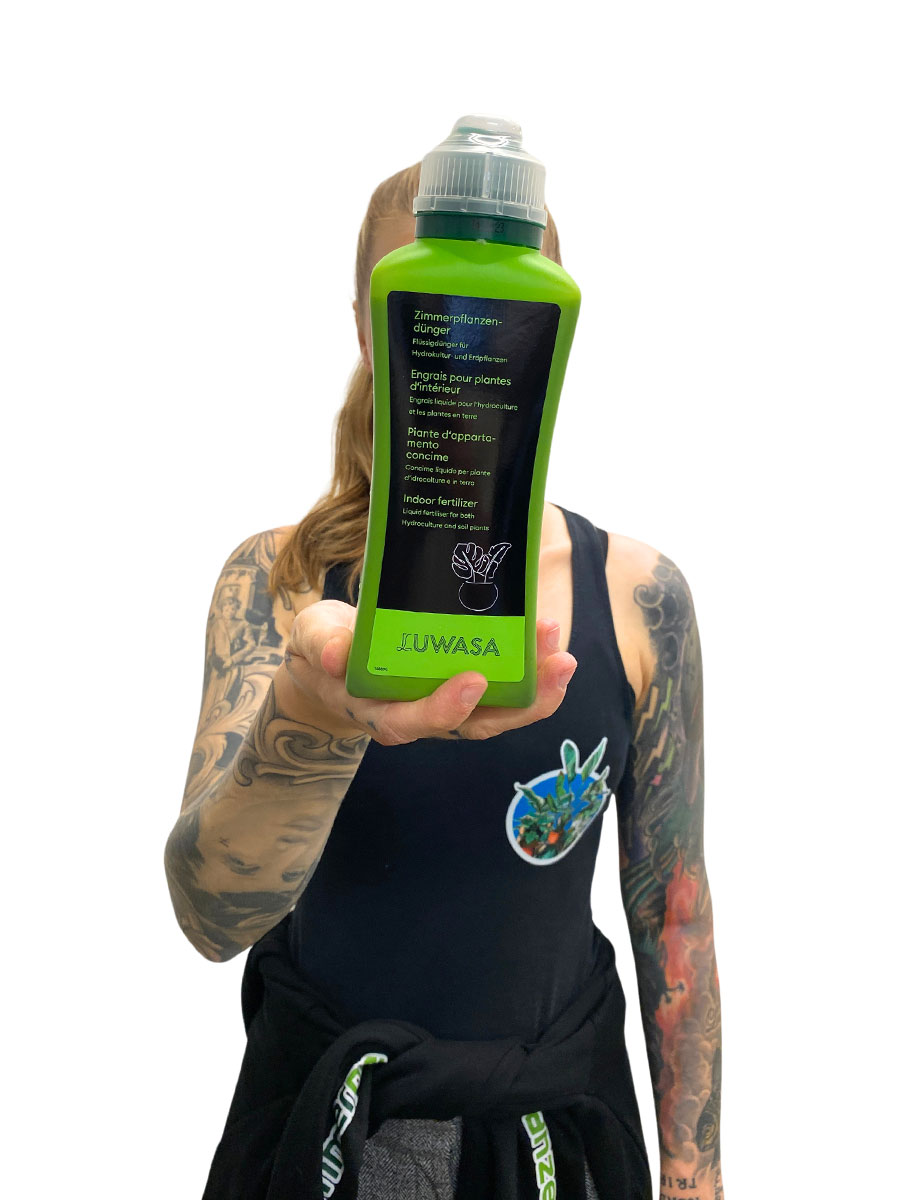
Use a special hydroculture fertiliser that provides all the necessary nutrients. Feed according to the instructions on the packaging and take care not to overfeed.
Humidity:
Ficus benjamina 'Golden King' appreciates medium to high humidity. If the indoor air is dry, a humidifier or occasionally misting the leaves with water can help.
Repotting:
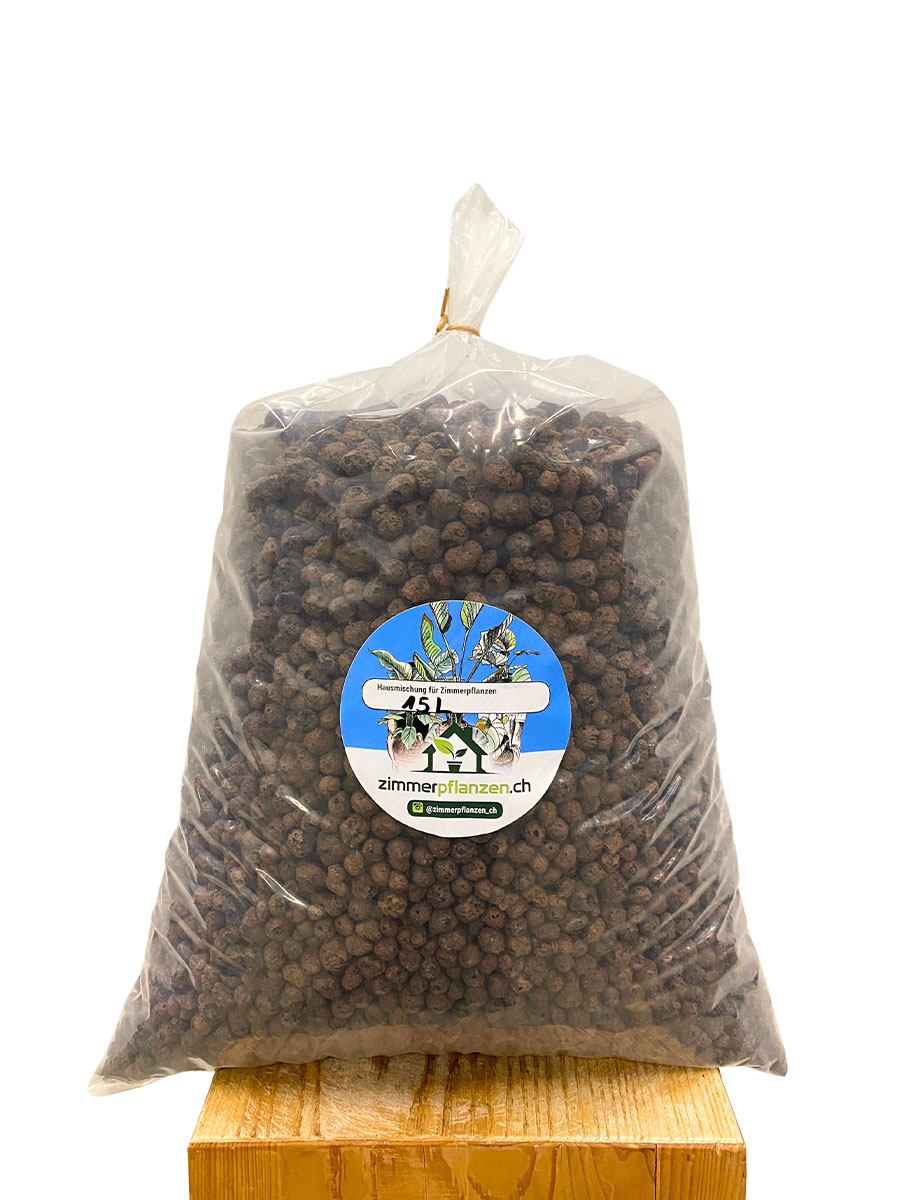
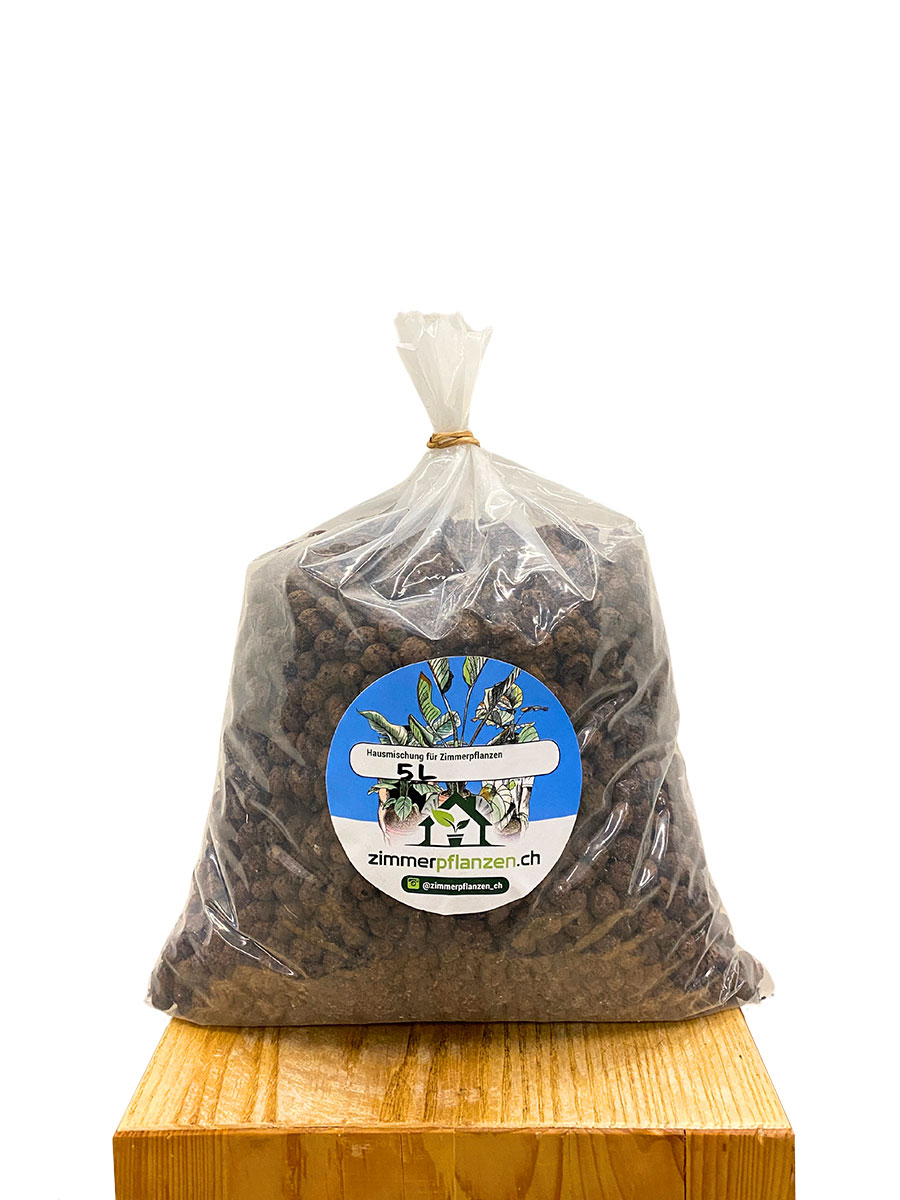
In hydroculture, repotting is needed less often than in soil. Even so, the hydroculture substrate should be replaced and the roots checked roughly every two years to make sure they are healthy.
Pests:
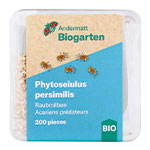
Watch out for pests such as spider mites, scale insects or aphids. If the plant is infested, it should be isolated and suitable biological or chemical measures taken. Wiping the leaves regularly with a damp cloth can help prevent pest infestations.
Login
Patrizia R. am 10 December 2024
sehr schön
Qualität und versand TOP