


Ficus Nitida XXL - Ø80 cm
CHF 6,999.90*
Item no. 4301
Prices incl. VAT plus shipping costs
Delivery time 2 - 7 working days
Useful accessories & substrates









History of the Ficus Nitida
Ficus Nitida, also known as Indian laurel fig and often listed as Ficus microcarpa, comes from the tropical and subtropical regions of Asia and Australia. As a large plant, it develops strong, upright growth and a dense crown of small, glossy, dark green leaves. Thanks to its elegant appearance, it is particularly well suited as an impressive specimen plant for large living spaces, offices, entrance areas or business premises. With enough light, Ficus Nitida is robust and long-lived, but as a large plant it needs a suitable, bright spot. Pet owners should take care, as the milky sap of the Ficus can cause health problems in cats and dogs.
Care as a houseplant:
- Light: Bright to very bright with plenty of indirect light. A few hours of morning or evening sun are well tolerated. With too little light, the Ficus may lose leaves.
- Temperature: Around 18–25 °C is ideal. Avoid temperatures below 15 °C and strong temperature fluctuations where possible.
- Humidity: Normal indoor air is usually well tolerated. Slightly higher humidity, however, promotes strong and healthy growth.
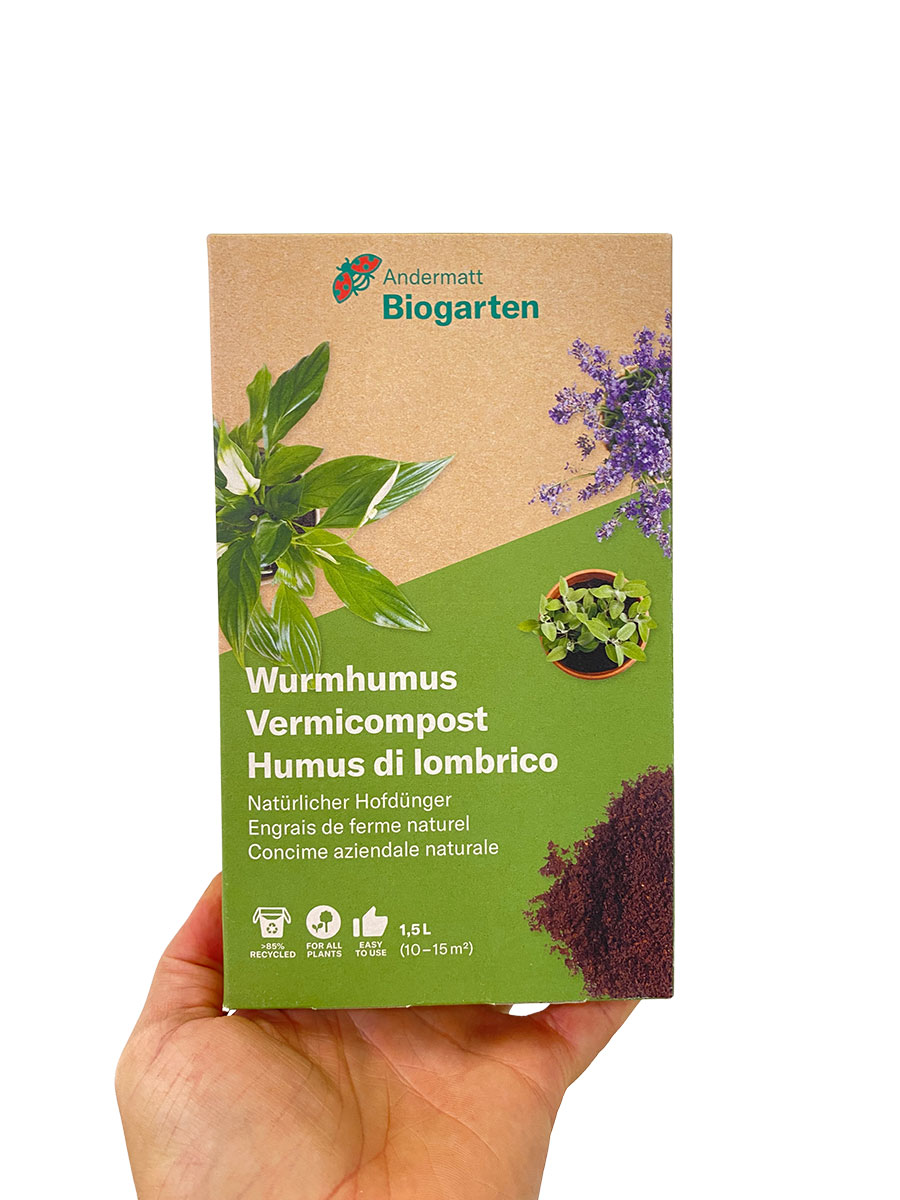
- Substrate: Use a loose, humus-rich and free-draining houseplant substrate. With a large plant, make sure there is good drainage.
- Watering: Water moderately and regularly. The top layer of soil should dry out slightly between waterings. Be sure to avoid waterlogging.
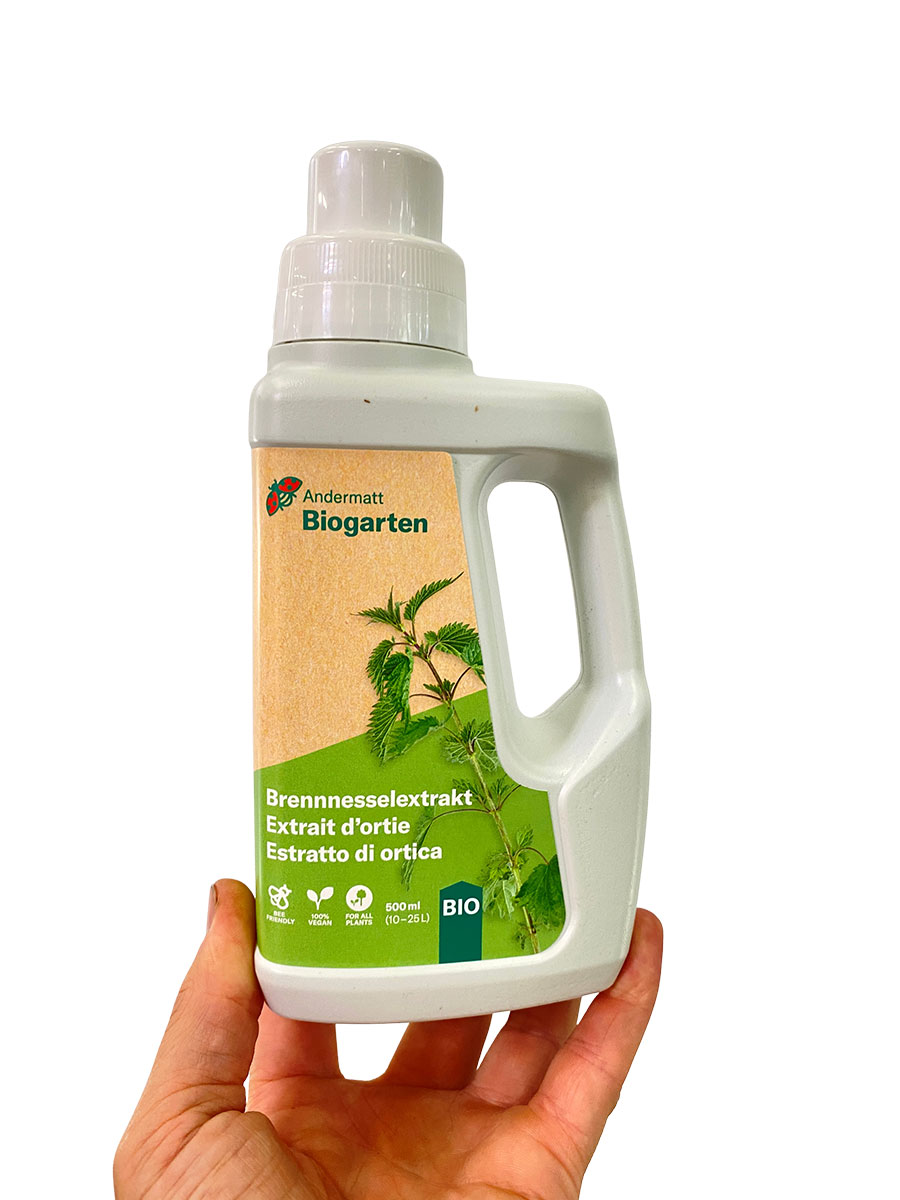
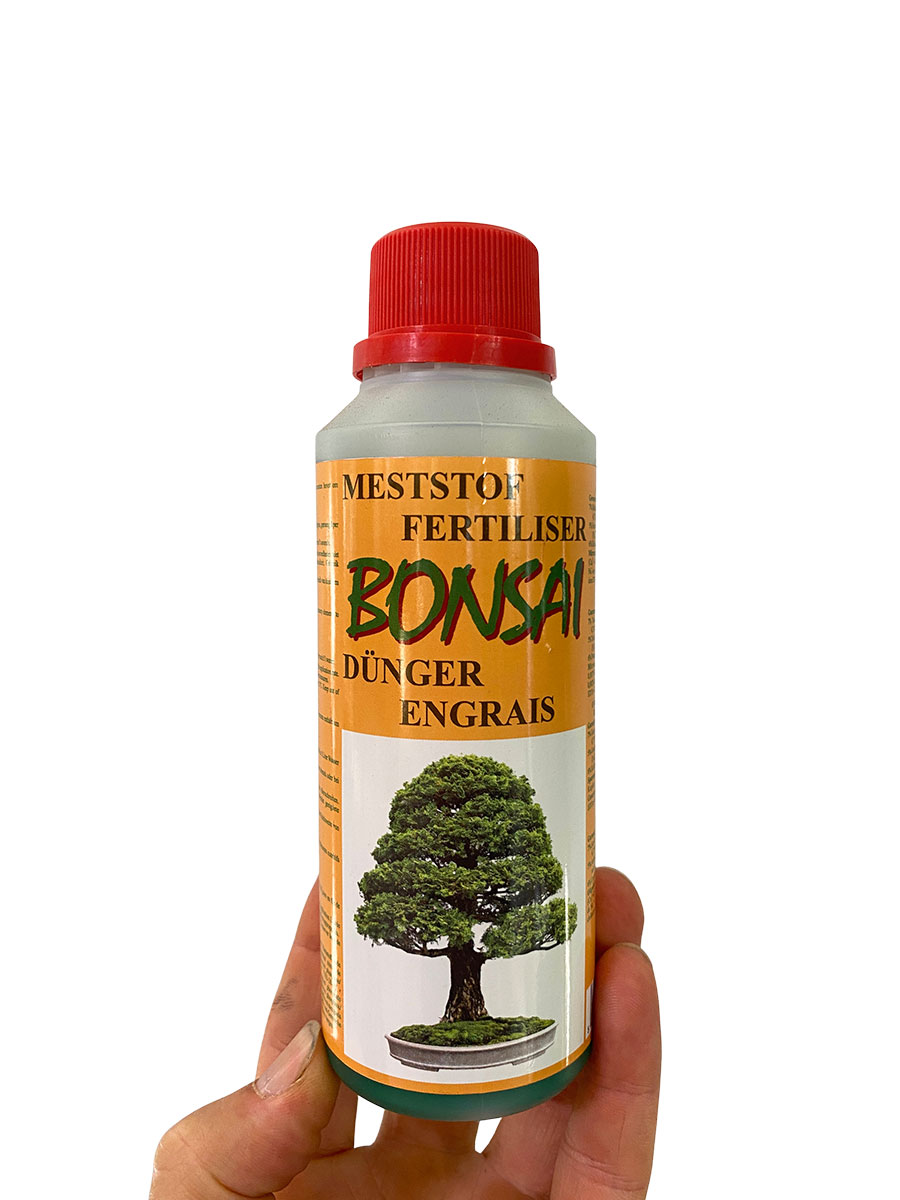
- Feeding: From spring to autumn, feed about every 2–4 weeks with a foliage plant fertiliser. Reduce feeding considerably in winter.
- Special features: As a large plant, Ficus Nitida is a particularly impressive eye-catcher. It should not be moved too often, as Ficus species can react to changes of location by dropping leaves. Regular pruning helps keep the crown compact and nicely shaped.
- Important for pet owners: Ficus Nitida is not suitable as a plant for cats and dogs to nibble on. The milky sap it releases can cause irritation on contact or if eaten, as well as gastrointestinal problems.
Overwintering tips:
As a houseplant, Ficus Nitida can be kept warm all year round. In winter it should be kept as bright as possible and protected from cold draughts. Because there is less light, it needs less water and should not be kept permanently wet. A bright spot is particularly important so that the large plant keeps its dense foliage as well as possible.
Login