

















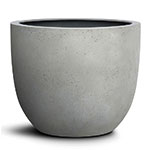












Hydro - Cast-Iron Plant Aspidistra Elatior
CHF 99.90*
Item no. 1ASELTU30
Prices incl. VAT plus shipping costs
Sold out
Accessories:


Notify me when this plant is back
Enter your email address. We will write to you once as soon as the item is available again.
You will first receive an email to confirm. We only use your address for this notification, see our privacy policy.



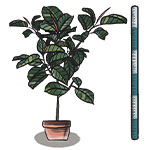
Aspidistra elatior, also known as the cast-iron plant, is a robust houseplant originating from East Asia. It became popular in Europe in the 19th century and quickly gained a reputation as an extremely easy-care plant that can thrive even in adverse conditions. Its evergreen, broad foliage and its ability to survive even in low light made it a popular choice for indoor spaces.
Care tips for Aspidistra elatior in hydroculture:
Location:
Aspidistra elatior thrives in hydroculture, as it is less susceptible to root rot. The plant should be placed in a spot with indirect light or in partial shade. It also tolerates low light, making it a great choice for rooms with little brightness.
Watering:
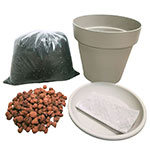
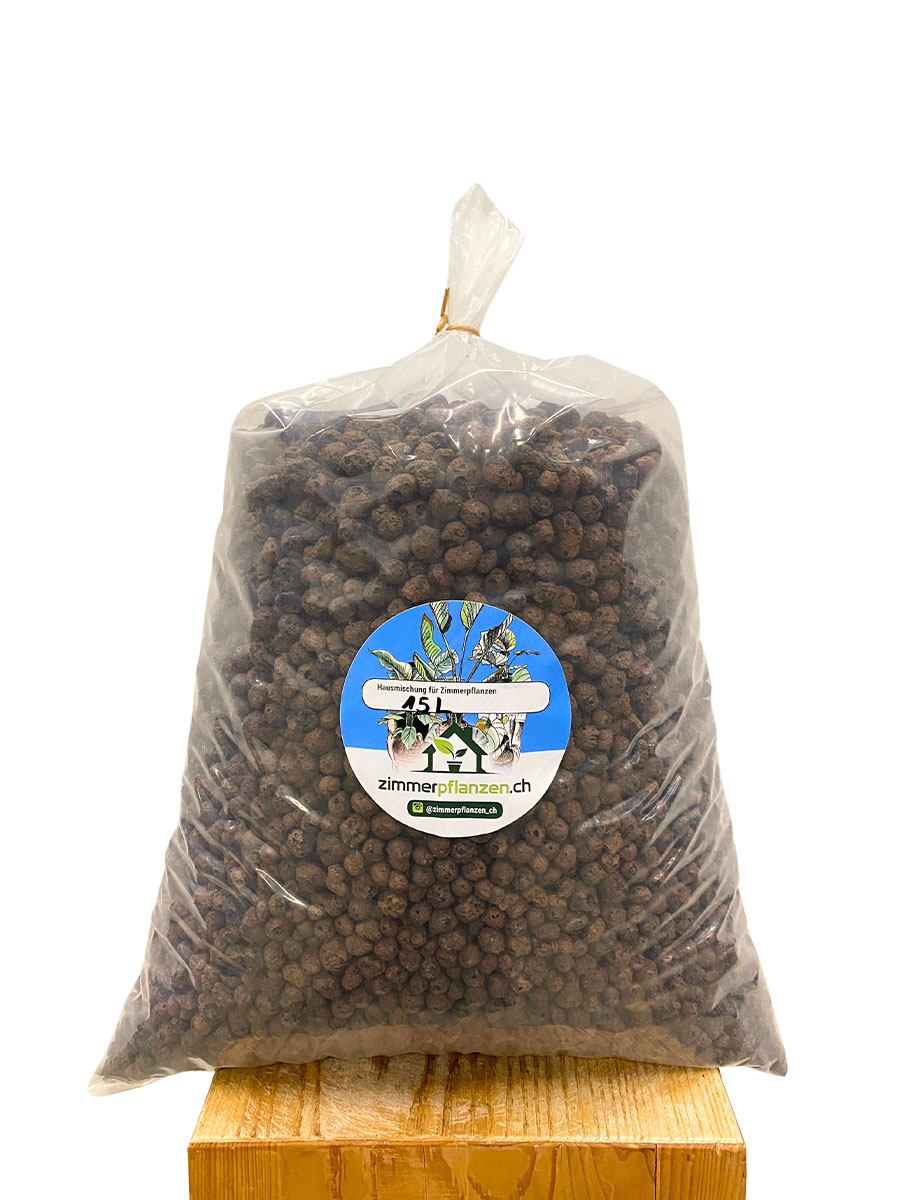
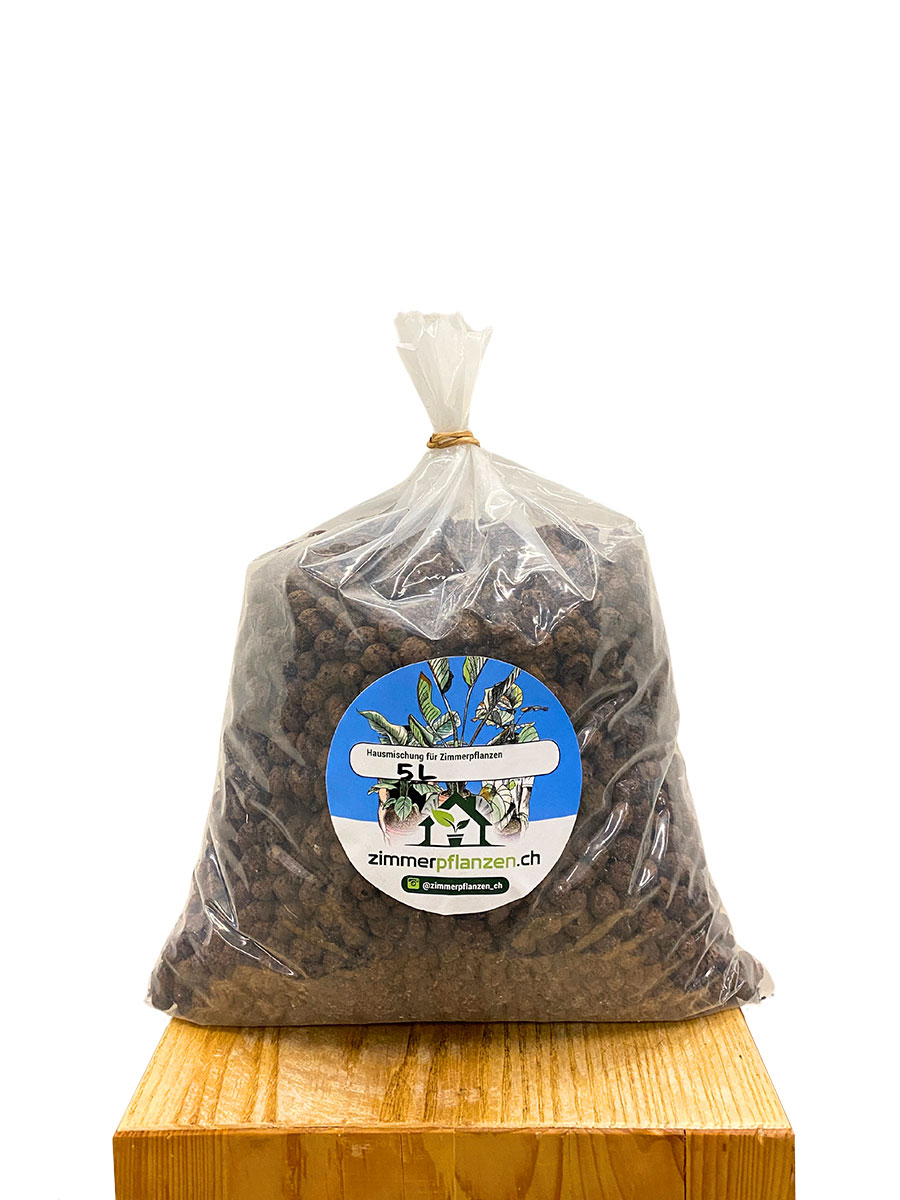
In hydroculture, it is important to use a free-draining substrate so that excess water can drain away. The plant should be watered as soon as the top layer of the substrate is dry. Take care to avoid waterlogging in order to prevent root rot. Stagnant water is less likely in hydroculture, but still worth considering.
Feeding:
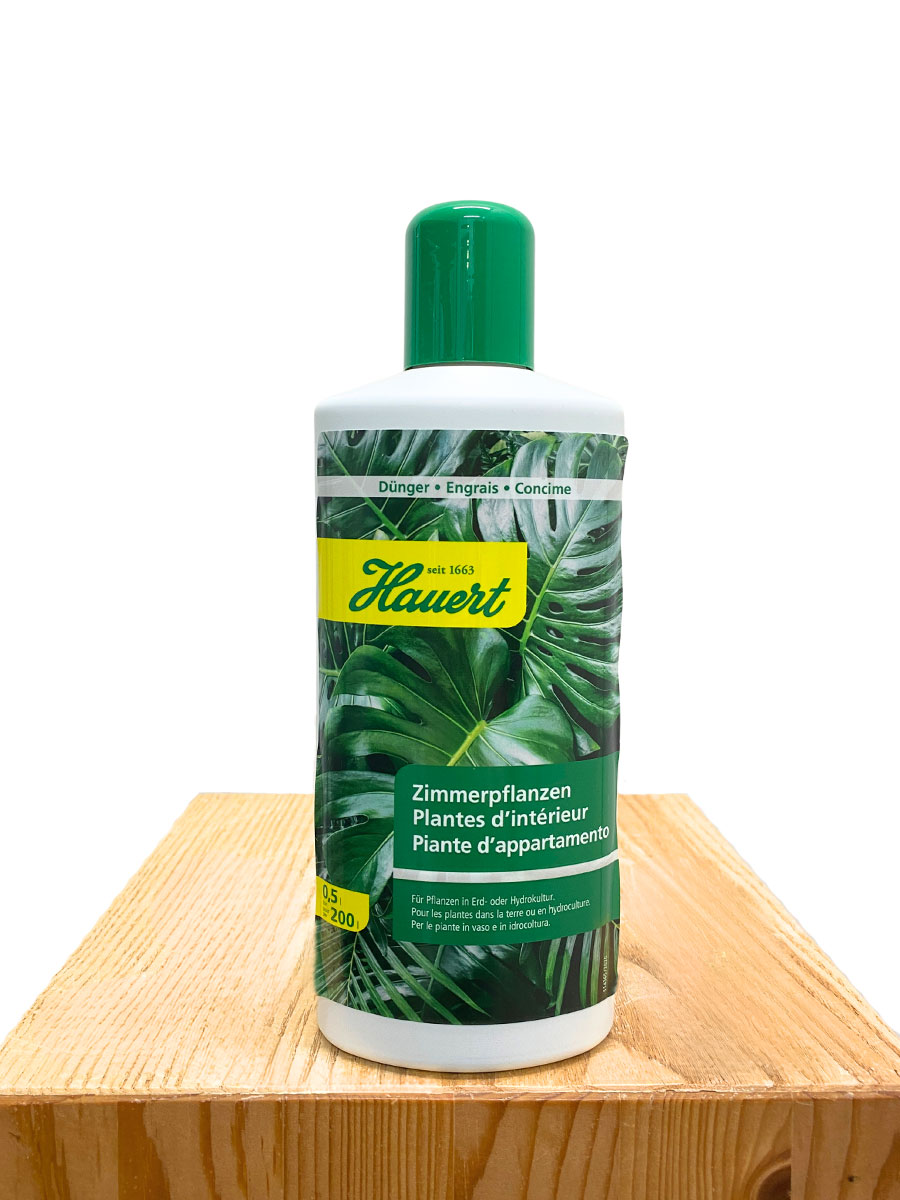
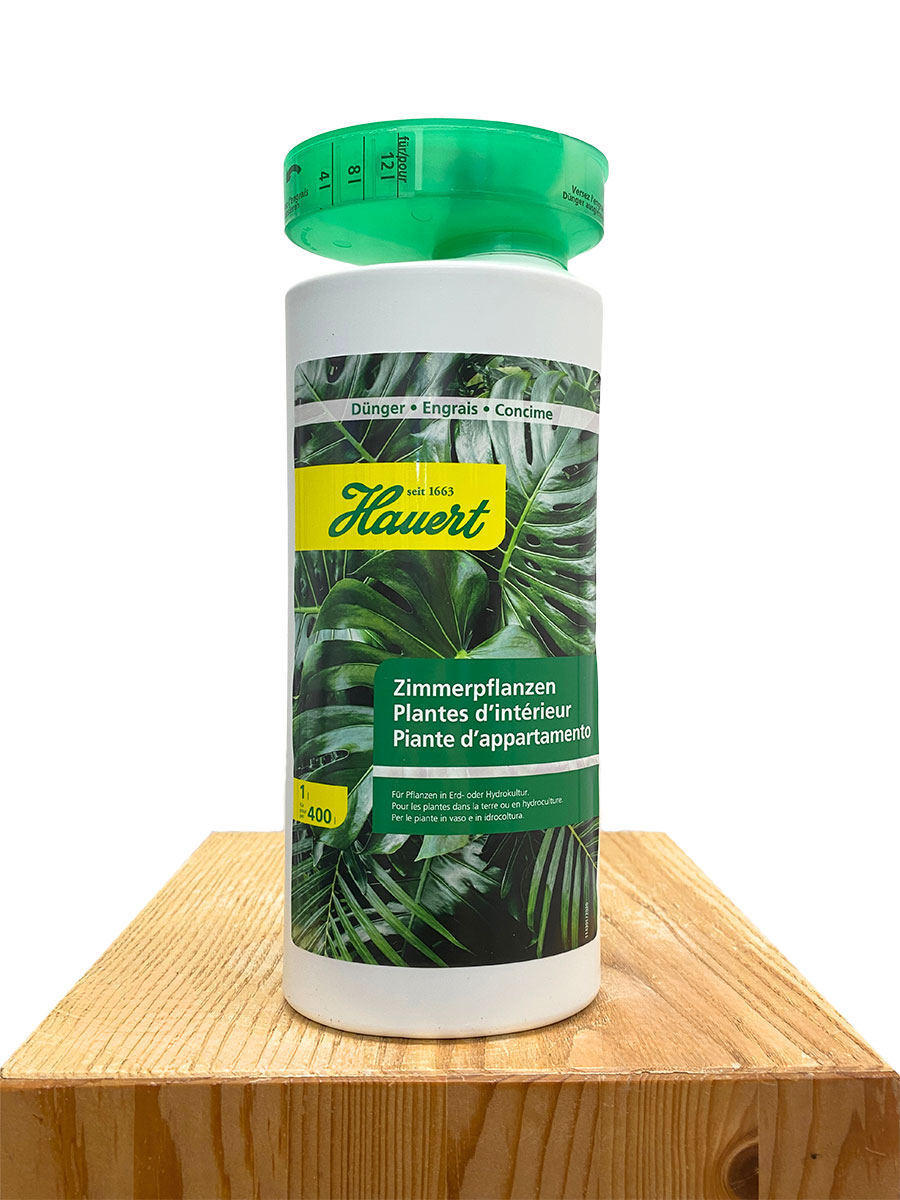
As nutrients can be supplied in a more controlled way in hydroculture, Aspidistra elatior should be fed with a balanced liquid fertiliser every 4-6 weeks during the growing season. Take care not to exceed the recommended dosage to avoid over-fertilising.
Humidity:
Aspidistra elatior is adapted to a range of humidity conditions. In hydroculture, the humidity around the plant may be slightly higher, which benefits it. Regularly misting the leaves helps promote healthy foliage.
Temperature:
The plant prefers moderate room temperatures between 15°C and 24°C. Sharp temperature fluctuations and draughts should be avoided, especially in hydroculture, to minimise possible stress factors.
Repotting:
In hydroculture, repotting is required less often. However, if the roots fill the pot excessively, the plant can be repotted into a slightly larger container. Take care not to damage the roots.
Login
Petra P. am 04 June 2024
Entspricht genau dem, was wir bestellt haben.
Top Qualität!
Rudolf S. am 18 December 2023
positiv, mit Überraschungseffekt.
Guten Tag Alles rund um die Lieferung hat geklappt. (Information, Verpackung, Liefertermin etc.) Die Pflanze selbst entspricht nicht dem Bild, wo die Blätter schlank in die Höhe streben. Sie fallen zur Seite und wir sind nicht sicher, ob sich das mit der Zeit noch korrigiert.