





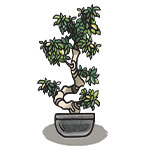


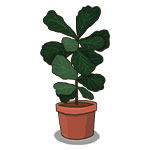


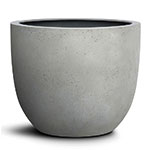
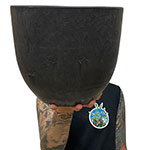

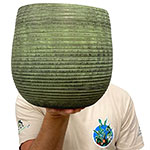
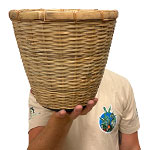






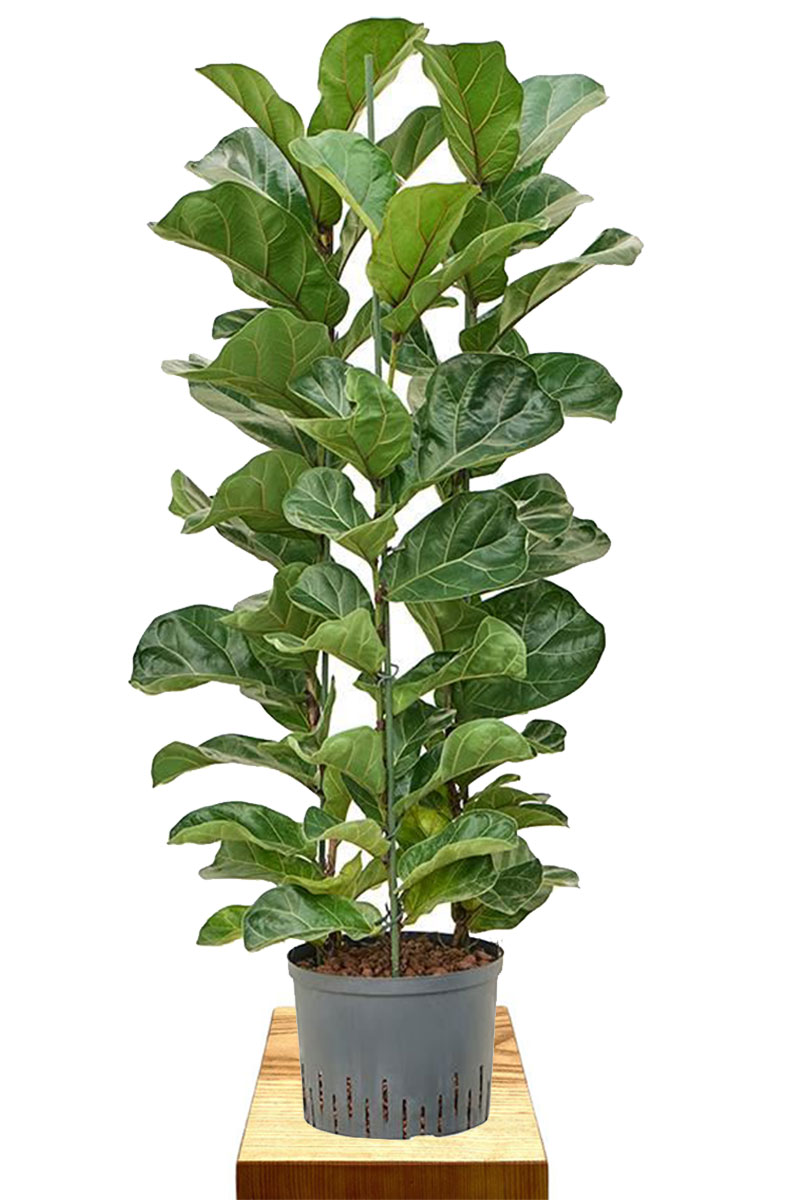


Hydro - Ficus Lyrata Bambino
CHF 199.90*
Item no. 1FILB3T08
Prices incl. VAT plus shipping costs
Delivery time 2 - 7 working days
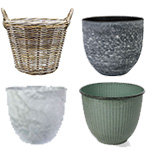
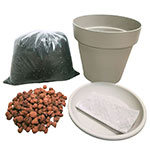
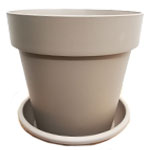
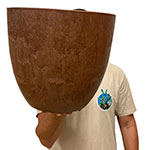
Accessories:




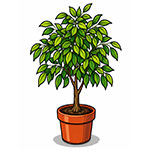
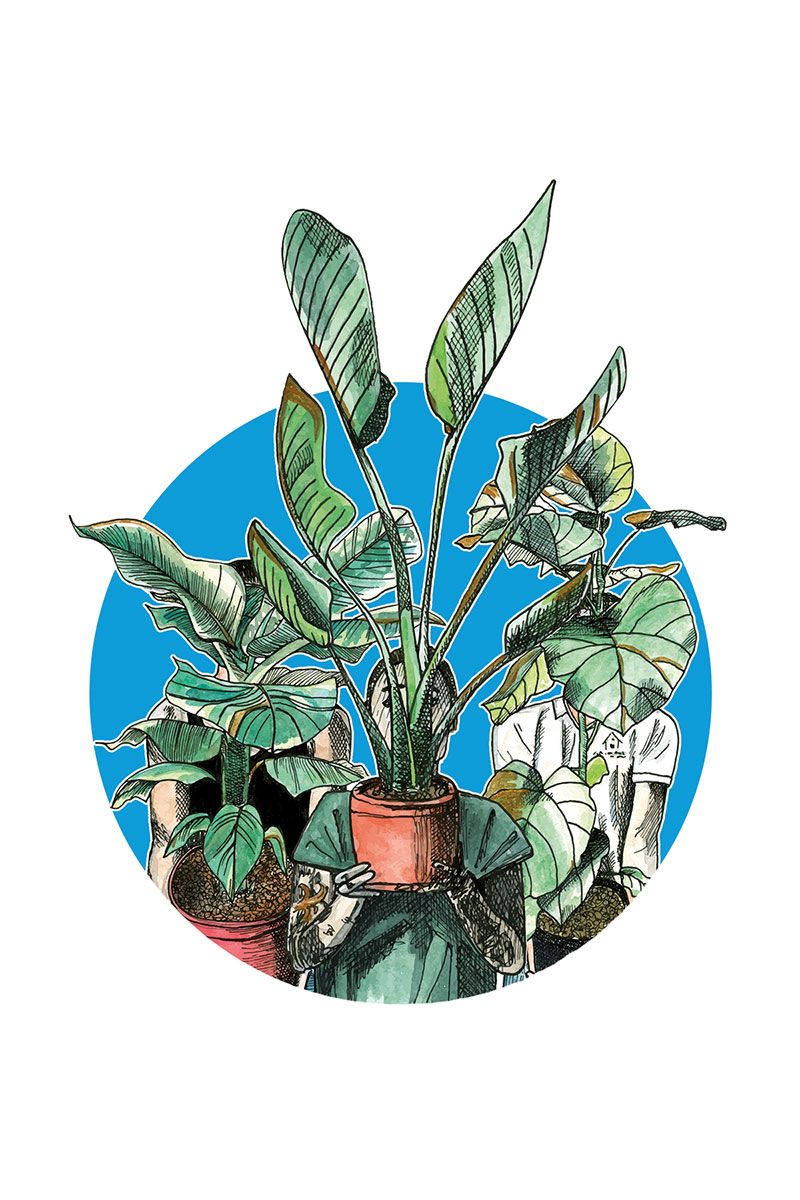
The fiddle-leaf fig (Ficus lyrata) is a popular houseplant known for its striking, large green leaves. It is often grown in hydroculture, which means the plant is cultivated in a special water-based medium instead of conventional potting soil. The fiddle-leaf fig in hydroculture is a fascinating houseplant that can thrive magnificently with the right care tips. Easy to care for and suitable for beginners too.
Care tips for the fiddle-leaf fig in hydroculture:
Light
A bright position with indirect light is ideal. Direct sunlight should be avoided, as it can cause leaf scorch.
Temperature
The optimal temperature is between 18 and 24 °C. Cold and sharp temperature fluctuations have a negative effect on growth. Draughts should be avoided.
Water
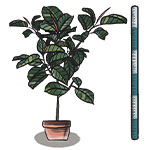
The water level indicator in the hydroculture container should be checked regularly. The water level is optimal when it is in the middle range. Waterlogging or too much water can cause root rot and should be avoided.
Humidity
Increased humidity promotes the plant's health. Occasionally misting the leaves or placing a bowl filled with water near the plant can help, especially when the room air is dry.
Feeding
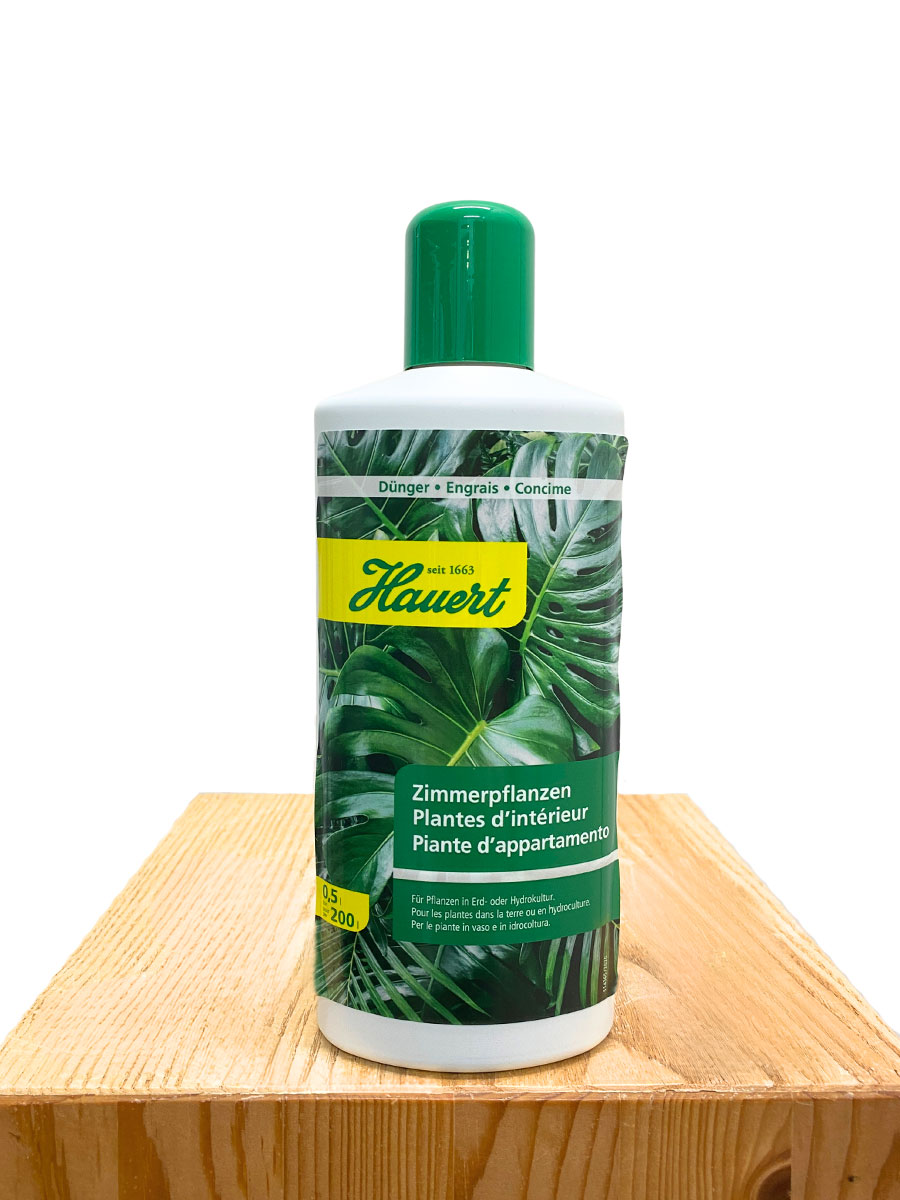
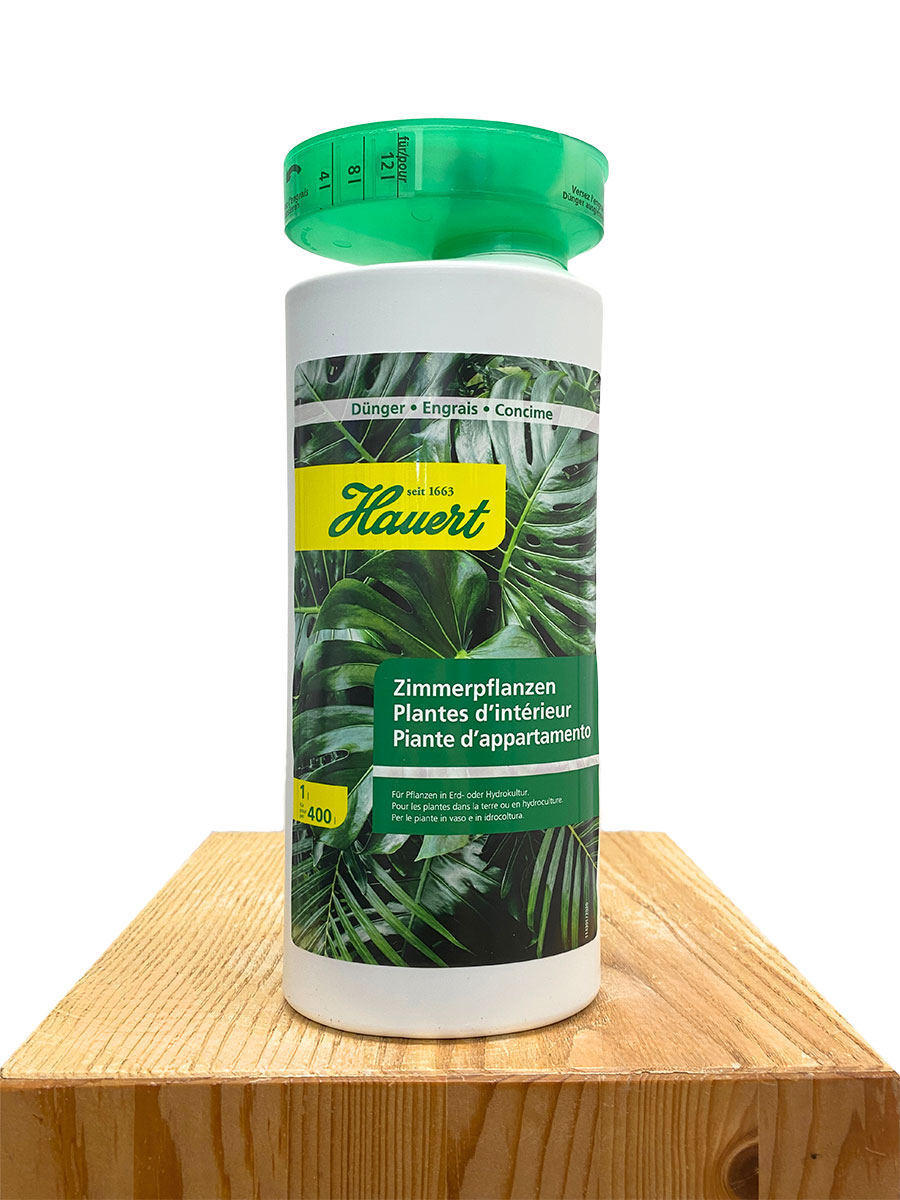
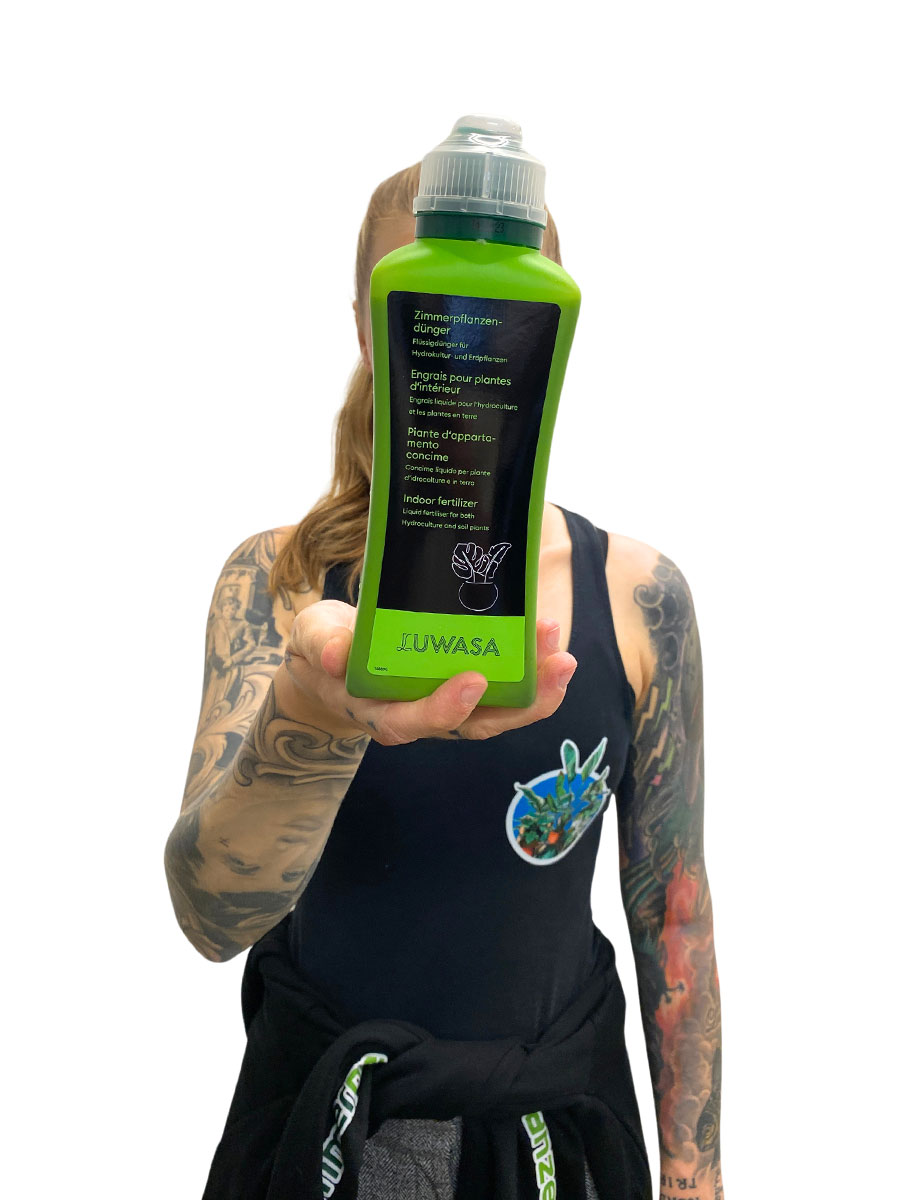
During the growing phase, usually in spring and summer, a regular supply of nutrients is important. A special hydroculture fertiliser should be used about every two weeks according to the manufacturer's instructions.
Repotting
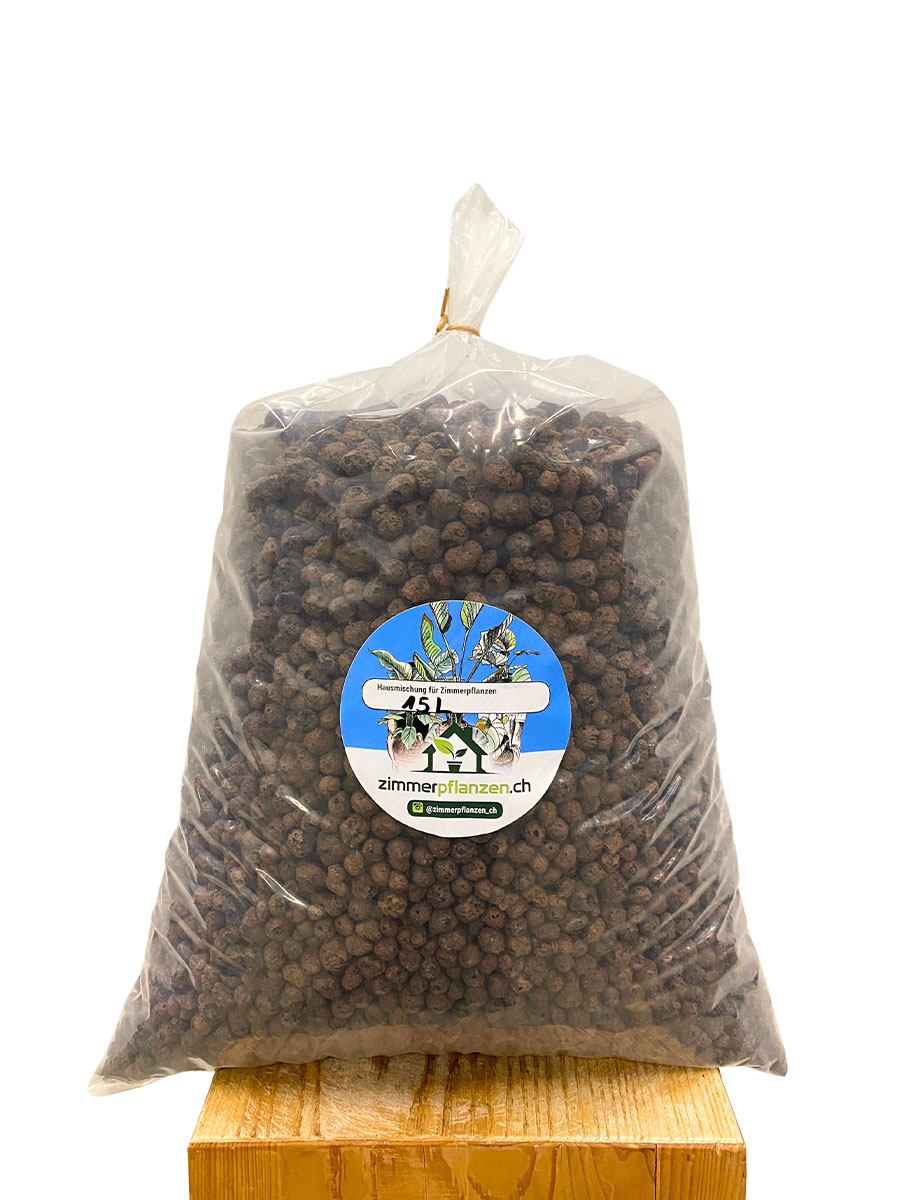
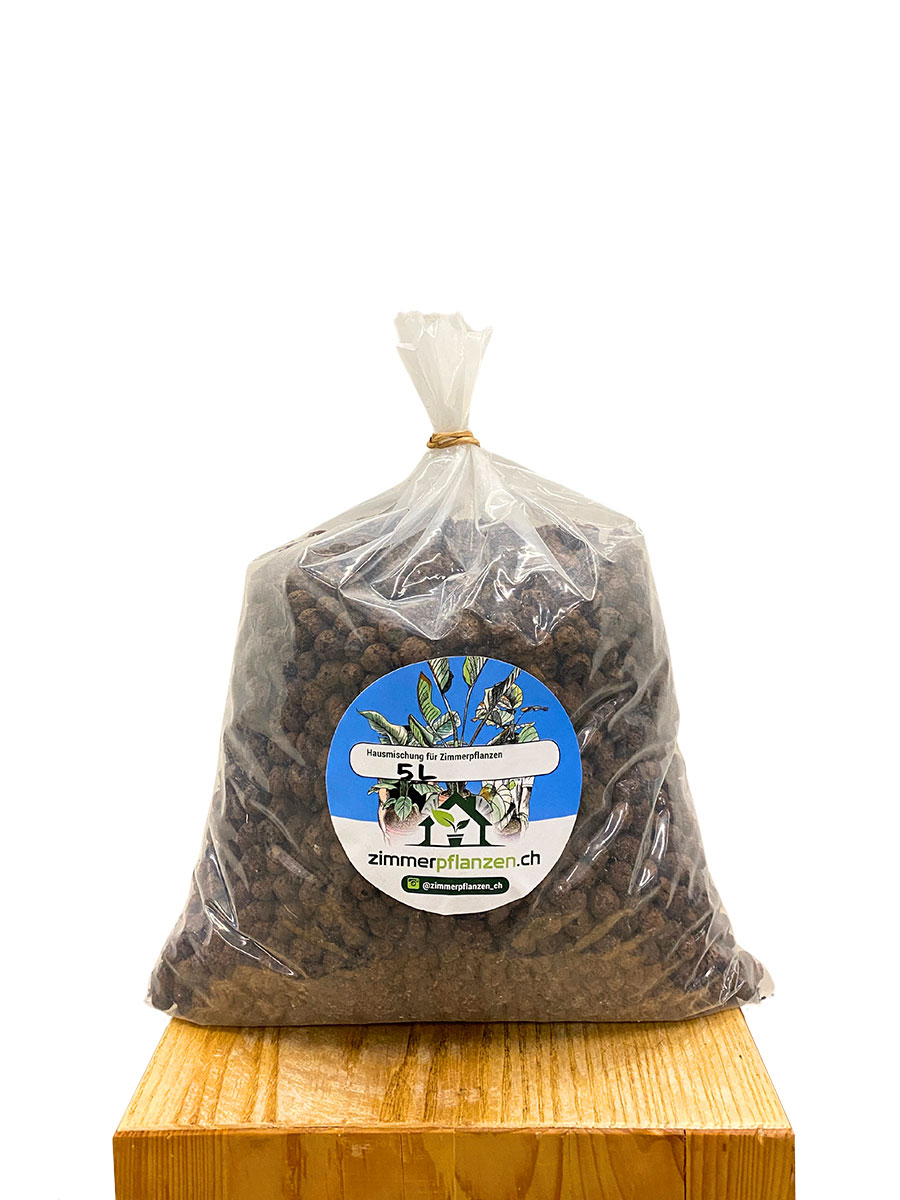
You need to repot when the roots completely fill the available space. A larger hydroculture pot and fresh substrate should then be used.
Cleaning
The large leaves of the fiddle-leaf fig should be cleaned regularly with a damp cloth. This supports photosynthesis and keeps the plant looking well cared for.
Pruning
For a compact shape, shoots that are too long or damaged can be cut back. Pruning encourages branching and healthy growth.
Diseases and pests
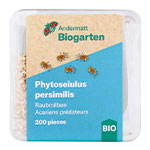
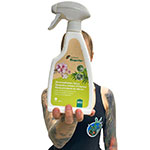
Regular checks for pests such as spider mites, scale insects or aphids are recommended. In case of infestation, suitable biological or chemical remedies such as neem oil or plant protection products can help.
Login