







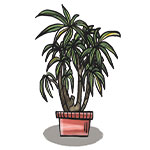
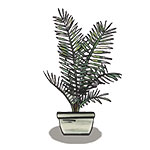












Hydro - Lady Palm Rhapis Excelsa
CHF 249.90*
Item no. 1RHEXTU40
Prices incl. VAT plus shipping costs
Sold out
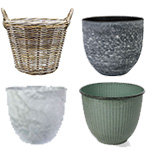
Accessories:


Notify me when this plant is back
Enter your email address. We will write to you once as soon as the item is available again.
You will first receive an email to confirm. We only use your address for this notification, see our privacy policy.



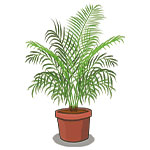
The lady palm Rhapis excelsa, also known as the bamboo palm, is a popular houseplant that is highly valued for its attractive appearance and relatively undemanding care requirements. It originally comes from the humid forests of Southeast Asia and is known for its characteristic palmate, dark green leaves. Rhapis excelsa can be grown both in conventional soil and in hydroculture. Hydroculture has the advantage of minimising the risk of root rot, so the plant can be healthier and more resilient overall.
Care tips for the lady palm Rhapis excelsa in hydroculture:
Light
A spot with indirect light or partial shade is ideal. Direct sunlight should be avoided, as it can damage the leaves.
Temperature
Optimal temperatures are between 18 and 24 °C. Draughts and sharp temperature fluctuations should be avoided. Heat sources in the immediate vicinity are unfavourable.
Water
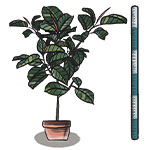
In hydroculture, the substrate should always remain slightly moist. The water level should be checked regularly, ideally with a water level indicator. Waterlogging must be avoided at all costs, as it can cause root rot.
Nutrients
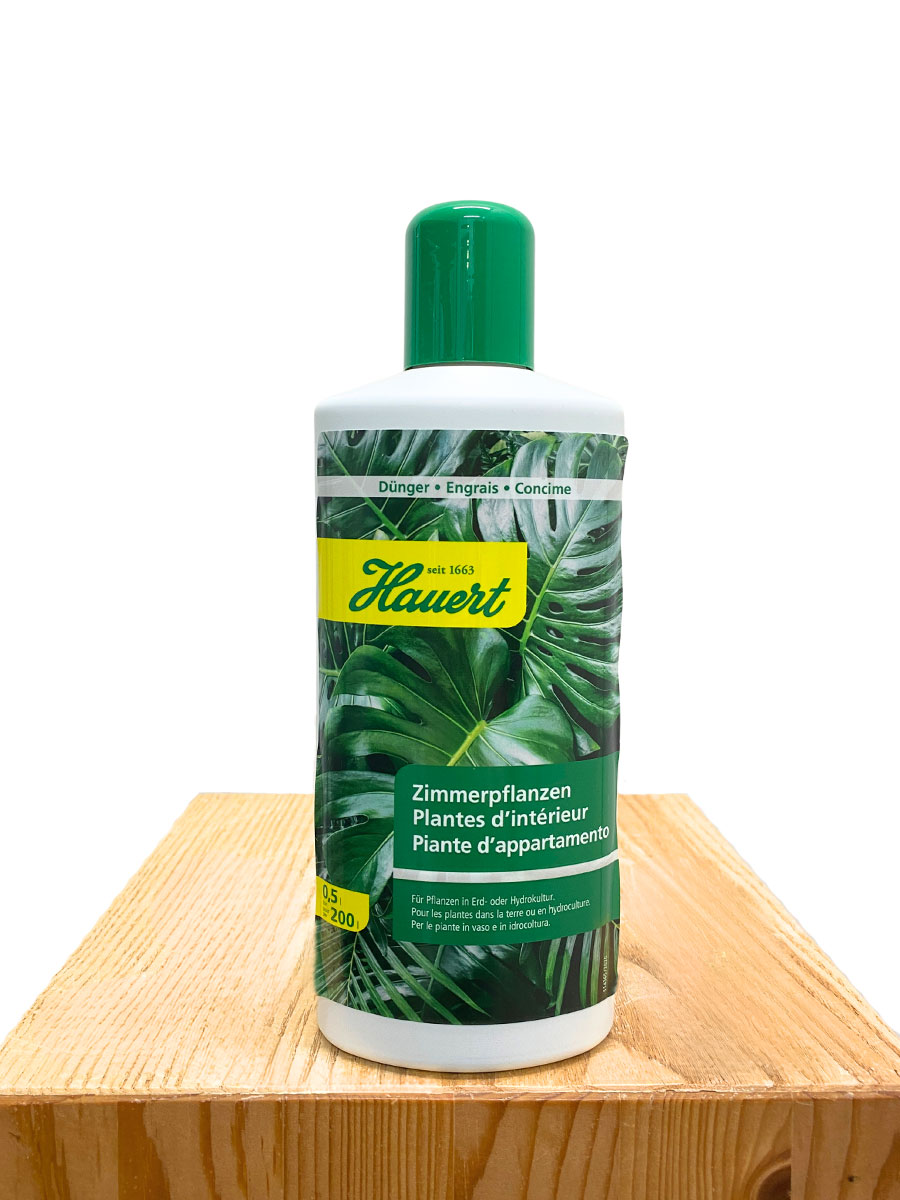
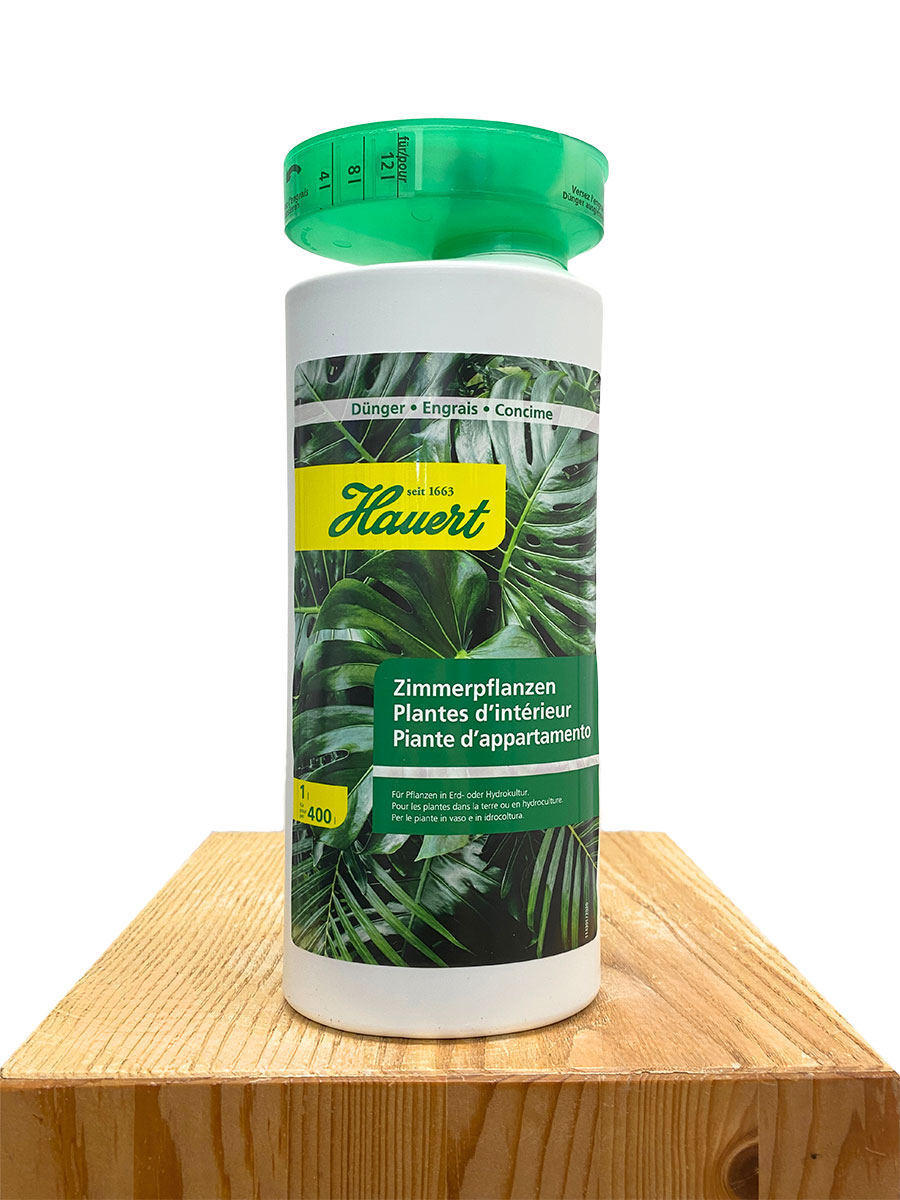
During the growing season (spring to autumn), feeding every two to four weeks with a special hydroculture fertiliser is recommended. Dose according to the manufacturer's instructions.
Humidity
High humidity has a positive effect on plant health. A humidifier or a saucer filled with water can help. In addition, the leaves can be misted regularly with lime-free water.
Substrate
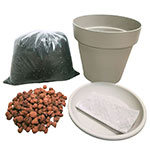
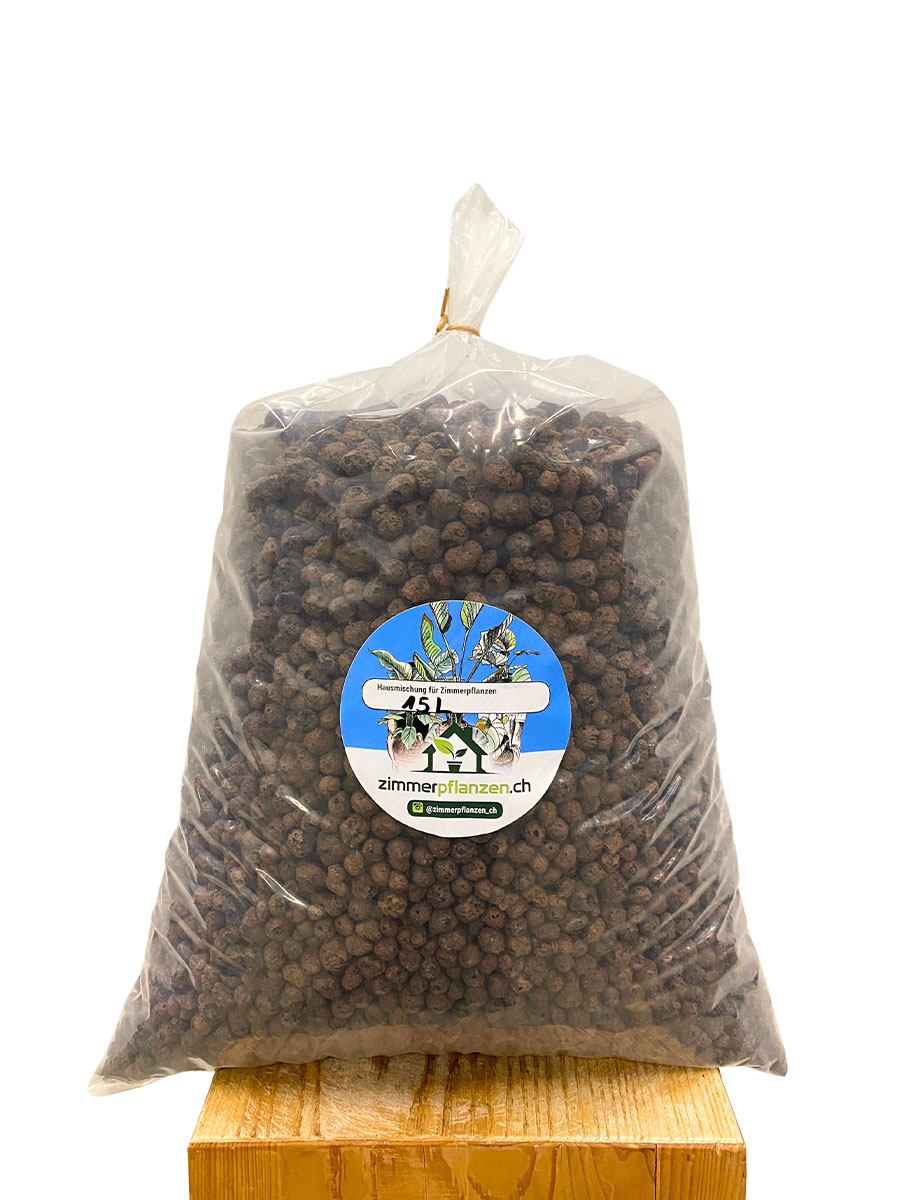
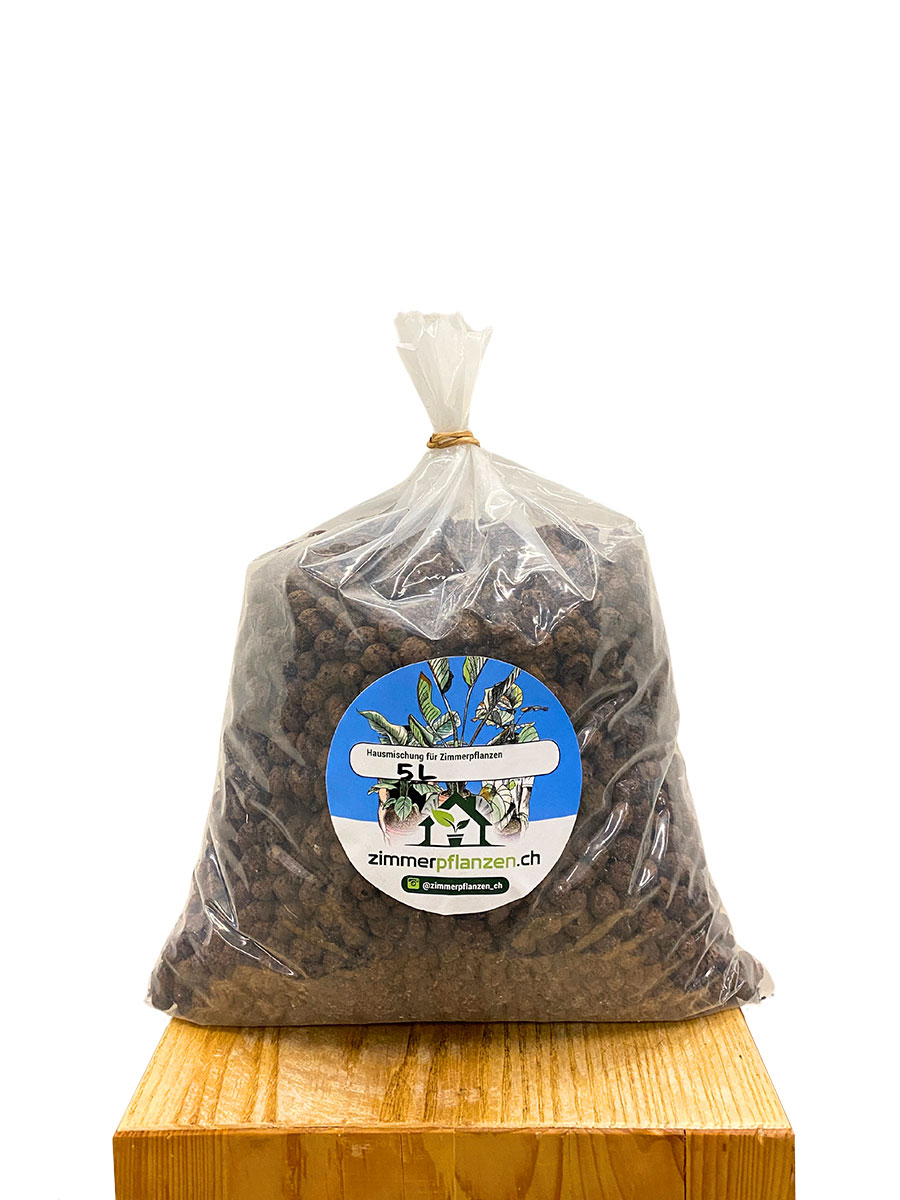
Expanded clay or another airy hydroculture substrate is used, which ensures good aeration of the roots.
Repotting
Roughly every two to three years, a larger pot should be chosen once the roots completely fill the available space. The substrate can also be renewed at the same time.
Leaf care
Dust on the leaves can be removed with a damp cloth. This promotes photosynthesis and helps prevent pest infestations.
Pests
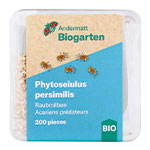
Check the plant regularly for signs of pests such as spider mites, scale insects or whiteflies. If infested, biological remedies such as neem oil or suitable plant protection products will help.
Login