




Vanda Michelle Orchid in Glass
CHF 89.90*
Item no. 4415
Prices incl. VAT plus shipping costs
Delivery time 2 - 7 working days
Plant furniture | Protection & decorative items:


Useful care products:







History of the Vanda Michelle orchid
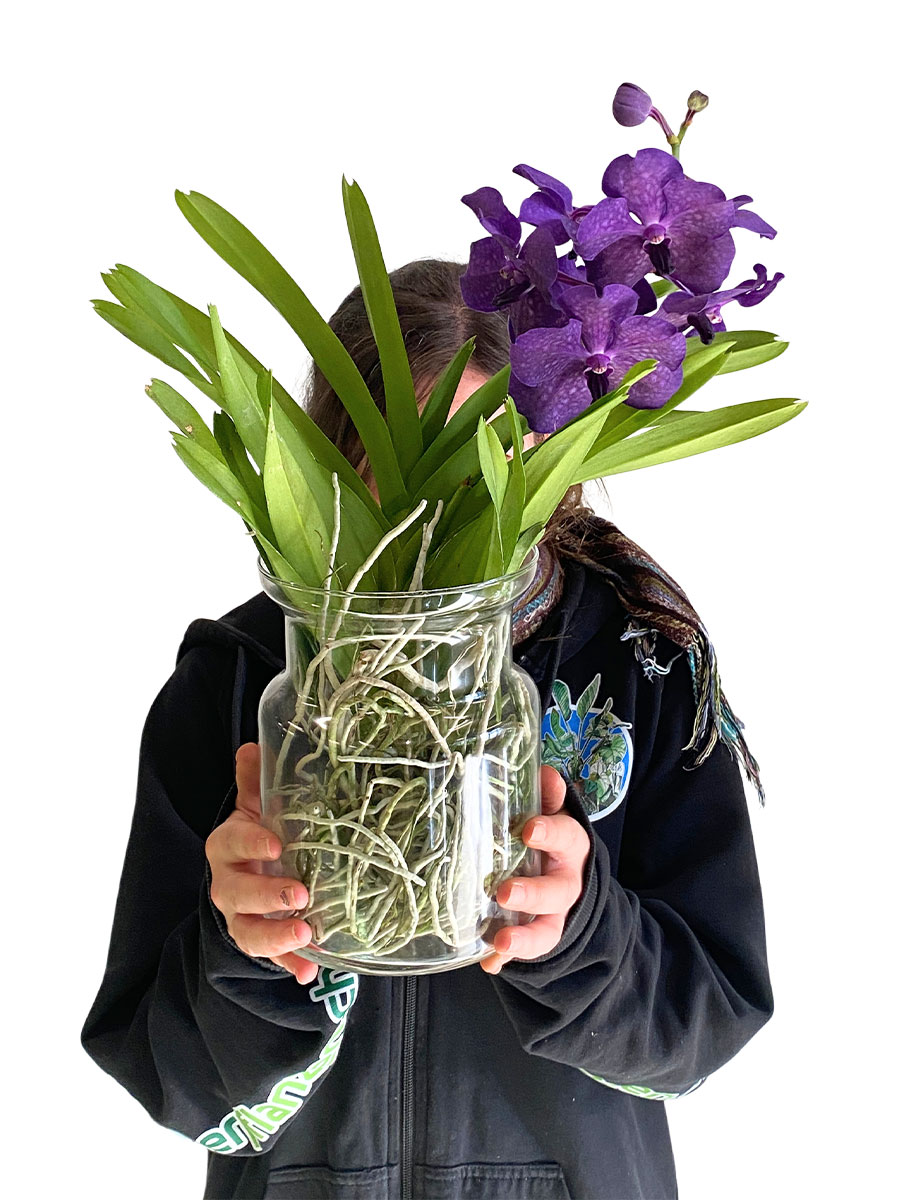
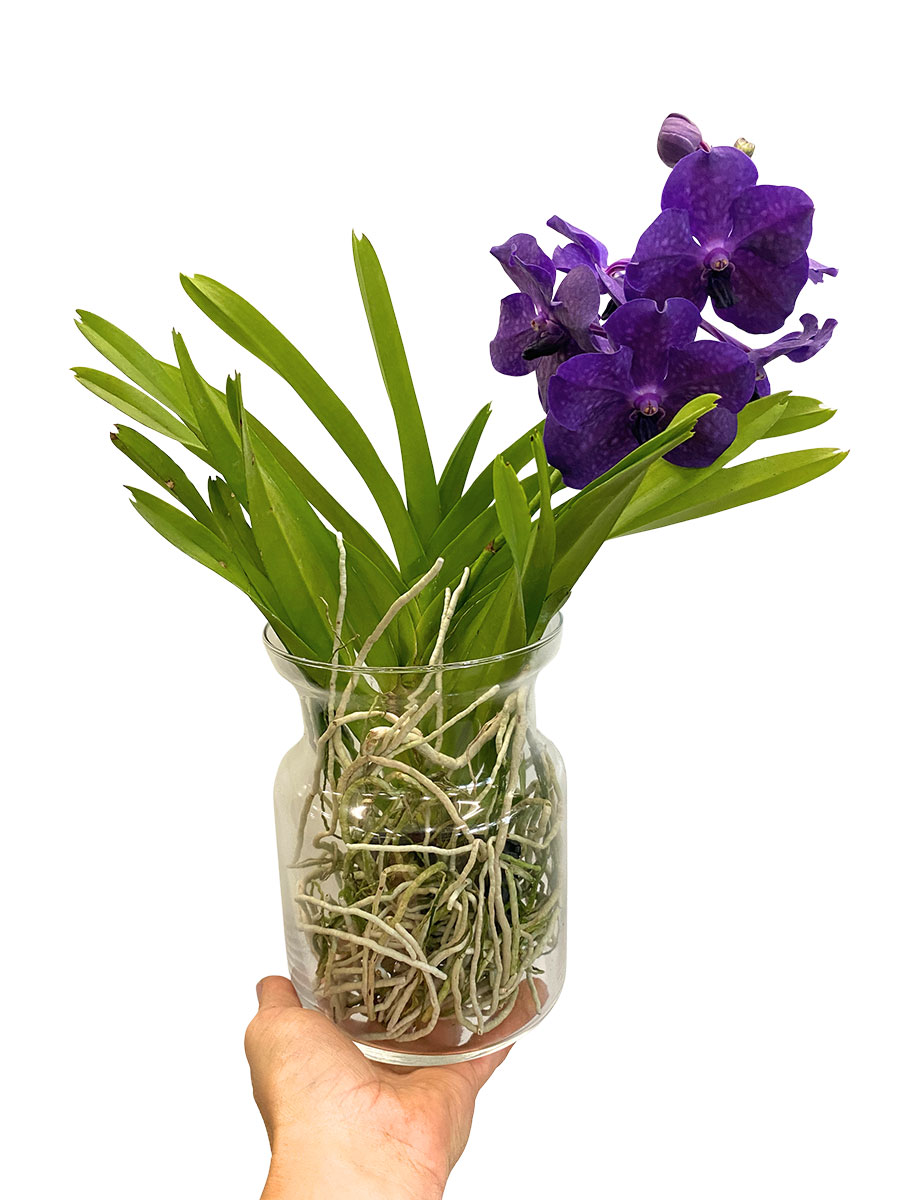
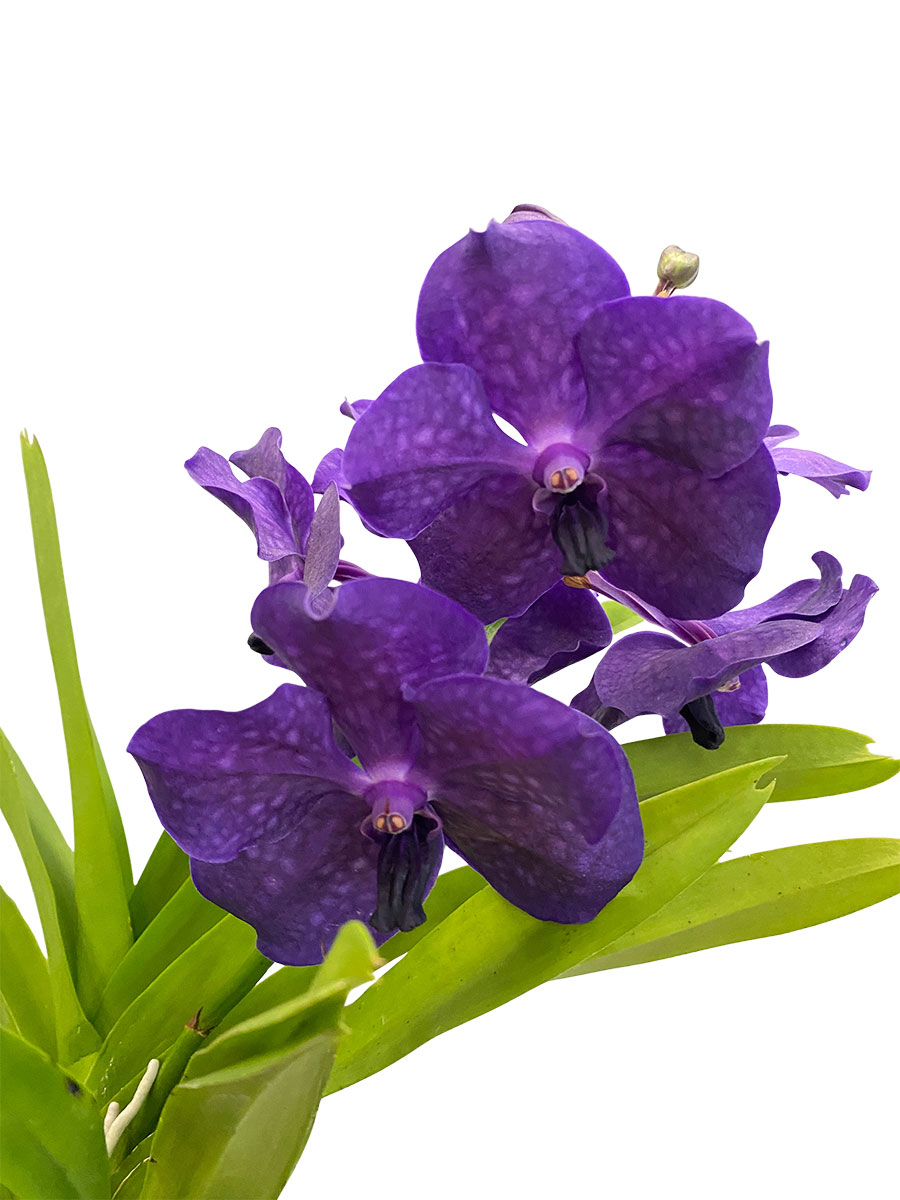
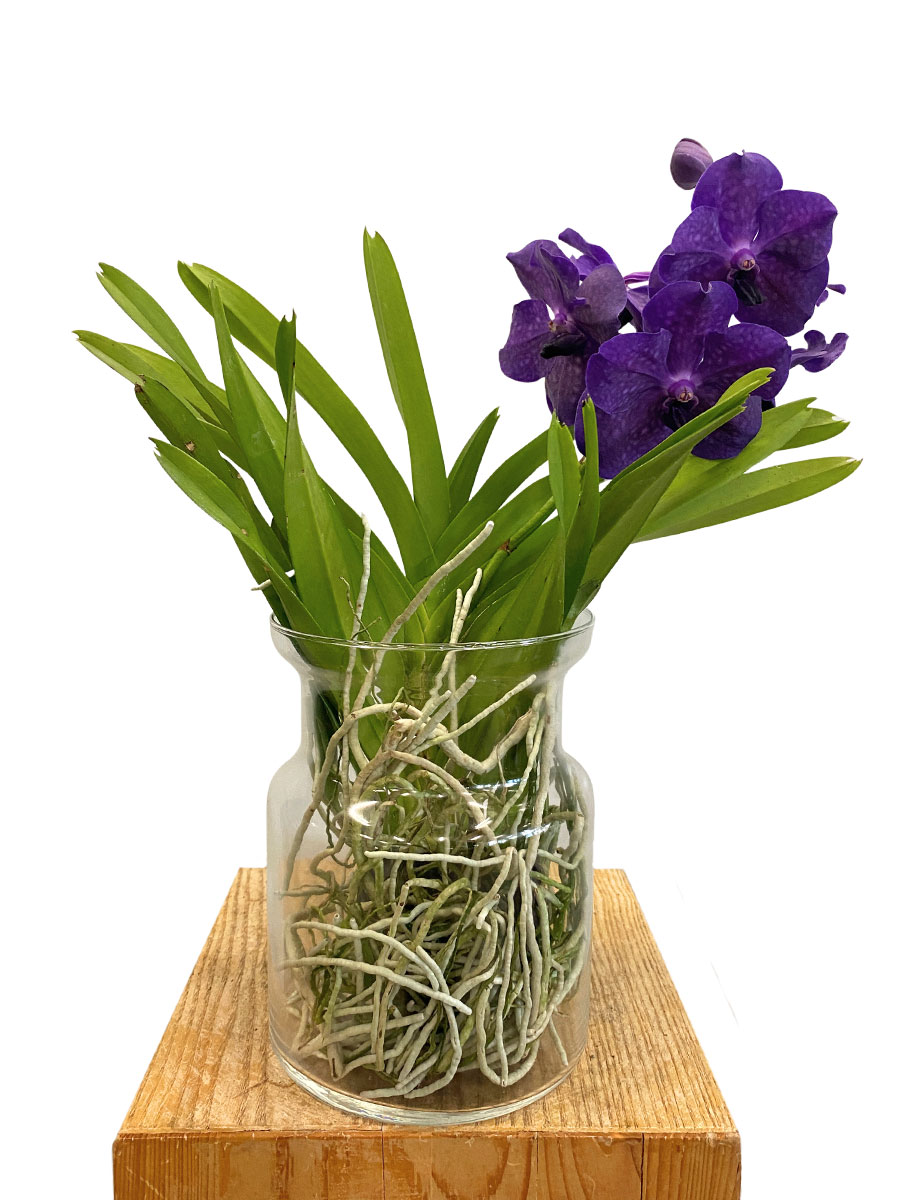
The Vanda Michelle orchid belongs to the genus Vanda and is a fascinating tropical orchid characterised by its elegant flowers, strong leaves and striking aerial roots. Vanda orchids originally come from the tropical regions of Asia, where they mainly grow as epiphytes on trees rather than in ordinary soil. In decorative glass cultivation, their characteristic aerial roots are shown off particularly beautifully, making the plant a real eye-catcher. In good conditions, it can flower several times a year and delights with colourful, long-lasting blooms. For pet owners, the Vanda orchid is generally a good choice, as it is considered non-toxic to cats and dogs and can therefore also be grown in households with pets.
Care as a houseplant:
- Light: Very bright to bright. Vanda orchids need a lot of light and also tolerate some direct morning or evening sun. Intense midday sun behind glass should be avoided.
- Temperature: Around 20–28 °C during the day and slightly cooler temperatures at night are ideal. Avoid temperatures below 15 °C where possible.
- Humidity: High humidity of around 60–80 % is preferred. A humidifier can be helpful, especially in dry rooms.
- Substrate: In glass cultivation, the Vanda is kept without conventional substrate. The aerial roots should have enough space and be well ventilated.
- Watering: Moisten the aerial roots regularly with low-lime water or, depending on how it is grown, briefly dip the plant. Excess water should then be able to drain away completely. Never leave the roots standing in water permanently.
- Feeding: During active growth, feed roughly every 1–2 weeks with a special orchid fertiliser at a weak dose. Feeding can be reduced in winter.
- Special features: The aerial roots are an important part of the plant and should not be cut off as long as they are healthy. Good air circulation is particularly important. Faded flower spikes can be removed once they have dried out completely.
- Important for pet owners: Vanda orchids are considered non-toxic to cats and dogs and are therefore generally well suited to households with pets.
Overwintering tips:
The Vanda Michelle should be kept very bright and warm in winter too. As natural light is weaker in the cold season, a grow light can be used if needed. Watering should be adapted to the slower growth, but at the same time the aerial roots must not dry out completely for long periods.
Login