


Elephant's Ear Kalanchoe - Large
CHF 149.90*
Item no. 1574
Prices incl. VAT plus shipping costs
Delivery time 2 - 7 working days
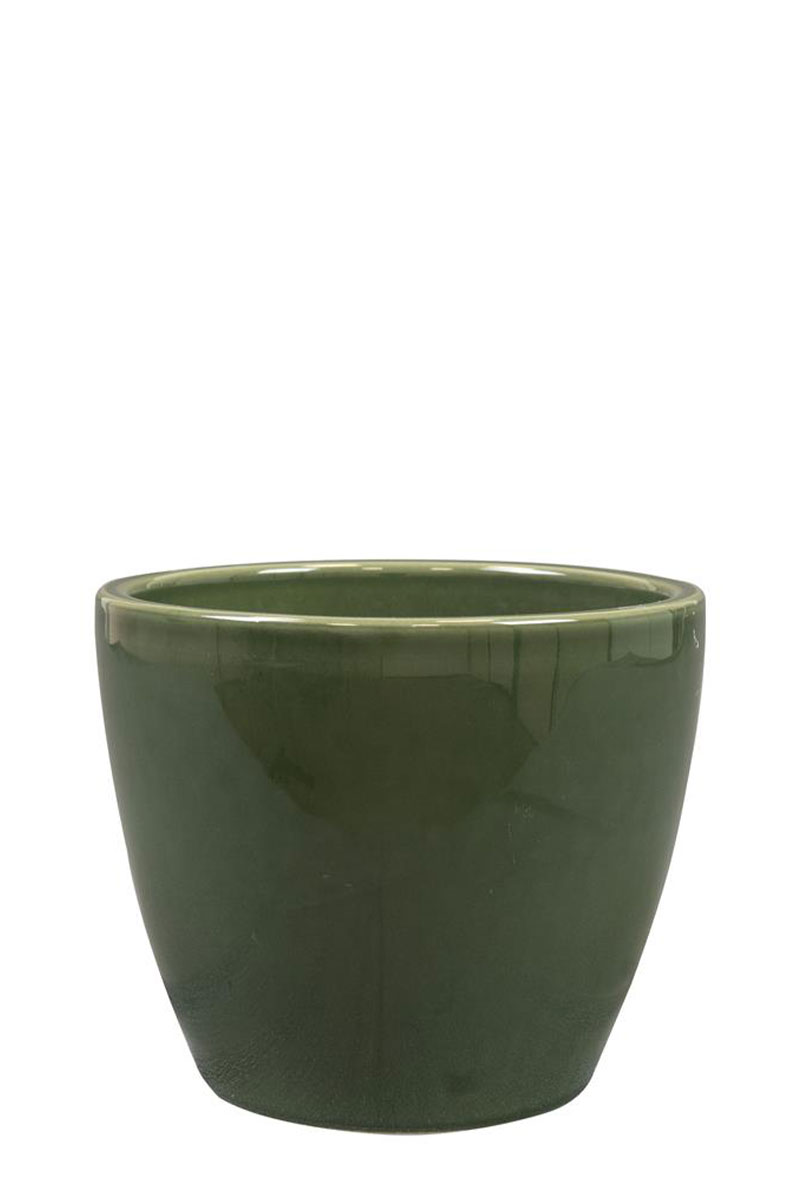
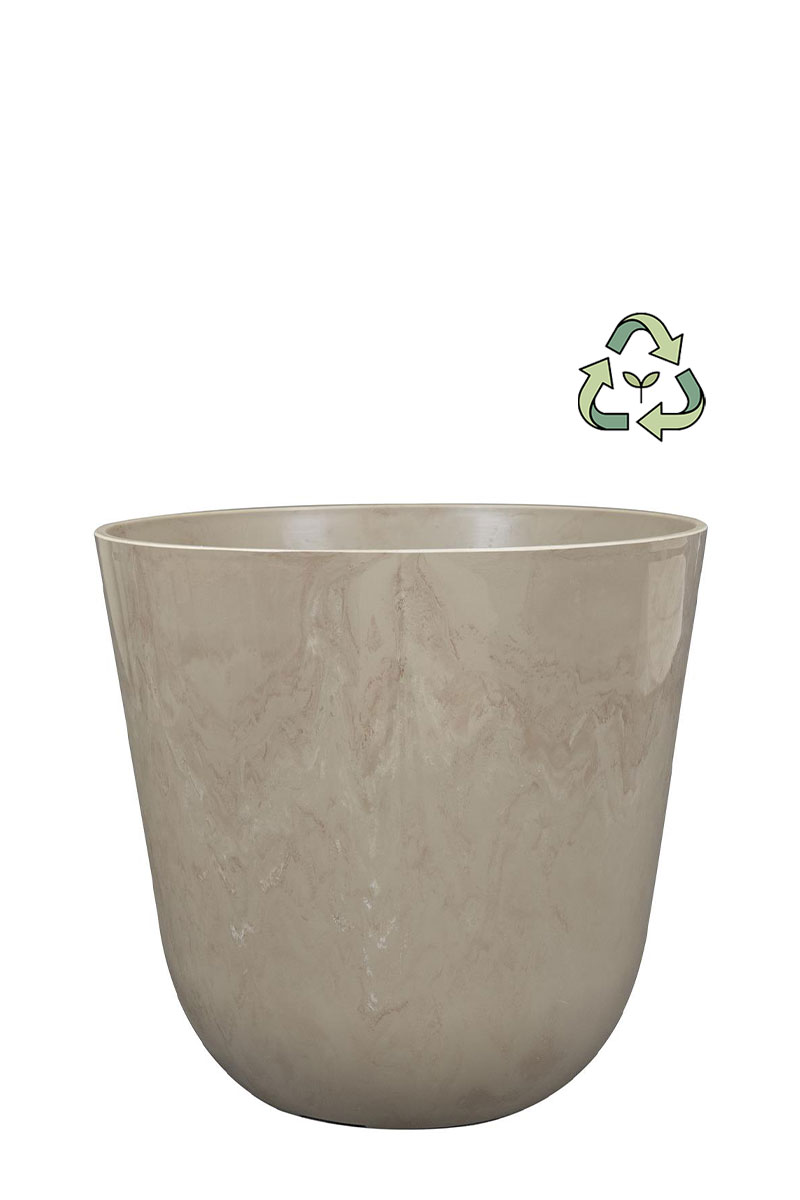
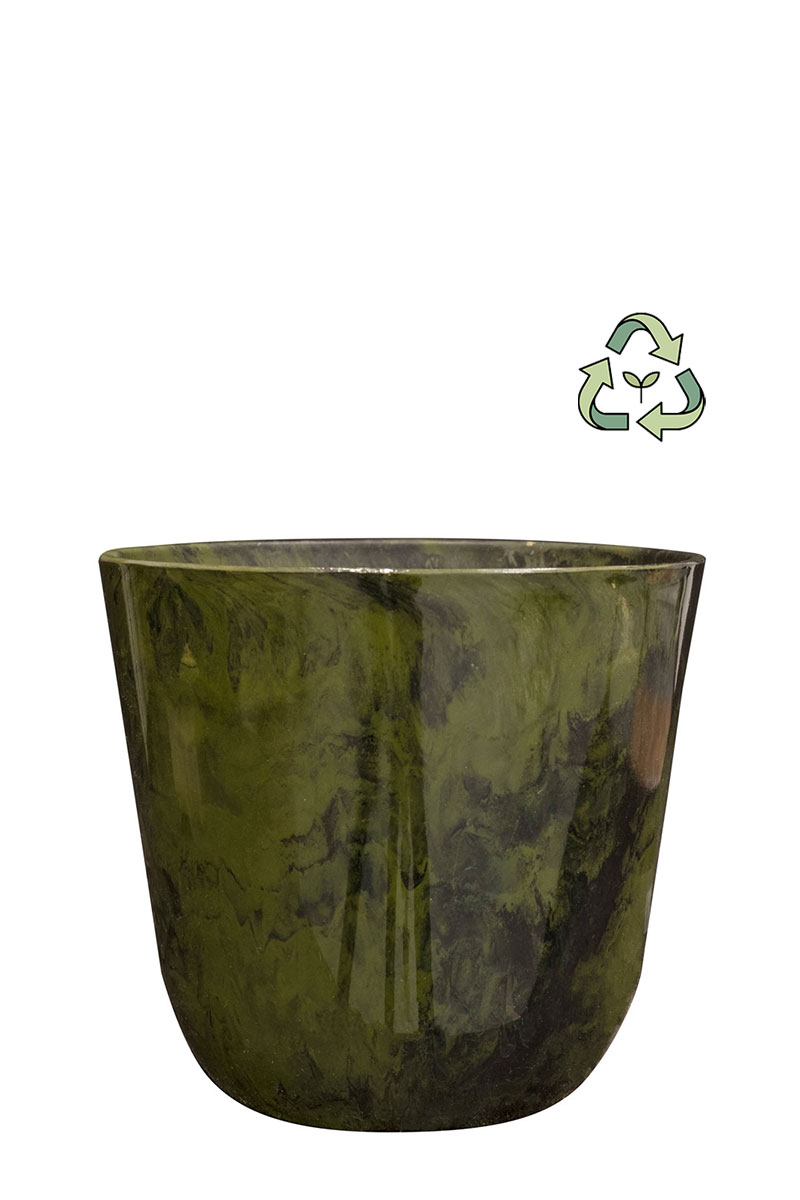
Choose a decorative pot cover compatible with your planting kit Ø30cm:


Useful accessories & substrates








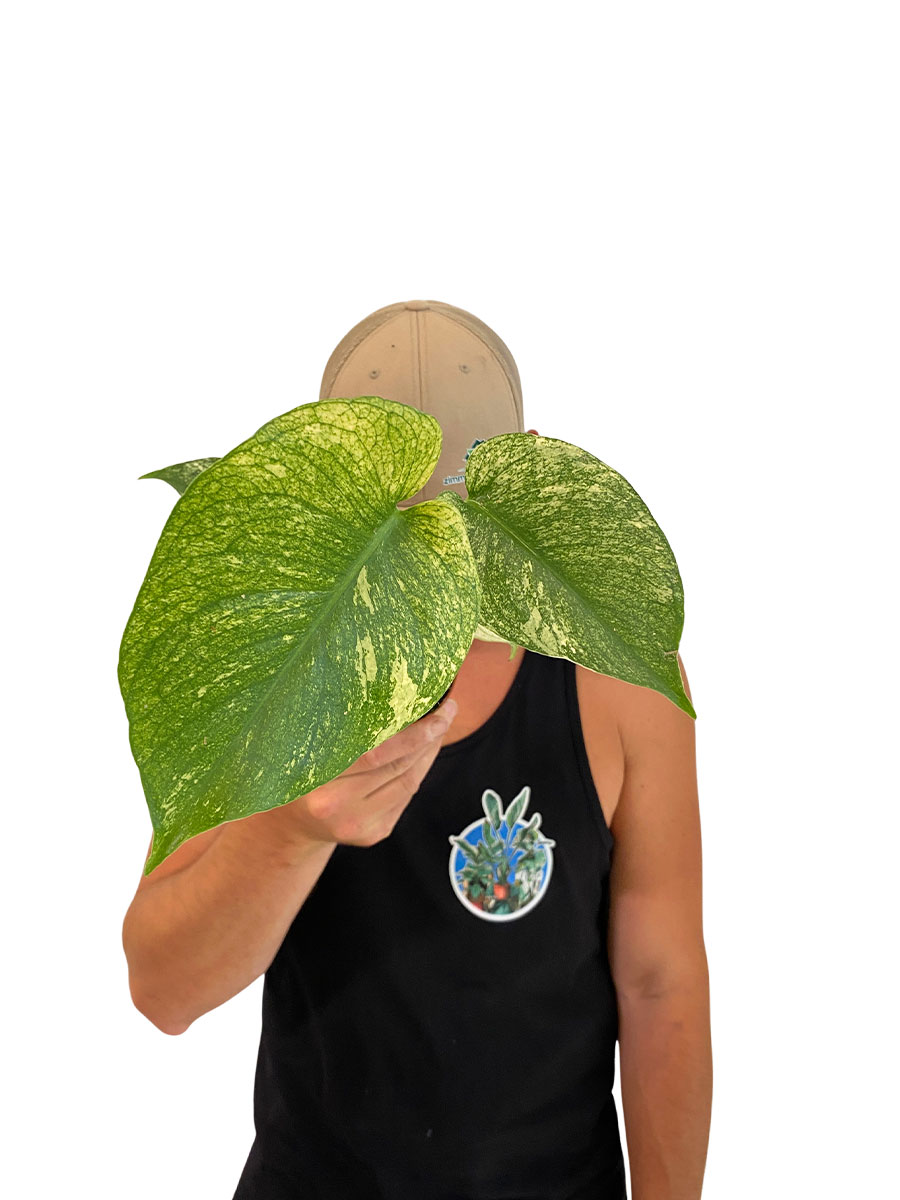


History of the elephant's ear kalanchoe
The elephant's ear kalanchoe, botanically Kalanchoe beharensis, is an extraordinary succulent from Madagascar that stands out above all for its large, triangular, velvety-haired leaves. The silvery-green to slightly brownish leaves have a distinctive, felty surface and can reach an impressive size on mature plants. As it ages, the plant develops a sturdy, woody trunk and can form a small, tree-like habit. In its natural habitat it grows in warm and rather dry regions and is therefore superbly adapted to longer periods of drought.
Care as a houseplant:
• Light: Very bright to sunny spot. Several hours of direct sun are well tolerated and promote compact growth. Accustom it to strong sun gradually.
• Temperature: Ideally 18–28 °C; avoid temperatures below 10–12 °C if possible.
• Humidity: Low to medium; dry indoor air is tolerated very well.
• Substrate: Very free-draining cactus substrate or a mineral mix of soil, sand, pumice and perlite. Be sure to avoid waterlogging.
• Watering: Water sparingly and let the substrate dry out completely or almost completely between waterings. Always let excess water drain away.
• Feeding: During the growing season, feed about every 4–8 weeks with a weakly dosed cactus fertiliser.
• Special features: The large, velvety-haired leaves make the elephant's ear kalanchoe an extraordinary eye-catcher. As it ages, it can develop an impressive, tree-like character. If necessary, it can be kept more compact by pruning.
• Important for pet owners: Kalanchoe beharensis should not be eaten by pets. Kalanchoe species can contain substances that are toxic to animals and should therefore be placed out of reach of cats, dogs and other pets.
Overwintering tips:
In winter, keep it as bright as possible and on the dry side. Reduce watering significantly and let the substrate dry out completely between waterings. Cool overwintering at around 10–15 °C is possible, as long as the plant remains frost-free.
Login