




Alocasia Imperial Red
CHF 64.90*
Item no. 4363
Prices incl. VAT plus shipping costs
Delivery time 2 - 7 working days
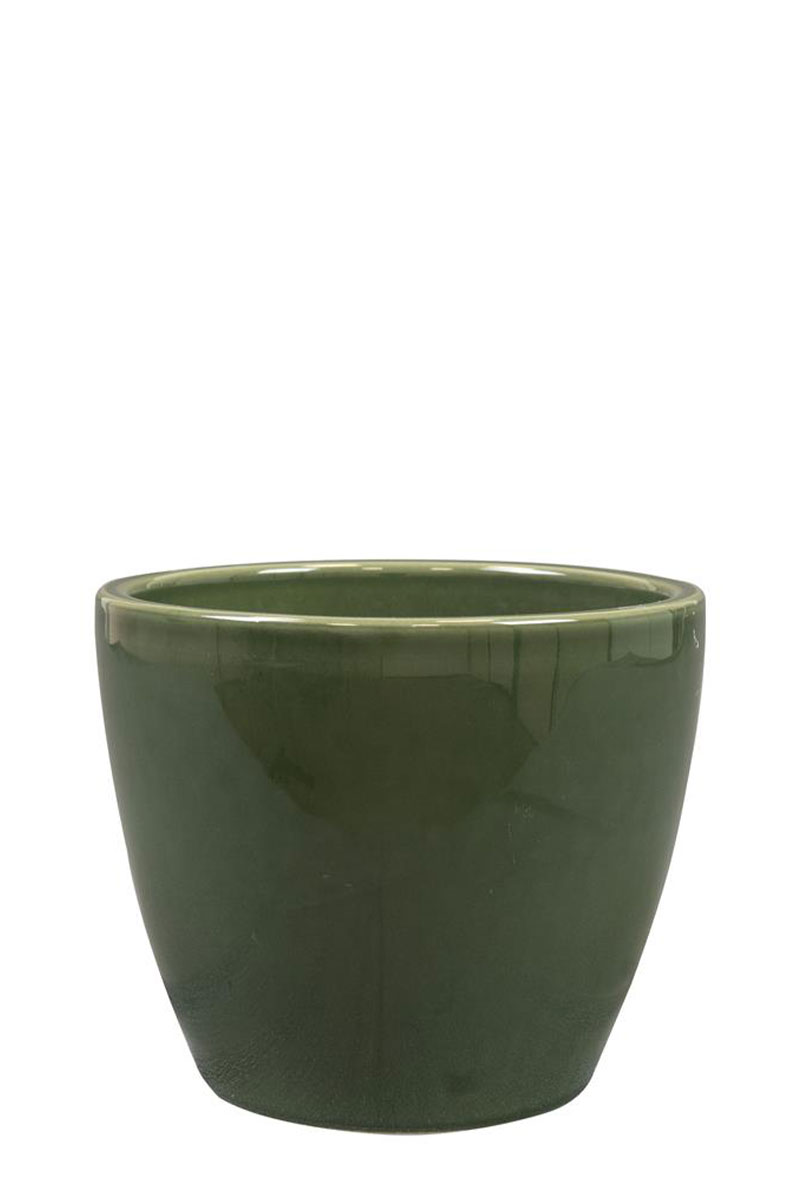
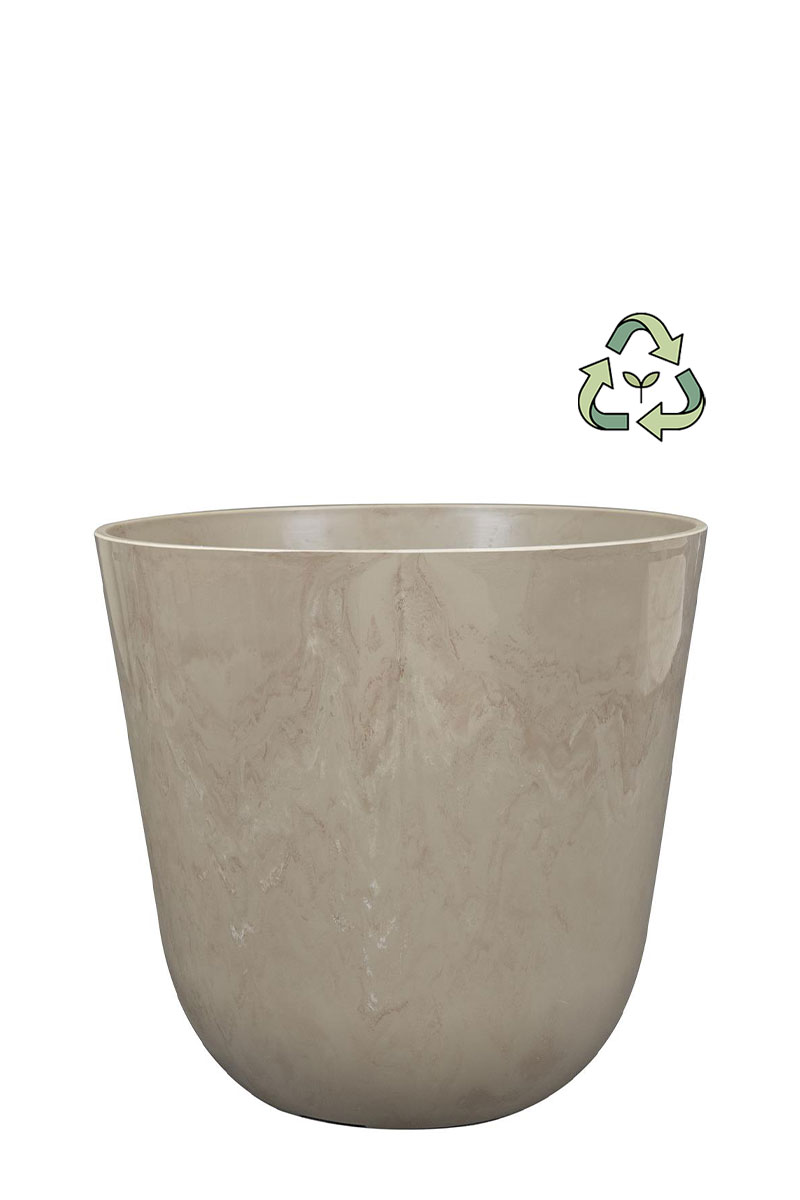
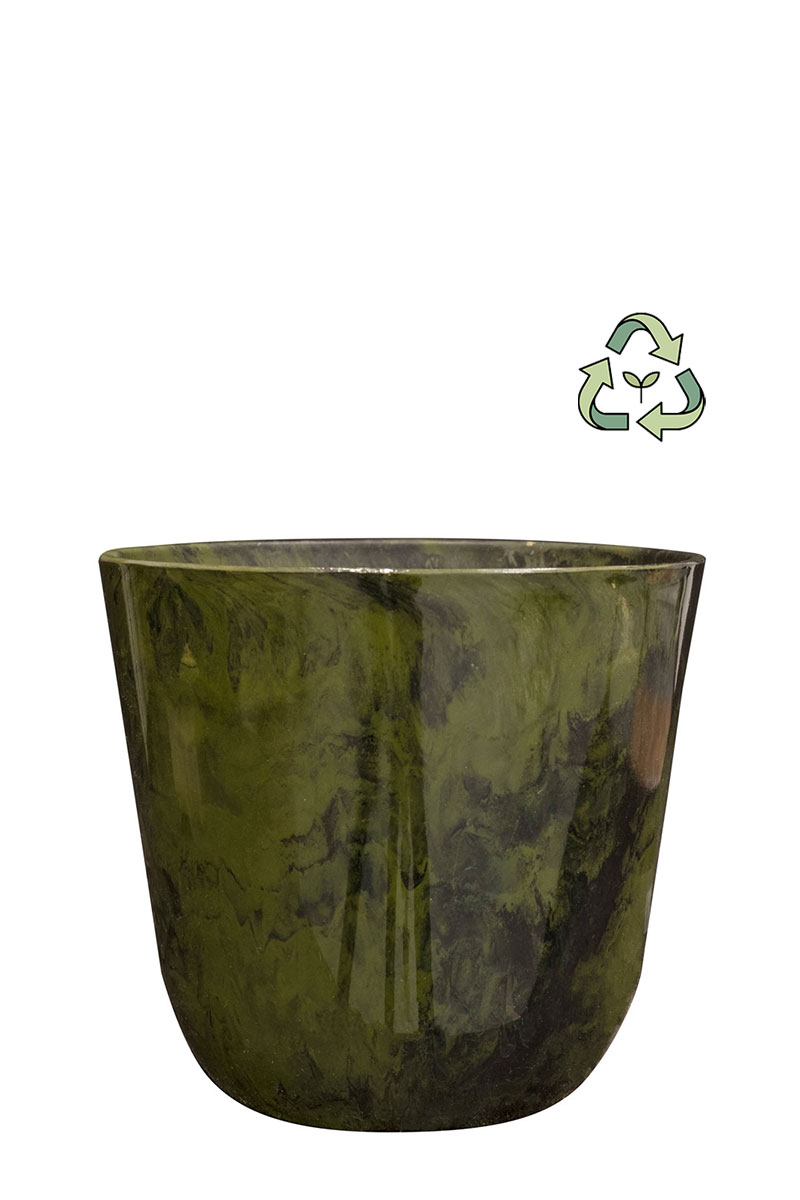
Choose a decorative pot cover compatible with your planting kit Ø30cm:


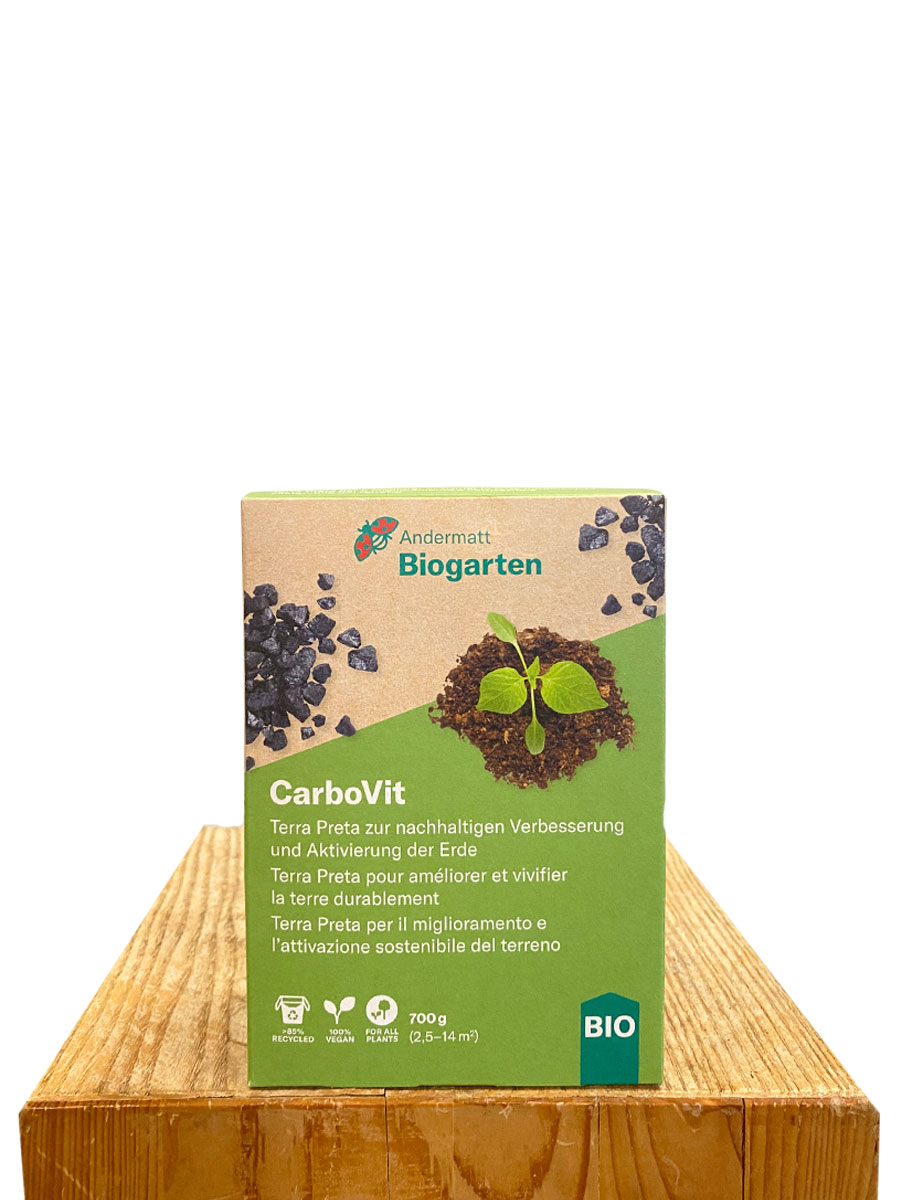
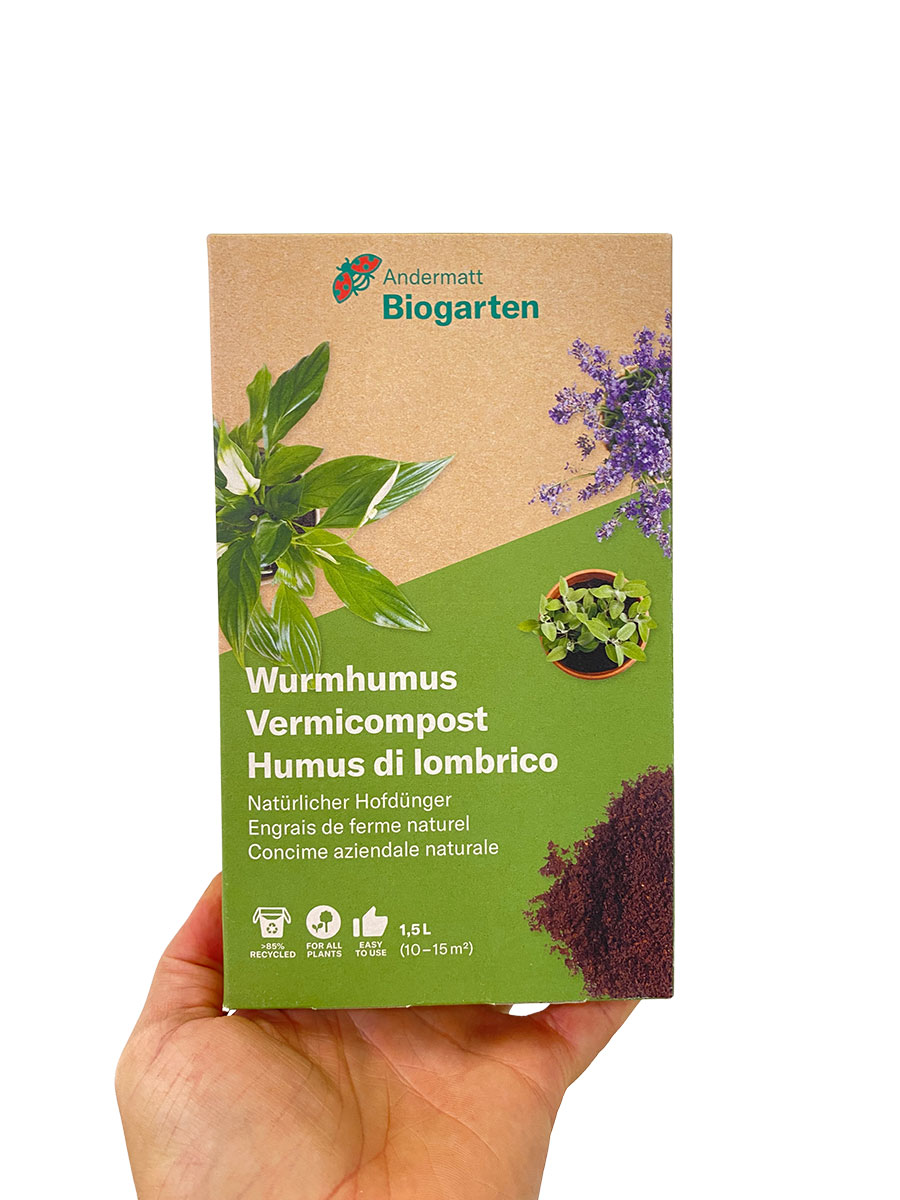
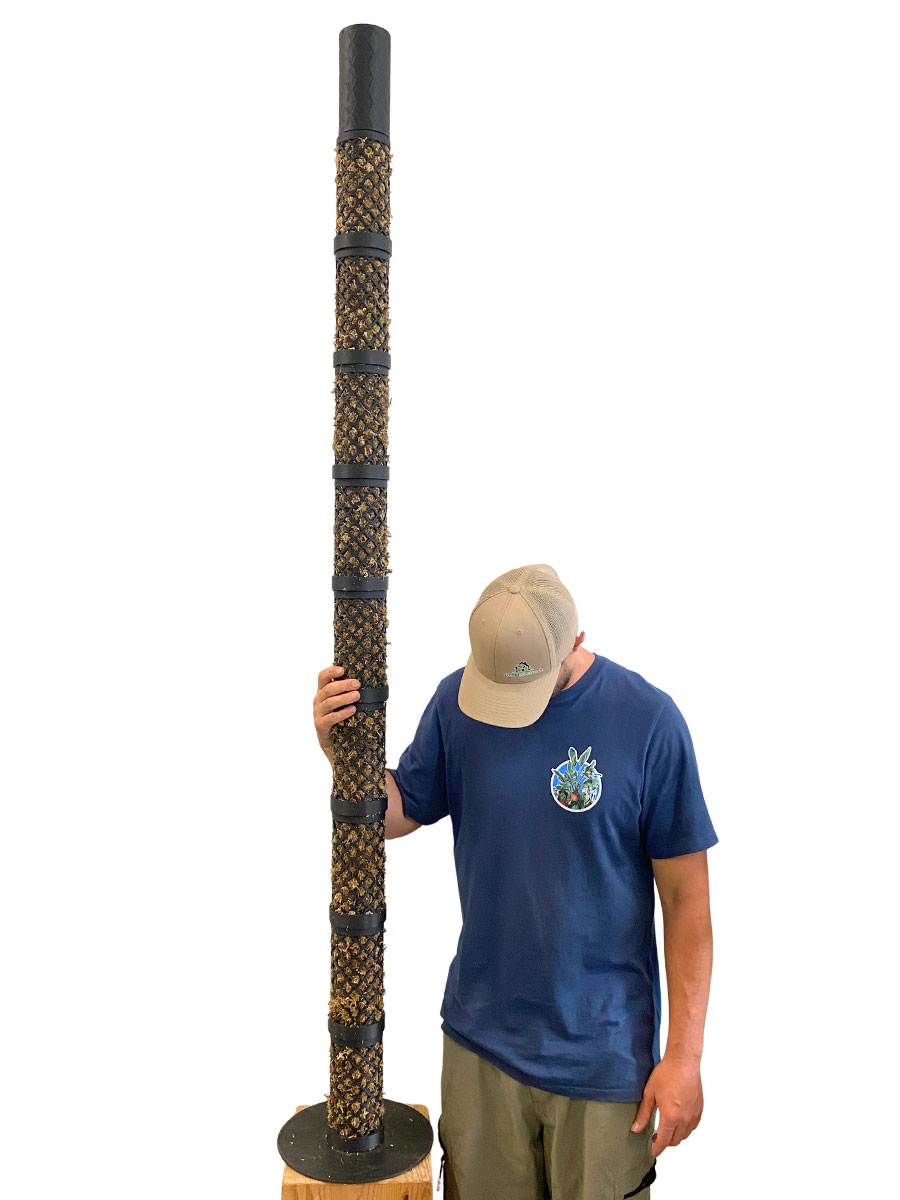
Useful accessories & substrates








History of the Alocasia Imperial Red
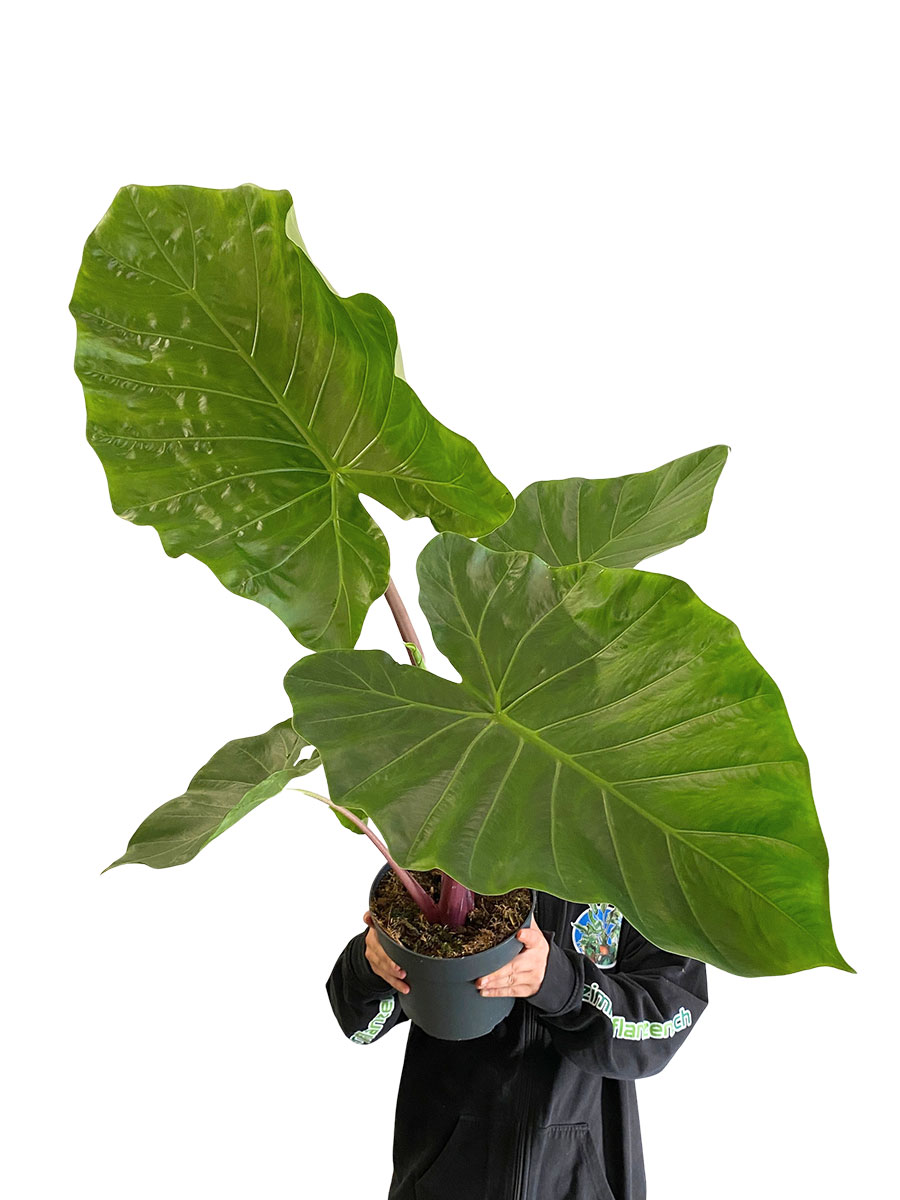
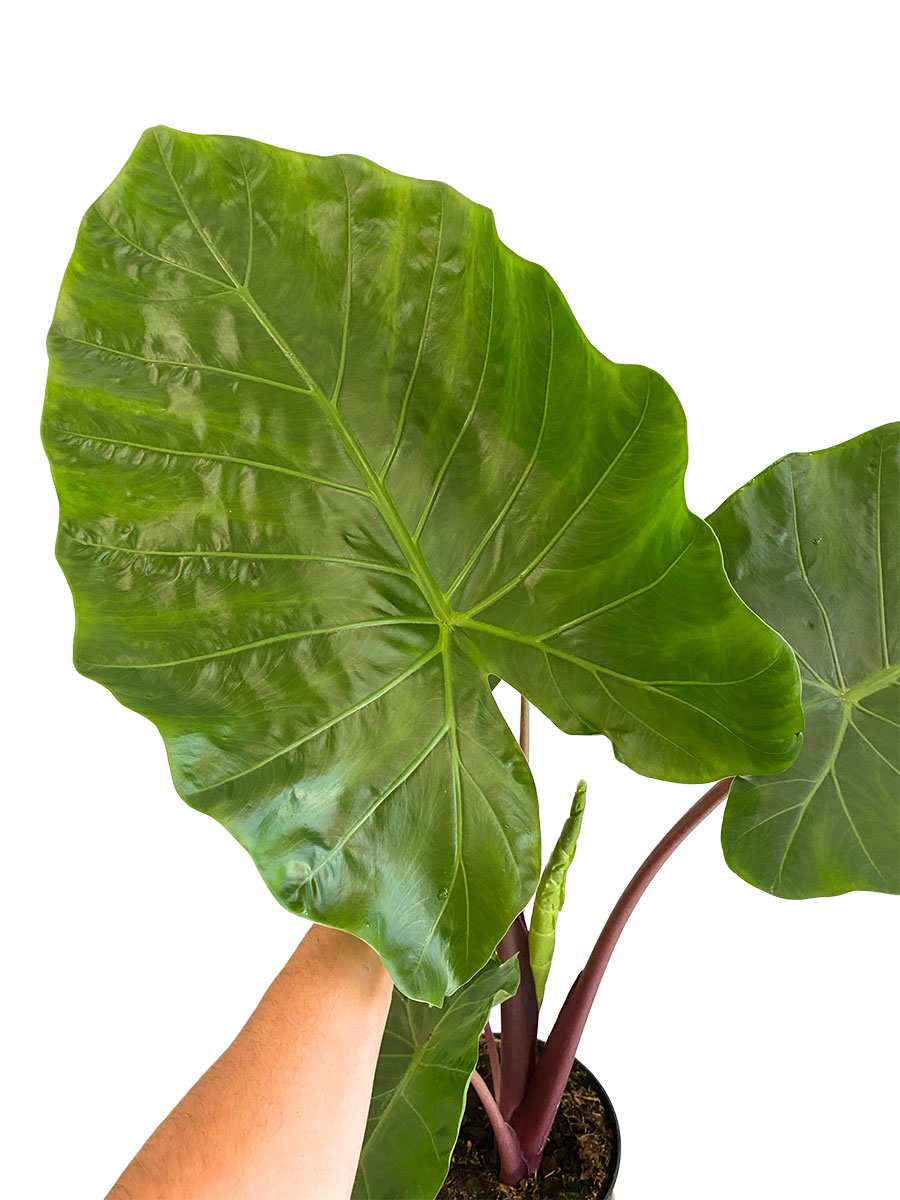
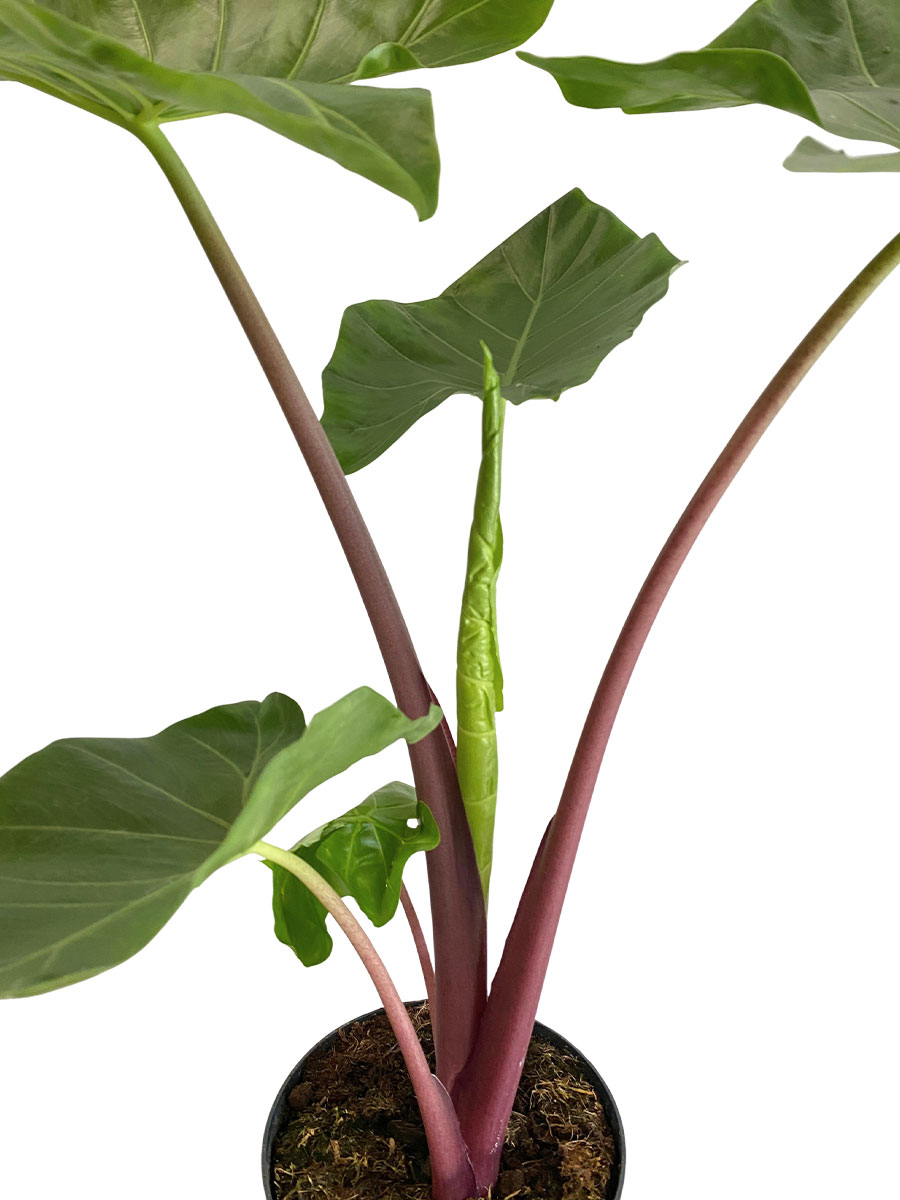
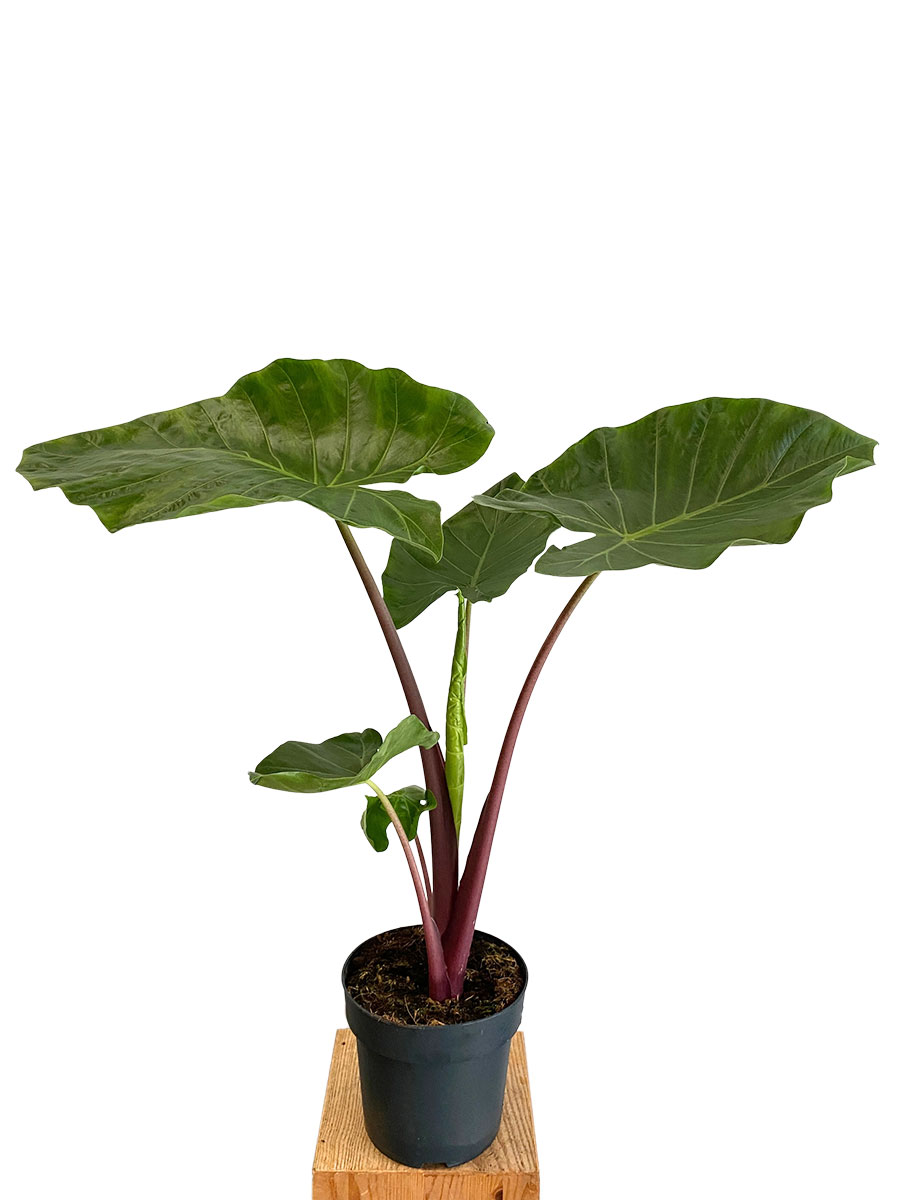
The Alocasia Imperial Red is a particularly decorative Alocasia with large, glossy leaves and strikingly reddish to burgundy-coloured leaf stalks and leaf undersides. The variety is listed as a horticultural hybrid of Alocasia odora and Alocasia macrorrhizos ‘Pink Petiole’. Its upright, compact growth makes it an attractive houseplant that adds an exotic touch with its strong colours. With warm temperatures, sufficient light and high humidity, it continuously produces impressive new leaves.
Care as a houseplant:
-
Light: Bright to very bright, but as indirect as possible. A spot near a window with filtered light is ideal. Intense midday sun should be avoided, as it can cause leaf burn.
-
Temperature: Around 18–28 °C is ideal. Temperatures below 15 °C should be avoided where possible, as the tropical Alocasia is sensitive to cold.
-
Humidity: Increased humidity of around 60–80 % is preferred. A humidifier can be helpful, especially with dry heating air.
-
Substrate: A loose, airy yet slightly moisture-retaining aroid substrate is ideal. A mix of high-quality potting soil or coconut fibre, perlite and pine bark ensures good aeration of the roots and reliable drainage.
-
Watering: Keep evenly moist, but be sure to avoid waterlogging. Water as soon as the top 2–3 cm of the substrate has dried slightly. Excess water should always be able to drain away well.
-
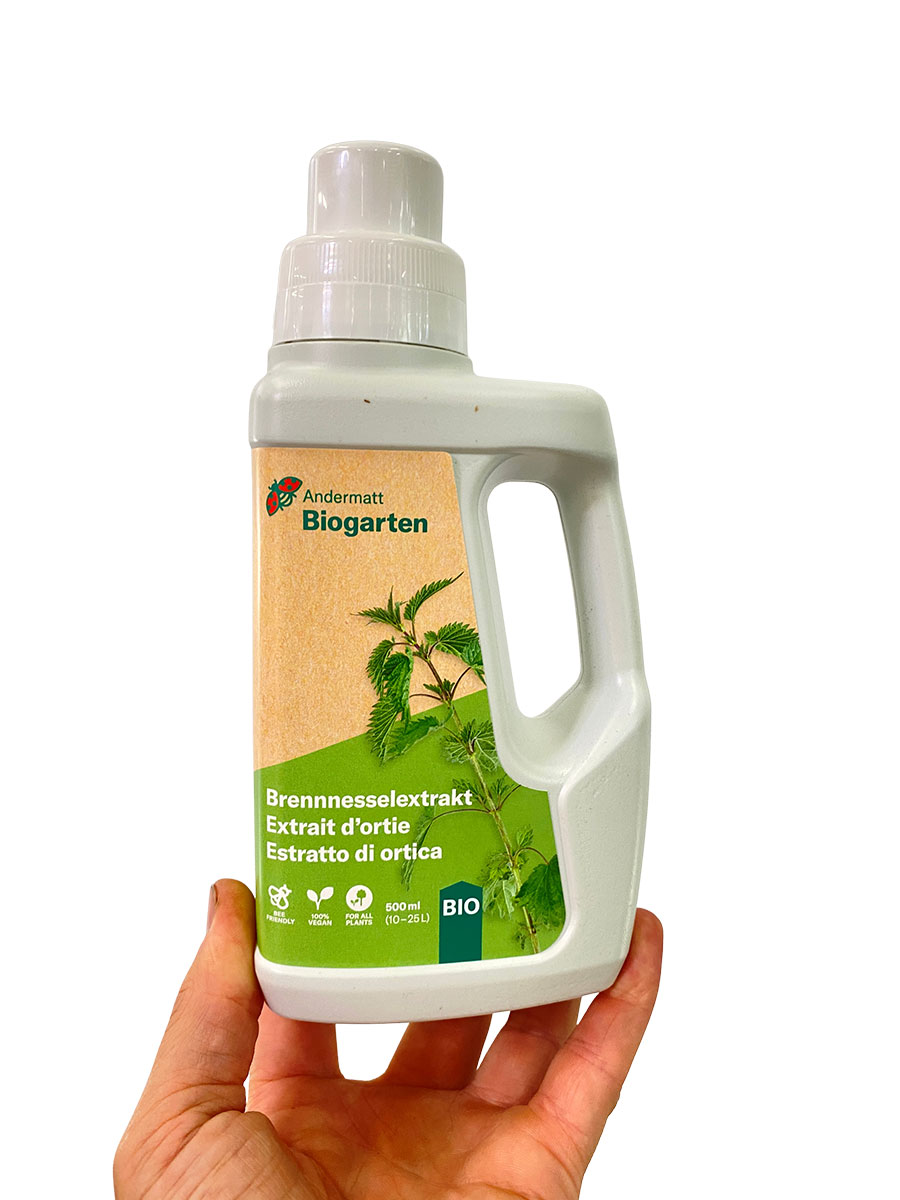
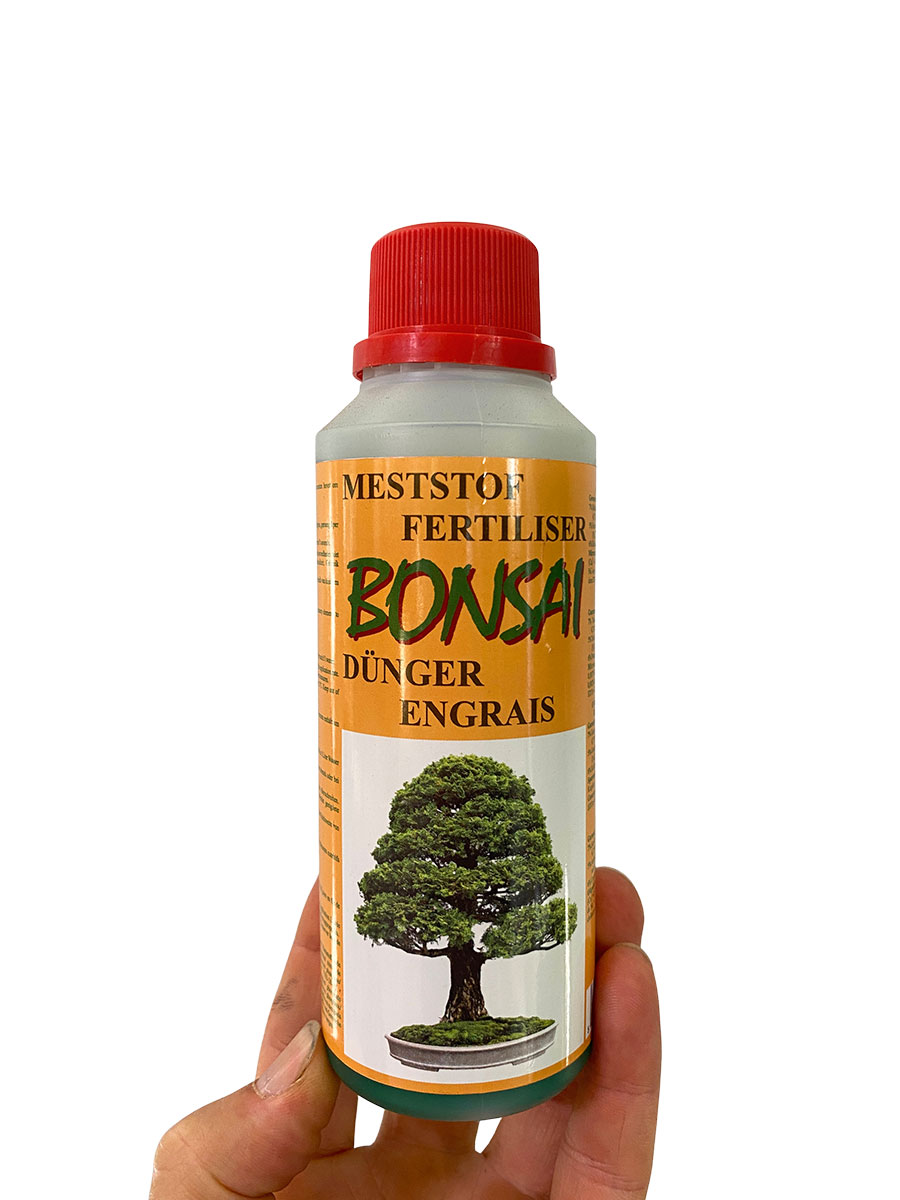
Feeding: During the growing season in spring and summer, feed about every 2–4 weeks with a balanced liquid fertiliser for foliage plants at a reduced dose. In autumn and winter, when growth slows considerably, stop feeding.
-
Special features: The Alocasia Imperial Red grows upright and produces new leaves from a central rhizome or tuber. At cooler temperatures or with too little light, it may temporarily go dormant and lose leaves. In warm conditions it usually sprouts again.
-
Important for pet owners: Alocasias contain insoluble calcium oxalate crystals and are considered toxic to pets. Chewing or swallowing can cause severe irritation in the mouth, salivation, vomiting and difficulty swallowing, among other things. The plant should therefore be kept out of reach of cats, dogs and small children.
Overwintering tips:
The Alocasia Imperial Red should also be kept as warm and bright as possible in winter. With less light, growth often slows considerably and the plant may temporarily die back its leaves. During this time, water less and do not feed. It is important that the substrate can dry out a little between waterings, as cool, permanently wet soil can quickly lead to root problems.
Login