


Alocasia Portodora
CHF 89.90*
Item no. 827
Prices incl. VAT plus shipping costs
Delivery time 2 - 7 working days
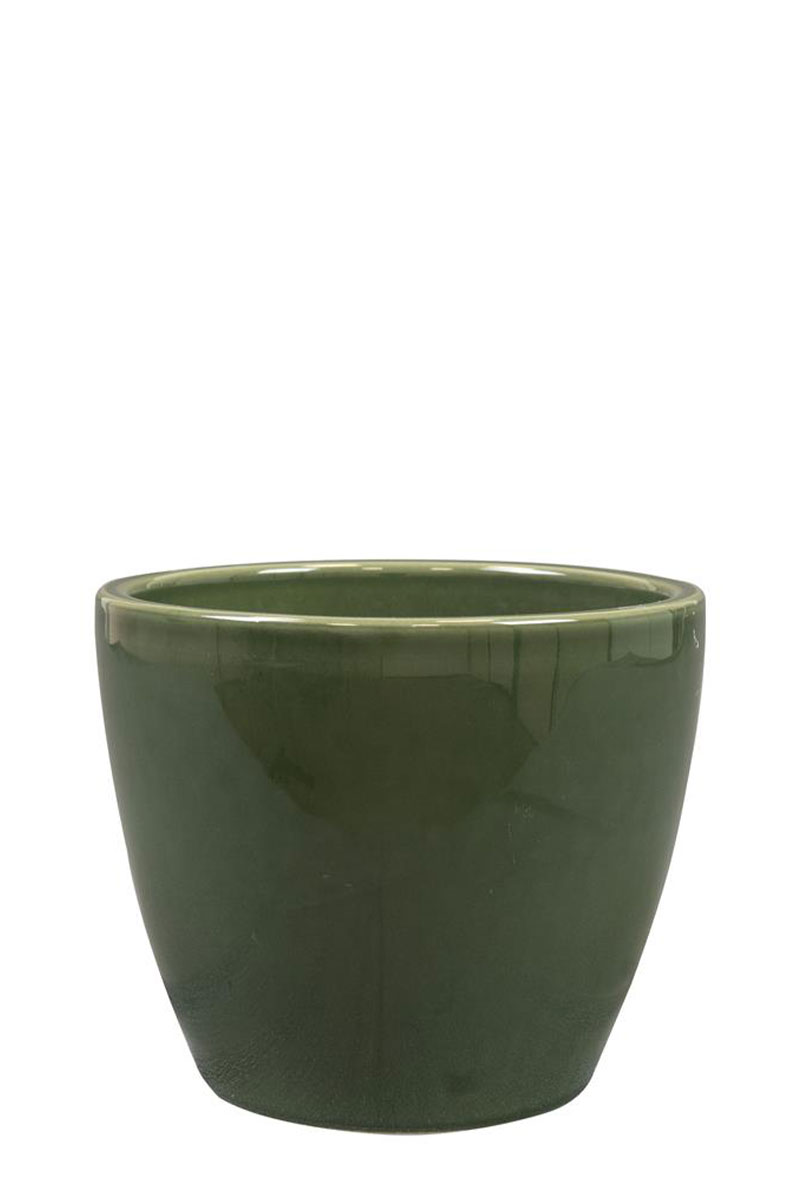
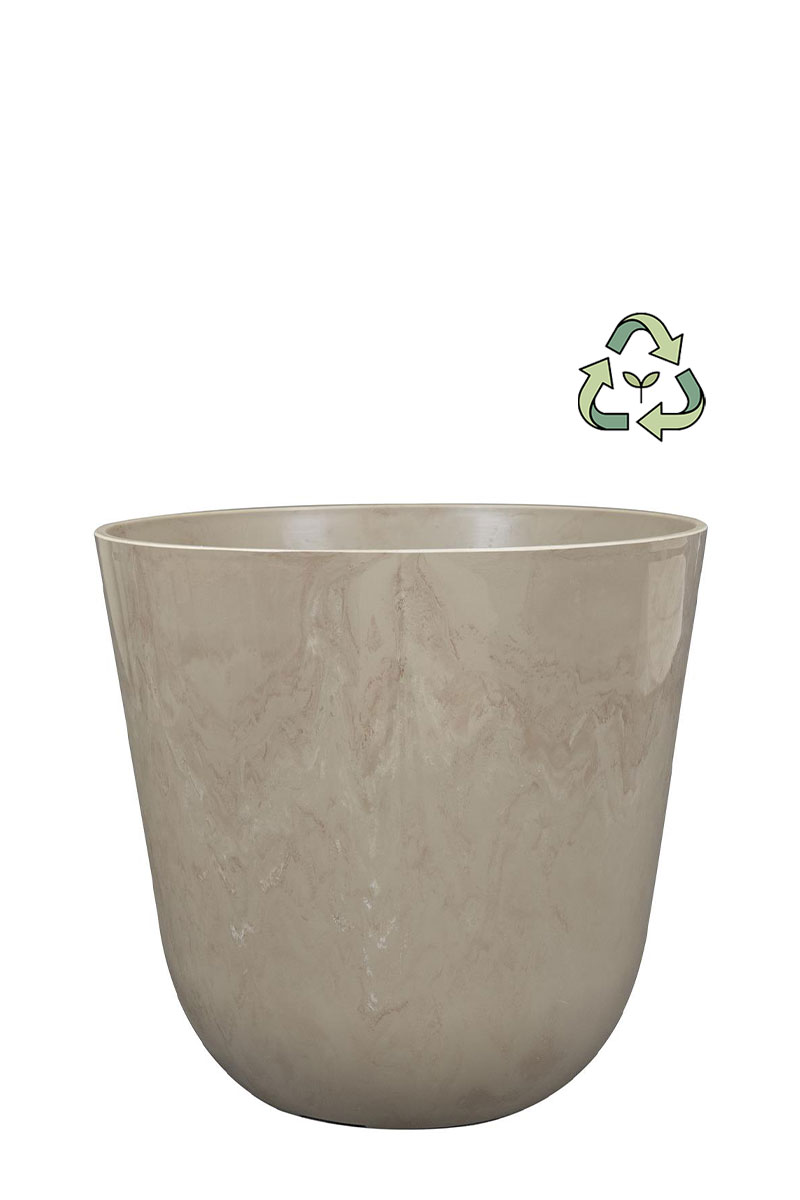
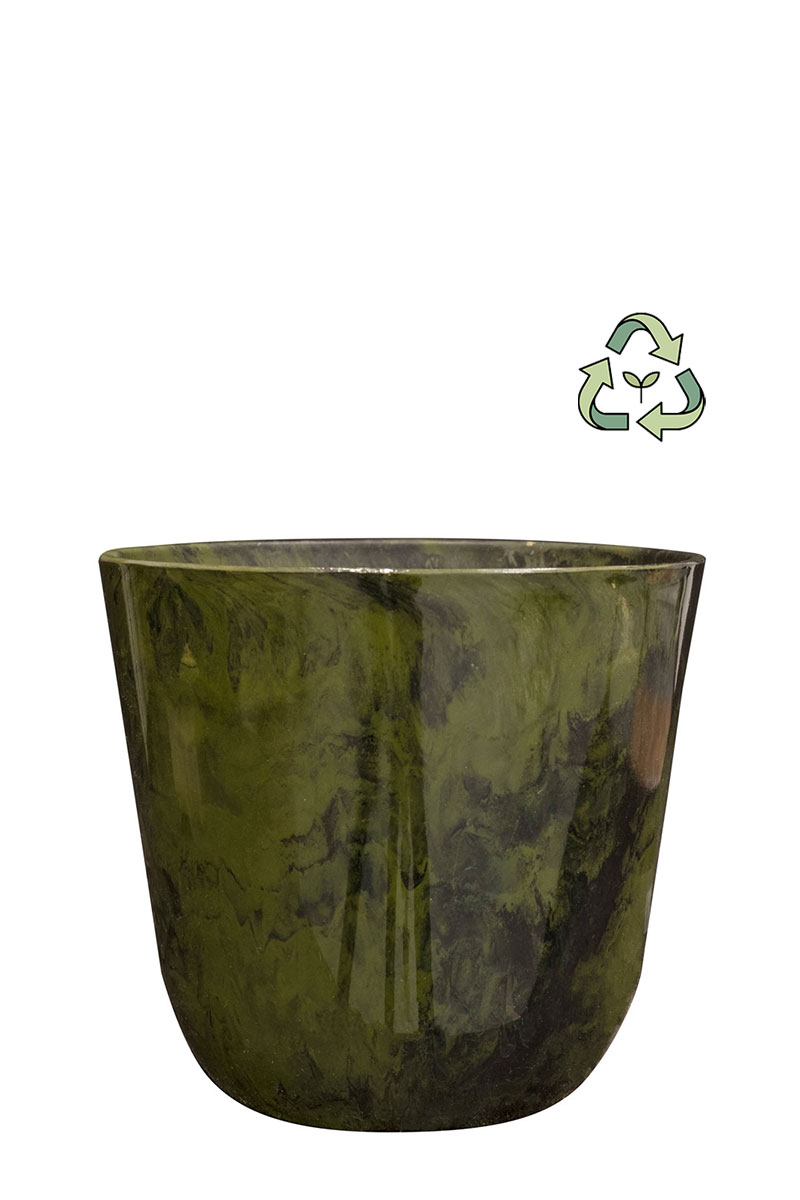
Choose a decorative pot cover compatible with your planting kit Ø30cm:


Useful accessories & substrates








History of the Alocasia Portodora
The Alocasia Portodora is an imposing and fast-growing elephant ear hybrid that impresses with its large, upright, arrow-shaped leaves. The rich green foliage has a slightly wavy texture and sits on sturdy, upright leaf stalks, giving the plant a majestic, tropical character. Under good conditions, the Portodora can reach a considerable size and is therefore particularly suitable as an impressive specimen plant. Like many alocasias, it prefers warm and humid conditions and comes from the tropical flora of South-East Asia.
Care as a houseplant:
• Light: Bright to partially shaded spot with plenty of indirect light. Some morning or evening sun is well tolerated. Avoid intense midday sun.
• Temperature: 20–28 °C is optimal; avoid temperatures below 16 °C where possible.
• Humidity: High; around 60–80 % is ideal. Increased humidity supports the development of large, strong leaves.
• Substrate: Loose, airy and free-draining aroid substrate, for example made of pine bark, perlite, coconut chips and high-quality potting soil.
• Watering: Keep evenly and slightly moist. The top layer of substrate may dry out slightly between waterings. Be sure to avoid waterlogging.
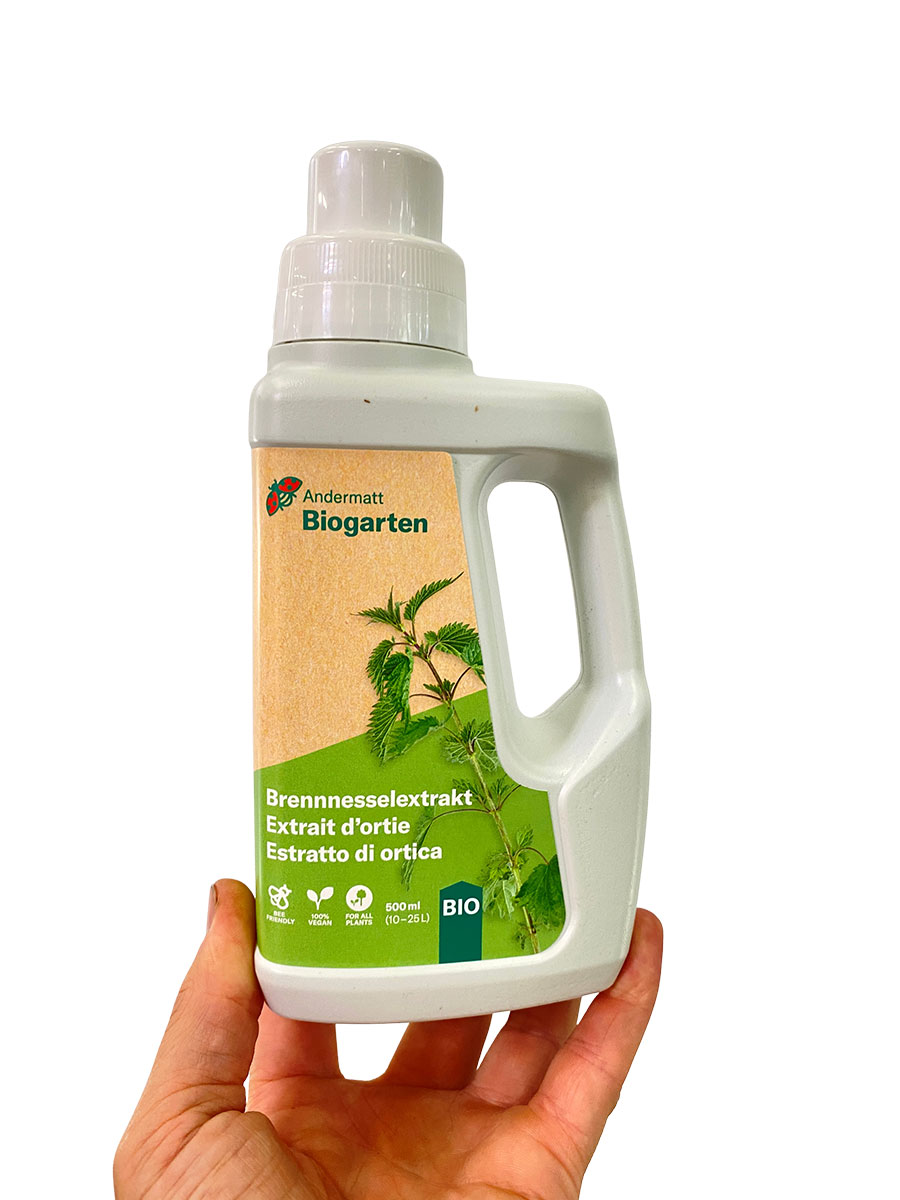
• Feeding: During the growing season, feed roughly every 2–3 weeks with a weakly dosed liquid fertiliser for foliage plants or aroids.
• Special features: The large, upright leaves give the Alocasia Portodora a particularly impressive appearance. With sufficient warmth, light and water, it can grow very vigorously and reach a stately height.
• Important for pet owners: The Alocasia Portodora is not suitable for consumption by pets. Like many alocasias, it contains calcium oxalate crystals, which can cause irritation if chewed or swallowed. Therefore keep it out of the reach of cats, dogs and other pets.
Overwintering tips:
In winter, water a little less and continue to keep in as bright and warm a spot as possible. Temperatures should stay as constantly as possible above 16–18 °C. Avoid cold draughts and strong temperature fluctuations. With less light, growth can slow down considerably and the plant may temporarily lose a few older leaves.
Login