


Chestnut Vine voinierianum - Large
CHF 499.90*
Item no. 591
Prices incl. VAT plus shipping costs
Delivery time 2 - 7 working days
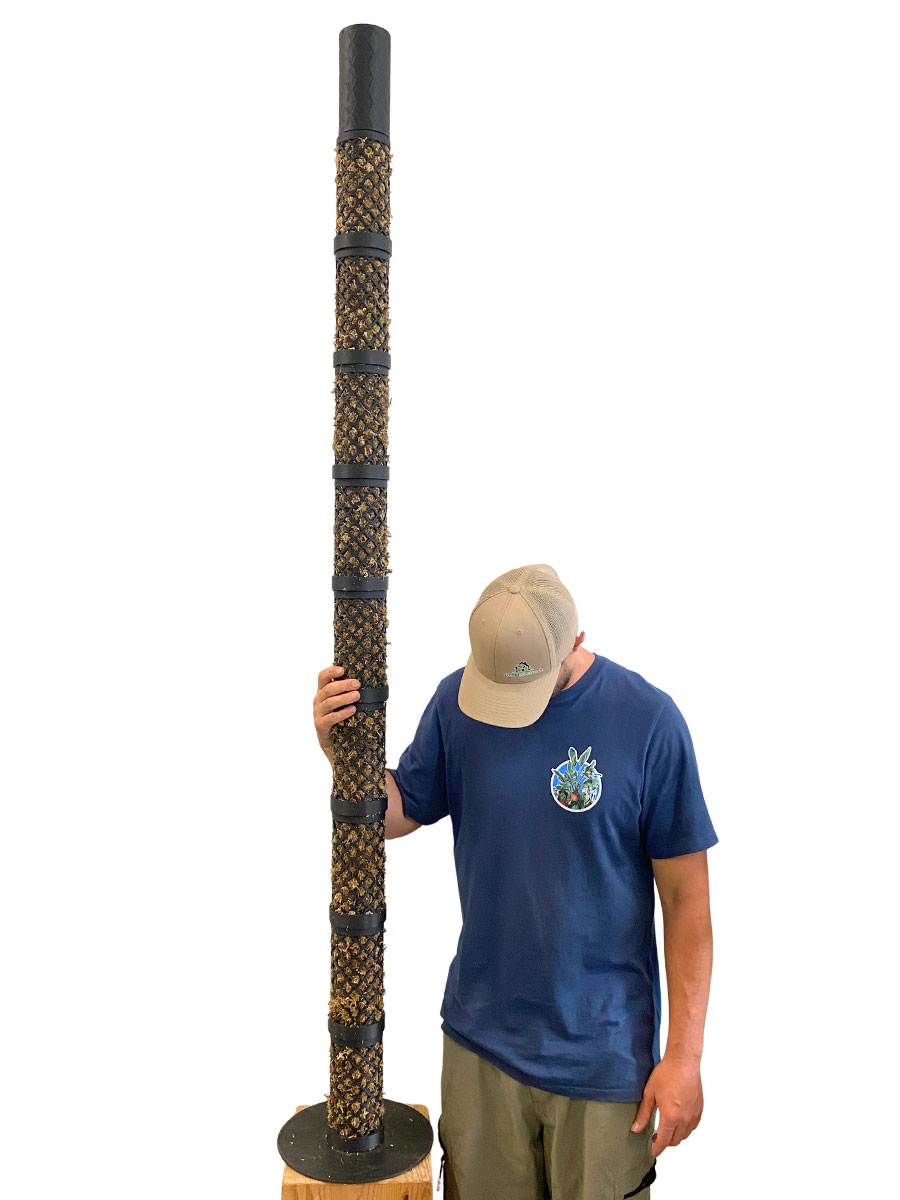
Recommended planting kit 50 or soil irrigation system:
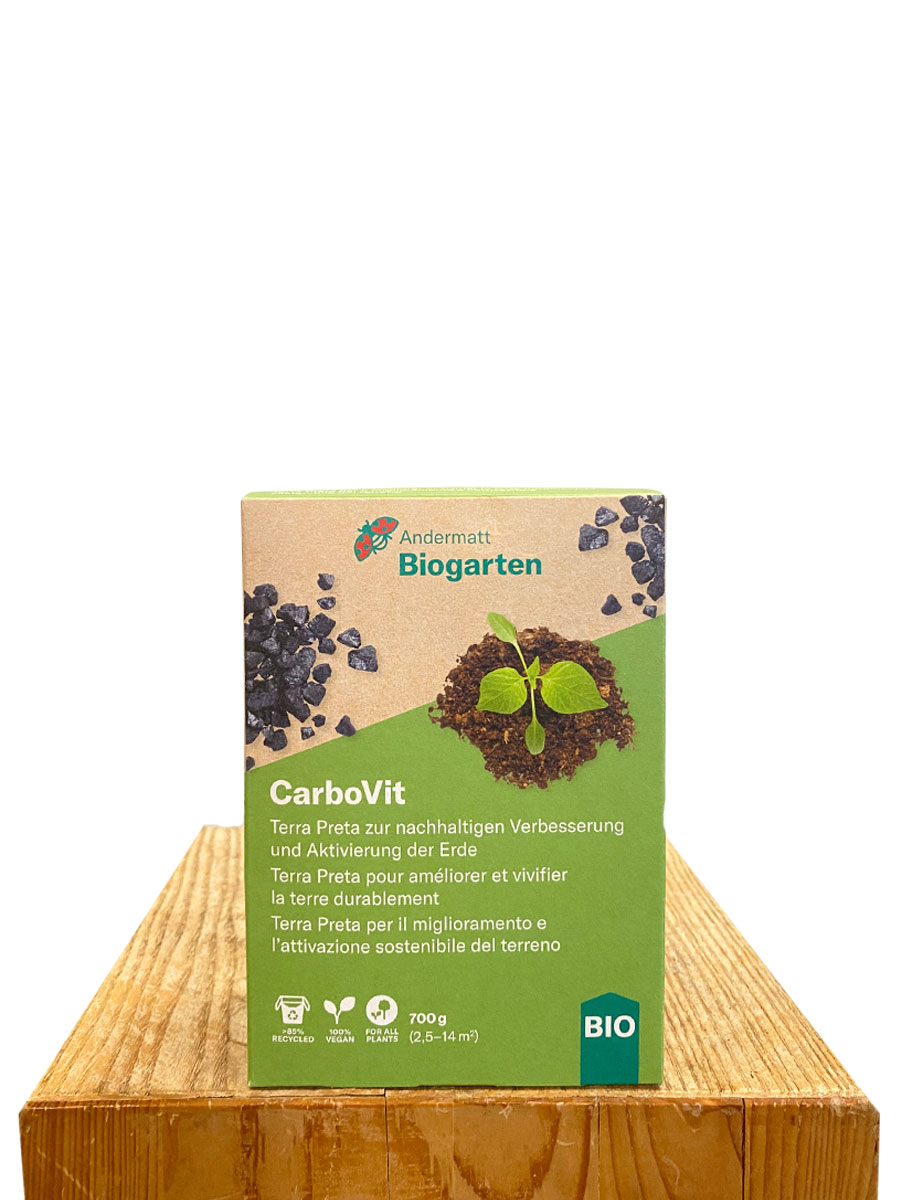
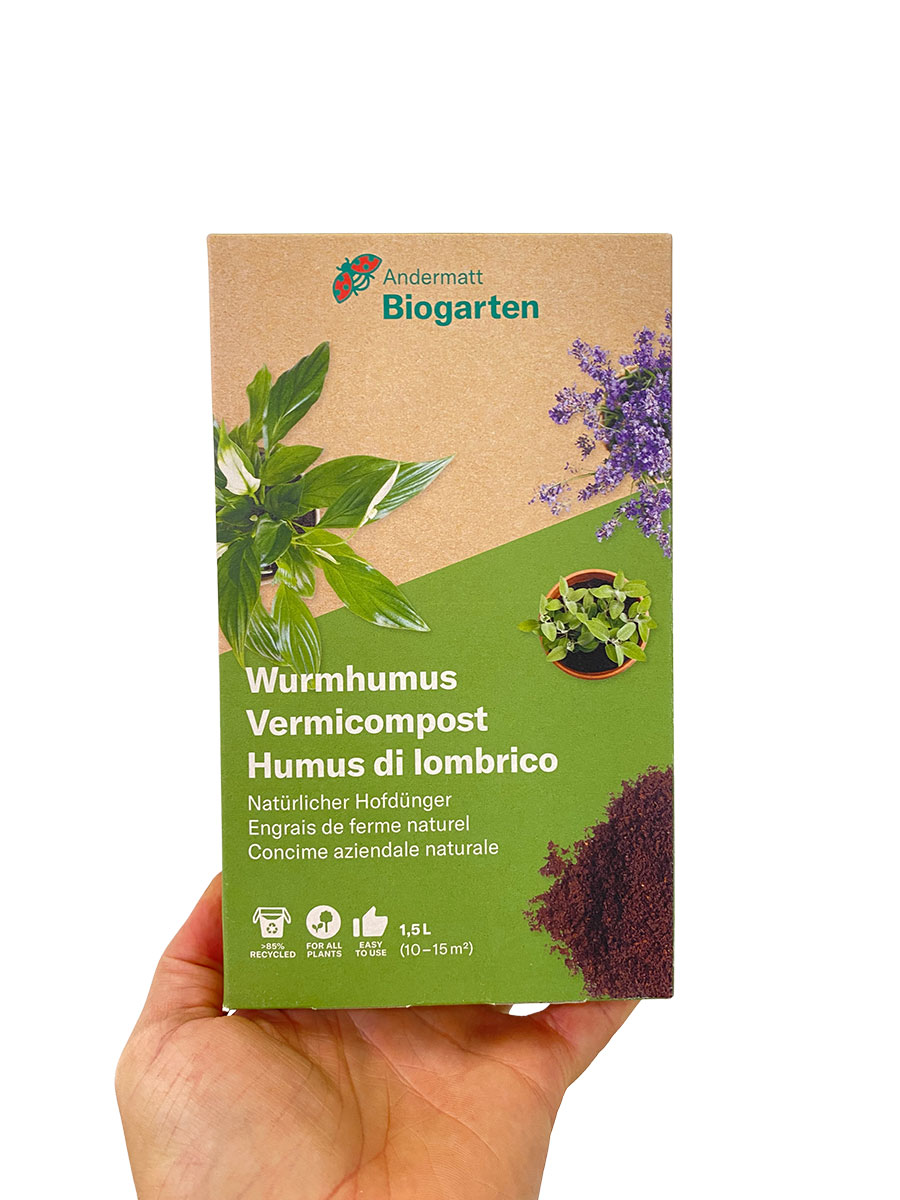
Unsere Pflanzen kommen direkt vom Gärtner im Standard-Kultivierungstopf. Für optimale Startbedingungen empfehlen wir, sie nach dem Erhalt in unser Pflanzkit umzutopfen. Das Pflanzkit enthält ein hochwertiges Substrat mit optimaler Startdüngung und Drainage.


Useful accessories & substrates









The chestnut vine (Tetrastigma voinierianum), also known as climbing vine, is a popular houseplant valued for its decorative leaves and its climbing habit. This plant originally comes from the tropical regions of Asia. The chestnut vine (Tetrastigma voinierianum) is a fascinating houseplant with an interesting history.
Care tips for the chestnut vine voinierianum as a houseplant:
Location: Place the chestnut vine in a bright spot, but without direct sunlight. This plant prefers high humidity, so you can also place it in the bathroom or near a humidifier.
Temperature: The chestnut vine thrives best at an even room temperature between 18°C and 24°C. Avoid sharp temperature fluctuations, as these could harm the plant.
Watering: Keep the soil slightly moist, but not too wet. Water the plant regularly, but let it dry out slightly between waterings. Make sure that excess water can drain away well to avoid waterlogging.
Humidity: As the chestnut vine prefers high humidity, mist the leaves regularly with water. You can also place a saucer filled with water next to the plant or use a humidifier to increase the humidity.
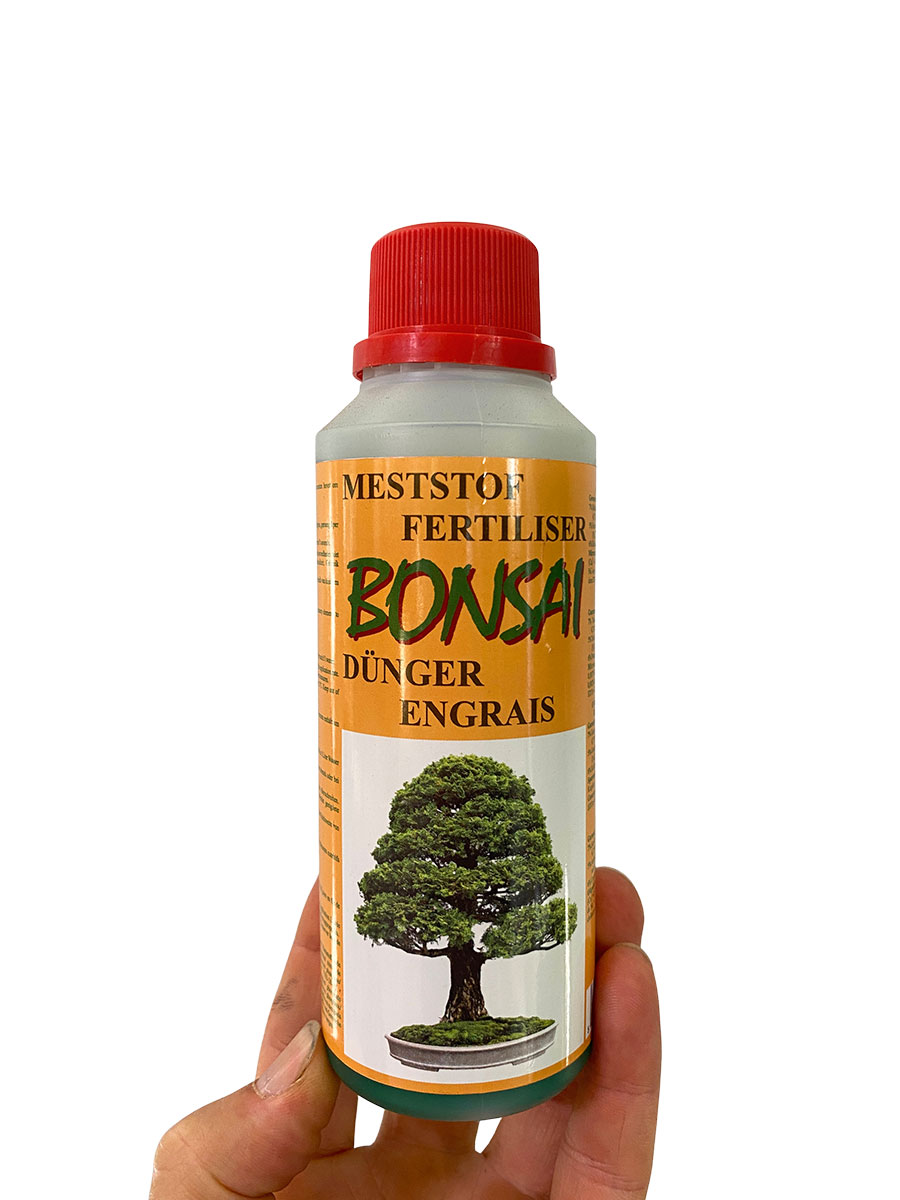
Feeding: Feed the chestnut vine every two weeks during the growing season with a balanced houseplant fertiliser. In winter you can reduce feeding to once a month.
Repotting: Every few years you should repot the chestnut vine into a slightly larger pot. Use a loose, well-draining potting soil to avoid waterlogging.
Pruning: You can prune the chestnut vine as needed to control its shape or to remove dead or excessively long shoots. Cut the plant back in spring to stimulate growth.
Pest control: Watch out for pests such as aphids, spider mites or scale insects. If necessary, remove them carefully with a damp cloth or use insecticidal soapy water to control them.
Login