


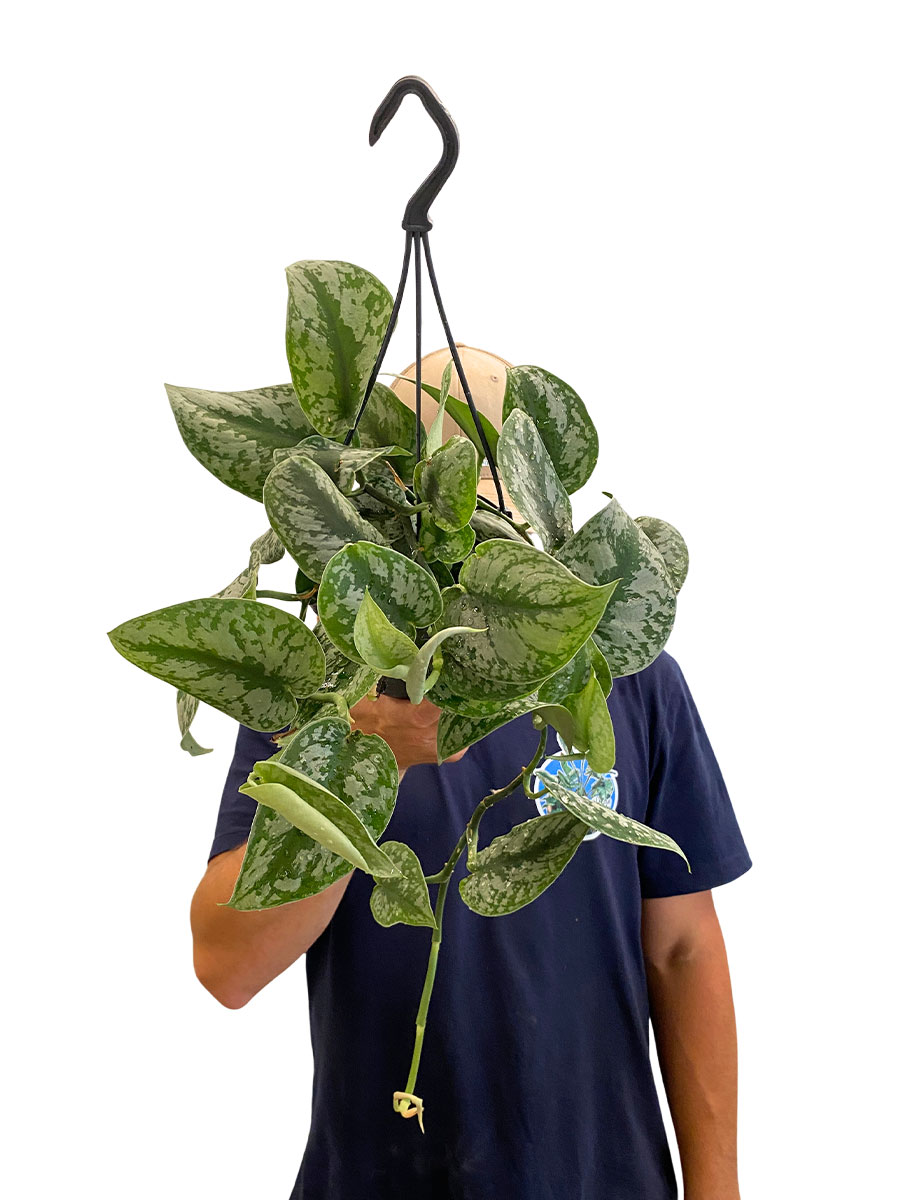
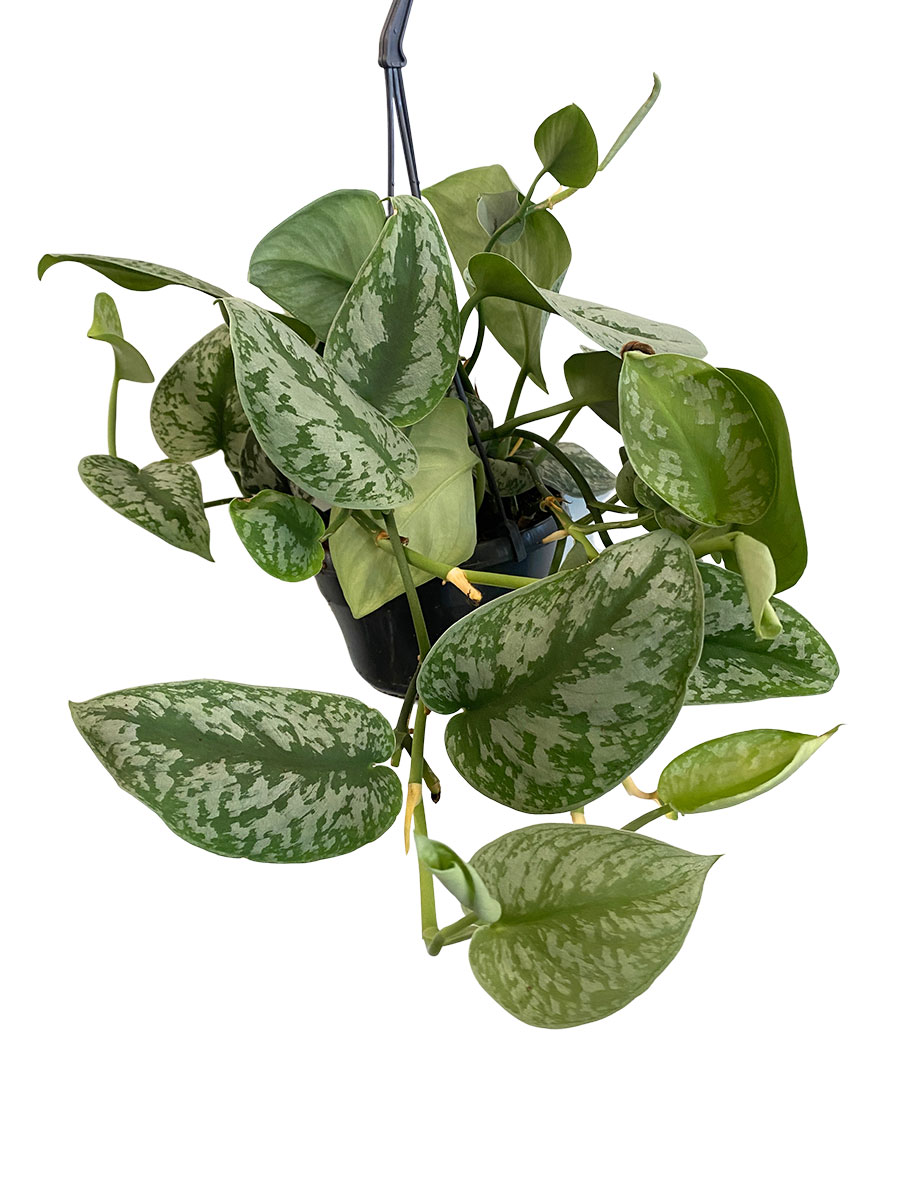


Hanging Pot - Scindapsus Pictus Trebie
CHF 29.90*
Item no. 4306
Prices incl. VAT plus shipping costs
Delivery time 2 - 7 working days
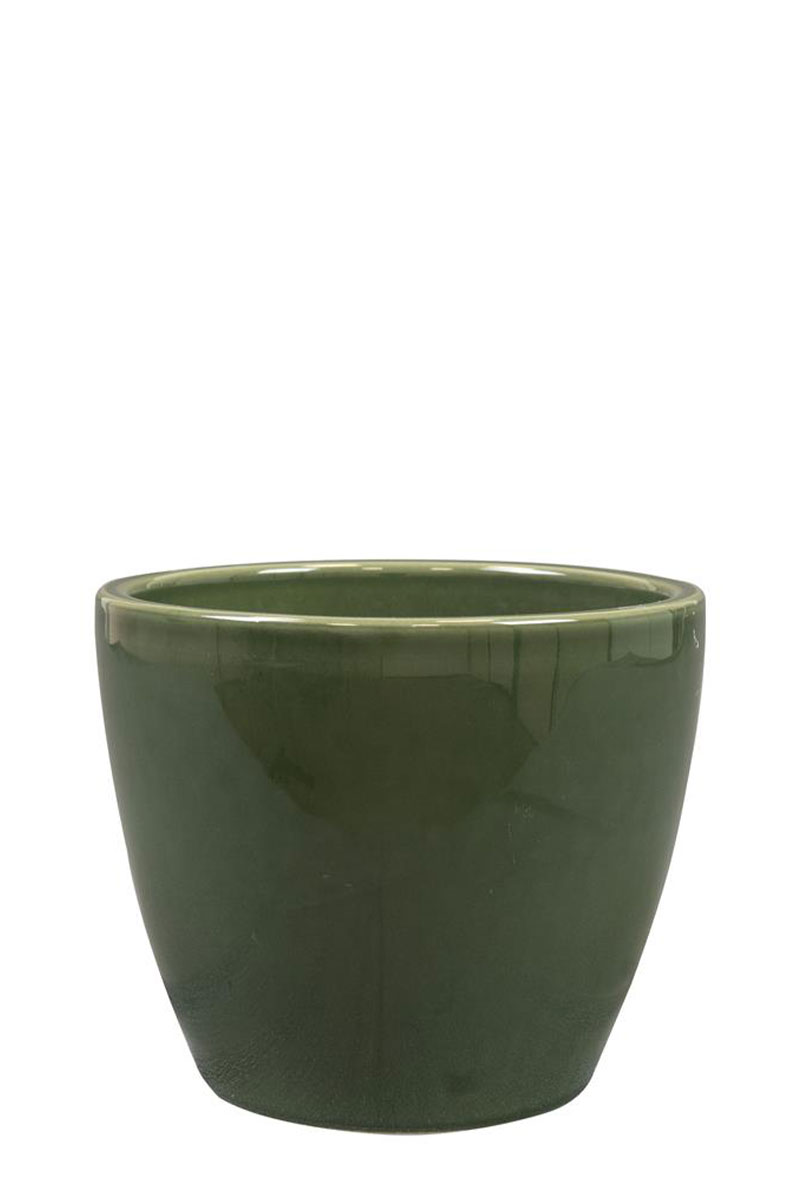
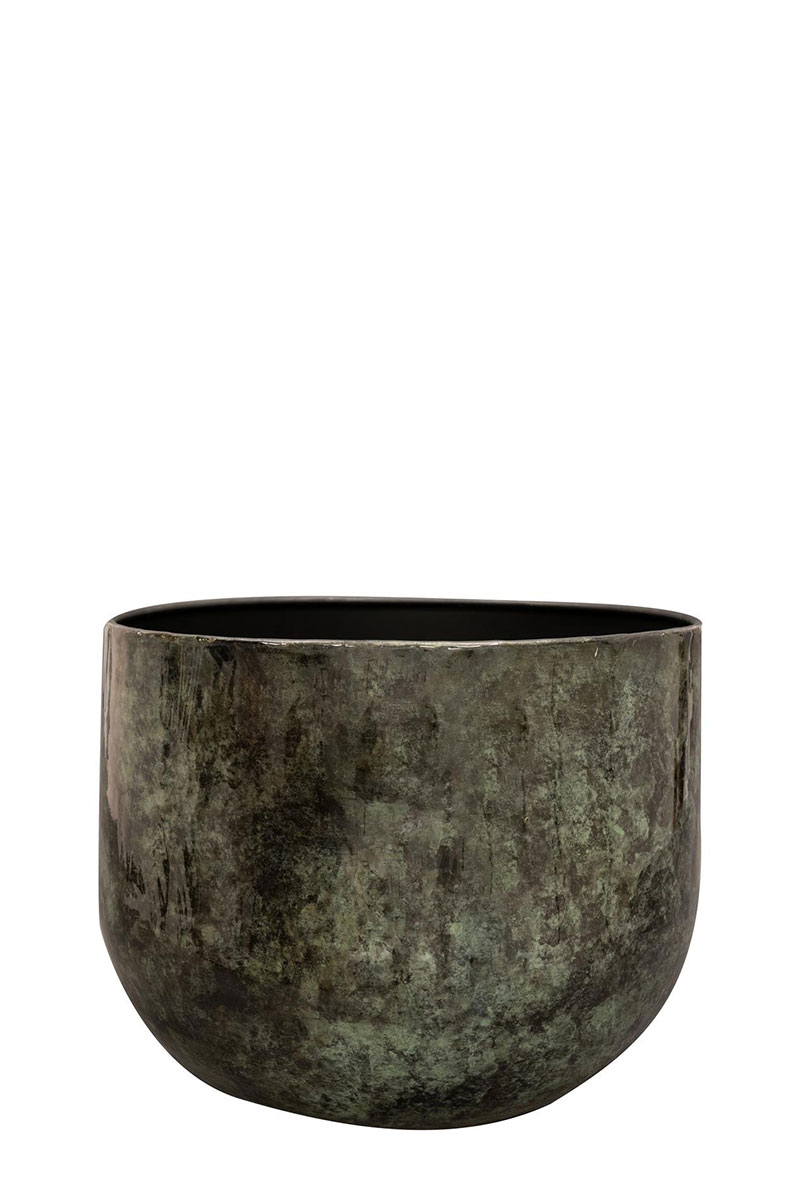
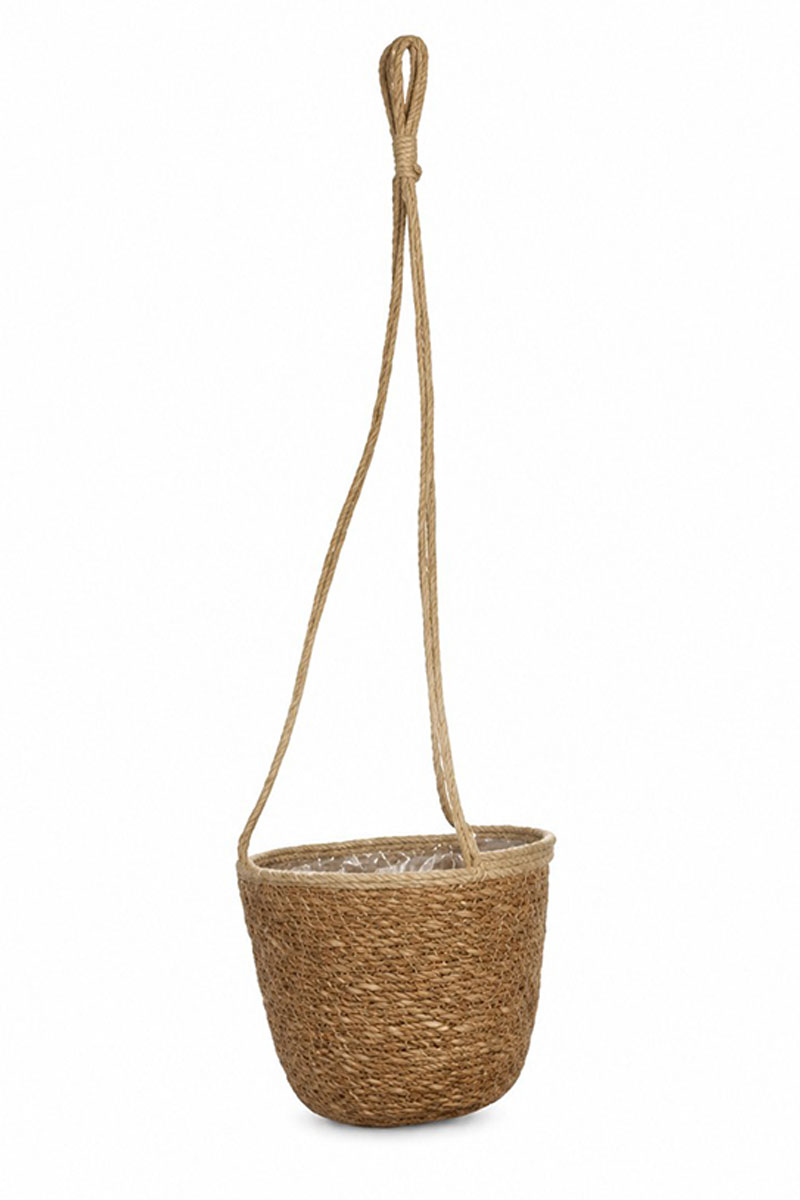
Choose a decorative pot cover compatible with your planting kit Ø18cm:


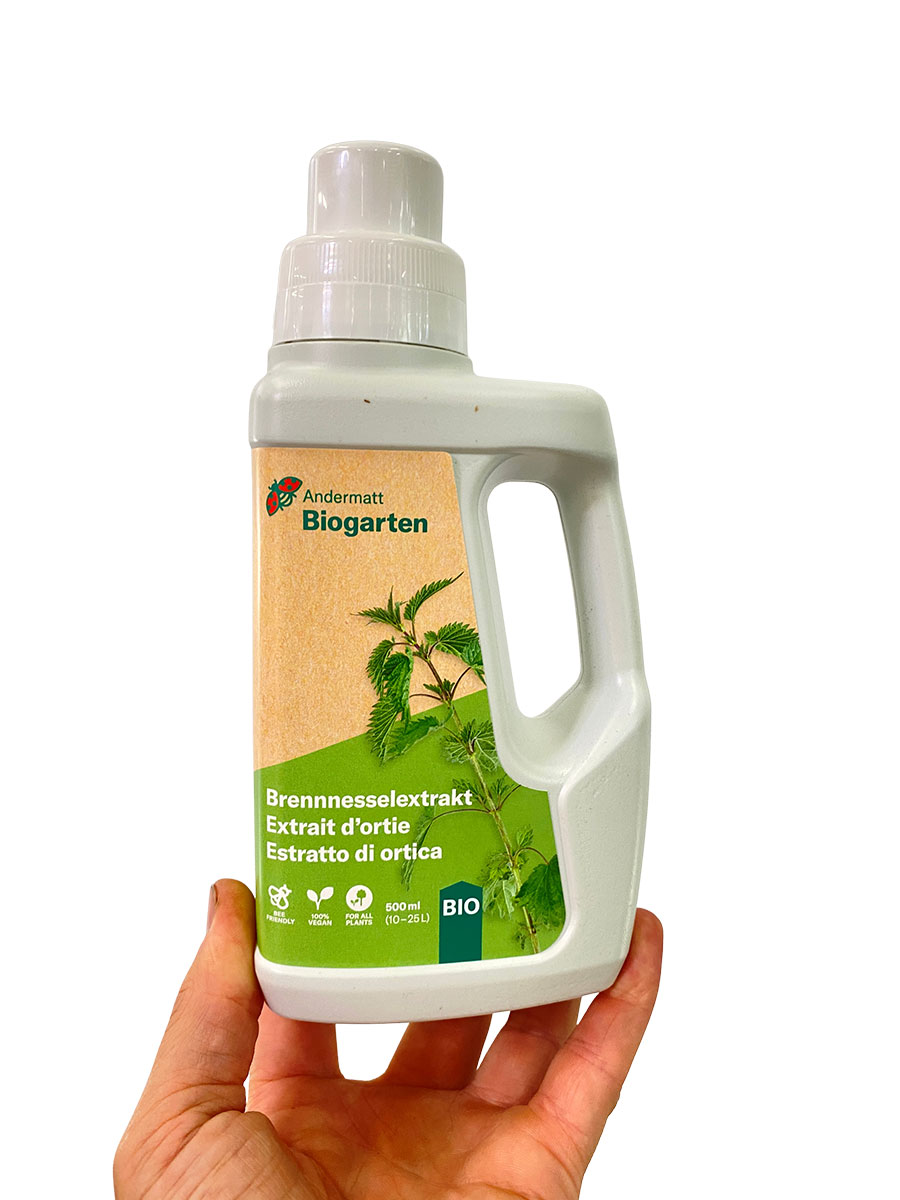
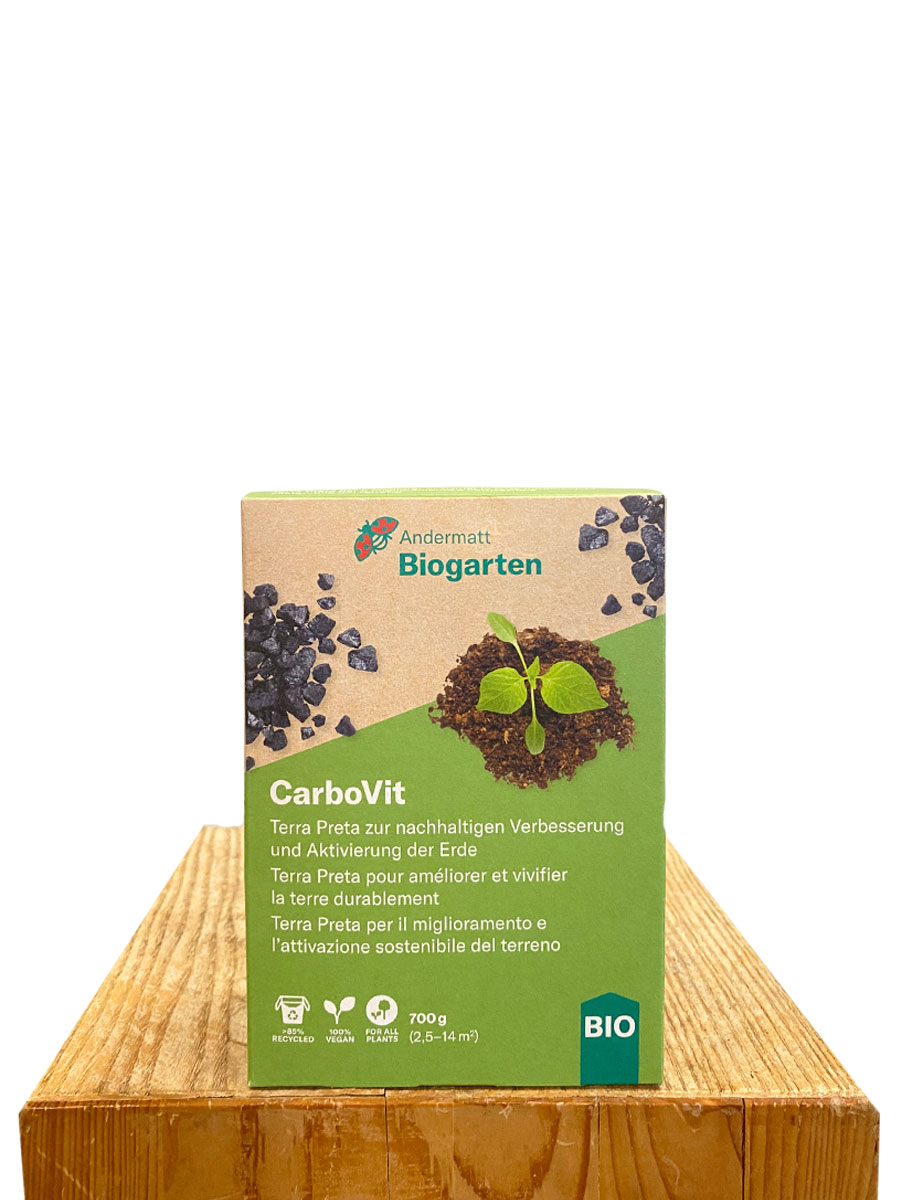
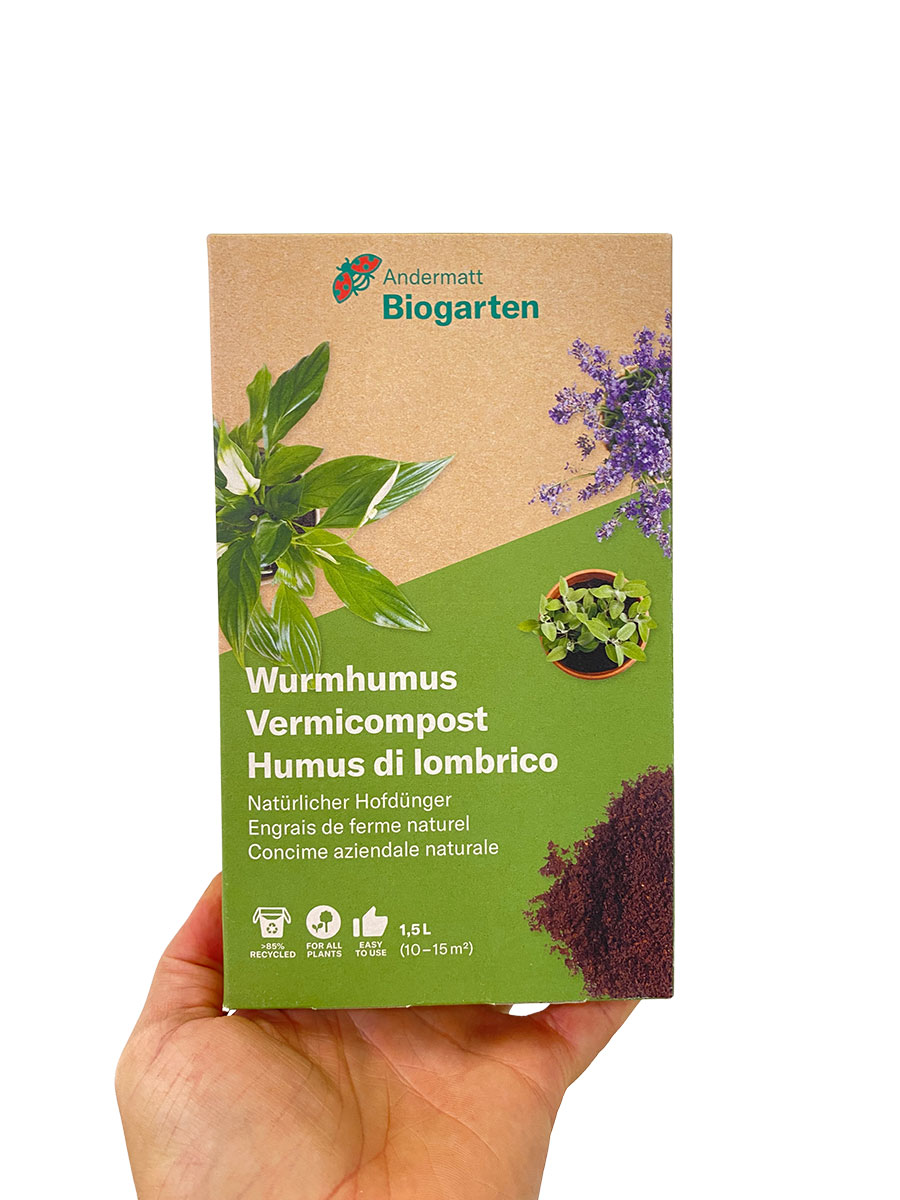
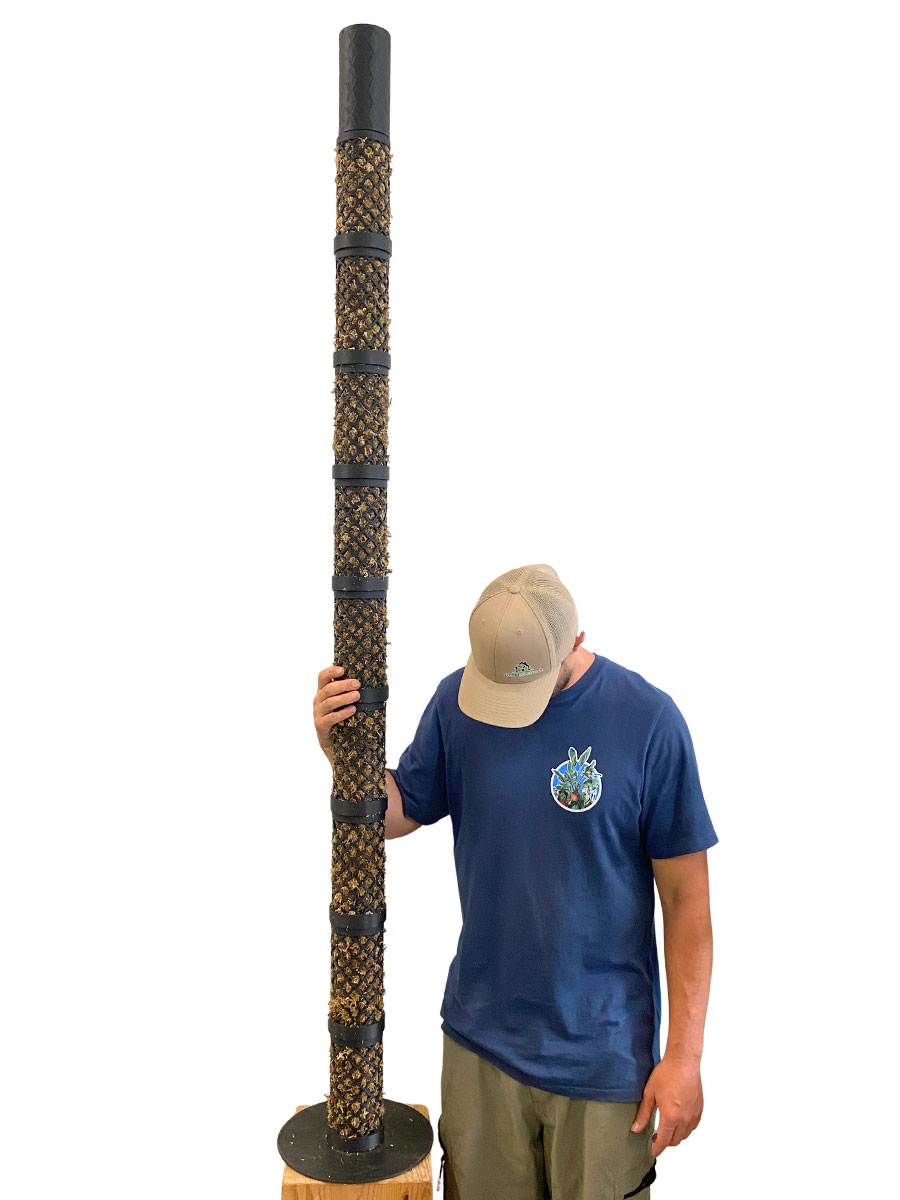
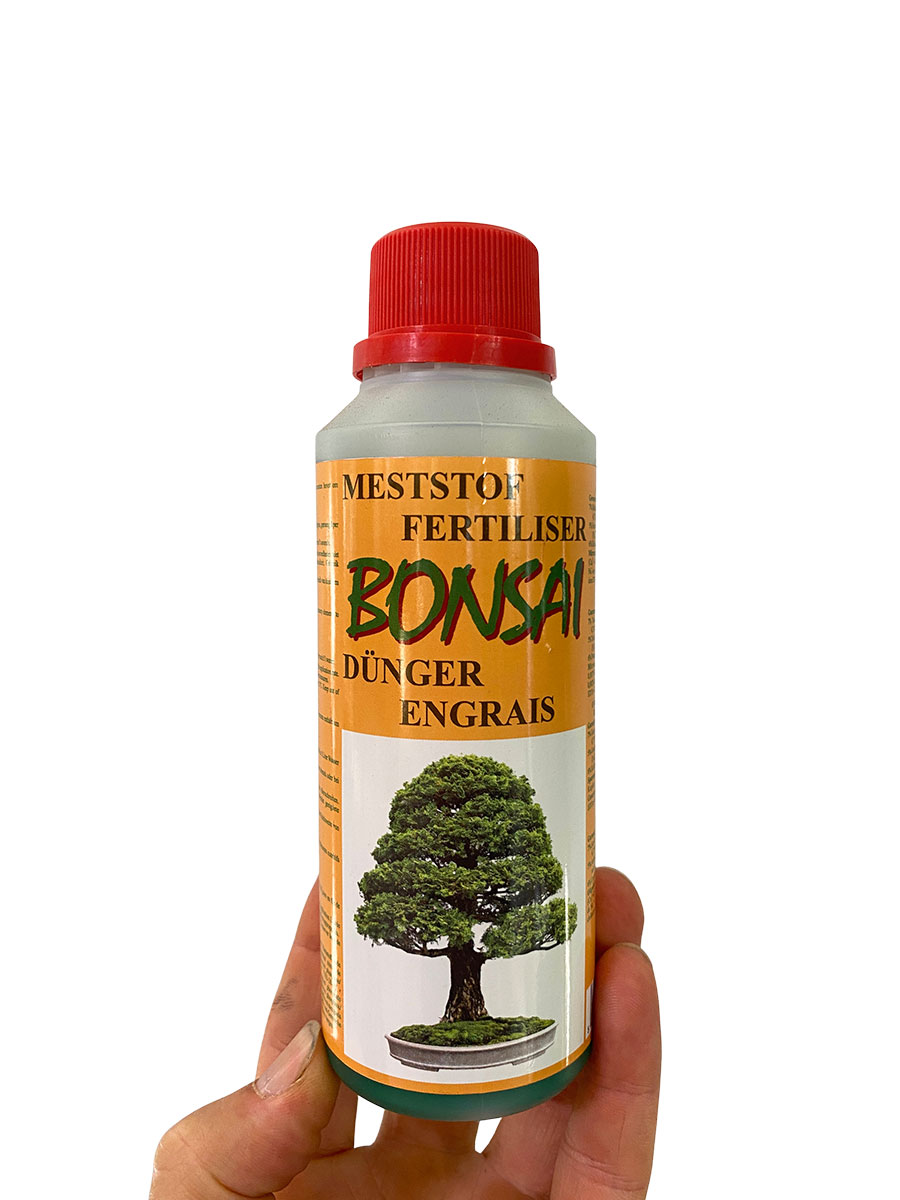
Useful accessories & substrates:








History of the Scindapsus pictus Trebie
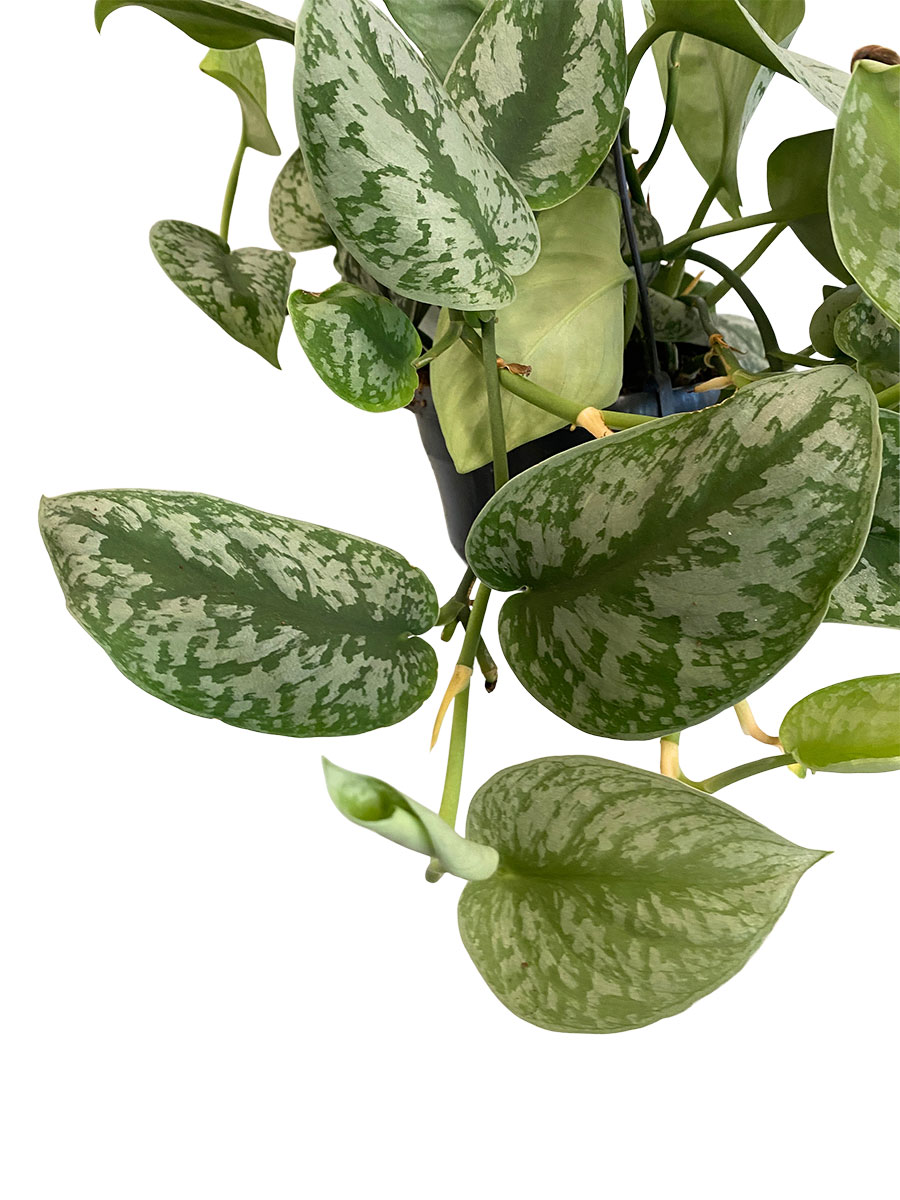
Scindapsus pictus Trebie is a particularly decorative climbing plant that delights with its heart-shaped, dark green leaves and striking silvery-white markings. The leaves have a slightly velvety surface and are interspersed with irregular silver spots and patches, so that each leaf develops an individual pattern. The long shoots can either trail or be trained up a support. Scindapsus pictus originally comes from the tropical regions of Southeast Asia, where it grows as a climber on trees and benefits from warm, humid conditions.
Care as a houseplant:
• Light: A bright spot with plenty of indirect light; some morning or evening sun is well tolerated. Avoid intense midday sun. Sufficient light supports strong silver markings.
• Temperature: 18–28 °C is ideal; temperatures below 15 °C should be avoided.
• Humidity: Medium to high; increased humidity promotes healthy growth and beautiful leaves.
• Substrate: Loose, airy and free-draining aroid substrate, for example made of potting soil, pine bark, perlite and coconut fibre.
• Watering: Water moderately and let the substrate dry out slightly between waterings. Be sure to avoid waterlogging.
• Feeding: During the growing season, feed about every 2–4 weeks with a low dose of liquid fertiliser for foliage plants or aroids.
• Special features: Scindapsus pictus Trebie is ideal for hanging baskets, shelves or a trellis. On a climbing support, it can develop stronger and larger leaves as it matures. The silver leaf markings make it an elegant eye-catcher.
Overwintering tips:
Water a little less in winter and continue to keep it as bright and warm as possible. Temperatures should stay as constant as possible above 16 °C. Avoid cold draughts and dry heating air. With less light, growth may slow down and the gaps between the leaves may become larger.
Login