


Monstera Deliciosa - Ø21 cm
CHF 49.90*
Item no. 1401
Prices incl. VAT plus shipping costs
Delivery time 2 - 7 working days
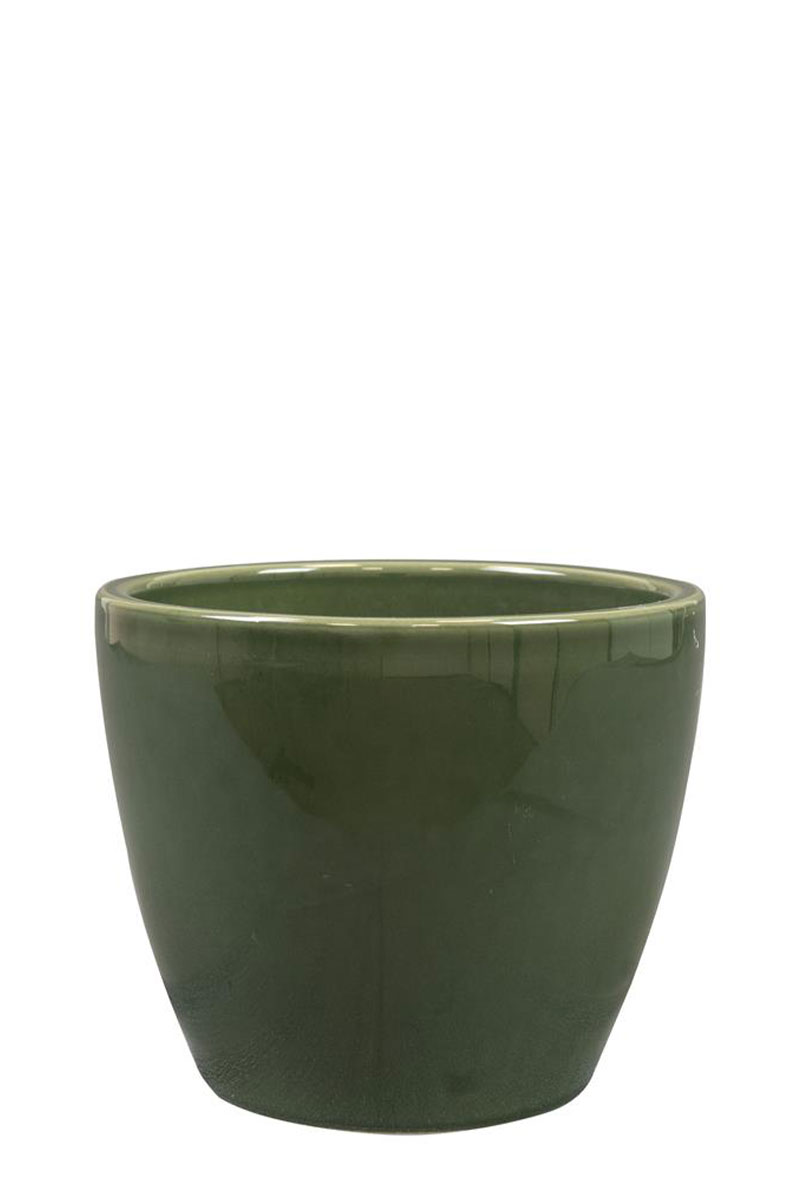
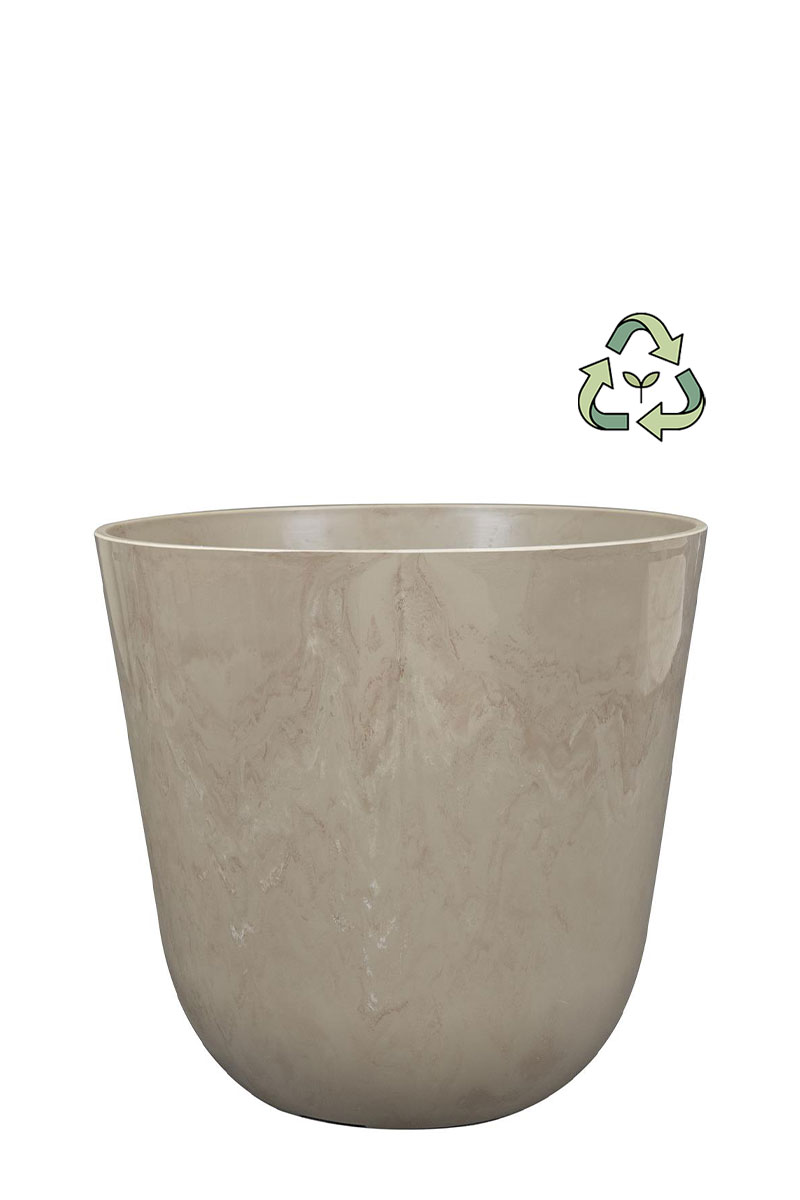
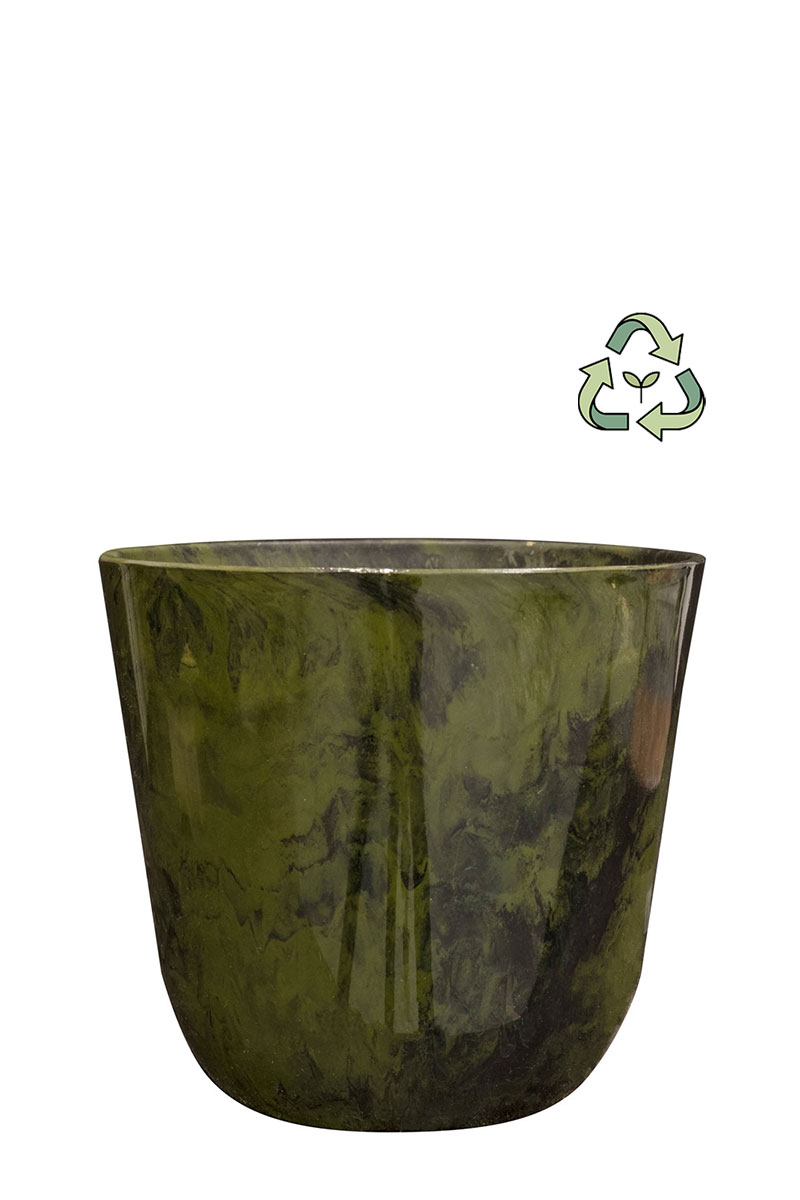
Choose a decorative pot cover compatible with your planting kit Ø30cm:


Useful accessories & substrates









History of the Monstera deliciosa
Monstera deliciosa, also known as the Swiss cheese plant, is one of the best-known and most popular tropical houseplants. As they mature, its large, heart-shaped leaves develop the characteristic splits and holes that give the plant its unmistakable appearance. It originally comes from the tropical rainforests of Central America, where it grows as a vigorous climber up trees. With its long aerial roots, it can absorb moisture and nutrients from its surroundings. In natural conditions, Monstera deliciosa can grow very large and, in the right conditions, even produce edible fruit.
Care as a houseplant:
• Light: Bright to partially shaded spot with plenty of indirect light. Some morning or evening sun is well tolerated. Avoid intense midday sun.
• Temperature: Ideally 18–28 °C; avoid temperatures below 15 °C if possible.
• Humidity: Medium to high; around 60 % or more is ideal. Increased humidity supports the development of large, healthy leaves.
• Substrate: Loose, airy and free-draining aroid substrate, for example made of high-quality potting soil, pine bark, perlite and coconut chips.
• Watering: Water moderately and let the substrate dry out slightly between waterings. Be sure to avoid waterlogging.
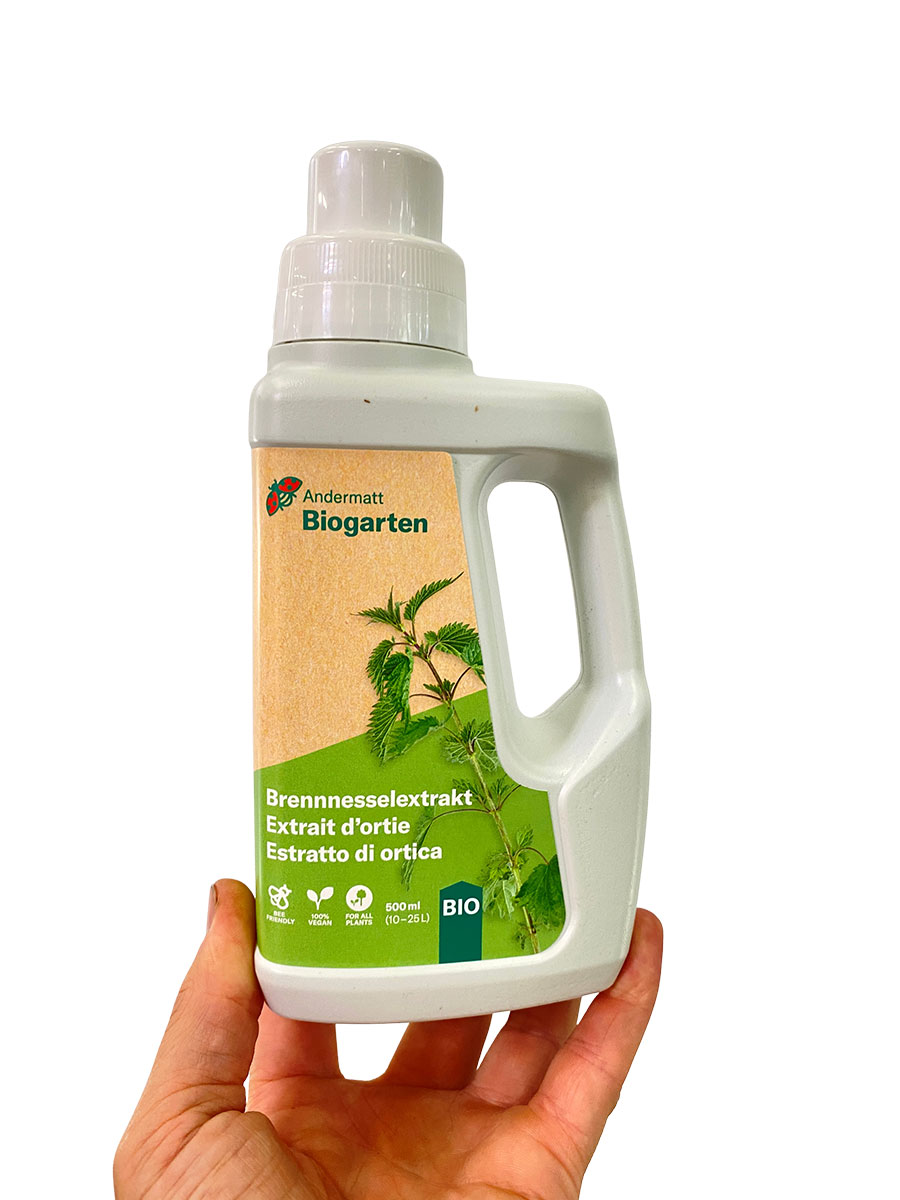
• Feeding: During the growing season, feed about every 2–3 weeks with a liquid fertiliser for foliage plants or aroids.
• Special features: A climbing support such as a moss pole supports the natural climbing growth. As the plant matures, the leaves become larger and develop more pronounced splits and holes. The numerous aerial roots can be attached to a climbing support or carefully guided into the substrate.
• Important for pet owners: Monstera deliciosa is not suitable for consumption by pets. The plant contains calcium oxalate crystals, which can cause irritation when chewed or swallowed. Therefore, place it out of reach of cats, dogs and other pets.
Overwintering tips:
In winter, water a little less and keep the plant as bright as possible. Temperatures should remain as constant as possible above 16 °C. Avoid cold draughts and sharp temperature fluctuations. With less light, growth slows down and the plant's water requirement decreases accordingly.
Login
Elisabeth B. am 19 June 2026
Sehr gut
Sehr schöne, kräftige, gesunde Pflanze, bin sehr happy.
Kai Mira S. am 06 May 2025
Wie immer eine
Wie immer eine schöne, gesunde Pflanze.