


Schefflera Compacta Branched - Large
On request
Delivery time 2 - 7 working days
Useful accessories & substrates
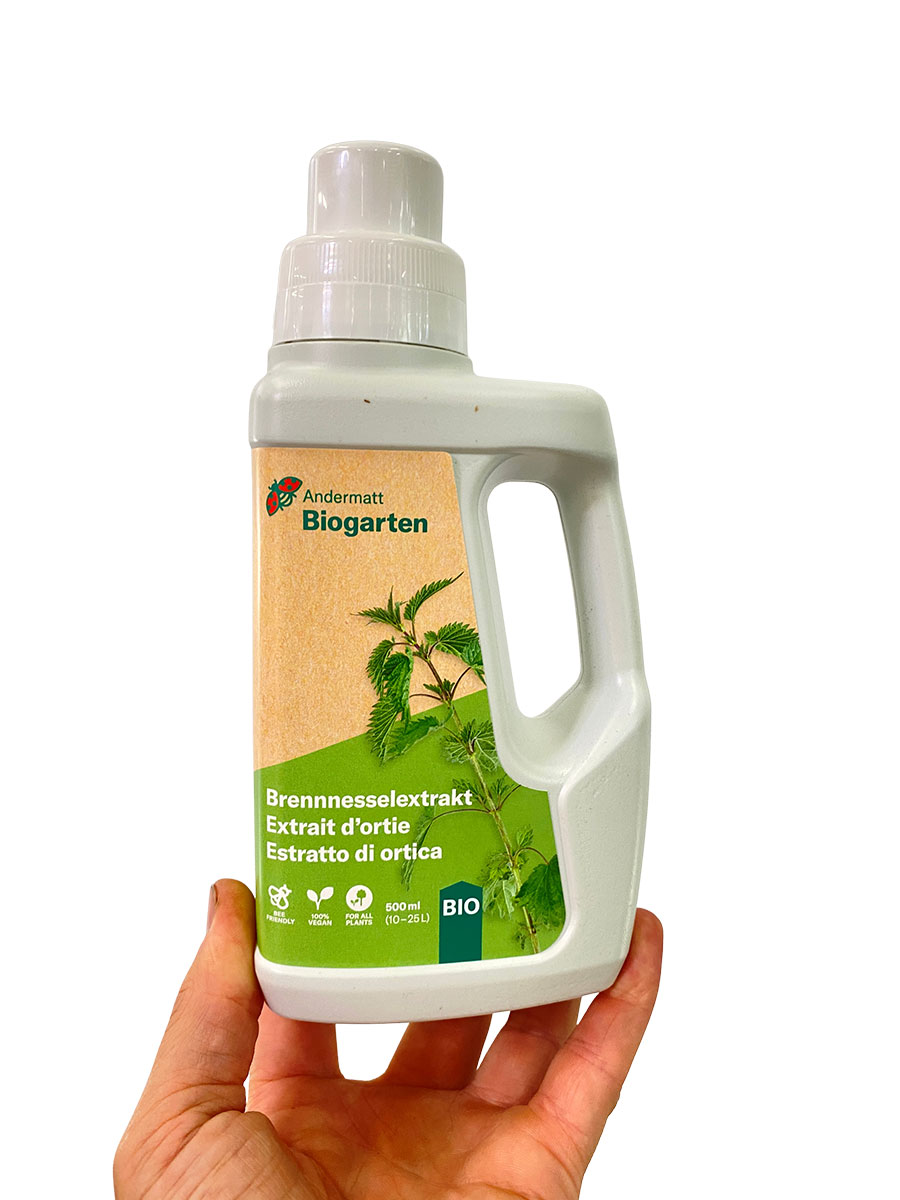
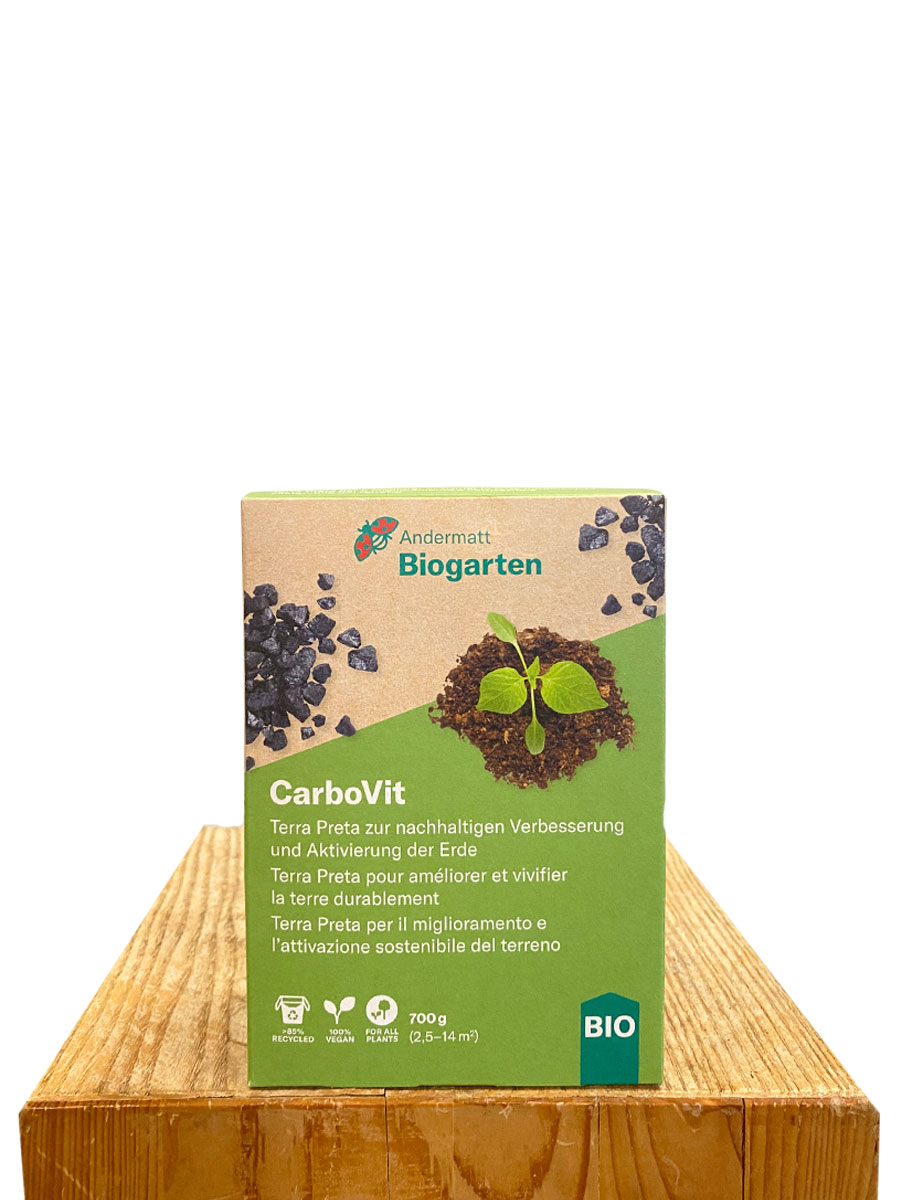
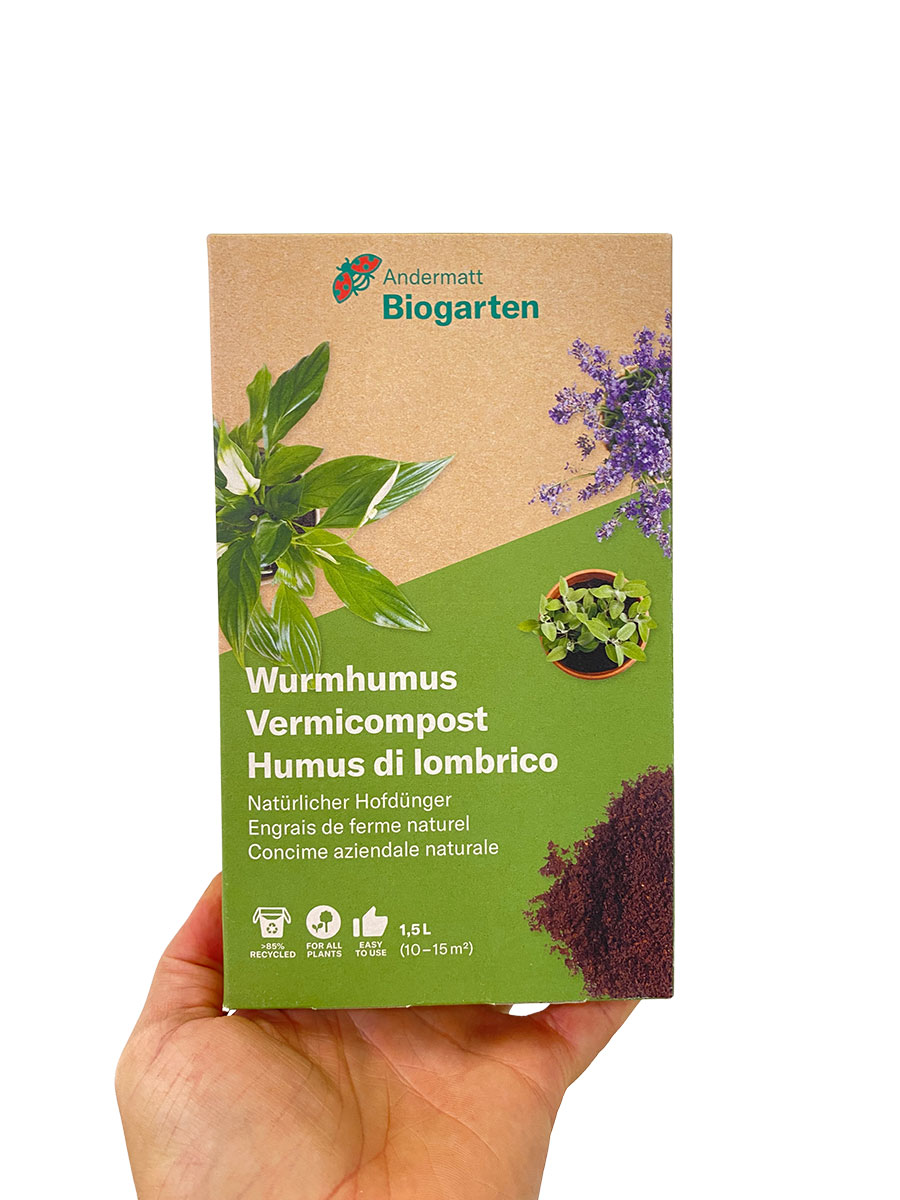








Schefflera arboricola Compacta, also known as dwarf umbrella tree or dwarf schefflera, is a popular houseplant valued for its compact growth habit and attractive foliage. Schefflera arboricola Compacta is a robust houseplant that can bring joy for many years with the right care.
Important care tips for the Schefflera Compacta (branched):
Light: The Schefflera arboricola Compacta thrives best in a bright spot, but without direct midday sun. Place the plant near a window with indirect light, ideally with gentle morning and evening sun.
Temperature: Houseplants such as the Schefflera arboricola Compacta prefer an average room temperature of about 20-24°C. Protect the plant from sources of cold draughts such as open windows or air conditioning units.
Watering: It is important to keep the soil of the Schefflera arboricola Compacta evenly moist, but to avoid waterlogging. Water the plant when the top layer of soil is dry, and let excess water drain away. However, avoid leaving the plant standing in water.
Humidity: Although the Schefflera arboricola Compacta does not require high humidity, regularly misting the leaves with water can help increase humidity and remove dust deposits.
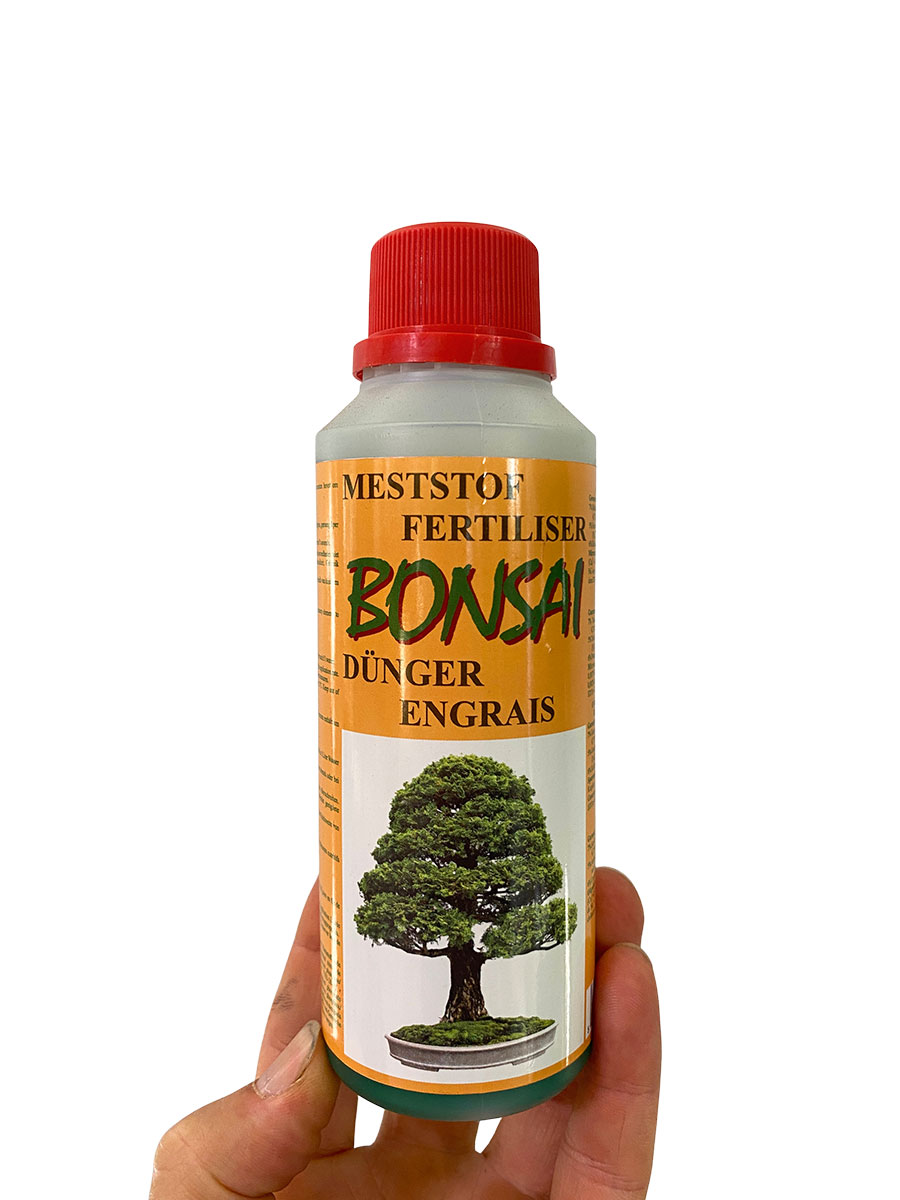
Feeding: Houseplants need regular feeding to stay healthy. Use a balanced, water-soluble houseplant fertiliser and feed the Schefflera arboricola Compacta about every two weeks during the growing phase. Feeding can be reduced in winter.
Repotting: Young Schefflera arboricola Compacta plants should be repotted into a larger pot every few years, while older plants should only be repotted when necessary. Use a good, free-draining potting soil and make sure that the new pot has sufficient drainage holes.
Pruning: To maintain the compact shape of the Schefflera arboricola Compacta, you can regularly cut back the tips of long shoots. Also remove damaged or dead leaves to promote the health of the plant.
Pest control: Watch out for signs of pests such as spider mites or aphids. In the event of an infestation, you can use organic pest control products or treat the affected areas with a mild insecticide.
Login