


Scindapsus pictus Column
CHF 199.90*
Item no. 482
Prices incl. VAT plus shipping costs
Delivery time 2 - 7 working days
Recommended planting kit 35 or soil irrigation system:
Unsere Pflanzen kommen direkt vom Gärtner im Standard-Kultivierungstopf. Für optimale Startbedingungen empfehlen wir, sie nach dem Erhalt in unser Pflanzkit umzutopfen. Das Pflanzkit enthält ein hochwertiges Substrat mit optimaler Startdüngung und Drainage.


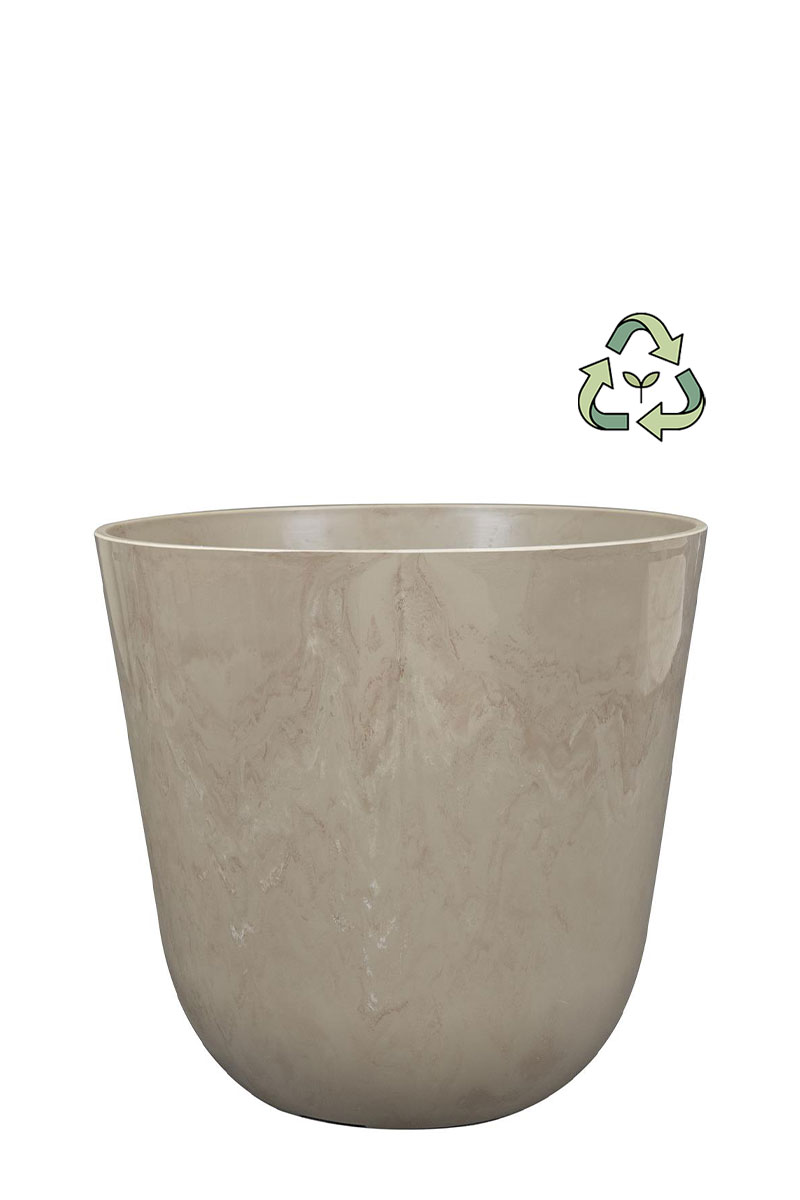
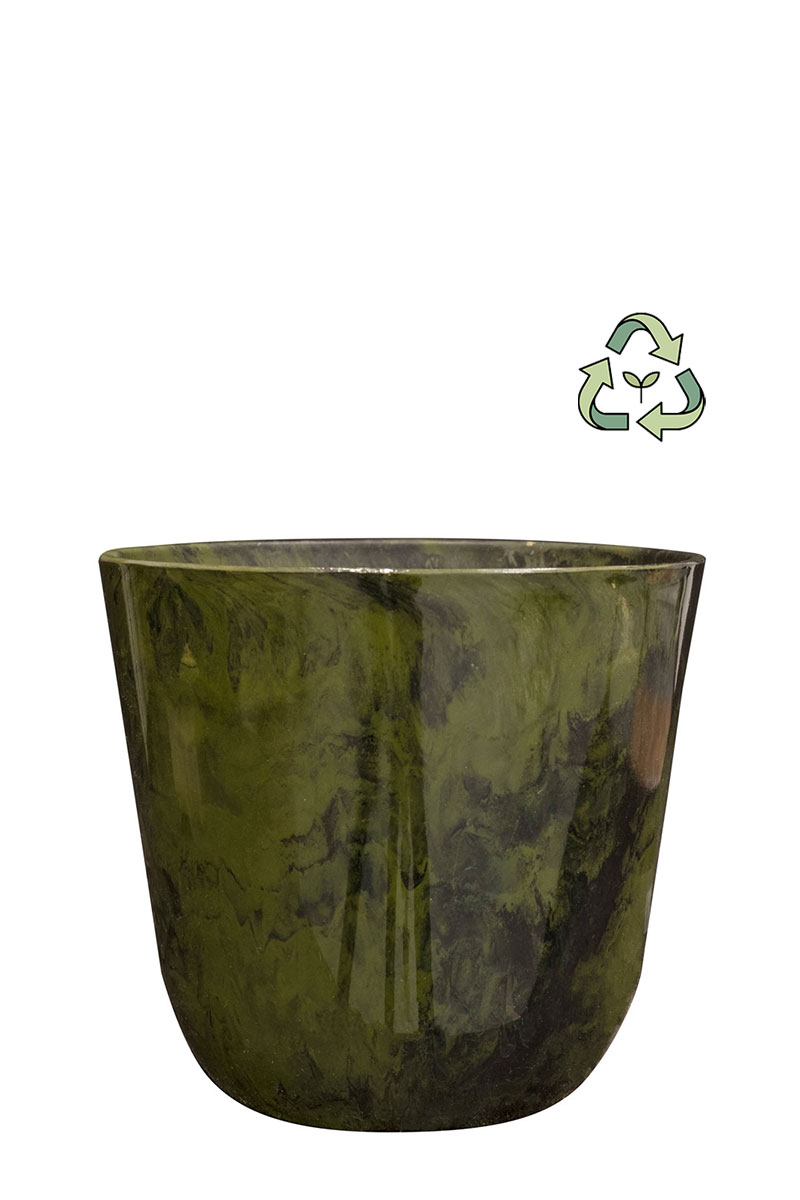
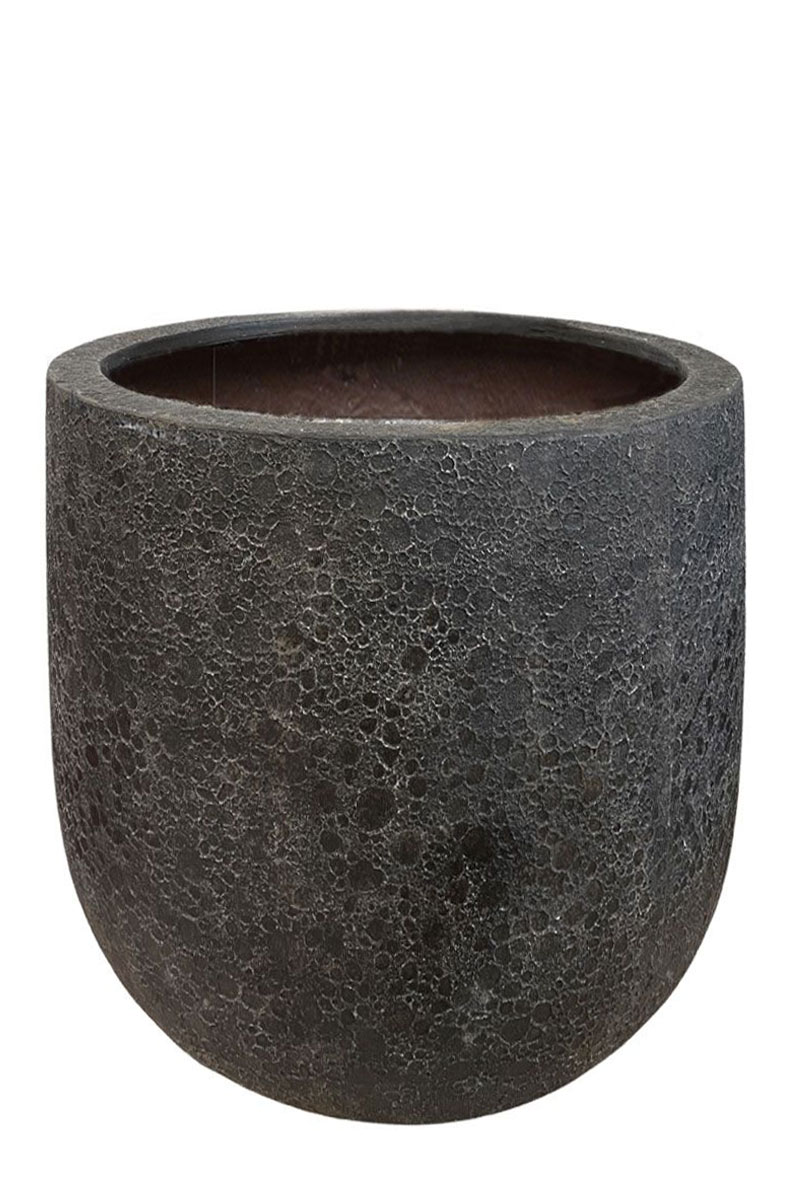
Choose a decorative pot cover compatible with your planting kit Ø35cm:






Useful accessories & substrates

Delivery time 2 - 7 working days
Delivery time 2 - 7 working days
Delivery time 2 - 7 working days

Delivery time 2 - 7 working days

Delivery time 2 - 7 working days

Delivery time 2 - 7 working days

Delivery time 2 - 7 working days
Delivery time 2 - 7 working days

Delivery time 2 - 7 working days

Delivery time 2 - 7 working days

Delivery time 2 - 7 working days
Delivery time 2 - 7 working days

Delivery time 2 - 7 working days

Delivery time 2 - 7 working days

Delivery time 2 - 7 working days

Delivery time 2 - 7 working days

Delivery time 2 - 7 working days

Delivery time 2 - 7 working days

Delivery time 2 - 7 working days

Delivery time 2 - 7 working days

Delivery time 2 - 7 working days

Delivery time 2 - 7 working days

Delivery time 2 - 7 working days

Delivery time 2 - 7 working days

Delivery time 2 - 7 working days

Delivery time 2 - 7 working days

Delivery time 2 - 7 working days

Delivery time 2 - 7 working days
Delivery time 2 - 7 working days

Delivery time 2 - 4 working days

Delivery time 2 - 4 working days

Delivery time 2 - 4 working days

Delivery time 2 - 4 working days
Delivery time 2 - 7 working days

Delivery time 3 - 5 working days

Delivery time 2 - 7 working days

Delivery time 2 - 7 working days

Delivery time 2 - 7 working days

Delivery time 2 - 7 working days

Delivery time 2 - 7 working days

Delivery time 2 - 7 working days

Delivery time 2 - 7 working days

Delivery time 2 - 7 working days

Delivery time 2 - 7 working days

Delivery time 2 - 7 working days

Delivery time 2 - 7 working days
Delivery time 2 - 7 working days

Delivery time 2 - 7 working days

Delivery time 2 - 7 working days

Delivery time 2 - 7 working days
The houseplant Scindapsus pictus, also known as silver vine or satin pothos, is a popular choice for indoor spaces. It originally comes from the tropical forests of South-East Asia. Its striking, heart-shaped leaves with silver spots have made it a prized houseplant. Scindapsus pictus is known for its adaptability to different light conditions and its relatively uncomplicated care, which has made it a favourite choice for houseplant lovers worldwide.
Important care tips for the houseplant Scindapsus pictus:
Light: This houseplant prefers indirect light but can also thrive in somewhat shadier areas. Direct sunlight should be avoided, as it can scorch the leaves.
Watering: Let the top layer of soil dry out slightly between waterings. Overwatering can lead to root rot, while soil that is too dry can stress the plant.
Humidity: Scindapsus pictus thrives in normal room humidity, but benefits from occasional misting of the leaves, especially in dry environments.
Temperature: This houseplant likes warm room temperatures. It should not be exposed to temperatures below 10°C for long periods.
Soil: A free-draining, loose potting soil substrate is ideal. The plant should stand in a pot with drainage holes to prevent waterlogging.
Feeding: During growth in spring and summer, a balanced liquid fertiliser can be used every few weeks. Less fertiliser is needed in autumn and winter.
Repotting: Every few years the plant should be repotted into a slightly larger pot to provide enough space for root growth.
Pruning: If necessary, shoots that have grown too long can be shortened to maintain the compact growth habit.
Care note: Regular checks for pests such as spider mites or aphids are advisable.
Login