


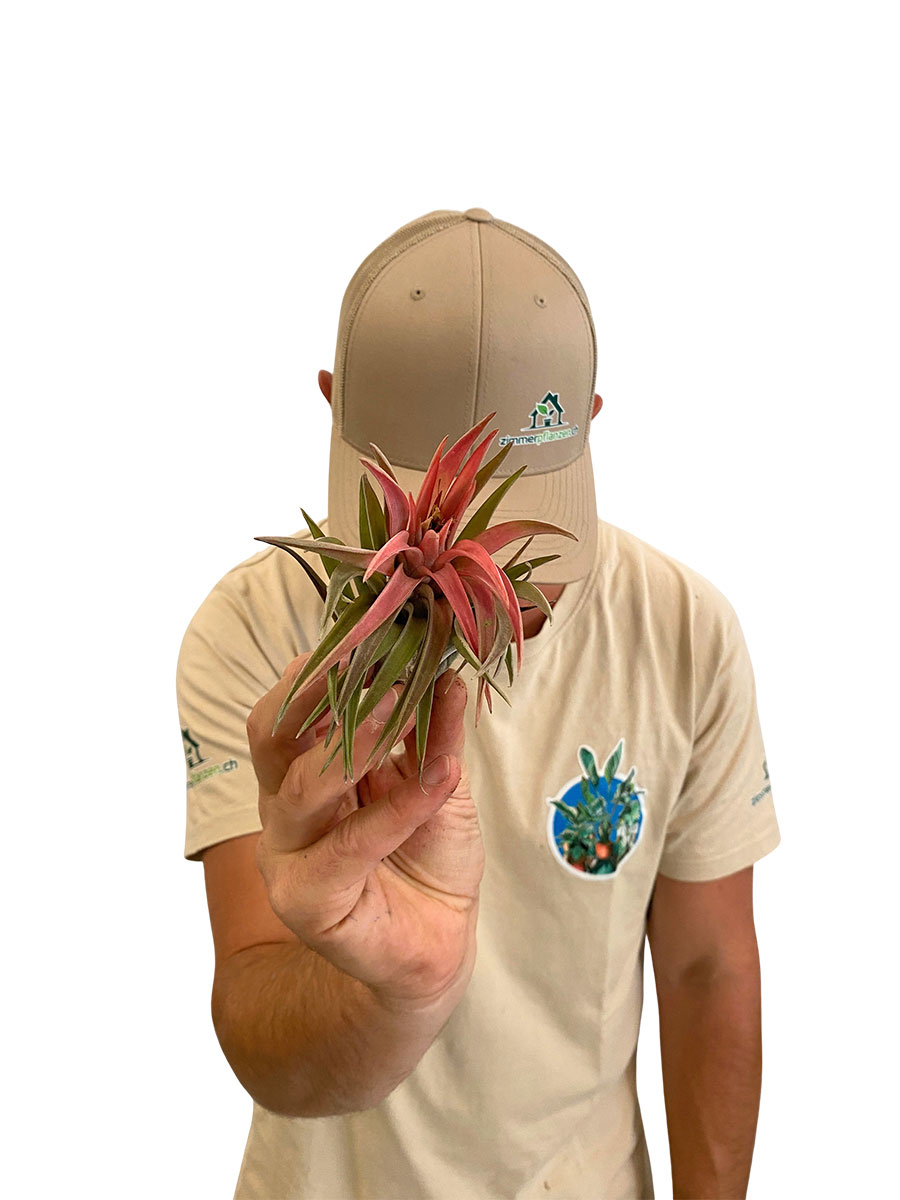
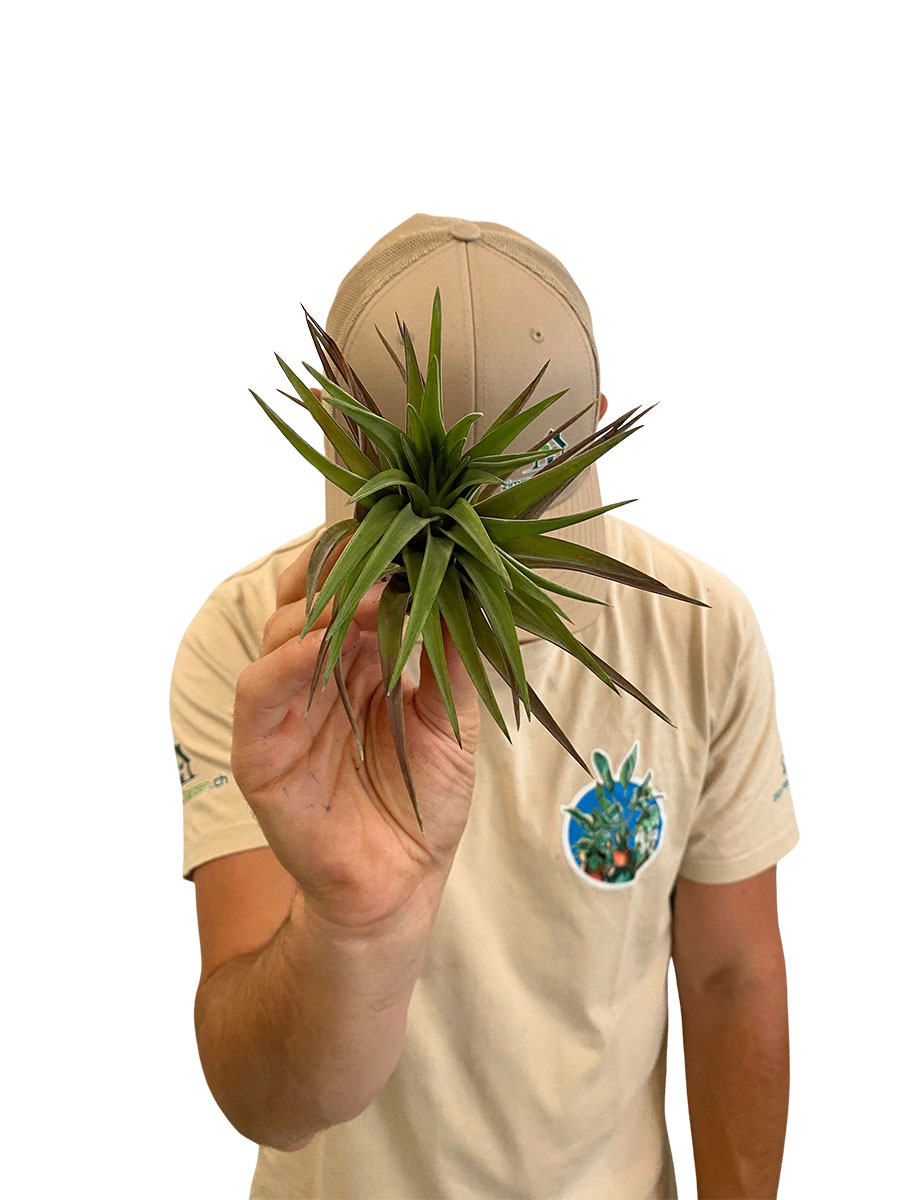
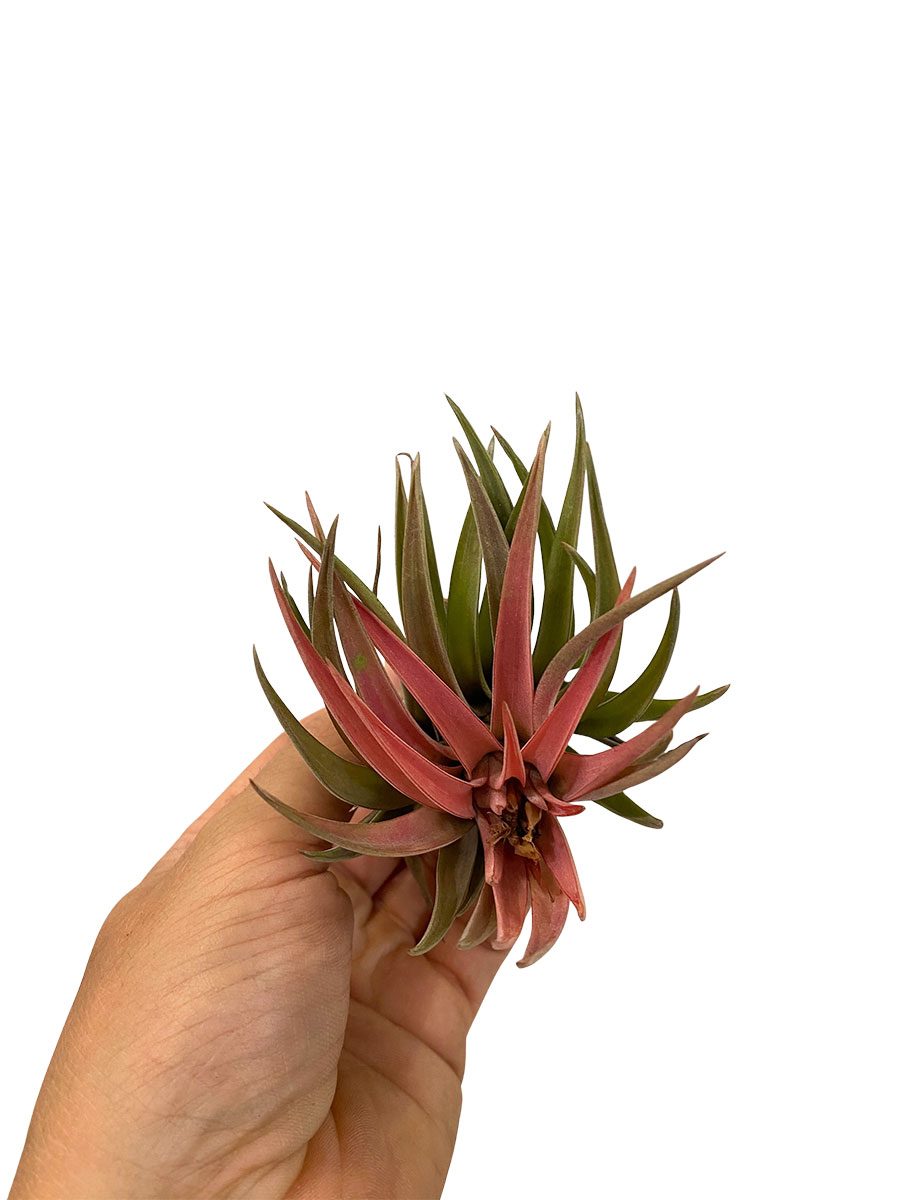
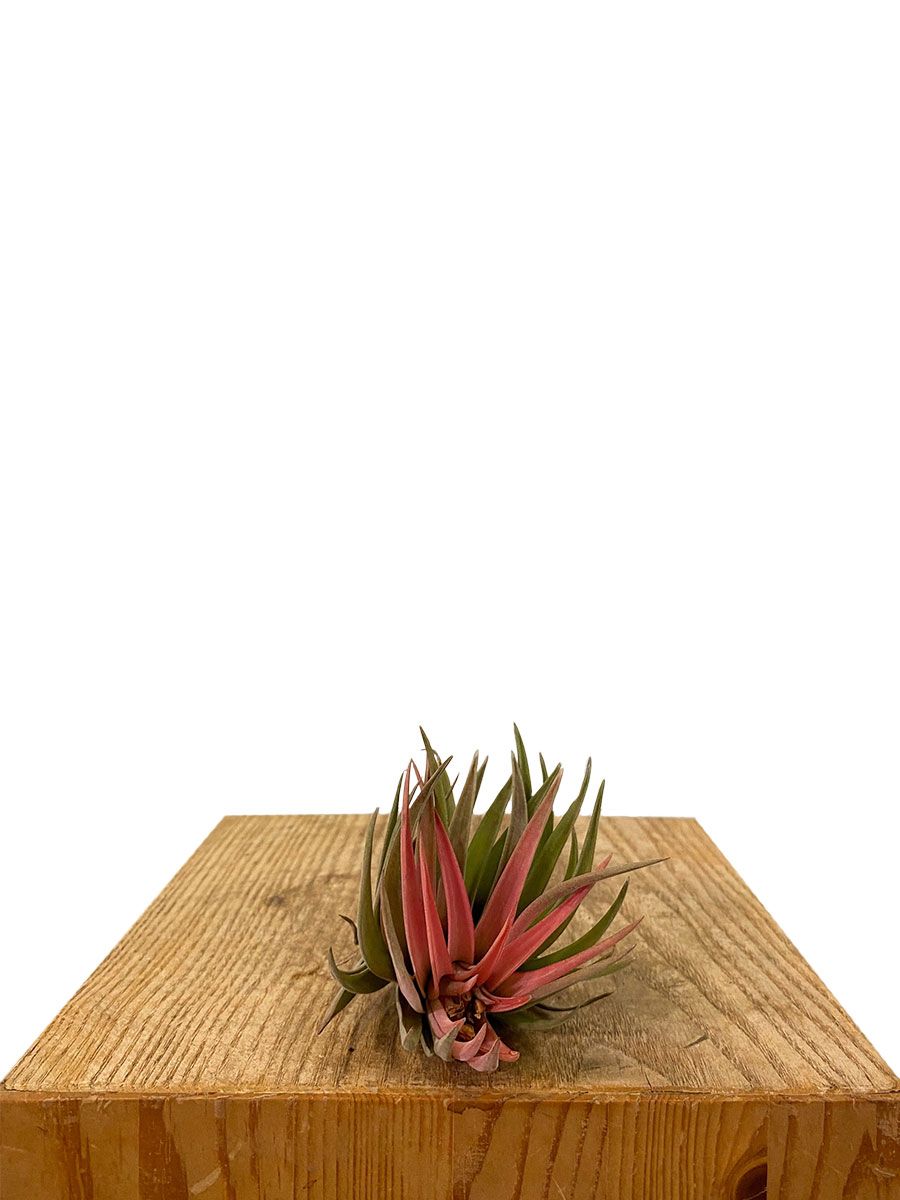
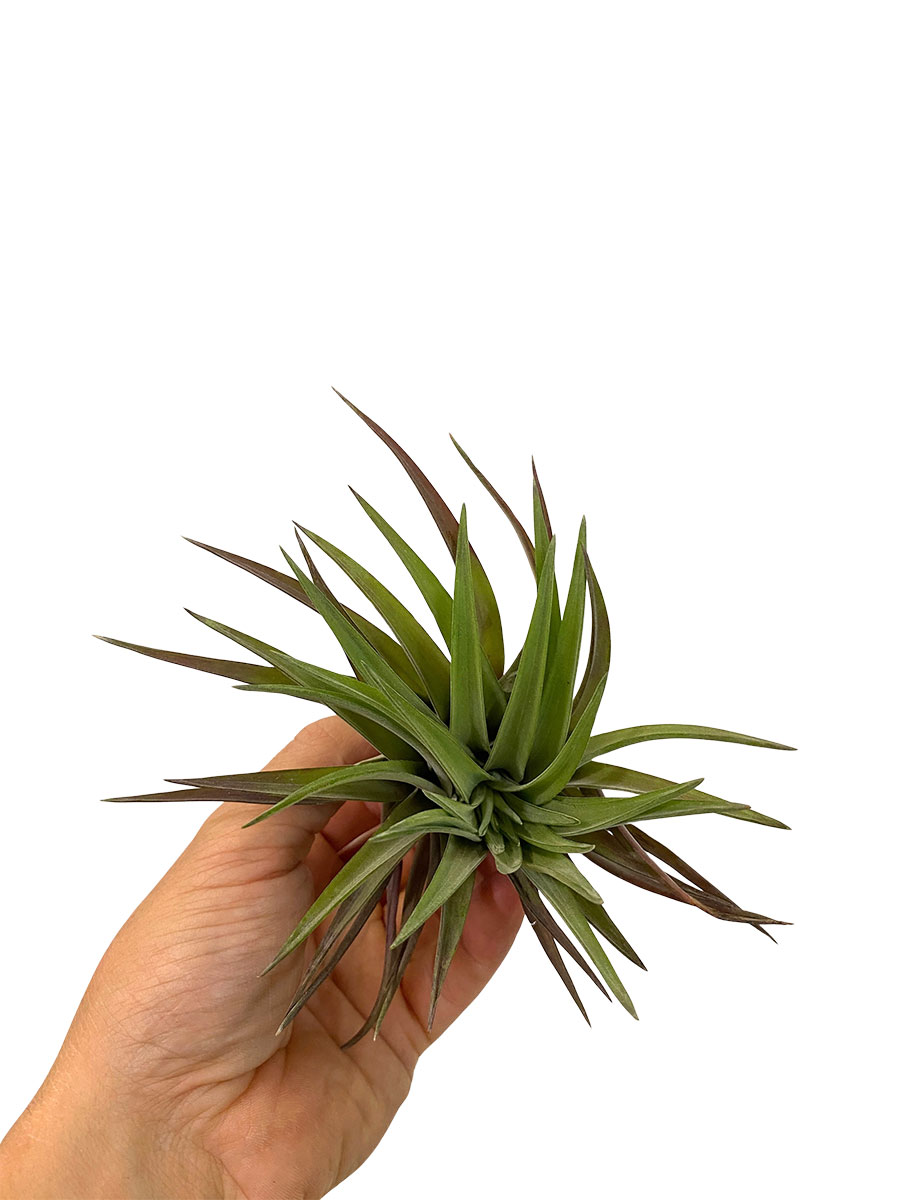

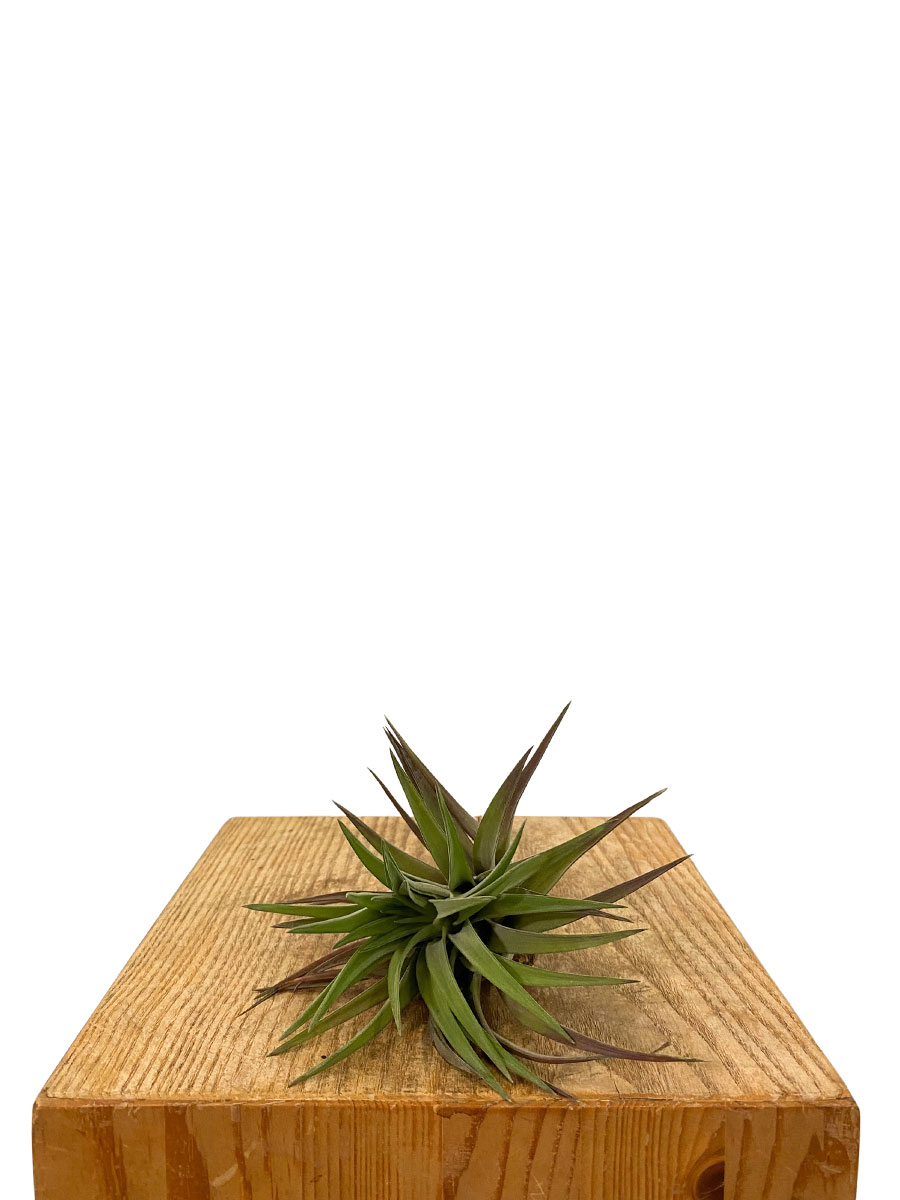

Tillandsia Cyanea Abdita
CHF 9.90*
Item no. 4352
Prices incl. VAT plus shipping costs
Delivery time 2 - 7 working days
Plant furniture | Protection & decorative items:


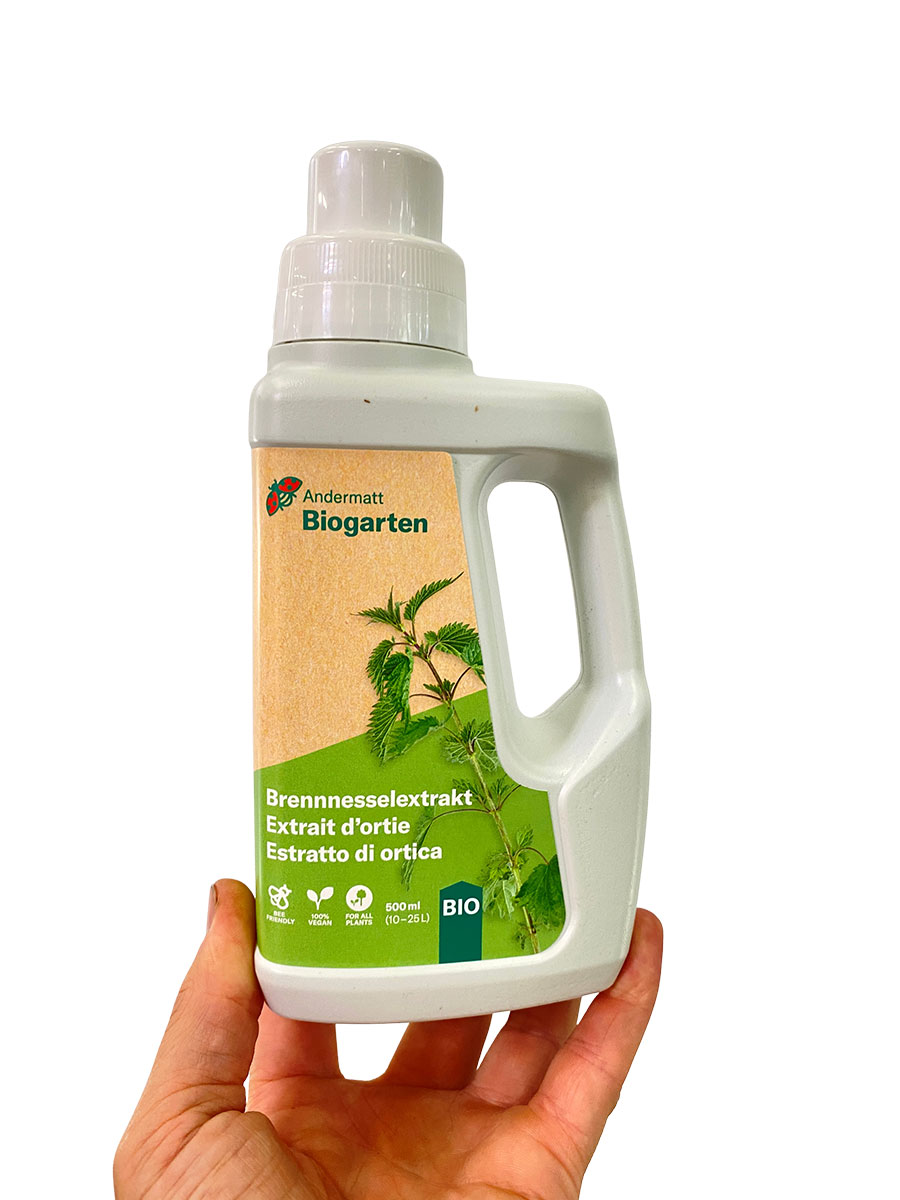
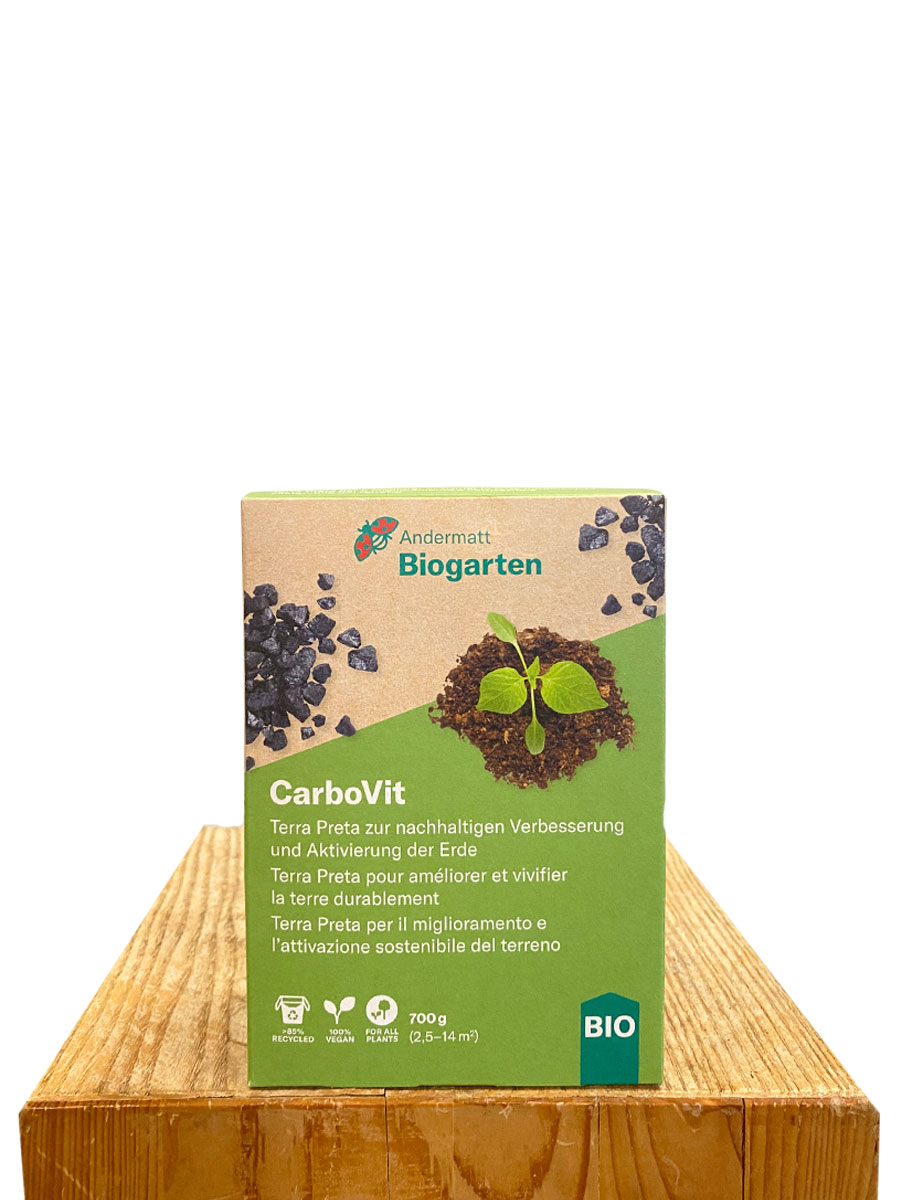
Useful care products:






History of the Tillandsia abdita
Tillandsia abdita is a compact and colourful air plant from the bromeliad family (Bromeliaceae). It comes from Central America and in its natural habitat grows epiphytically, i.e. on trees and other plants, without drawing nutrients from its host. Particularly attractive are its dense rosette and strong colouring, which can become especially intense in good light. Like other tillandsias, Tillandsia abdita absorbs water and nutrients mainly through its leaves and therefore does not need conventional soil. It is also of interest to pet owners, as tillandsias are generally considered non-toxic to cats and dogs.
Care as a houseplant:
- Light: Bright to very bright with plenty of indirect light. Some morning or evening sun is well tolerated. Avoid intense midday sun behind glass.
- Temperature: Around 18–26 °C is ideal. Avoid temperatures below 15 °C where possible.
- Humidity: Increased humidity is preferred. If the room air is dry, mist regularly with low-lime water.
- Substrate: As a true air plant, Tillandsia abdita does not need soil. It can be attached to wood, bark or stones, or displayed decoratively in special tillandsia holders. Good air circulation is important.
- Watering: Depending on the indoor climate, mist regularly with low-lime water or briefly soak the plant. After watering, it should be able to dry off completely so that no rot develops. Do not leave water standing in the rosette for long periods.
- Feeding: During the growing season, use a heavily diluted tillandsia or bromeliad fertiliser about every 3–4 weeks. Feed much less in winter.
- Special features: Its compact growth makes it ideal for small arrangements, terrariums and decorative tillandsia holders. Good air circulation is particularly important. After flowering, the plant can produce offsets, which can later be carefully separated.
- Important for pet owners: Tillandsia abdita is considered non-toxic to cats and dogs and is therefore generally well suited to households with pets.
Overwintering tips:
Tillandsia abdita should also be kept as bright and warm as possible in winter. Because there is less light, the amount of water can be reduced. After each watering, the plant must be able to dry off well. Avoid cold draughts and permanently damp conditions.
Login