




Tillandsia Red Clumb
CHF 14.90*
Item no. 4368
Prices incl. VAT plus shipping costs
Delivery time 2 - 7 working days
Plant furniture | Protection & decorative items:


Useful care products:






History of Tillandsia Red Clumb
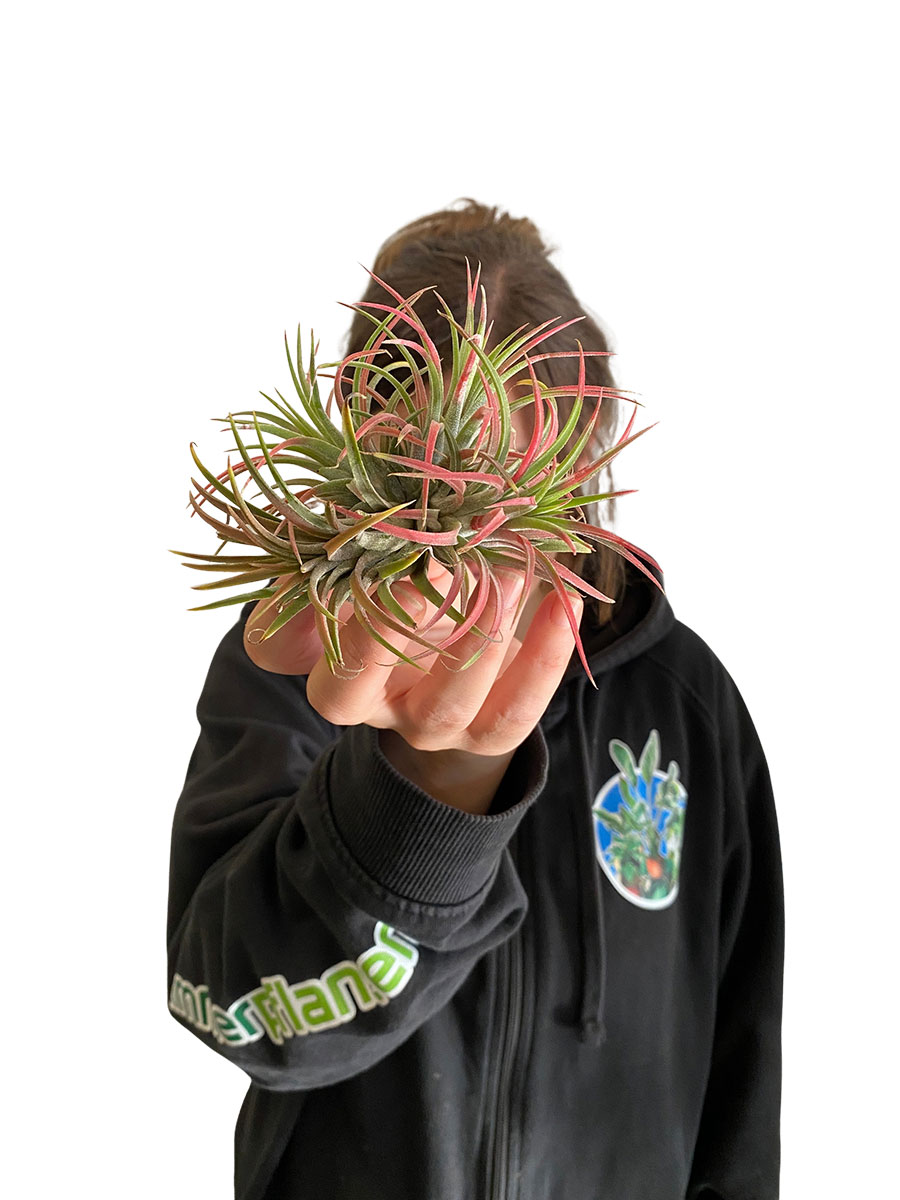
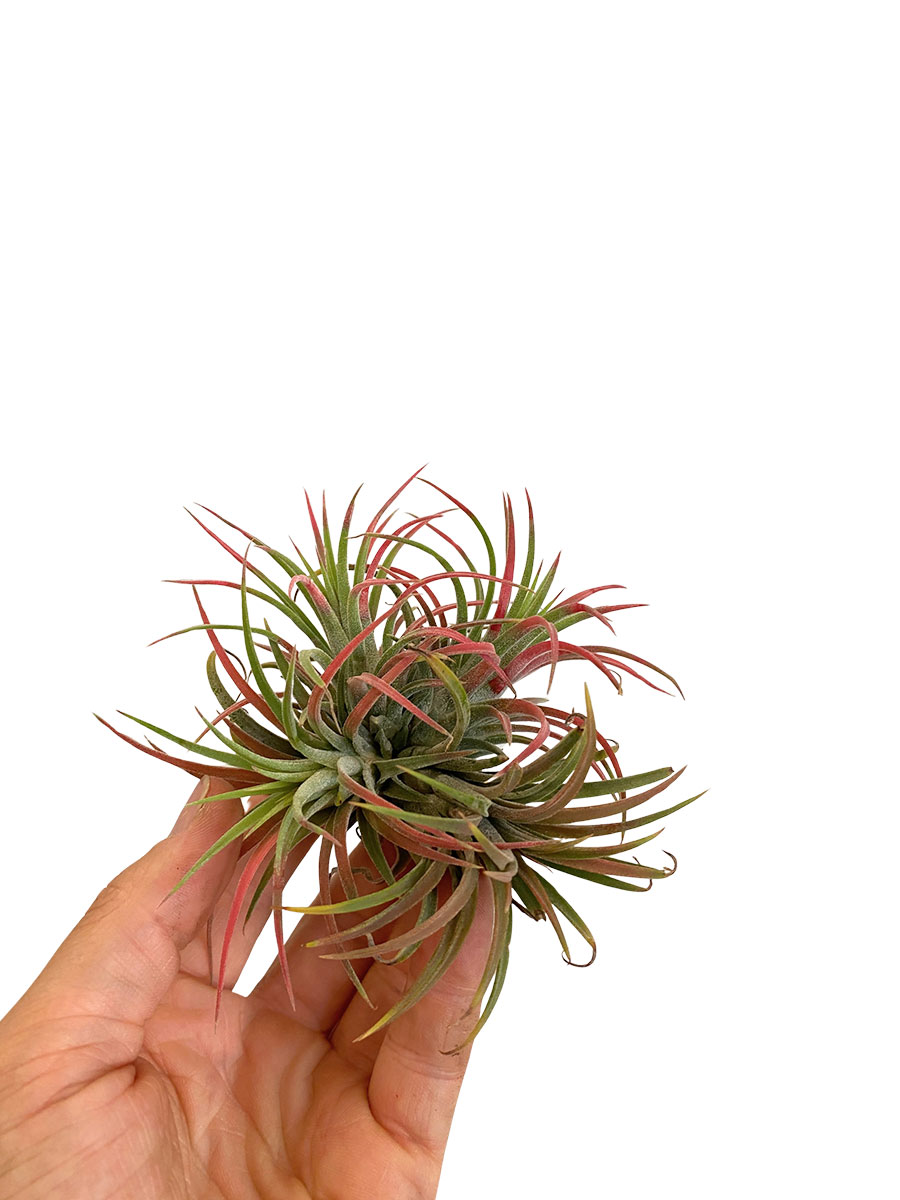
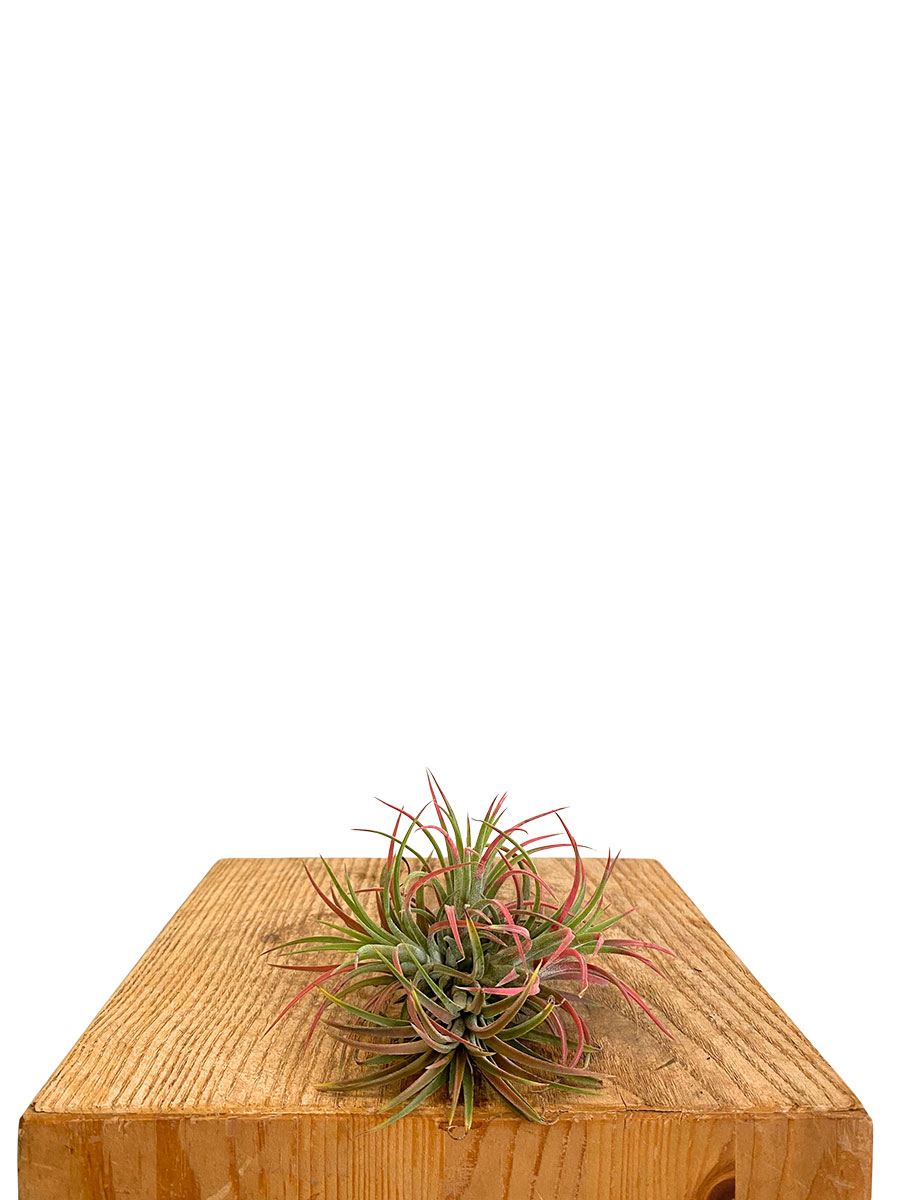
Tillandsia Red Clumb is a decorative air plant from the bromeliad family (Bromeliaceae) that is grown entirely without soil. It grows as a dense cluster of several rosettes, forming a particularly attractive, compact clump. With good light, the leaves can take on an intense reddish colour. Like other tillandsias, in the wild it usually grows epiphytically on trees, branches or rocks and absorbs water and nutrients mainly through special structures on its leaves. This makes it ideal for decorative arrangements on wood, cork, stones or in open glass containers.
Care as an air plant:
- Light: Very bright spot with plenty of indirect light. Some morning or evening sun is well tolerated and can enhance the red colouring. Avoid intense midday sun behind glass.
- Temperature: Around 18–28 °C is ideal. Avoid temperatures below 12 °C if possible.
- Humidity: Medium to high humidity is ideal. In dry living spaces, regular misting can help.
- Substrate: No substrate required. Tillandsia Red Clumb can be displayed on wood, cork, stones or decoratively in an open glass container. The roots serve mainly for attachment.
- Watering: About 2–3 times a week, rinse thoroughly with low-lime water or regularly soak for about 20–30 minutes. Then shake off excess water well and let the plant dry completely. Water must not remain inside the rosette for long.
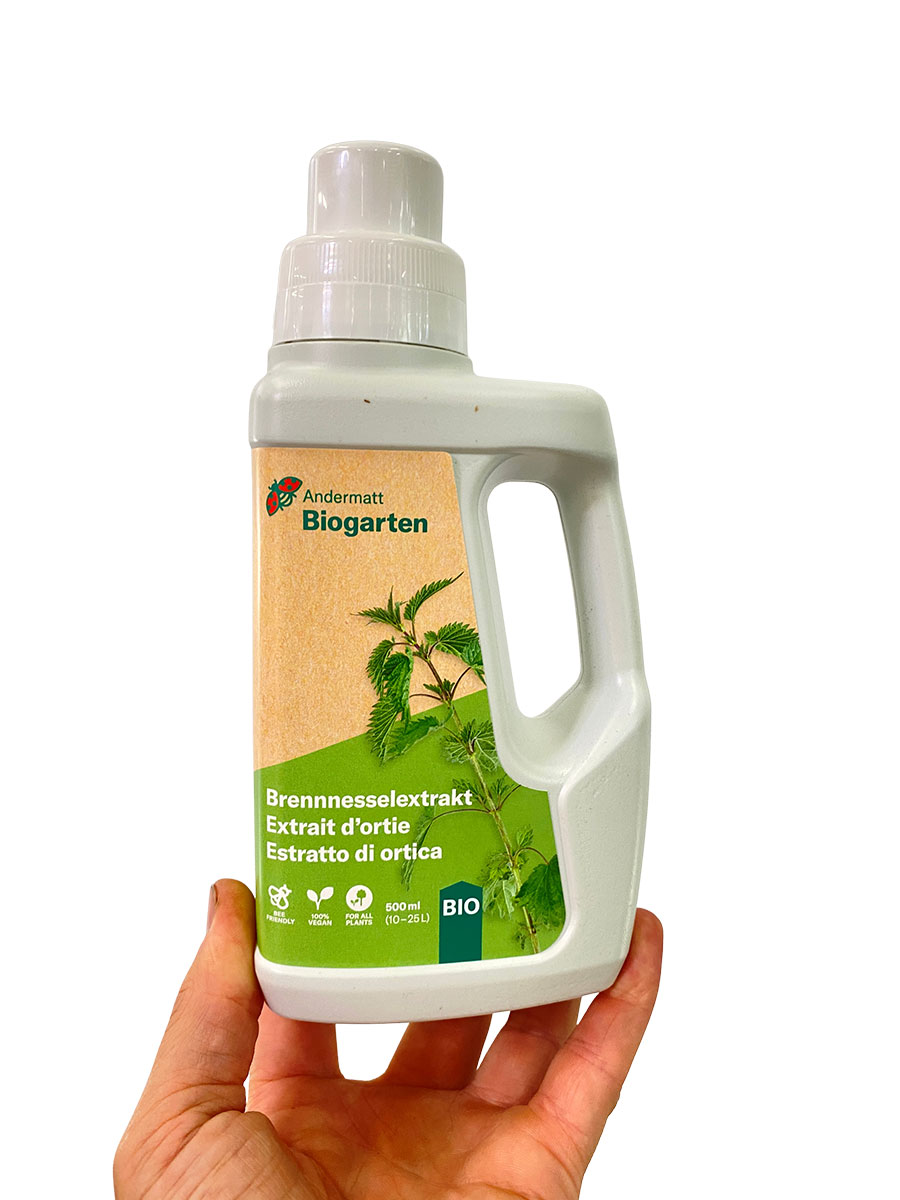
- Feeding: During the growing season, feed about once a month with heavily diluted tillandsia or bromeliad fertiliser.
-
Special features: Good air circulation is particularly important. With good care, the mother plant can produce offsets after flowering and thus develop an ever larger clump over time.
Care as a terrarium plant:
Tillandsia Red Clumb is very well suited to an open or well-ventilated terrarium. The key is that the plant can dry off completely again quickly after watering. A closed terrarium without sufficient air exchange, on the other hand, is not suitable, as moisture can collect in the rosette and encourage rot.
- Light: Bright, indirect light or a suitable grow light. Avoid direct sun through glass, as the terrarium can heat up considerably.
- Temperature: Around 20–28 °C is ideal. At night, the temperature should ideally not drop much below 15 °C.
- Humidity: Increased humidity is beneficial. At the same time, the terrarium must be adequately ventilated so that the plant can dry off between waterings.
- Substrate: Not necessary. The tillandsia can be attached to cork, branches, stones or other dry decorative elements.
- Watering: For thorough watering, it is best to take the plant out of the terrarium, soak it or rinse it thoroughly and then let it dry for several hours outside the terrarium. Light misting in the terrarium is possible between waterings, but does not necessarily replace thorough watering.
- Terrarium conditions: An open terrarium or a container with sufficient ventilation openings is ideal. After watering, the tillandsia should be completely dry within a few hours.
Overwintering tips:
In winter, Tillandsia Red Clumb should continue to be kept bright and as warm as possible. In dry heated air, the plant can be moistened a little more often. At the same time, take particular care that it can dry off completely after each watering. At cooler temperatures, water more cautiously.
Login