


Alocasia Zebrina Siberian Tiger
CHF 79.90*
Item no. 1333
Prices incl. VAT plus shipping costs
Delivery time 2 - 7 working days
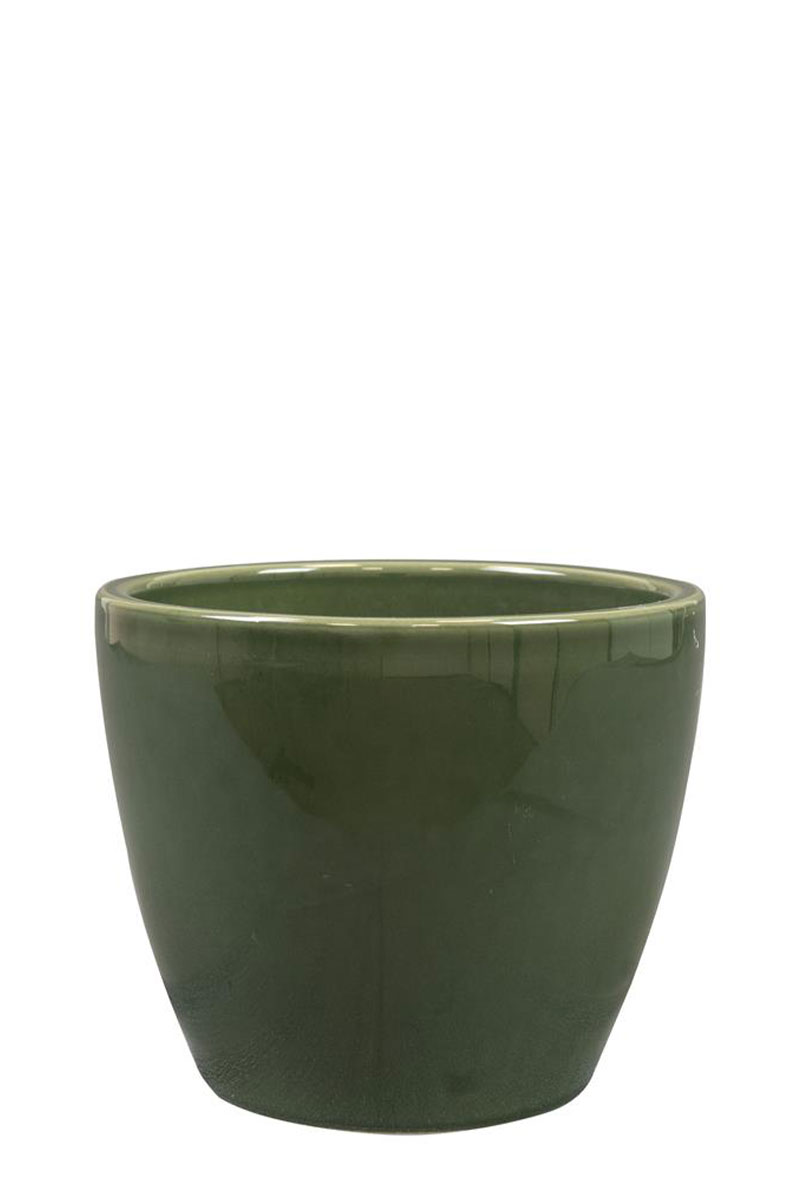
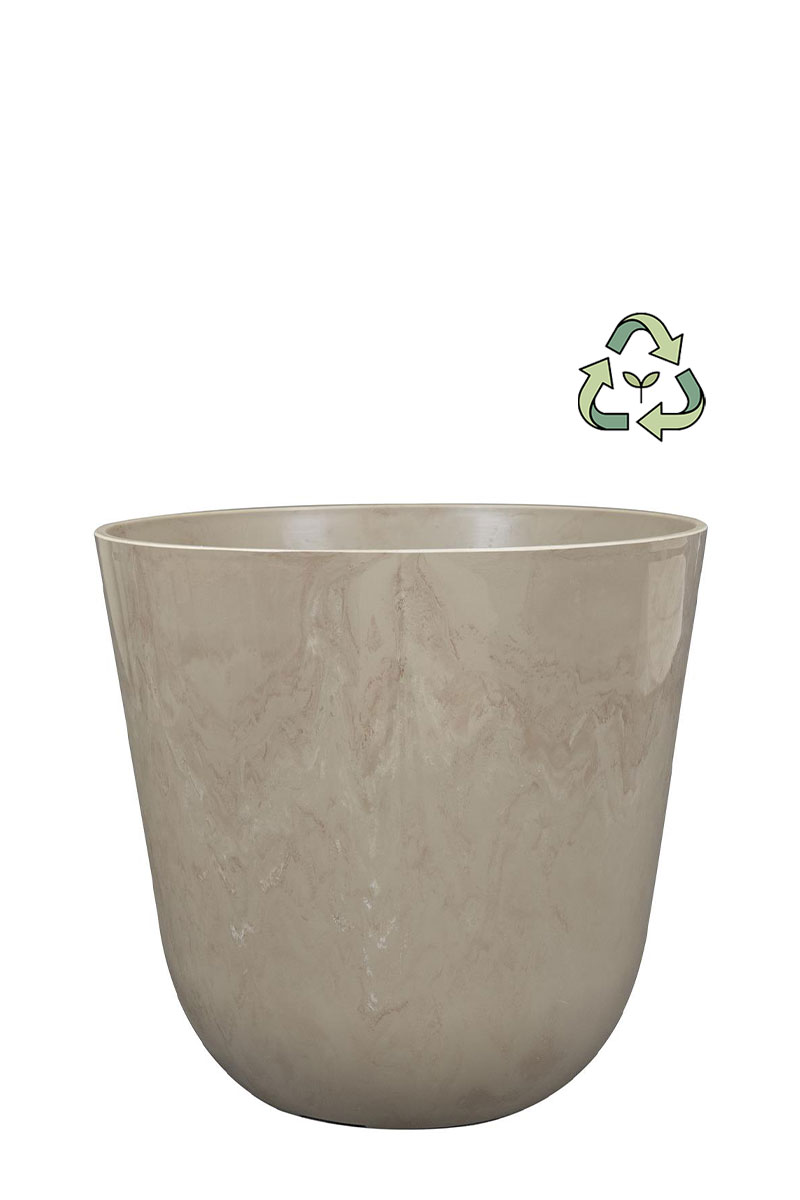
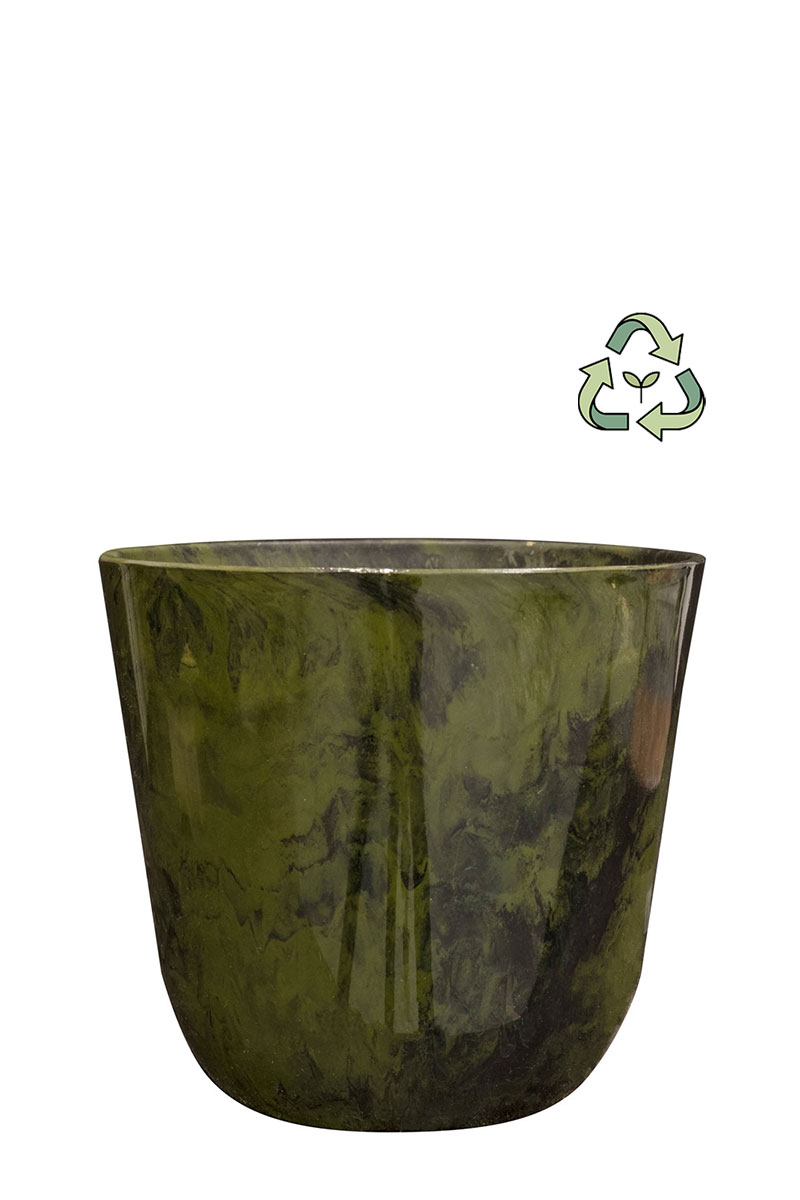
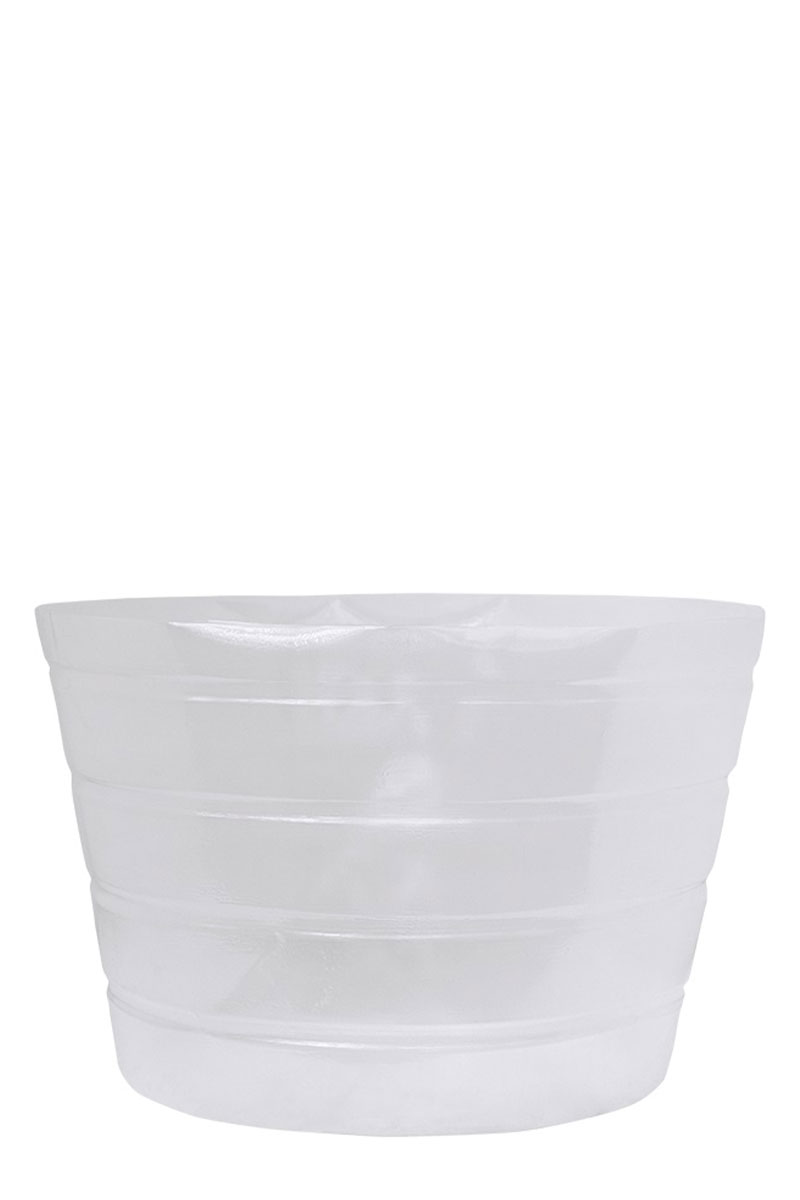
Choose a decorative pot cover compatible with your planting kit Ø30cm:


Useful accessories & substrates








History of the Alocasia Zebrina Siberian Tiger
Alocasia Zebrina 'Siberian Tiger' is a particularly striking houseplant that delights with its large, arrow-shaped leaves and distinctively patterned leaf stalks. The rich green leaves sit on long, upright stalks whose zebra-like markings in light and darker shades of green give the plant an exotic and elegant appearance. The 'Siberian Tiger' variety is one of the popular Alocasias among plant lovers and collectors. The species originally comes from the tropical regions of the Philippines, where it grows in warm, humid forests.
Care as a houseplant:
• Light: Bright spot with plenty of indirect light; some morning or evening sun is well tolerated. Avoid intense midday sun.
• Temperature: 20–28 °C is optimal; temperatures below 16 °C should be avoided wherever possible.
• Humidity: High; around 60–80 % is ideal. Increased humidity supports the development of strong leaves.
• Substrate: Loose, airy and free-draining aroid substrate, for example made of bark, perlite, coco chips and high-quality potting soil.
• Watering: Keep evenly and slightly moist. The top layer of substrate may dry out slightly between waterings. Be sure to avoid waterlogging.
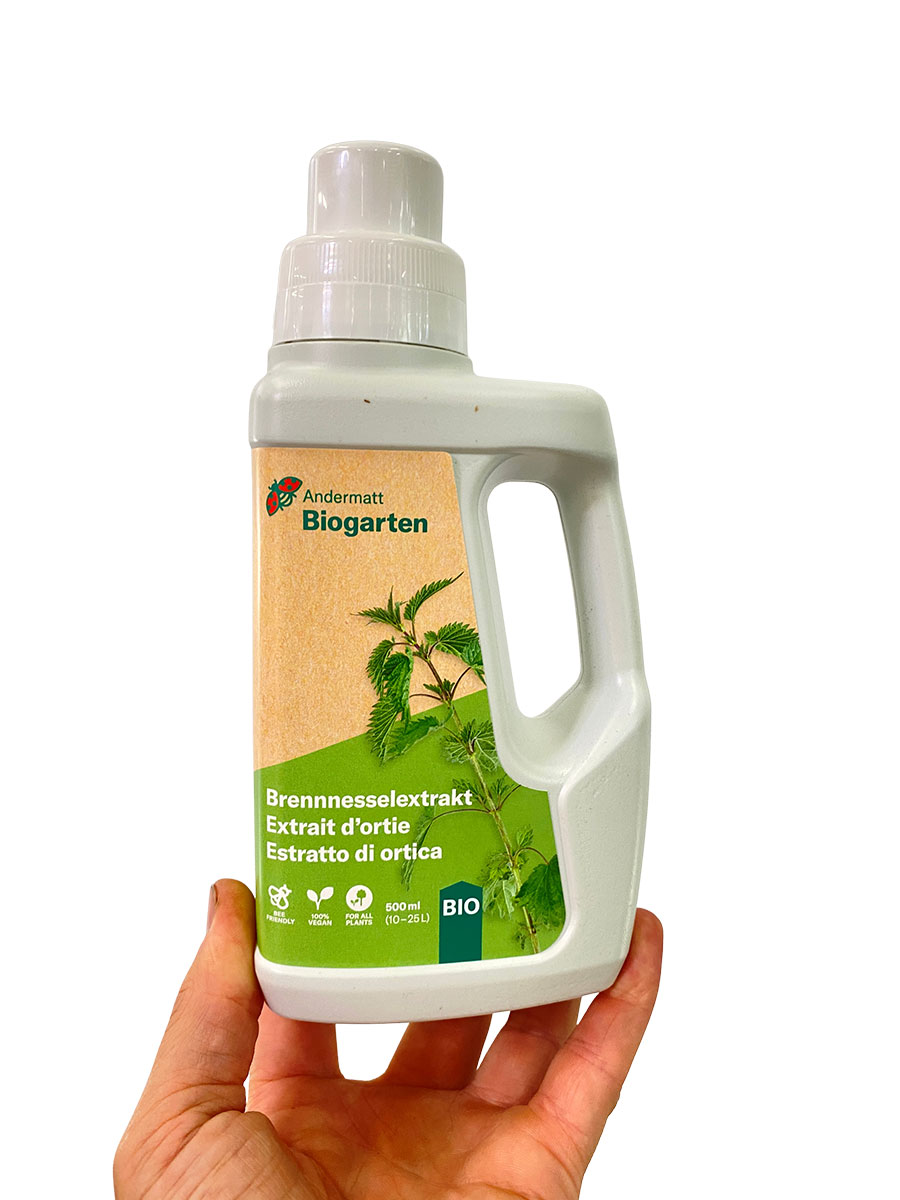
• Feeding: During the growing season, feed roughly every 2–3 weeks with a weakly dosed liquid fertiliser for foliage plants or aroids.
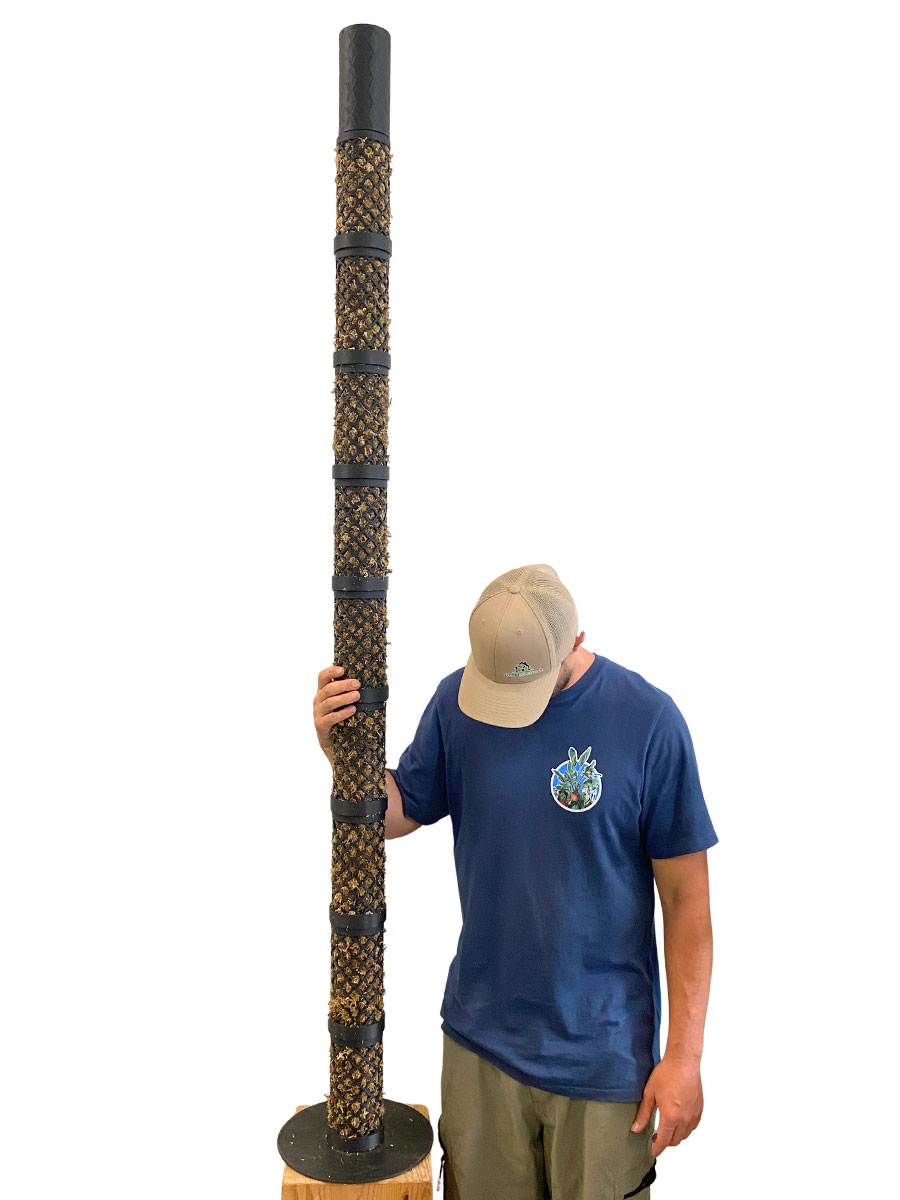
• Special features: The strikingly patterned leaf stalks and the large, tropical-looking leaves make Alocasia Zebrina 'Siberian Tiger' a special eye-catcher. With sufficient light and a climbing or support aid, it can grow particularly impressively.
Overwintering tips:
Water a little less in winter and continue to keep it as bright and warm as possible. Temperatures should remain as constant as possible above 16–18 °C. Avoid cold draughts and sharp temperature fluctuations. With less light, the plant may slow its growth considerably and shed individual older leaves.
Login