


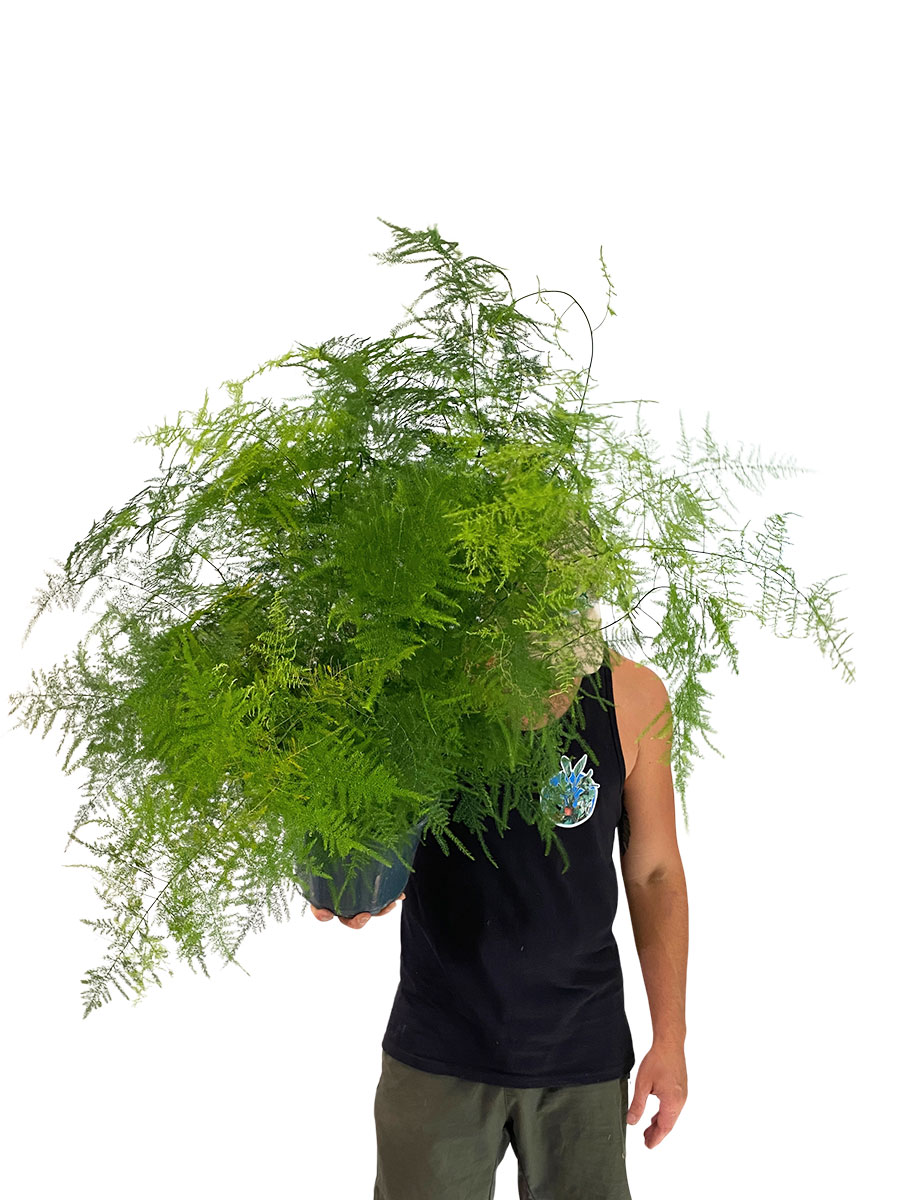
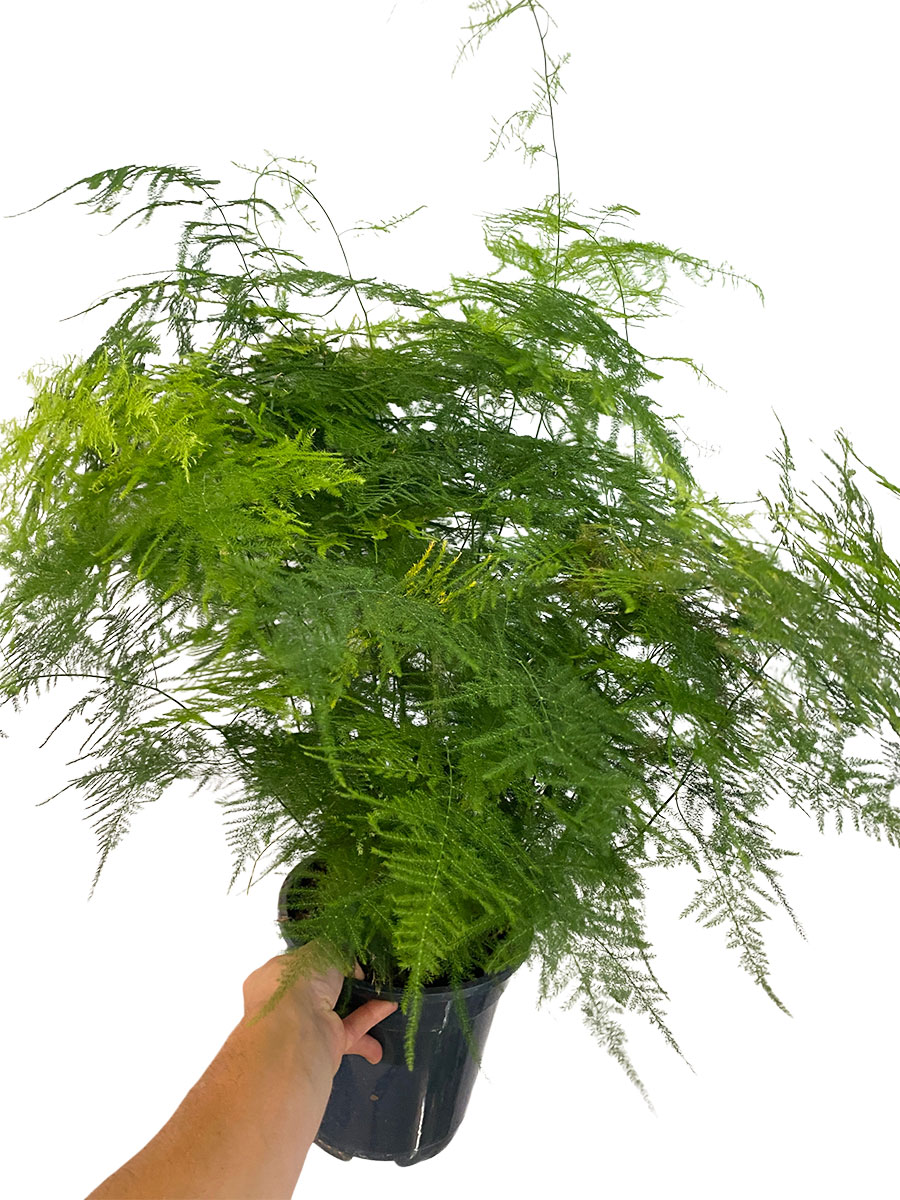
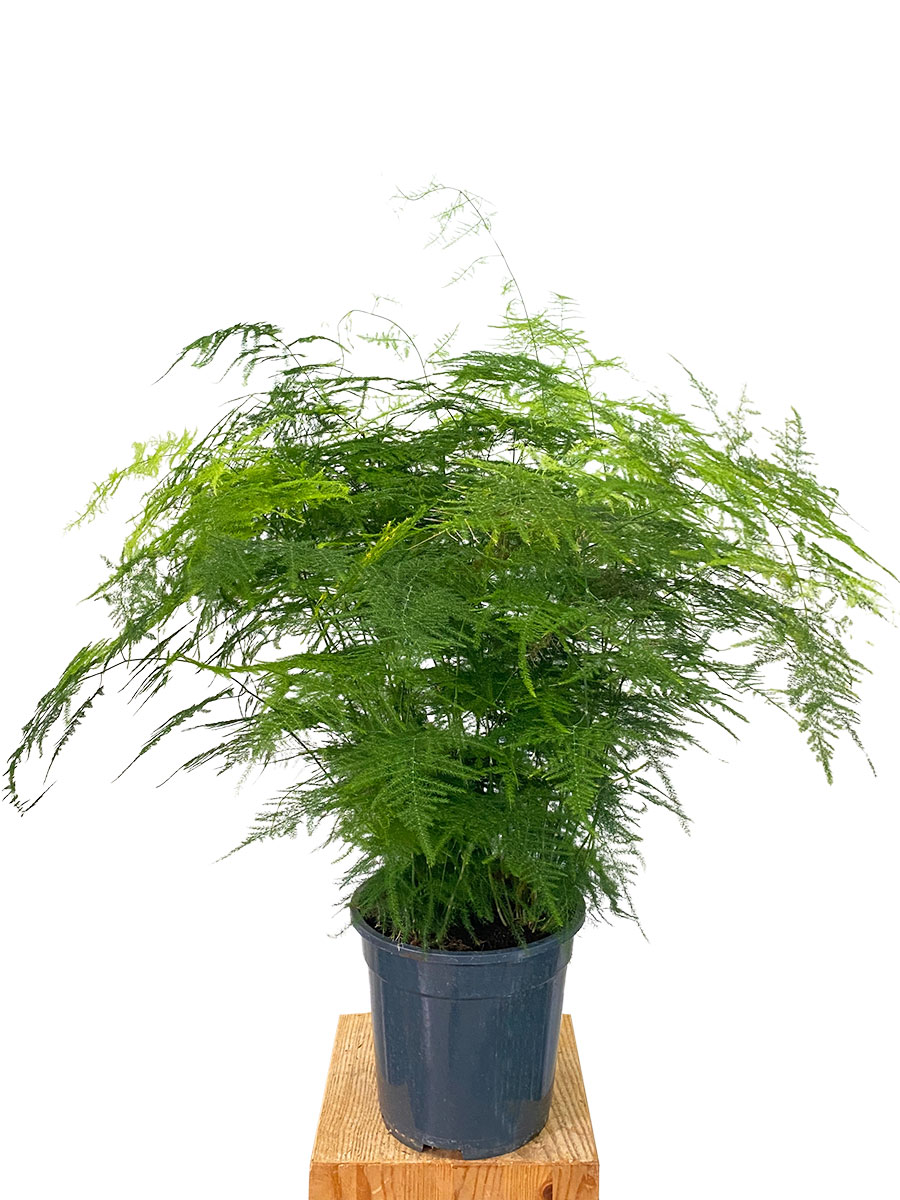


Asparagus Setaceus
CHF 49.90*
Item no. 4328
Prices incl. VAT plus shipping costs
Delivery time 2 - 7 working days
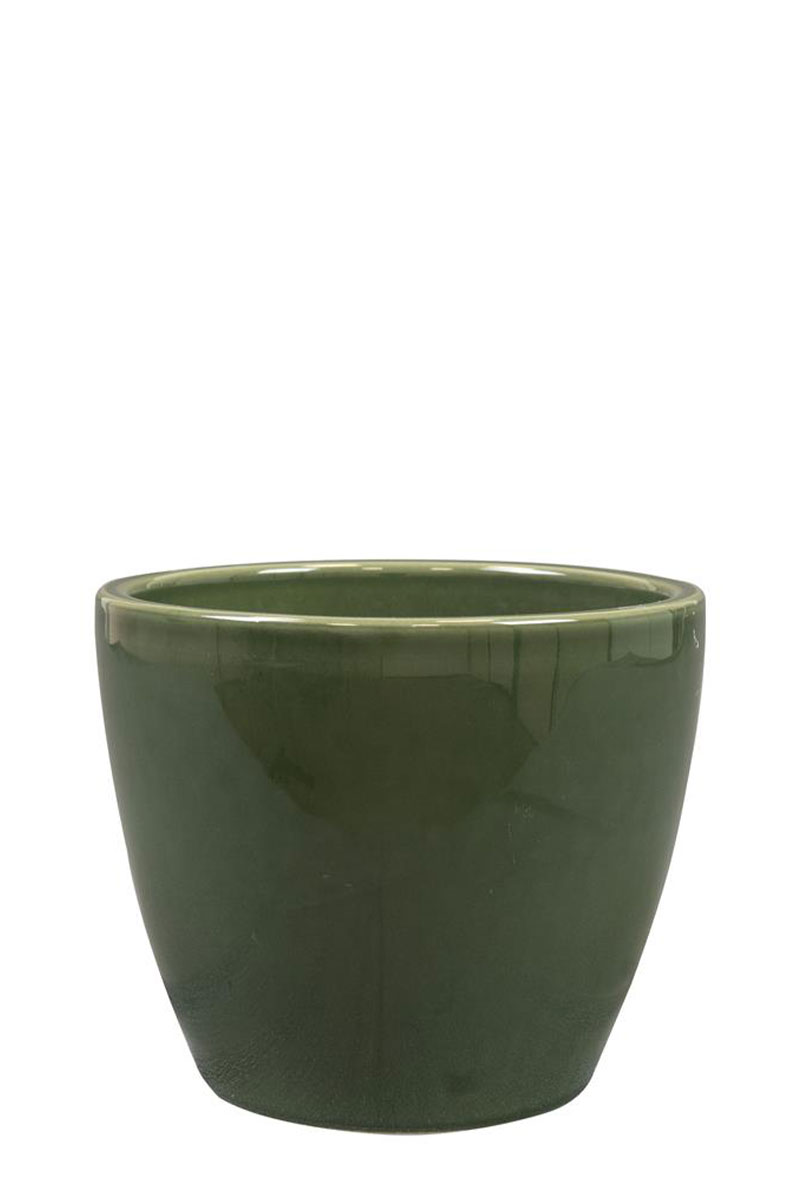
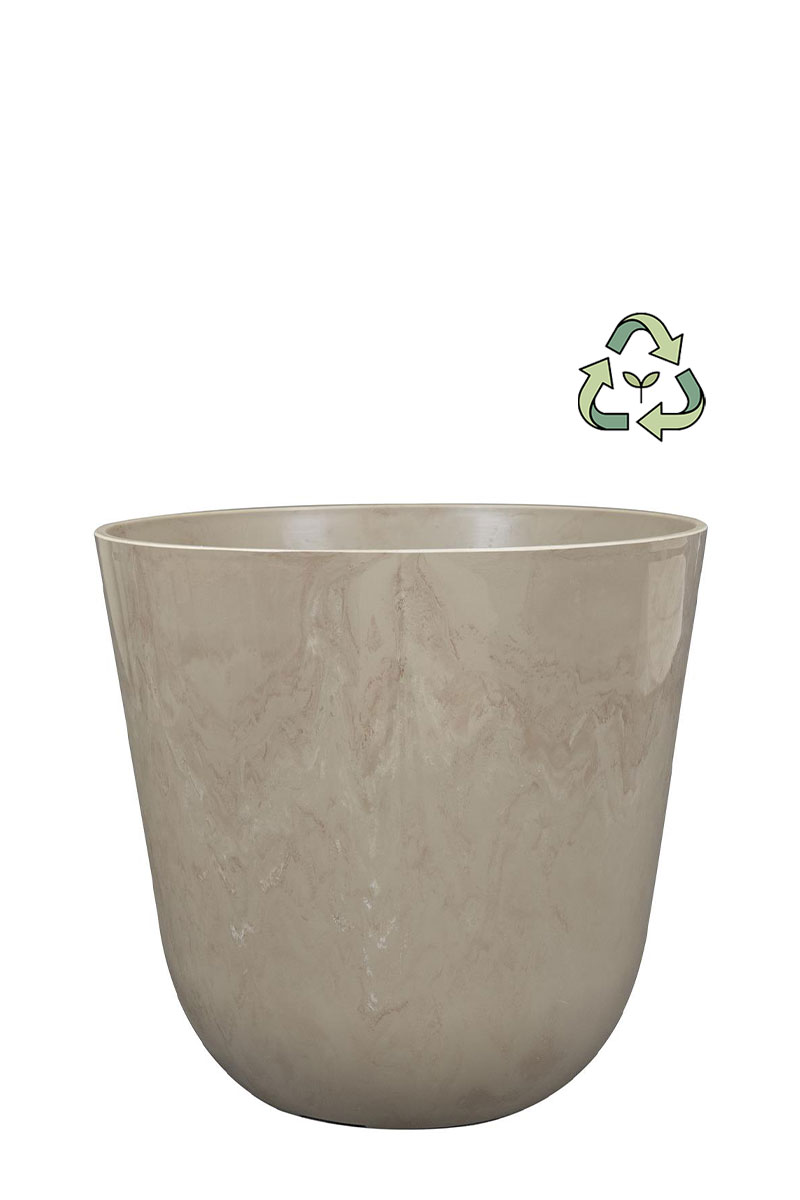
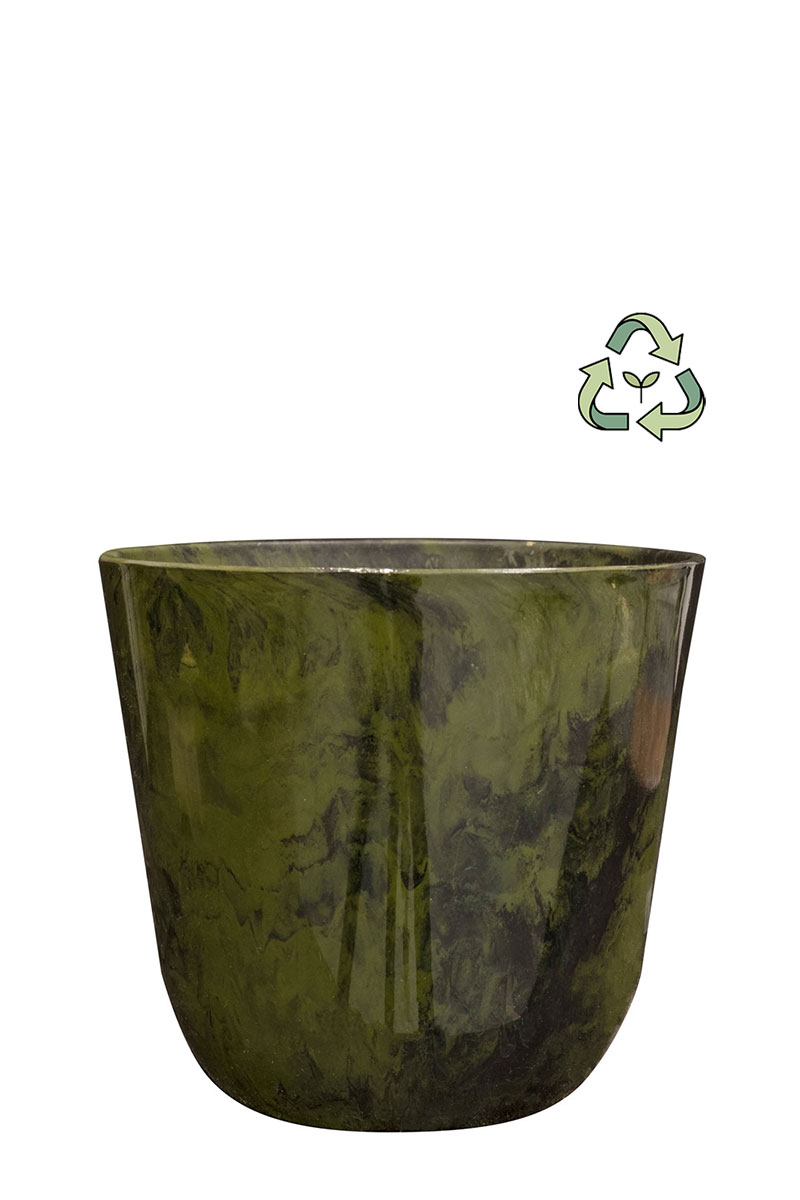
Choose a decorative pot cover compatible with your planting kit Ø30cm:


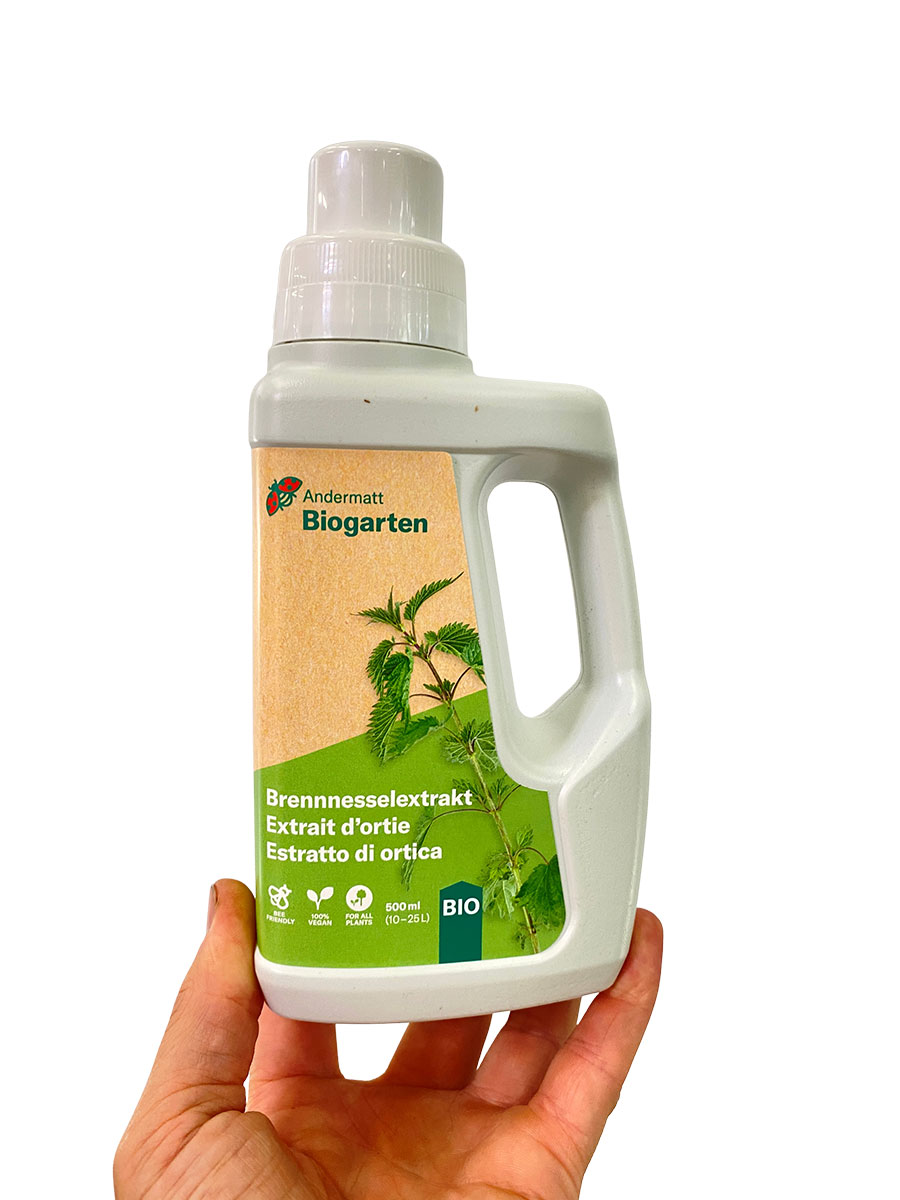
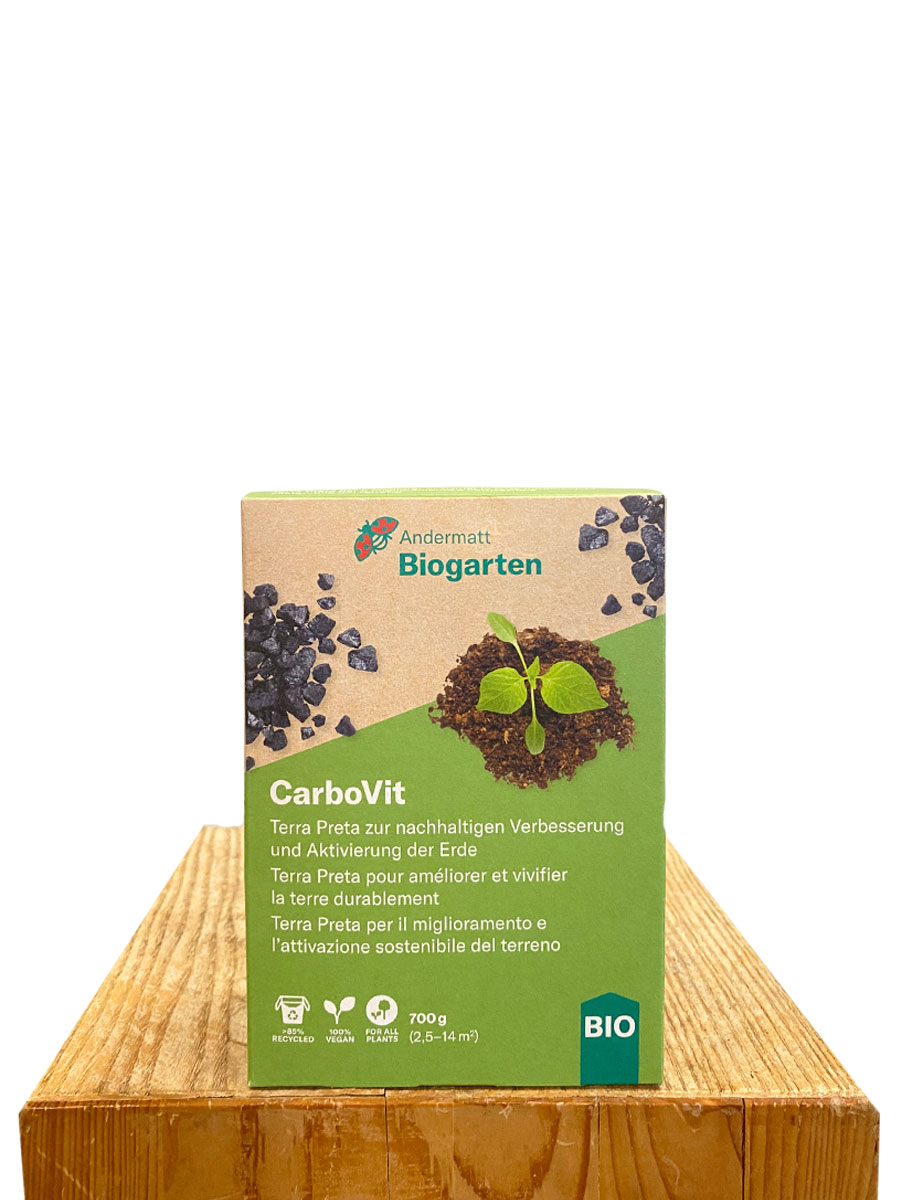
Useful care products:






Plant furniture | Protection & decorative items:

Delivery time 2 - 4 working days

Delivery time 2 - 4 working days

Delivery time 2 - 4 working days

Delivery time 2 - 4 working days

Delivery time 2 - 4 working days

Delivery time 2 - 4 working days

Delivery time 2 - 4 working days

Delivery time 2 - 4 working days

Delivery time 2 - 4 working days

Delivery time 2 - 4 working days

Delivery time 2 - 4 working days
History of the Asparagus setaceus
Asparagus setaceus, also known as asparagus fern or lace fern, is a delicate, elegant plant from the asparagus family (Asparagaceae). It originally comes from South Africa, where it grows as a sprawling, climbing plant. Particularly characteristic are its fine, needle-like false leaves, which give it a feather-light, almost cloud-like appearance. Thanks to its decorative growth, Asparagus setaceus is ideal for shelves, hanging baskets and as an addition to plant arrangements. In good conditions it grows vigorously and can develop long, elegantly trailing shoots. Pet owners should take care, however, as the berries and other parts of the plant in particular can be toxic to cats and dogs if eaten.
Care as a houseplant:
- Light: Bright to partial shade with plenty of indirect light. Avoid intense midday sun, as the fine shoots can be sensitive.
- Temperature: Around 18–25 °C is ideal. Avoid temperatures below 12–15 °C where possible.
- Humidity: Increased humidity is preferred. Regular misting with low-lime water can be helpful, especially during the heating season.
- Substrate: Use a loose, humus-rich and free-draining houseplant substrate. Avoid waterlogging.
- Watering: Keep evenly moist without the plant standing permanently wet. The root ball should not dry out completely.
- Feeding: During the growing season from spring to autumn, feed about every 2–4 weeks with a foliage plant fertiliser. Feed much less in winter.
- Special features: Over time, Asparagus setaceus forms long, fine shoots, making it particularly attractive as a trailing plant. If the air is too dry, the fine leaflets can turn yellow or drop. Regular pruning helps keep the plant compact and attractive.
- Important for pet owners: Asparagus setaceus is not suitable as a plant for cats and dogs to nibble. The berries in particular can cause gastrointestinal problems if eaten and should be kept away from pets.
Overwintering tips:
Asparagus setaceus can be grown as a houseplant all year round. In winter it should be kept as bright and slightly cooler as possible, but protected from draughts. Watering can be reduced, but the substrate should not dry out completely. The plant is sensitive to dry heating air, which is why increased humidity is particularly helpful in winter.
Login