


Bonsai Ficus Retusa - Ø30 cm
CHF 199.90*
Item no. 4178
Prices incl. VAT plus shipping costs
Delivery time 2 - 7 working days
Useful care products:
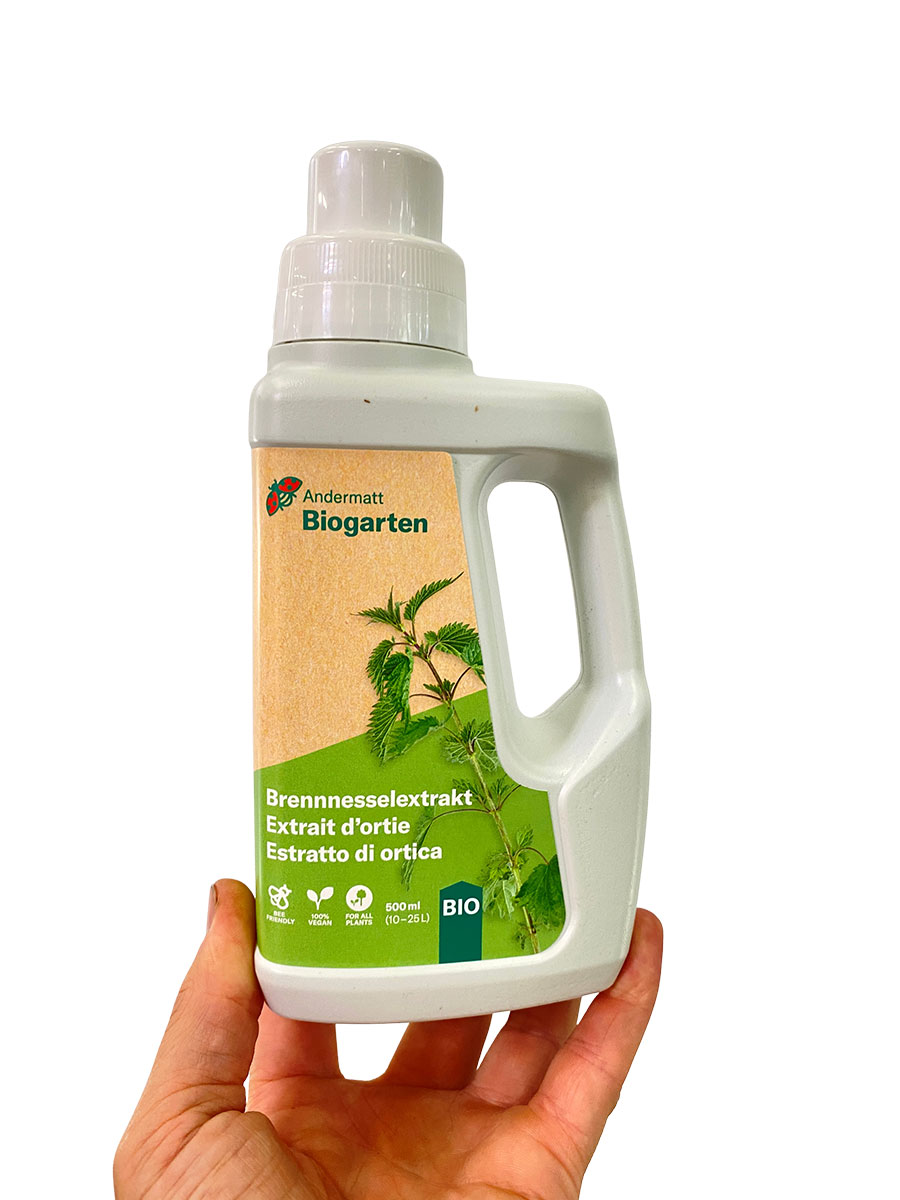
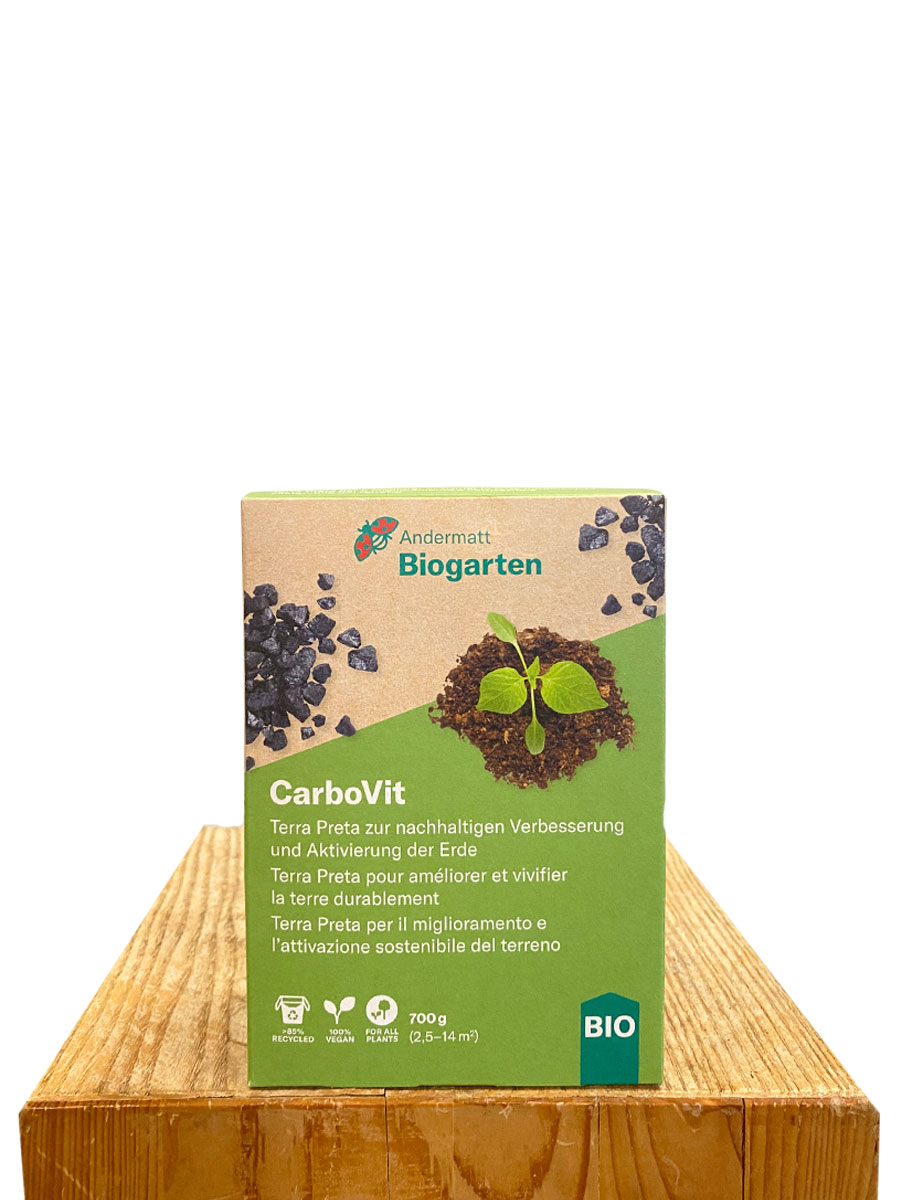
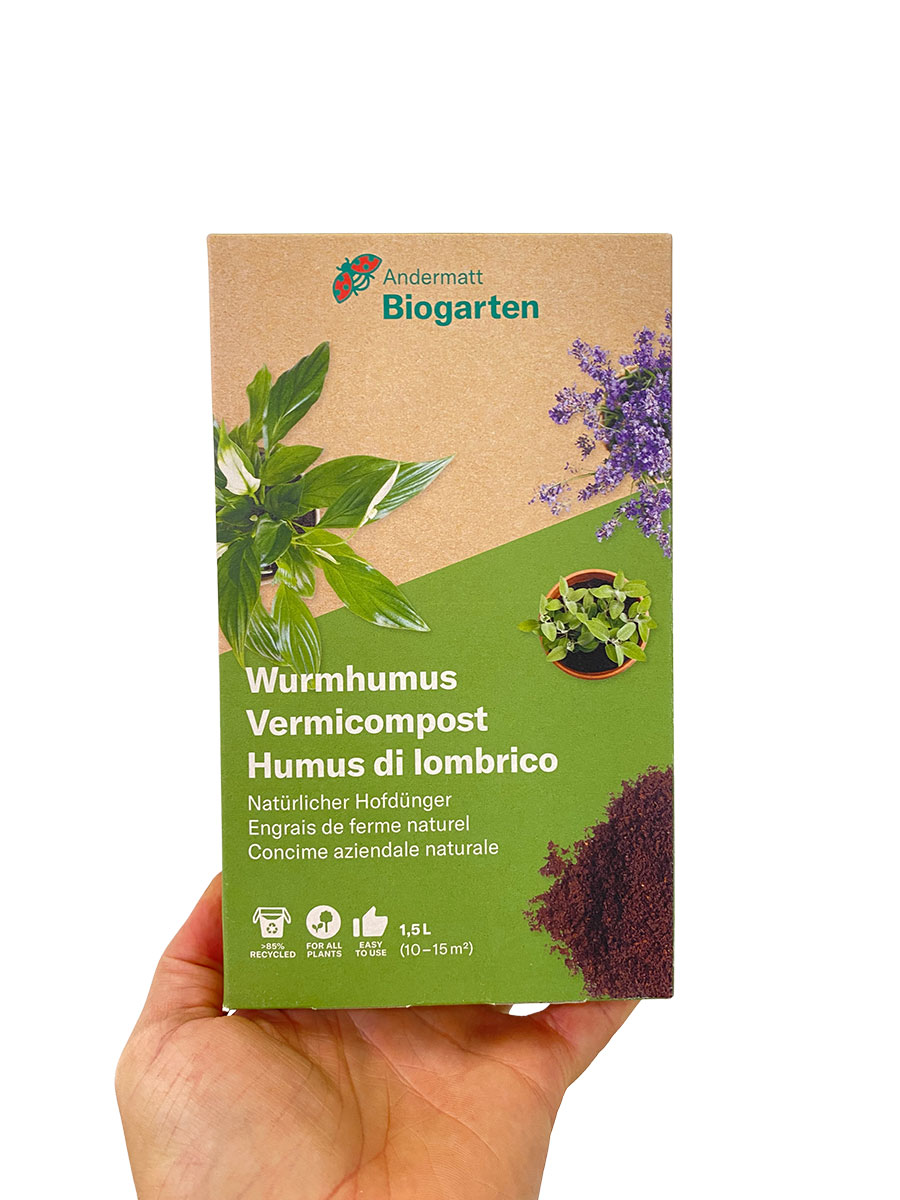





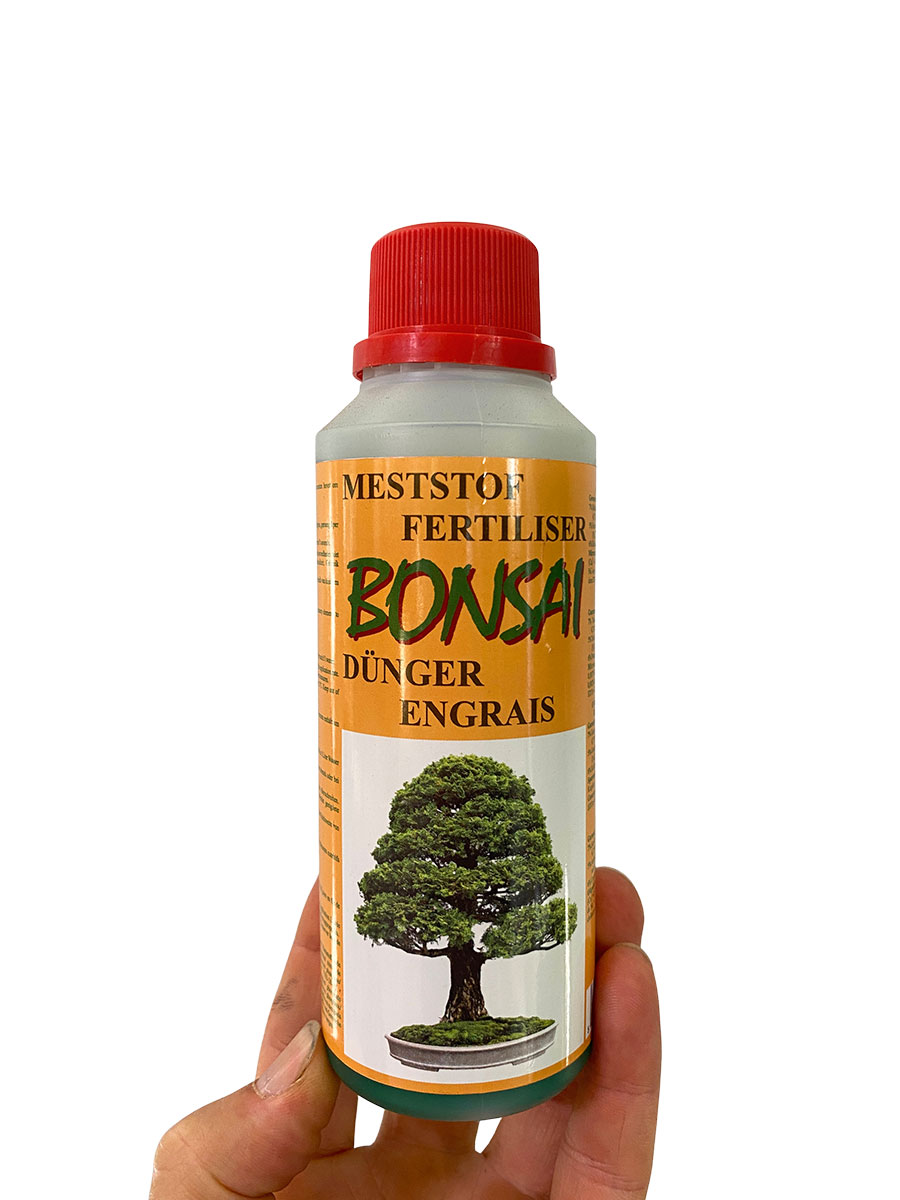


Plant furniture | Protection & decorative items:


History of the Ficus Retusa bonsai
The Ficus Retusa Bonsai, also known as Chinese banyan, originally comes from the tropical regions of Southeast Asia and Australia. This bonsai species is prized for its dense, attractive foliage and its ability to be shaped and pruned well. With its thick aerial roots and characteristic gnarled trunk structure, Ficus Retusa is a popular choice for bonsai enthusiasts and is suitable for beginners as well as experienced gardeners. It can be grown both as a houseplant and outdoors.
Care as a houseplant:
- Light: Bright position with indirect sunlight; a south-facing window is ideal, but direct sun should be avoided.
- Temperature: 15–25 °C is optimal; in winter the temperature should not fall below 10 °C.
- Humidity: Medium to high humidity is beneficial; occasional misting of the leaves can help.
- Substrate: Free-draining bonsai substrate, ideally a mix of akadama, pumice and organic soil.
- Watering: Keep the substrate evenly moist, but avoid waterlogging; water more often in summer and less in winter.
- Feeding: Feed every 2–4 weeks during the growing season with a balanced bonsai fertiliser.
- Special features: Regular pruning encourages branching and a compact growth habit.
Keeping as a seasonal plant outdoors:
- Location: From spring to autumn, the Ficus Microcarpa can stand outdoors in a bright, sheltered spot.
- Temperature: 10–25 °C is ideal; temperatures below 5 °C should be avoided, as they harm the plant.
- Overwintering: When temperatures get cooler, the plant should be brought indoors to protect it from frost.
Winter dormancy:
The Ficus Retusa Bonsai needs a light rest period during winter to regenerate. The ideal temperature for the winter rest is between 10 and 15 °C. A bright, cool spot such as a conservatory or a cool room is ideal. During this time, watering should be reduced so as not to overwater the plant. However, the substrate should not dry out completely. At the start of spring, normal care, including watering and feeding, can be resumed.
Login