


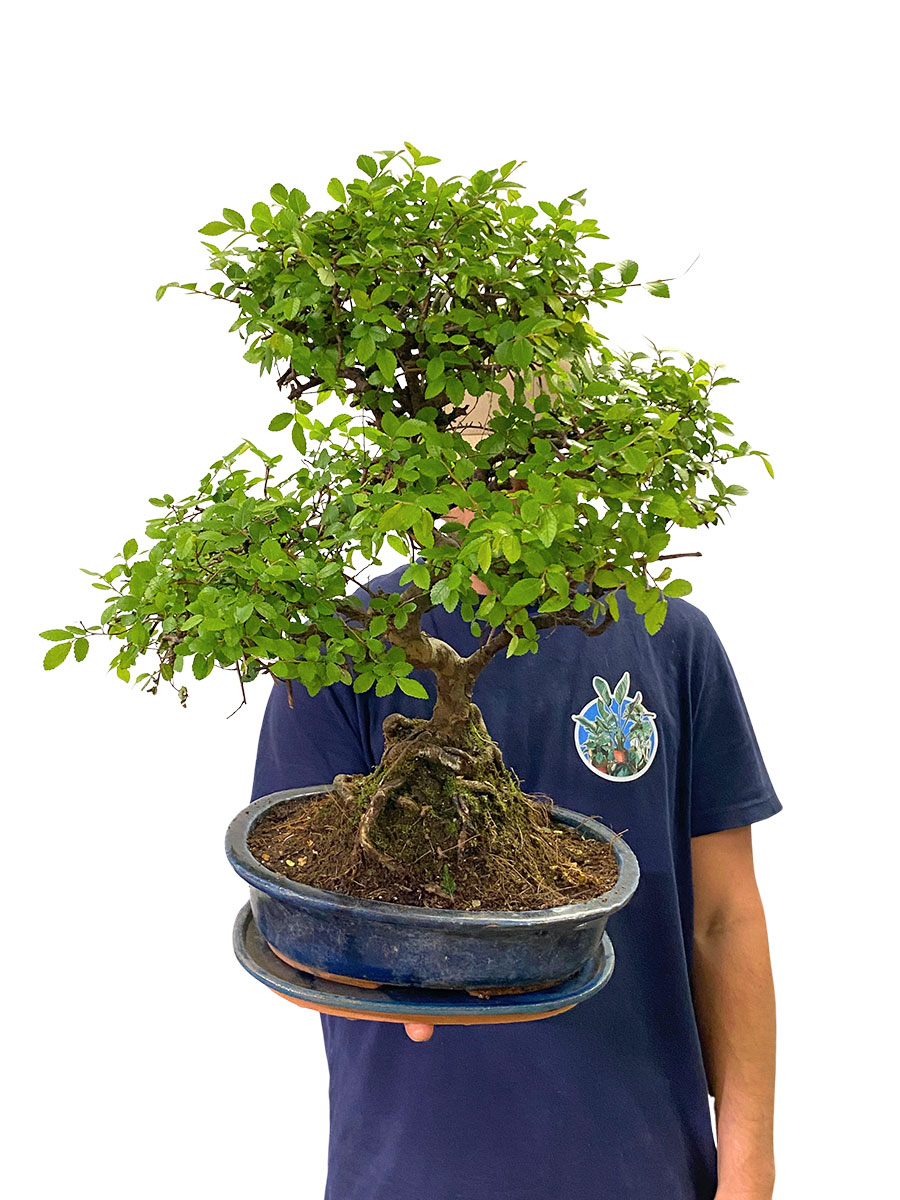
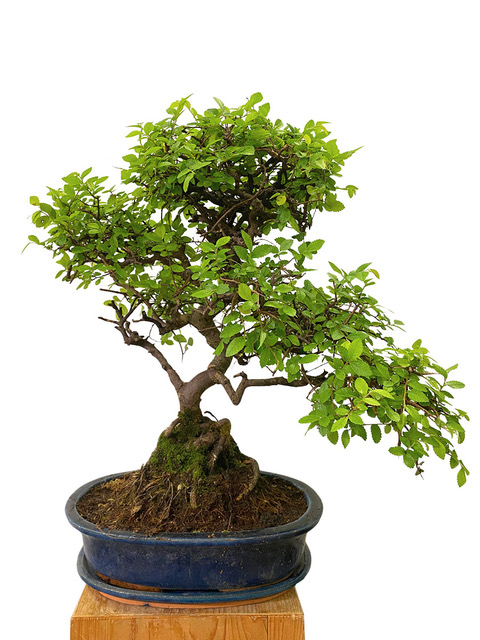
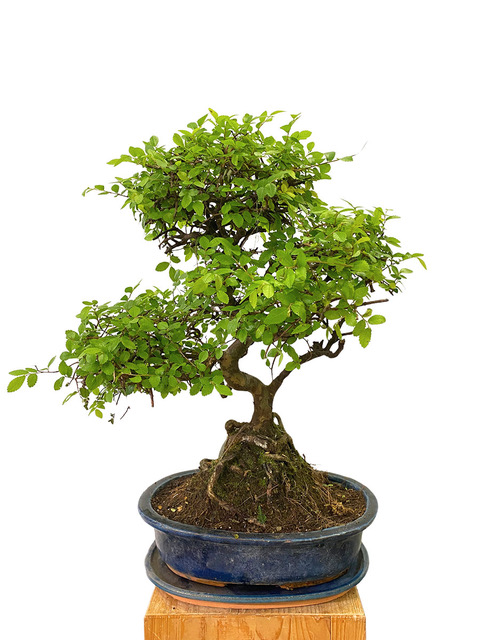


Bonsai Zelkova Serrata
CHF 249.90*
Item no. BON17
Prices incl. VAT plus shipping costs
Delivery time 2 - 7 working days
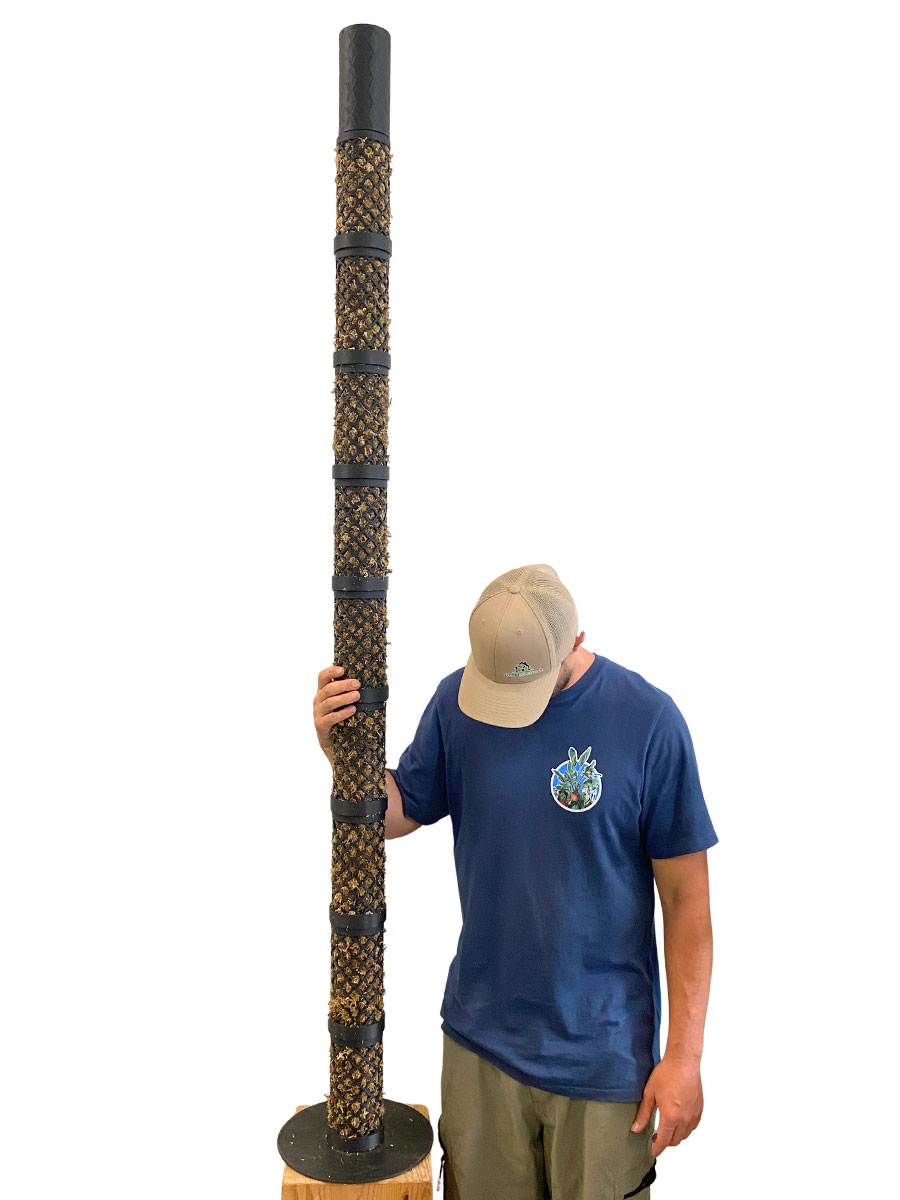
Plant furniture | Protection & decor items:


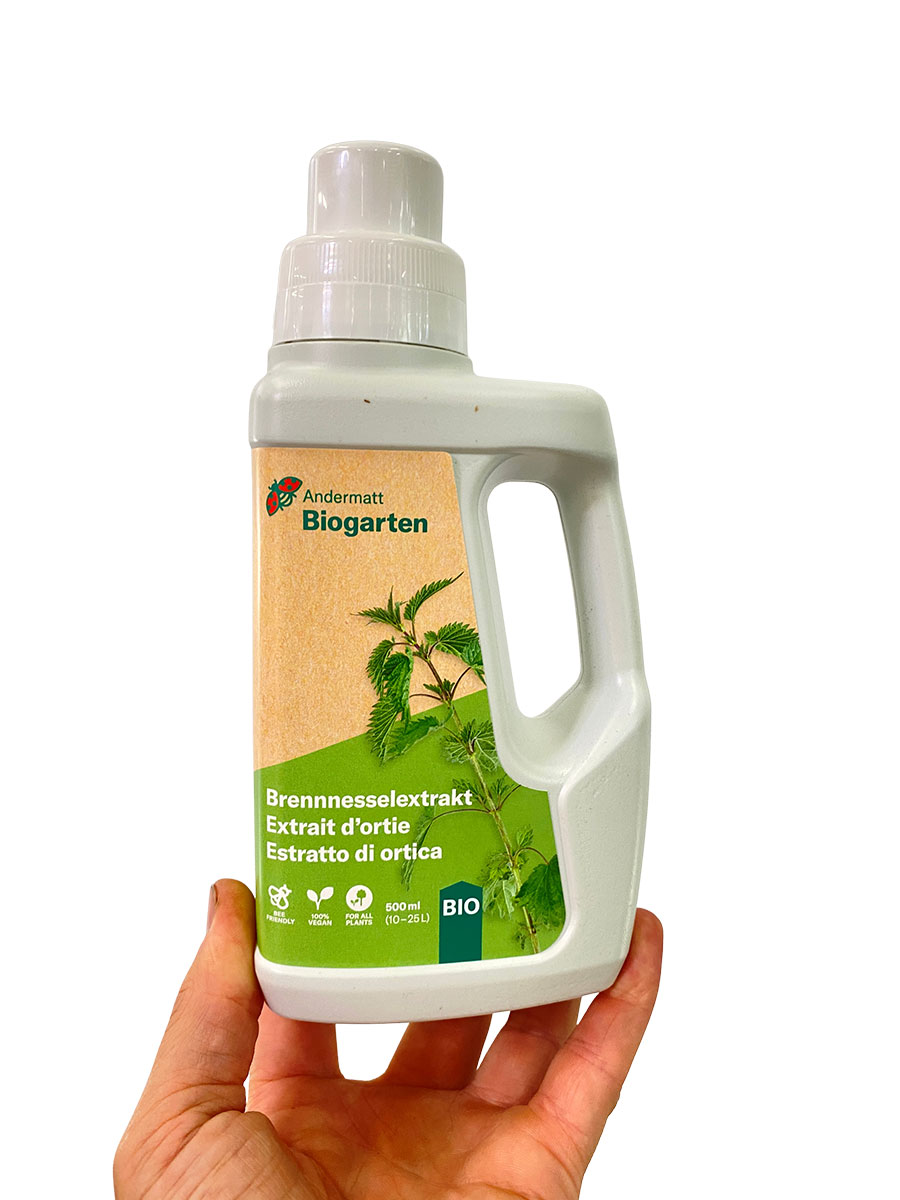
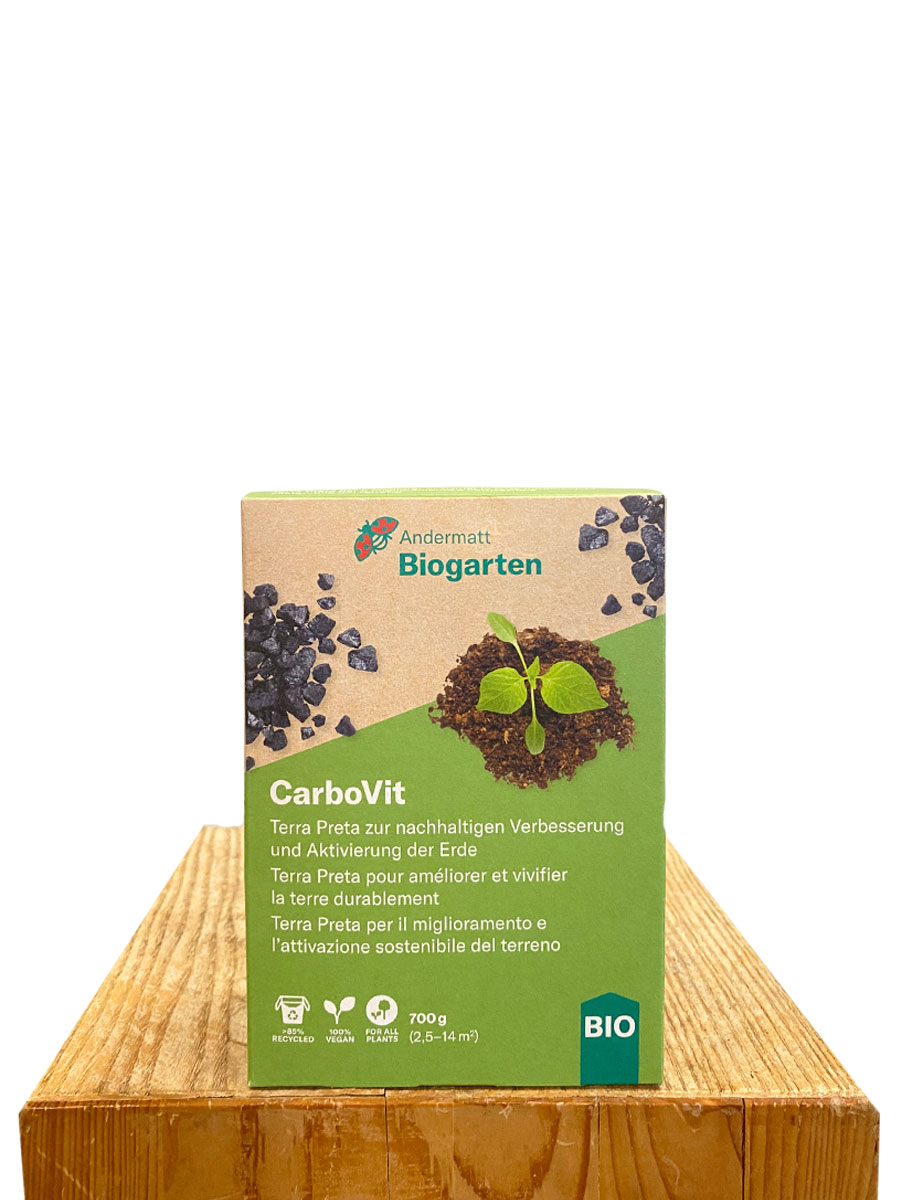
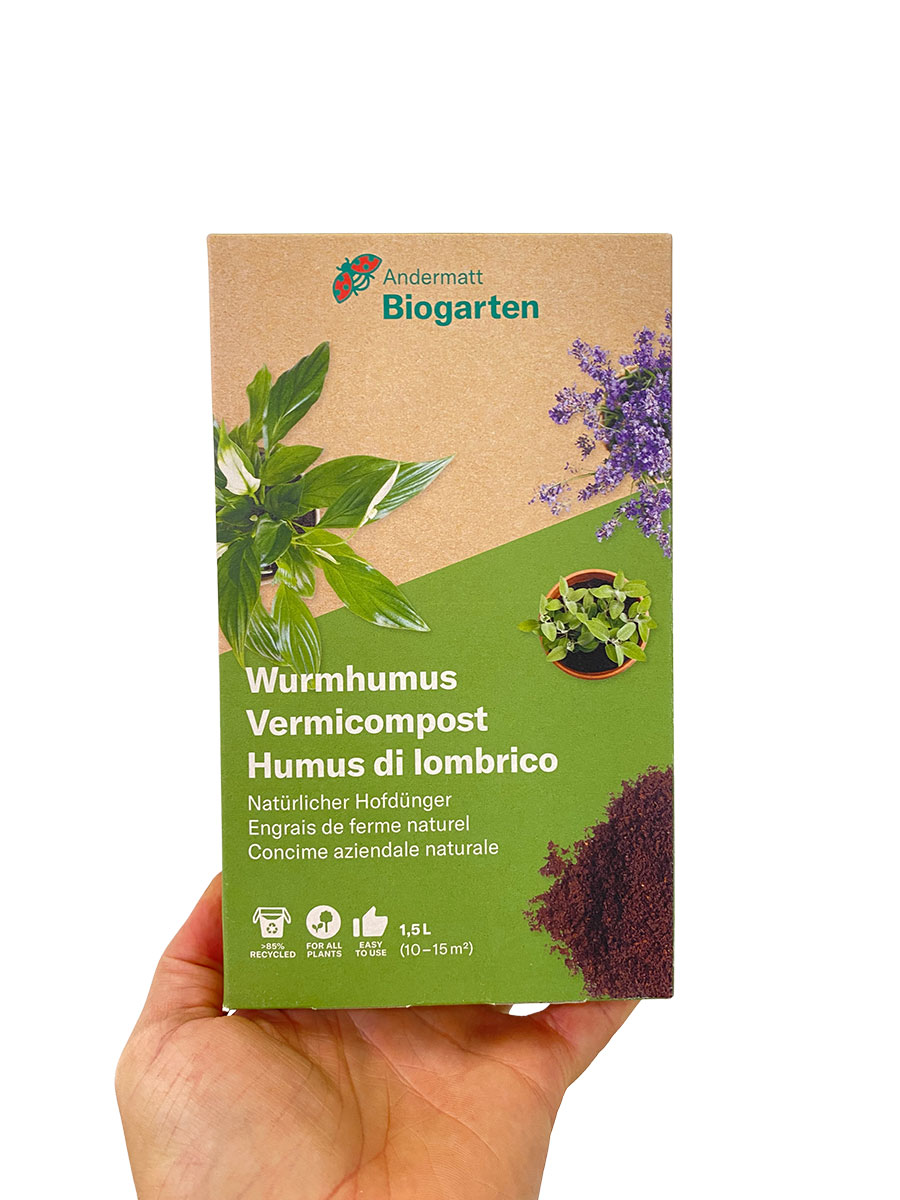
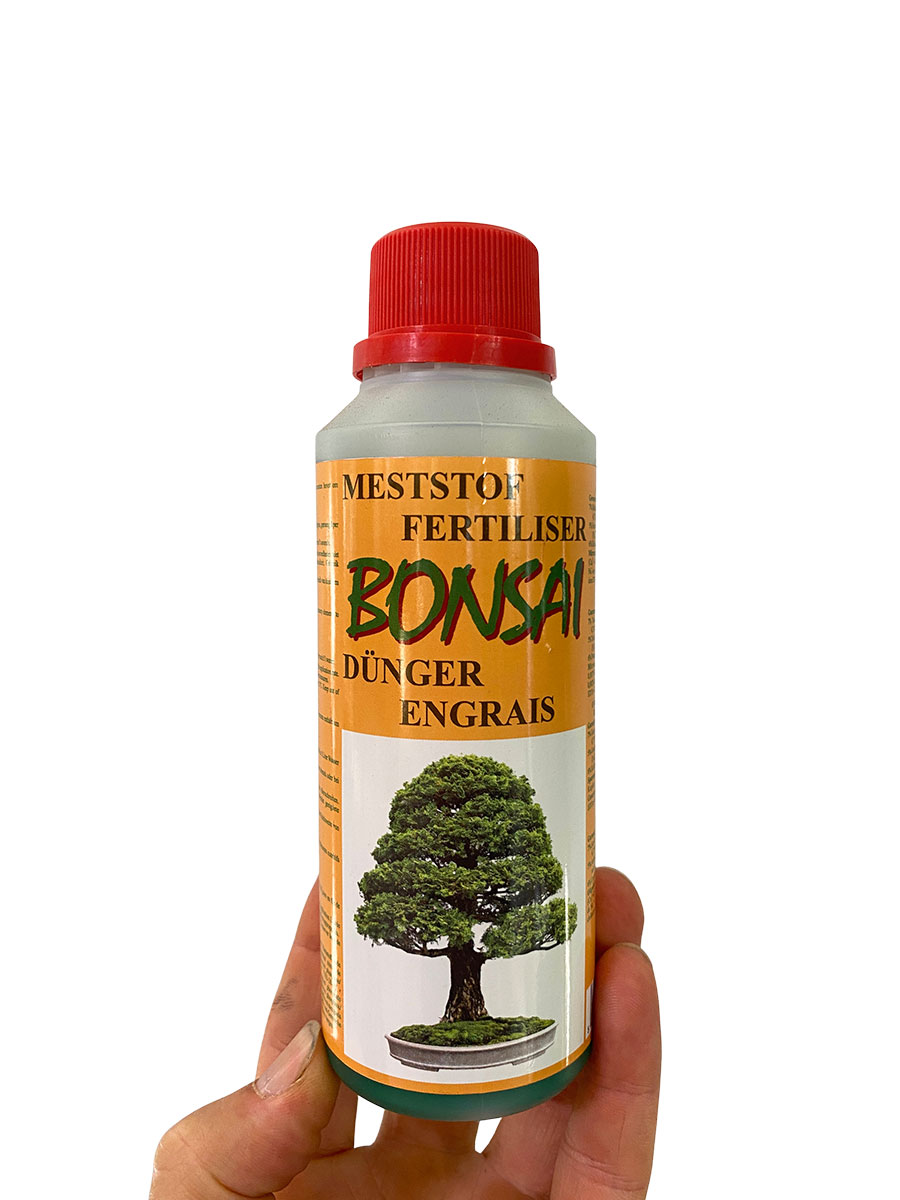
Useful care products:






History of the Zelkova bonsai
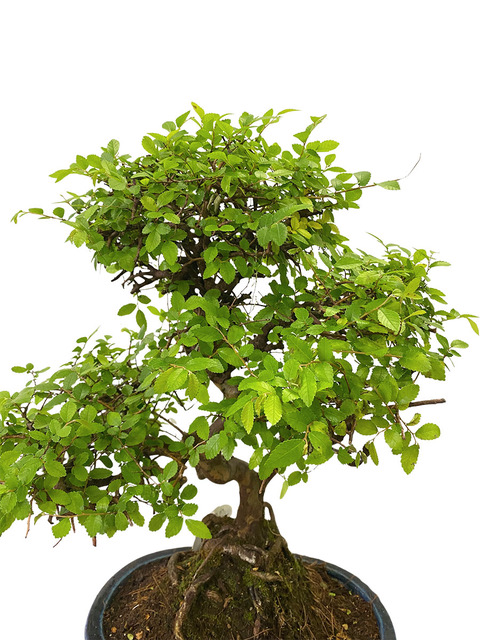
The Japanese zelkova (Zelkova serrata) is relatively robust and well suited to bonsai beginners. It is easier to care for than many tropical bonsai, as it can be kept outdoors in summer and tolerates pruning very well. The Japanese zelkova (Zelkova serrata) is a close relative of the elm. In Asia it has been cultivated and prized as a bonsai for centuries. The fine, serrated leaves, the elegant growth habit and the impressive autumn colour make it a popular choice for bonsai enthusiasts. This tree species is robust, adaptable and suitable both as an indoor bonsai and for sheltered keeping outdoors.
Care as a houseplant:
- Light: Bright position with indirect light; direct sun is tolerated.
- Temperature: 15–25 °C is ideal; cooler in winter (10–15 °C) to encourage the rest period.
- Humidity: Increased humidity promotes healthy leaves; occasional misting is recommended.
- Substrate: Free-draining bonsai substrate, e.g. akadama or a mix with pumice and bark.
- Watering: Keep evenly moist but avoid waterlogging. Water more often in summer.
- Feeding: Feed every 2 weeks during the growing season with organic bonsai fertiliser.
- Special features: Regular pruning encourages fine branching and an attractive bonsai shape.
Keeping as a seasonal plant outdoors:
- Location: From spring to autumn, the Zelkova bonsai prefers a partially shaded to sunny spot outdoors.
- Temperature: 10–25 °C is ideal. Avoid temperatures below 5 °C or provide protection.
- Overwintering: Can be overwintered in a cool environment (e.g. a conservatory), but should not be exposed to frost for long periods.
Winter dormancy:
The Zelkova bonsai needs a cool winter rest to stay healthy and put out vigorous new growth in spring. The ideal temperature for this rest period is between 5 and 12 °C. A bright, sheltered spot such as an unheated conservatory, a cold stairwell or a frost-free garage is ideal. Water less during this time, but do not let the substrate dry out completely. Do not feed again until spring, when growth resumes.
Login