


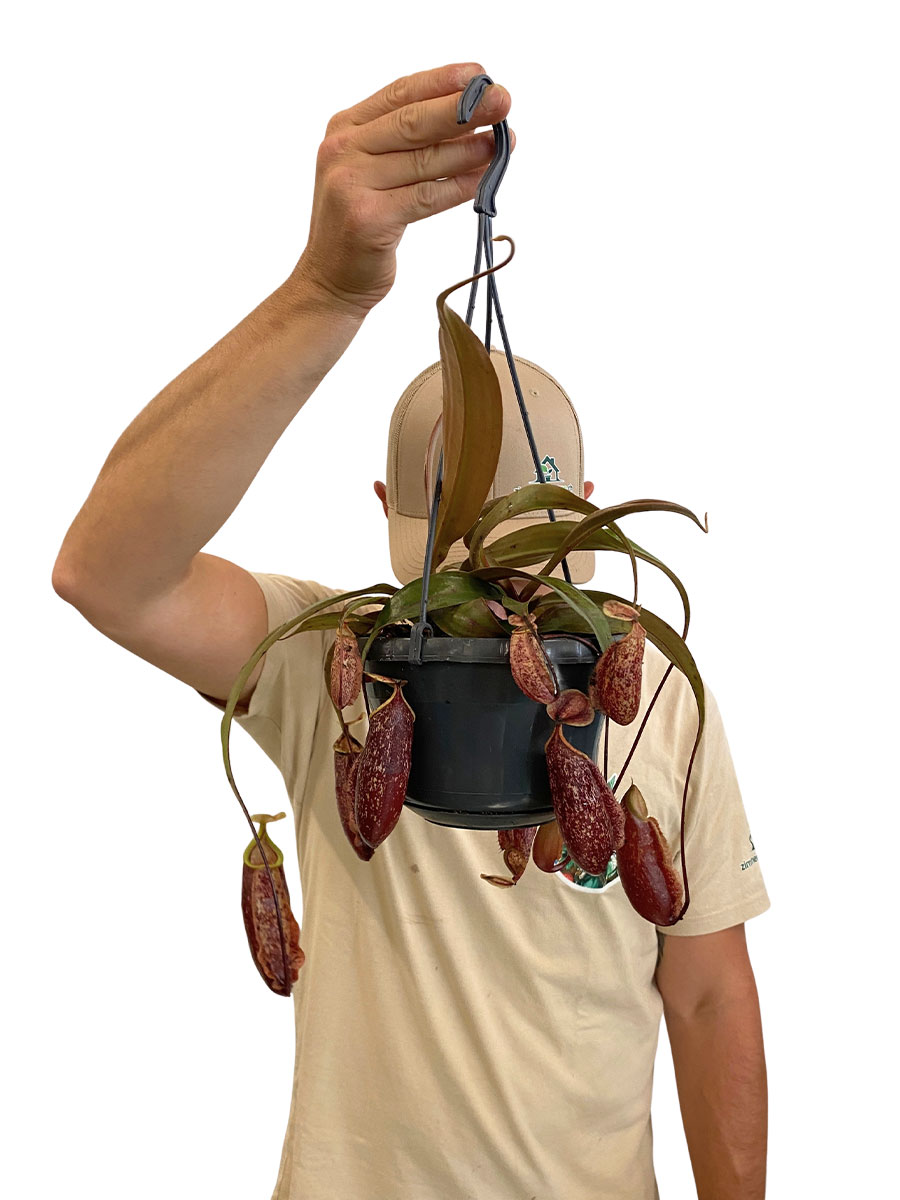
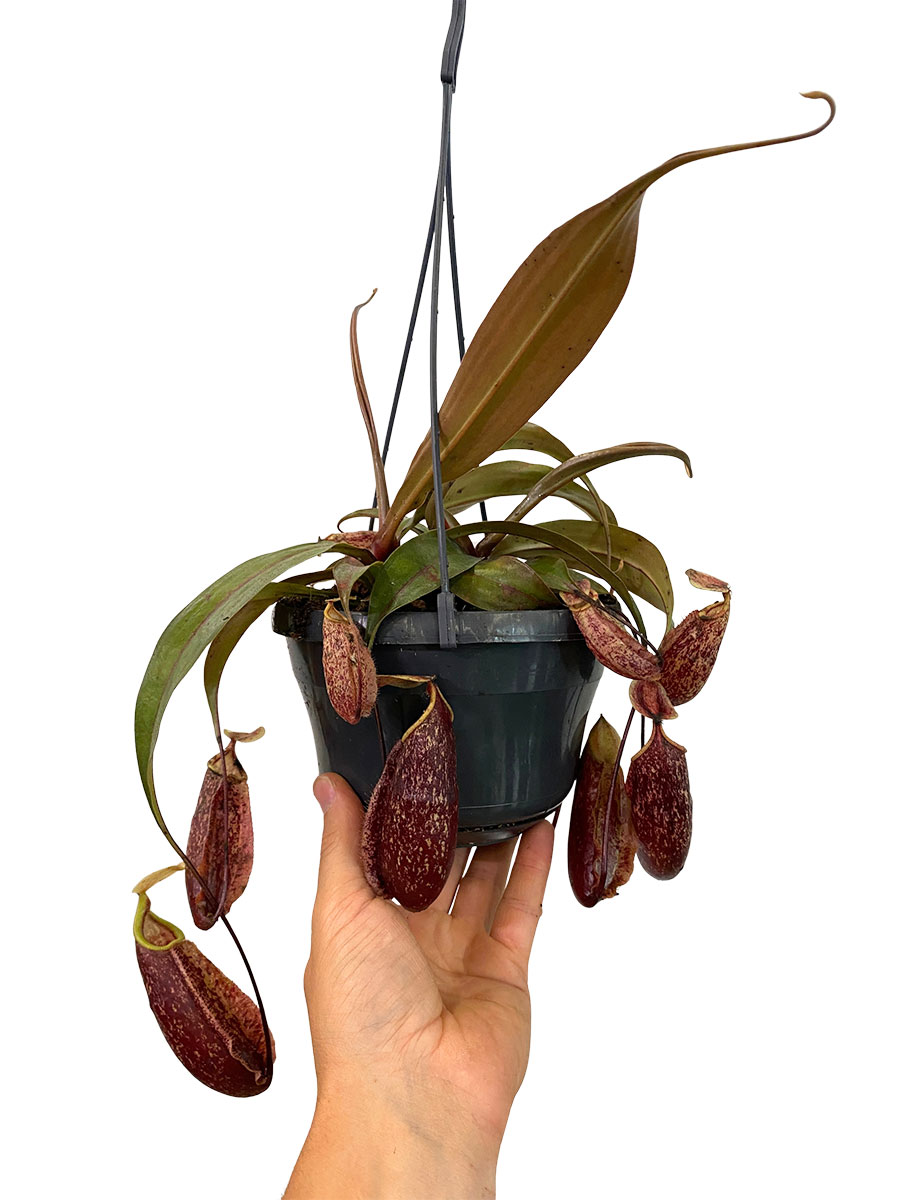
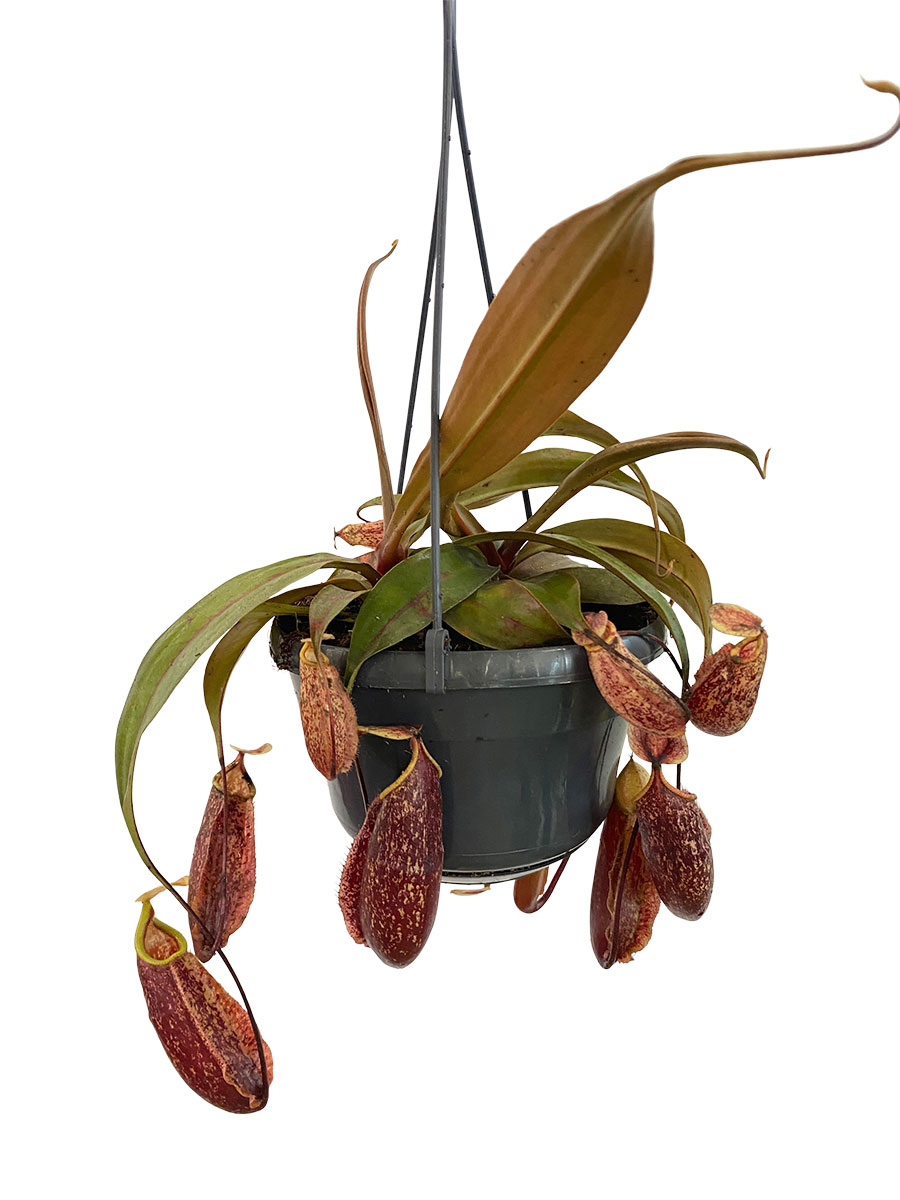
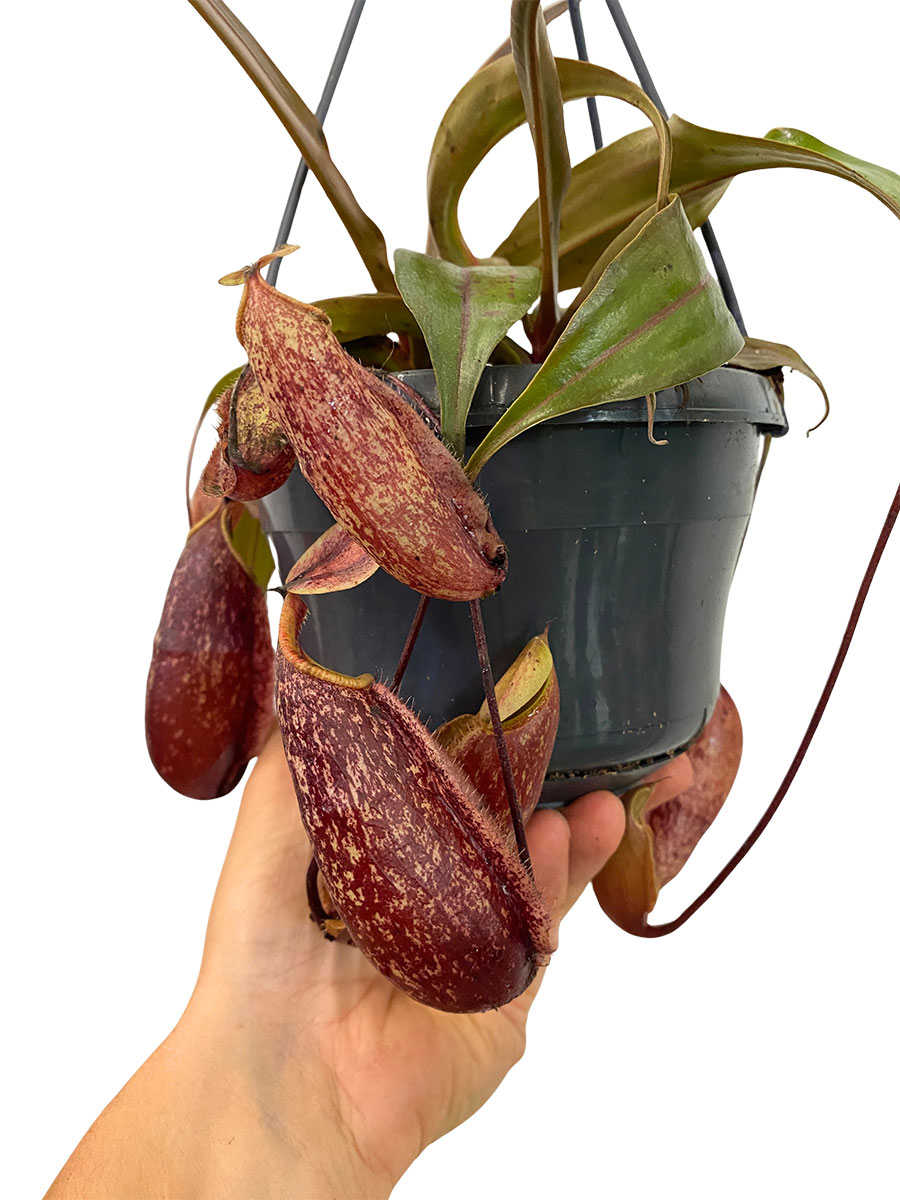
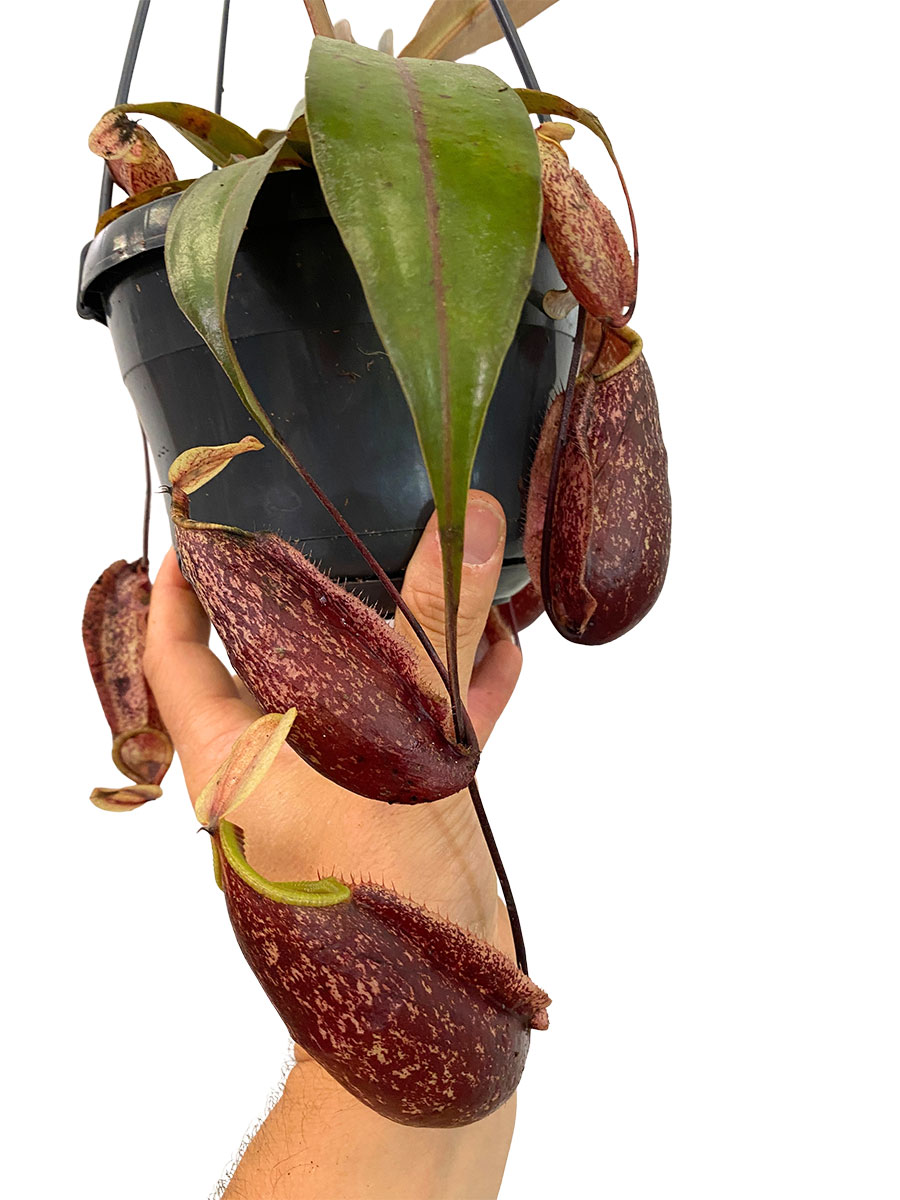
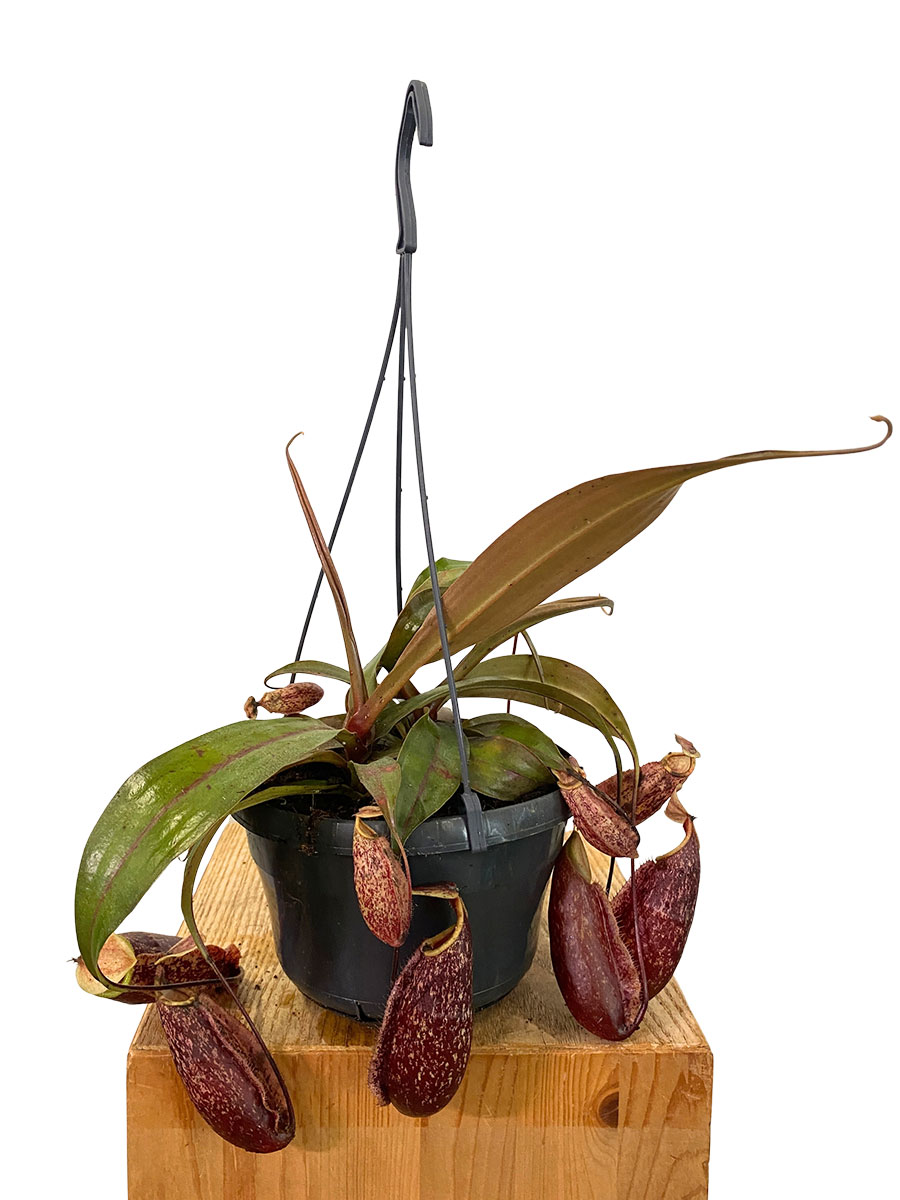


Hanging Pot - Pitcher Plant Nepenthes St.Gaya
CHF 49.90*
Item no. 4356
Prices incl. VAT plus shipping costs
Sold out
Notify me when this plant is back
Enter your email address. We will write to you once as soon as the item is available again.
You will first receive an email to confirm. We only use your address for this notification, see our privacy policy.
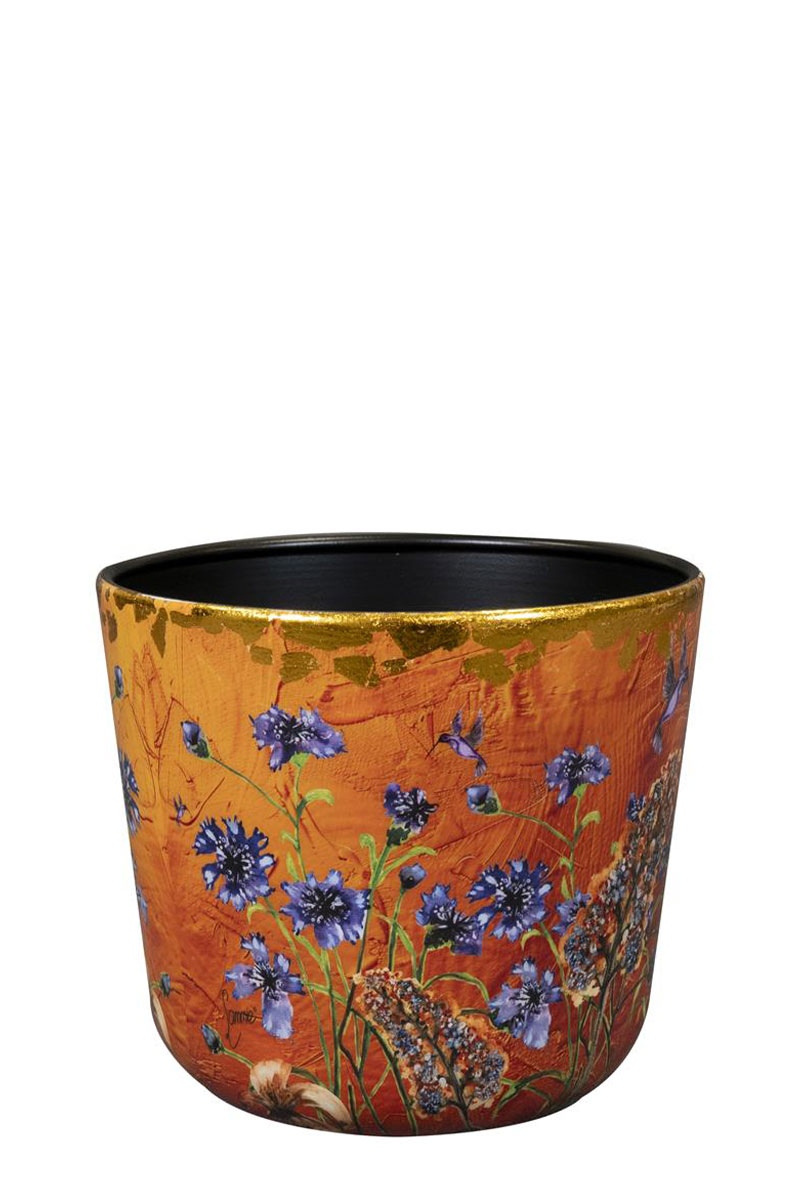
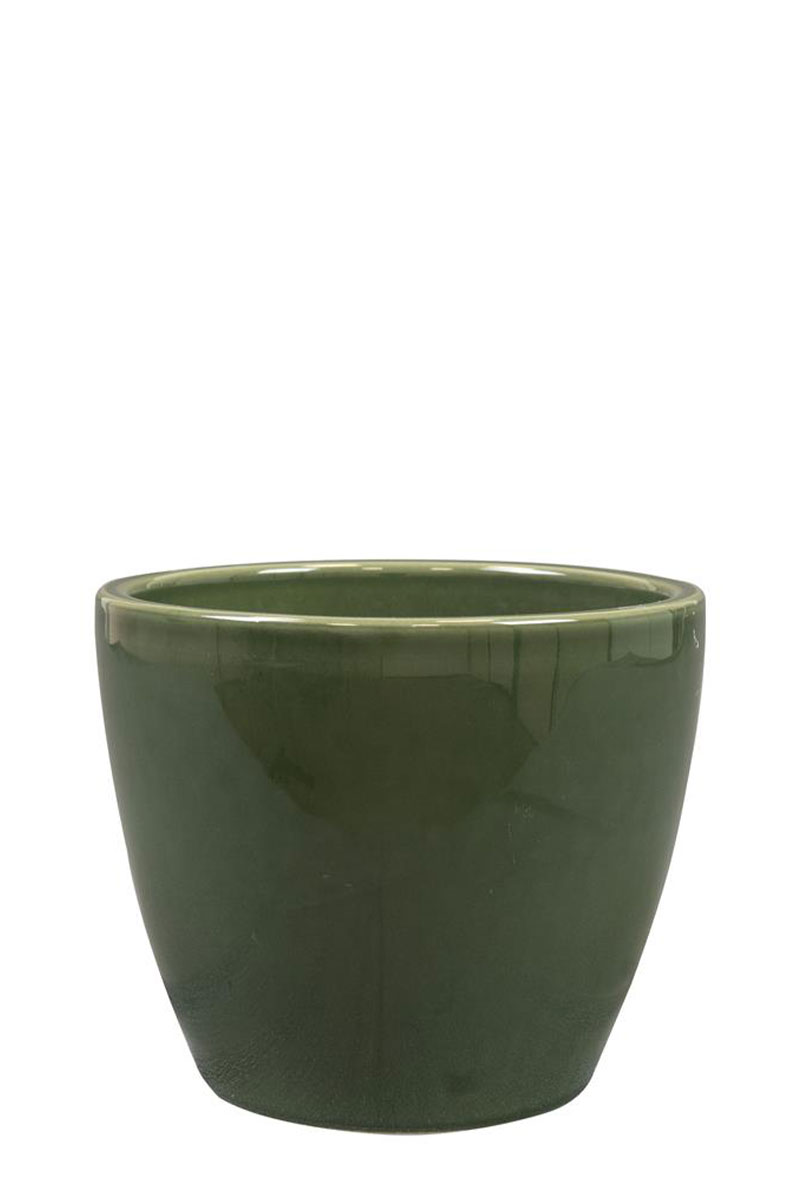
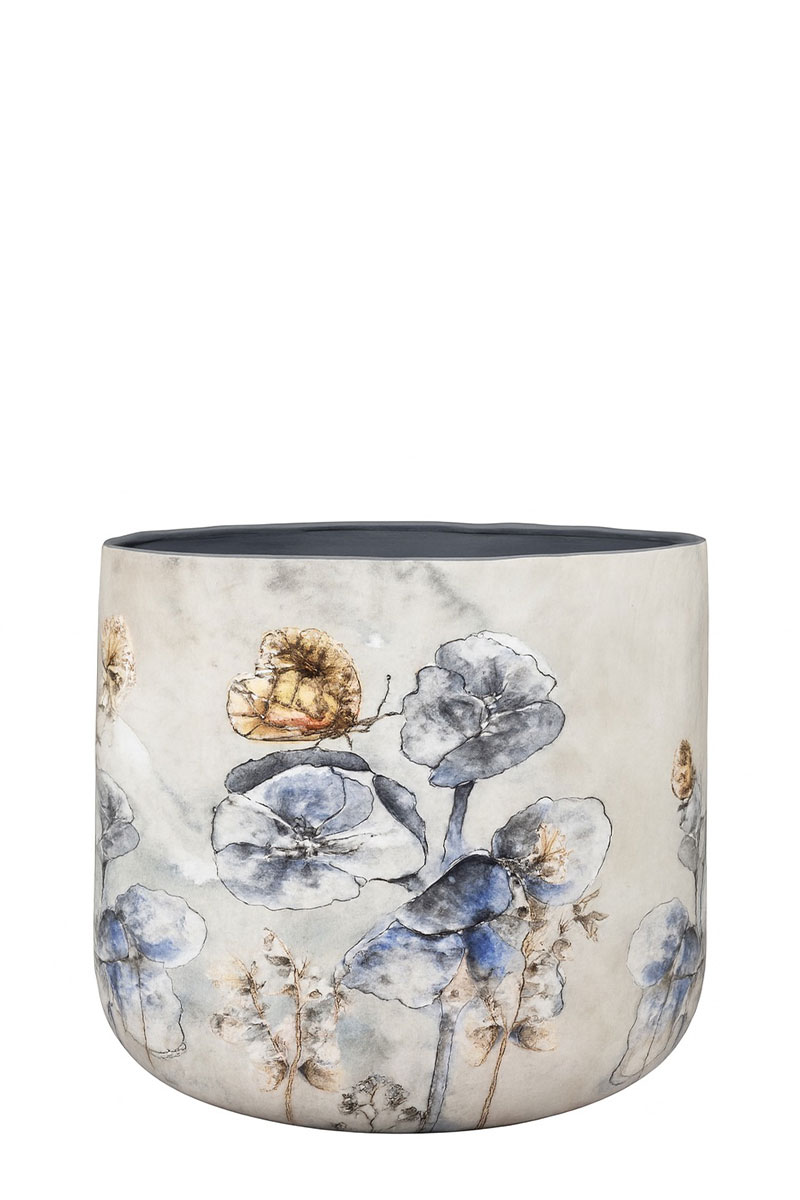
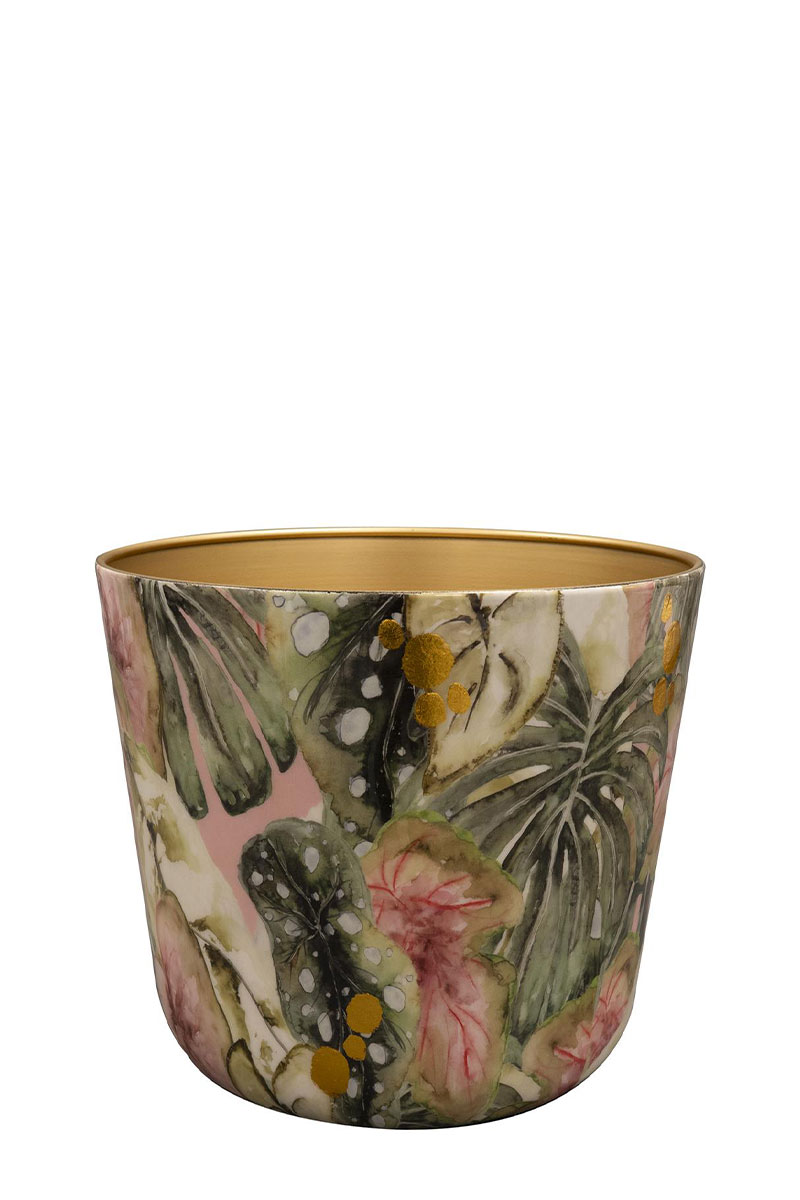
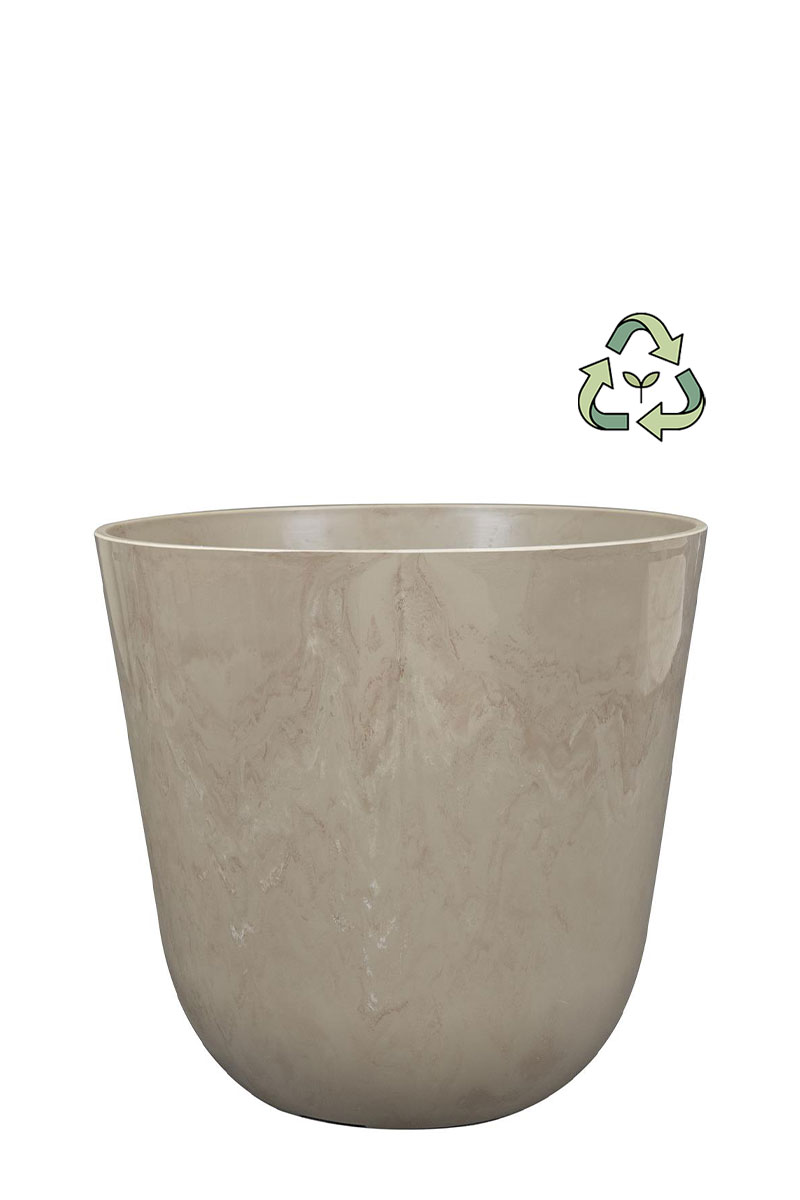
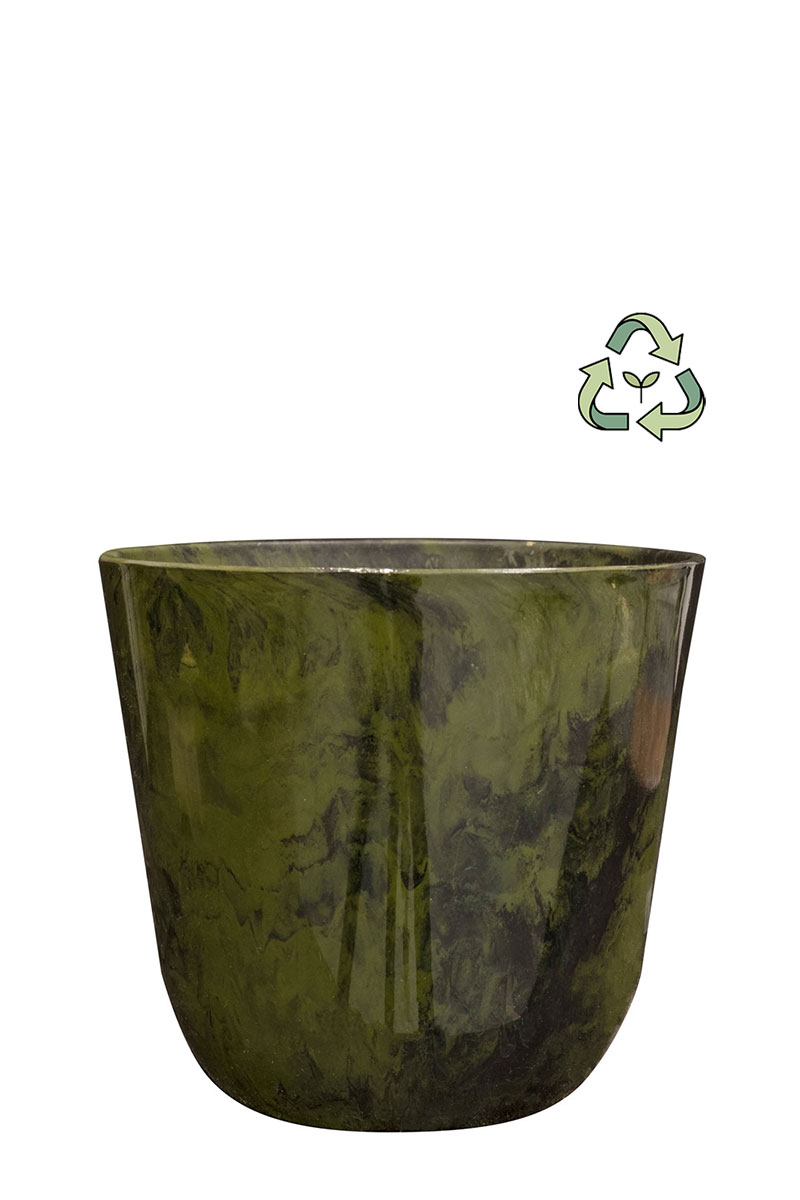
Choose a decorative pot cover compatible with your planting kit Ø20cm:


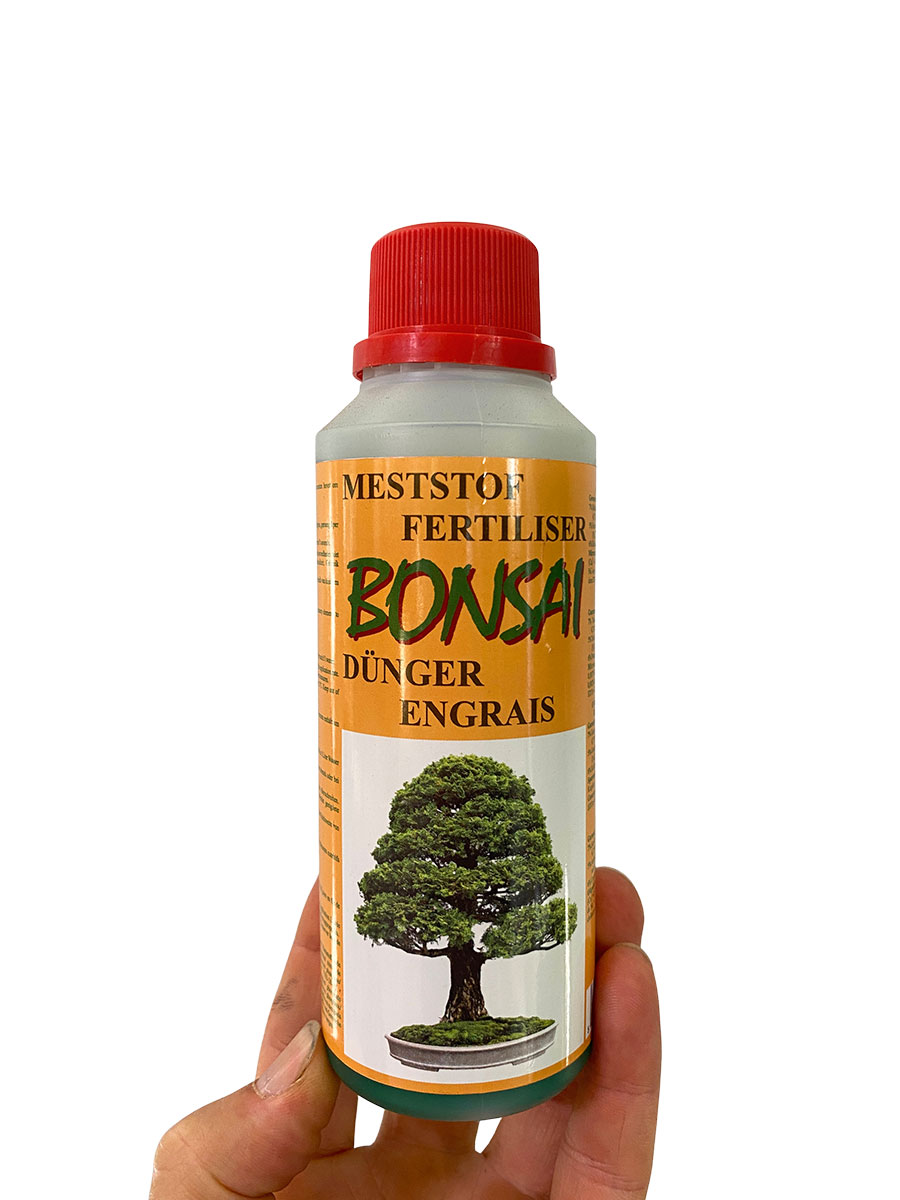
Useful care products:






History of the pitcher plant St.Gaya (Nepenthes)
Nepenthes St. Gaya is a fascinating carnivorous pitcher plant with a decorative trailing habit and striking pitchers. Nepenthes species mainly come from the tropical regions of Southeast Asia, where they are adapted to warm, humid habitats. Their characteristic pitchers form at the leaf tips and serve as ingenious traps with which the plant catches and digests insects. Thanks to its trailing stems, Nepenthes St. Gaya looks particularly beautiful in hanging baskets, on shelves and in raised positions. Given enough light and high humidity, it can regularly develop new pitchers and becomes an extraordinary eye-catcher for lovers of carnivorous plants.
Care as a houseplant:
- Light: Bright to very bright, but without intense midday sun. An east- or west-facing window is ideal. Sufficient light encourages strong pitcher formation.
- Temperature: Around 20–30 °C is optimal. Tropically warm conditions are preferred. Avoid temperatures below 15 °C where possible.
- Humidity: High, ideally at least 60–70 %. Regular misting and a humidifier can support the development of new pitchers.
- Substrate: Use a very airy, nutrient-poor carnivorous plant substrate, for example with sphagnum moss and perlite. Normal potting soil is not suitable.
- Watering: Use only rainwater or other suitable low-lime water. Keep the substrate evenly slightly moist, but avoid waterlogging.
- Feeding: Normal feeding is not necessary. The plant obtains additional nutrients from the insects it catches. If needed, a special carnivorous plant fertiliser can be used very sparingly.
- Special features: The trailing stems and decorative pitchers make Nepenthes St. Gaya particularly attractive for hanging baskets and raised positions. The plant does not need to be actively fed with insects, as it catches its own prey.
Care as a terrarium plant:
- Light: Very bright to brightly lit. Supplement with a suitable plant LED if needed.
- Temperature: Around 22–28 °C is optimal. A slight drop in temperature at night is well tolerated.
- Humidity: High, ideally around 70 % or more. Regular misting can encourage pitcher formation.
- Substrate: Use an airy, free-draining carnivorous plant substrate with sphagnum moss.
- Water: Use rainwater or suitable low-lime water. Keep the substrate moist, but not permanently wet.
- Winter dormancy: No classic winter dormancy is needed. With less light, growth may slow down during the winter.
Summer care (keeping outdoors)
In summer, Nepenthes St. Gaya can be placed outdoors in a sheltered spot when temperatures are warm:
- Location: Partial shade to bright, protected from intense midday sun.
- Water: Always water with low-lime water and never let it dry out completely.
- Humidity: The natural humidity outdoors can support the formation of new pitchers.
- Feeding behaviour: Outdoors, the plant catches insects on its own. Additional feeding is not necessary.
- Bringing it back indoors: Bring back indoors before temperatures drop below 15 °C.
Winter care:
In winter, Nepenthes St. Gaya still needs warmth, sufficient light and the highest possible humidity:
- Temperature: Keep at a minimum of 18 °C if possible and protected from cold draughts.
- Humidity: Aim for around 60–80 %. If the heating makes the air dry, a humidifier can be helpful.
- Water: Water less than in summer, but never let the substrate dry out completely.
- Light: Keep as bright as possible and supplement with a grow light if needed.
- Pitchers: Fewer pitchers forming during the darker months is normal. With increasing light and better growing conditions in spring, the formation of new pitchers can increase significantly again.
Login