



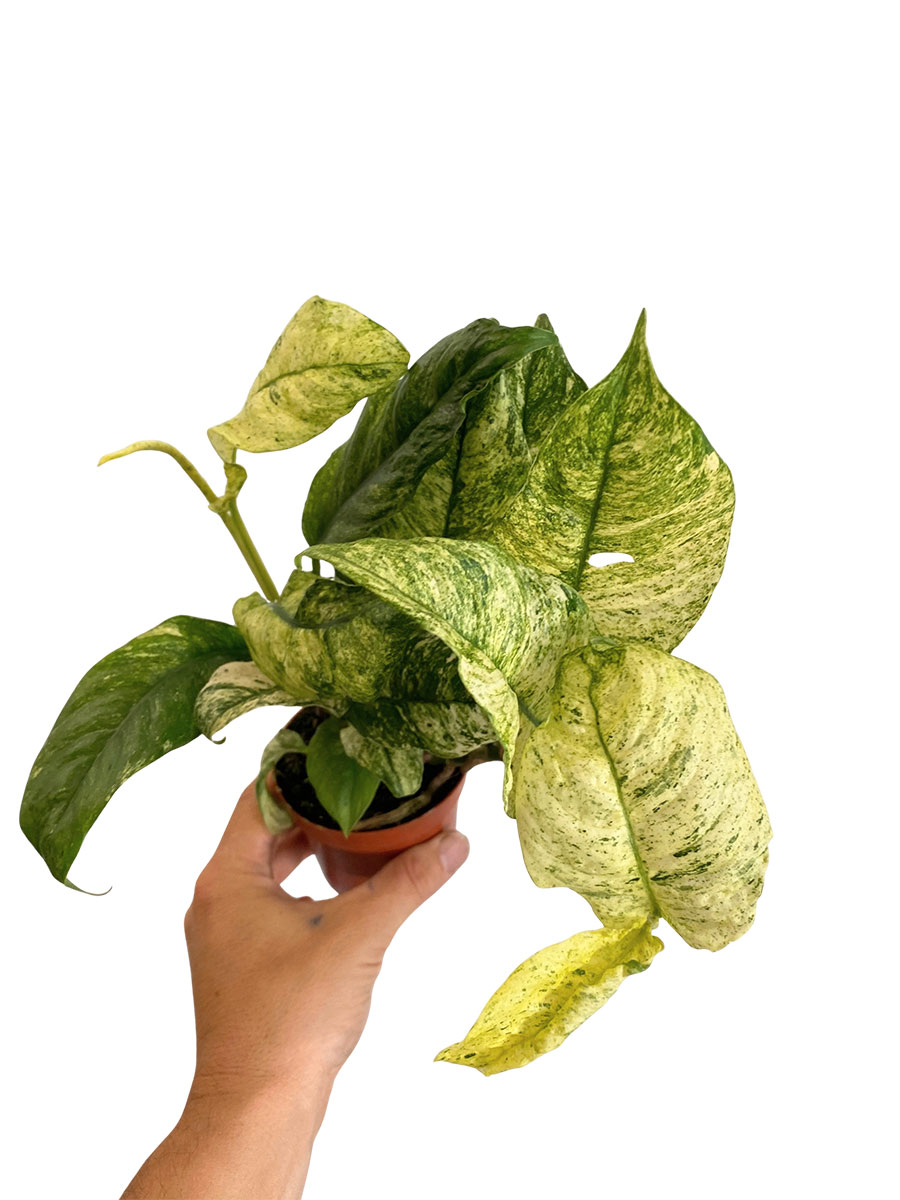
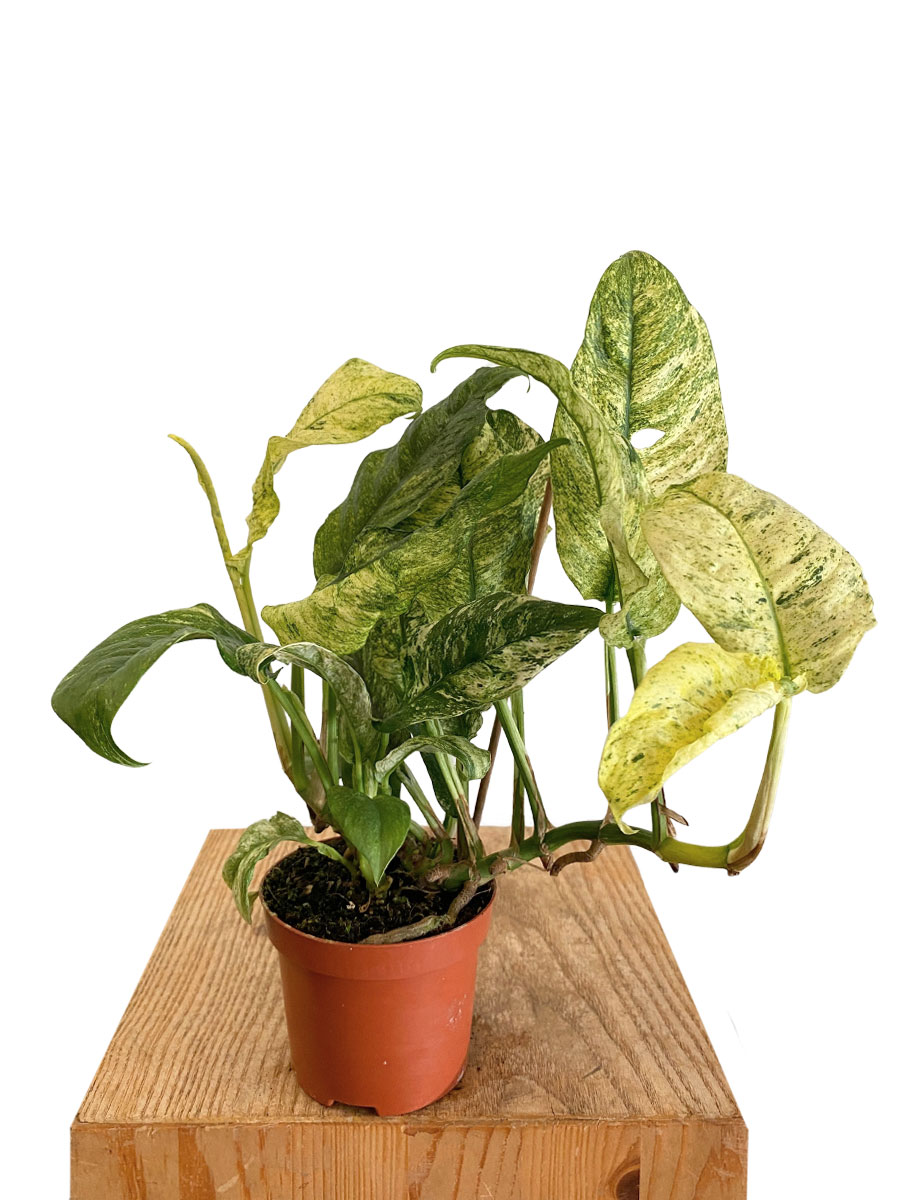


Rhaphidophora Puberula Variegata
CHF 39.90*
Item no. 4372
Prices incl. VAT plus shipping costs
Delivery time 2 - 7 working days
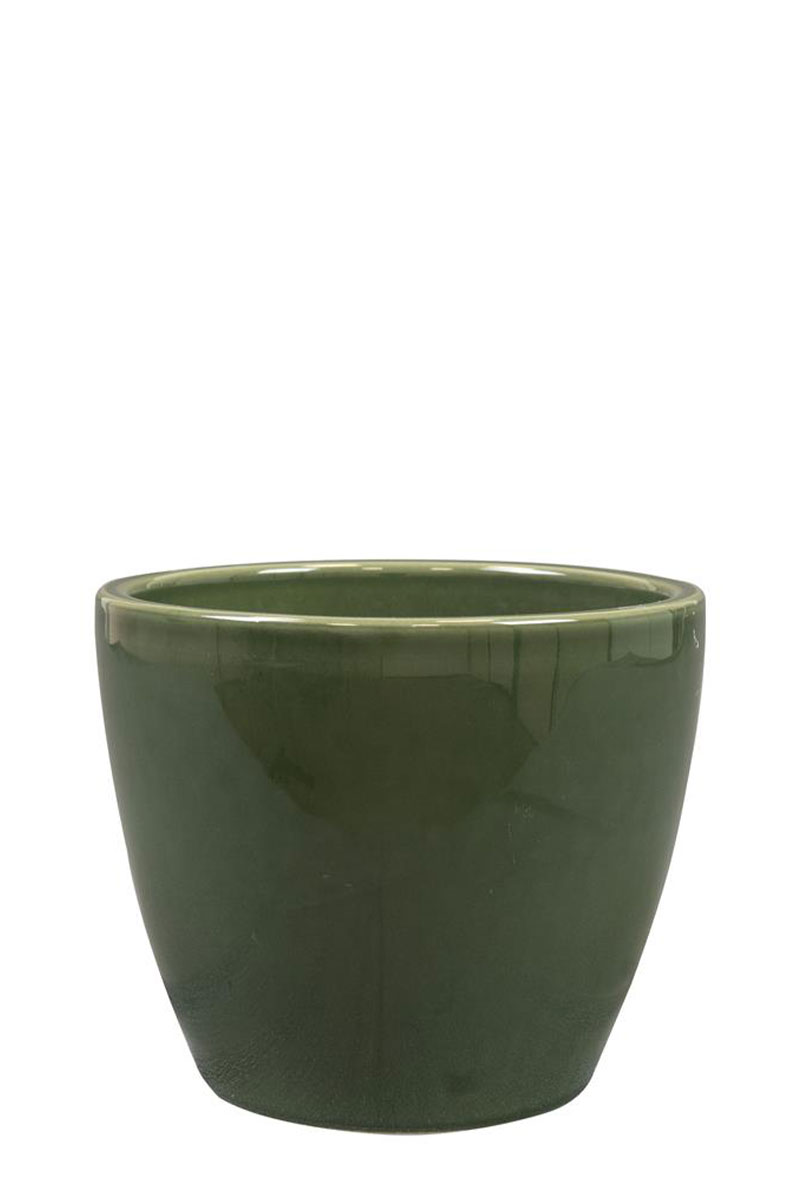
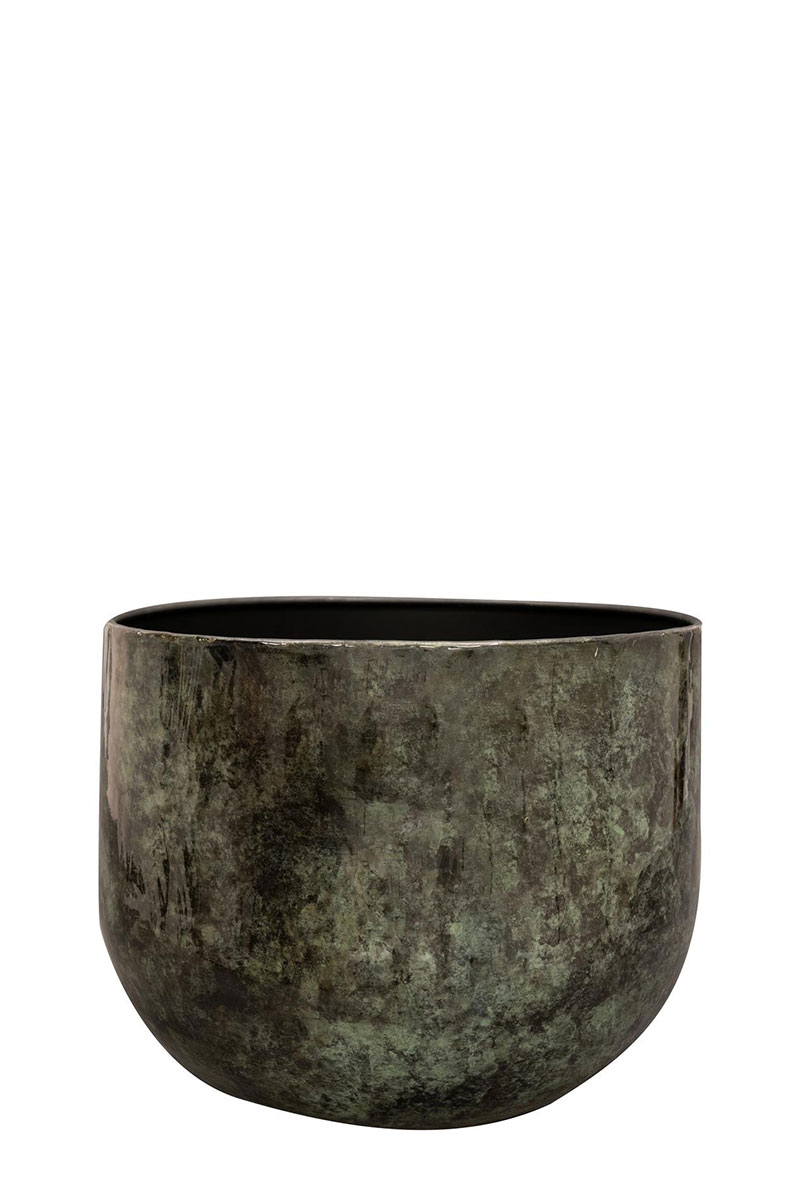
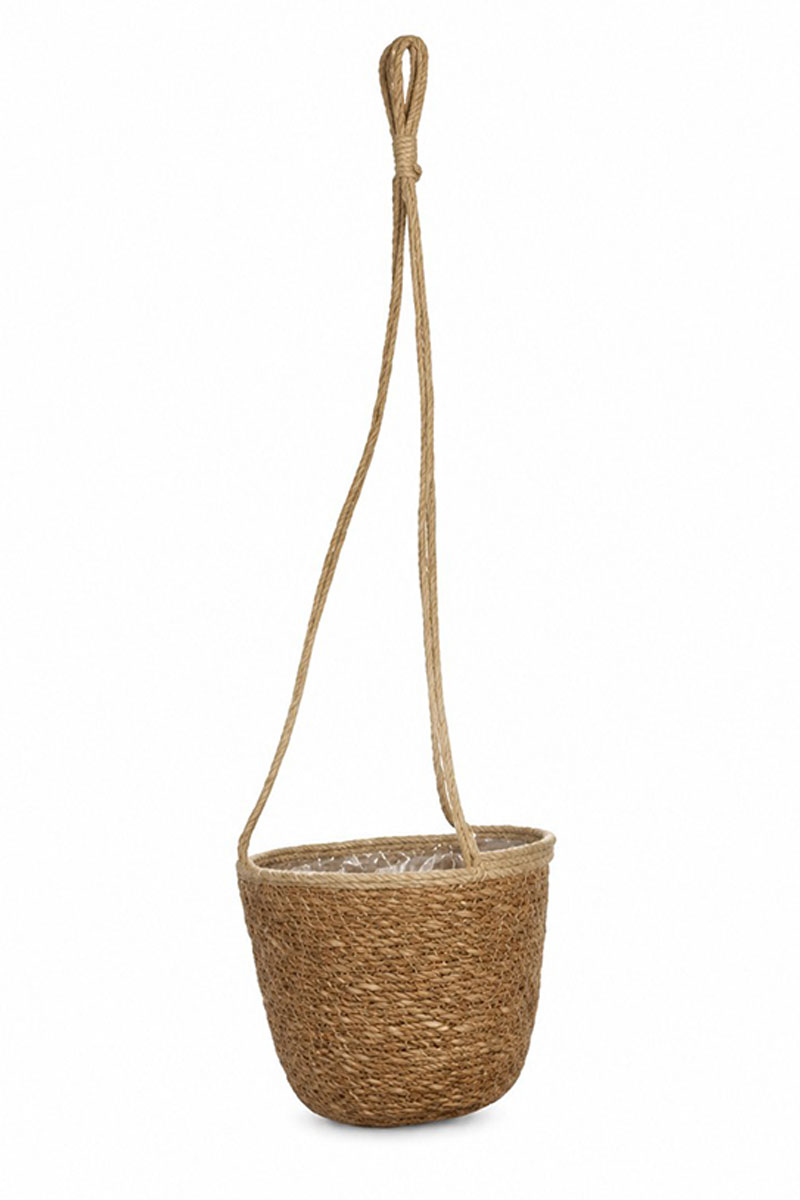
Choose a decorative pot cover compatible with your planting kit Ø18cm:


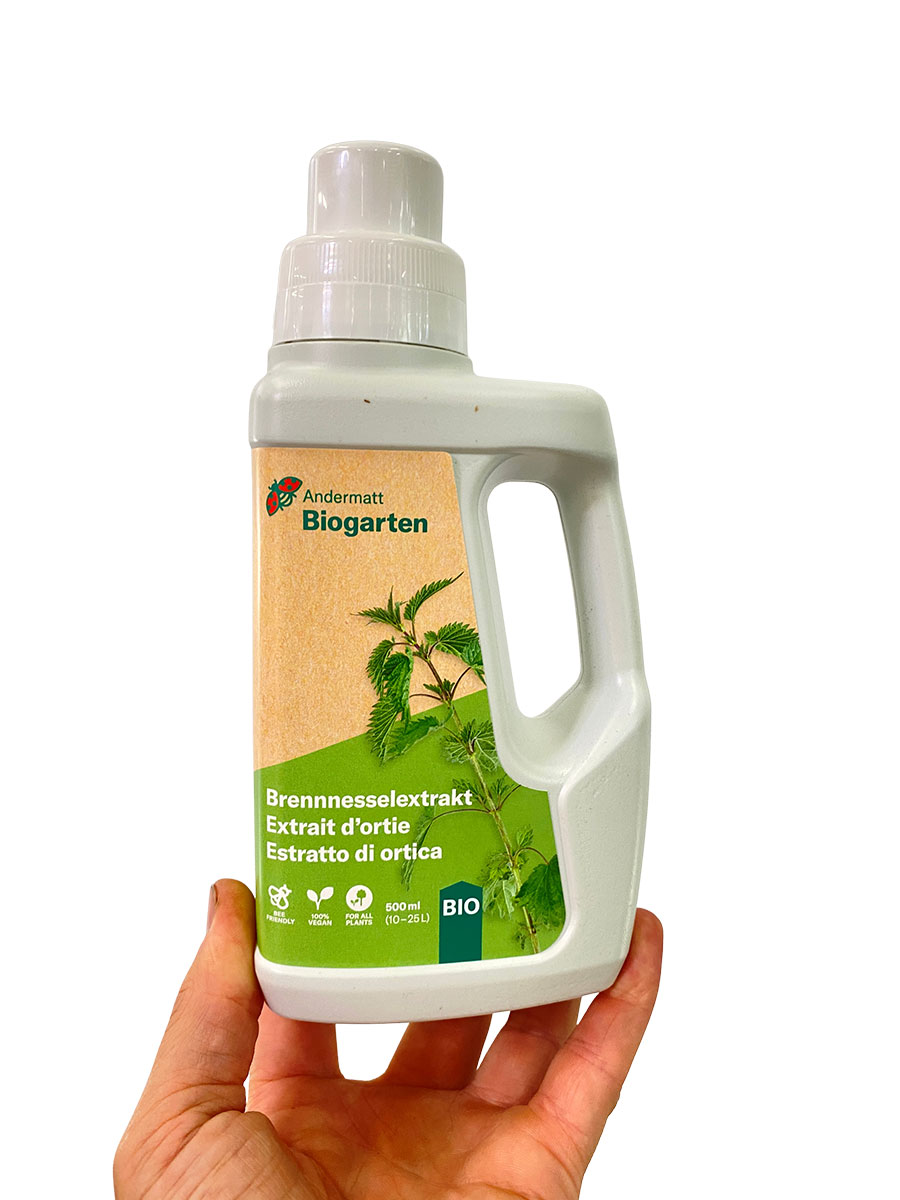
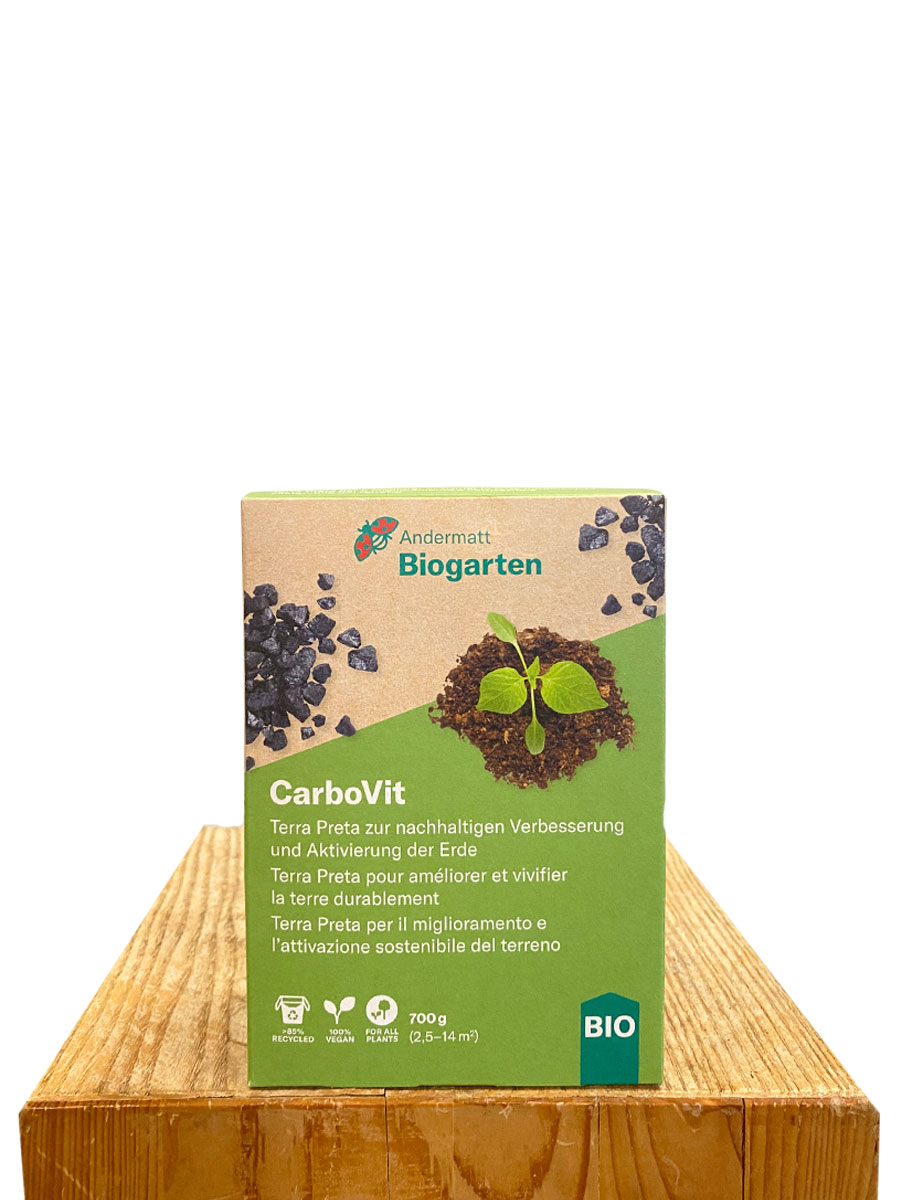
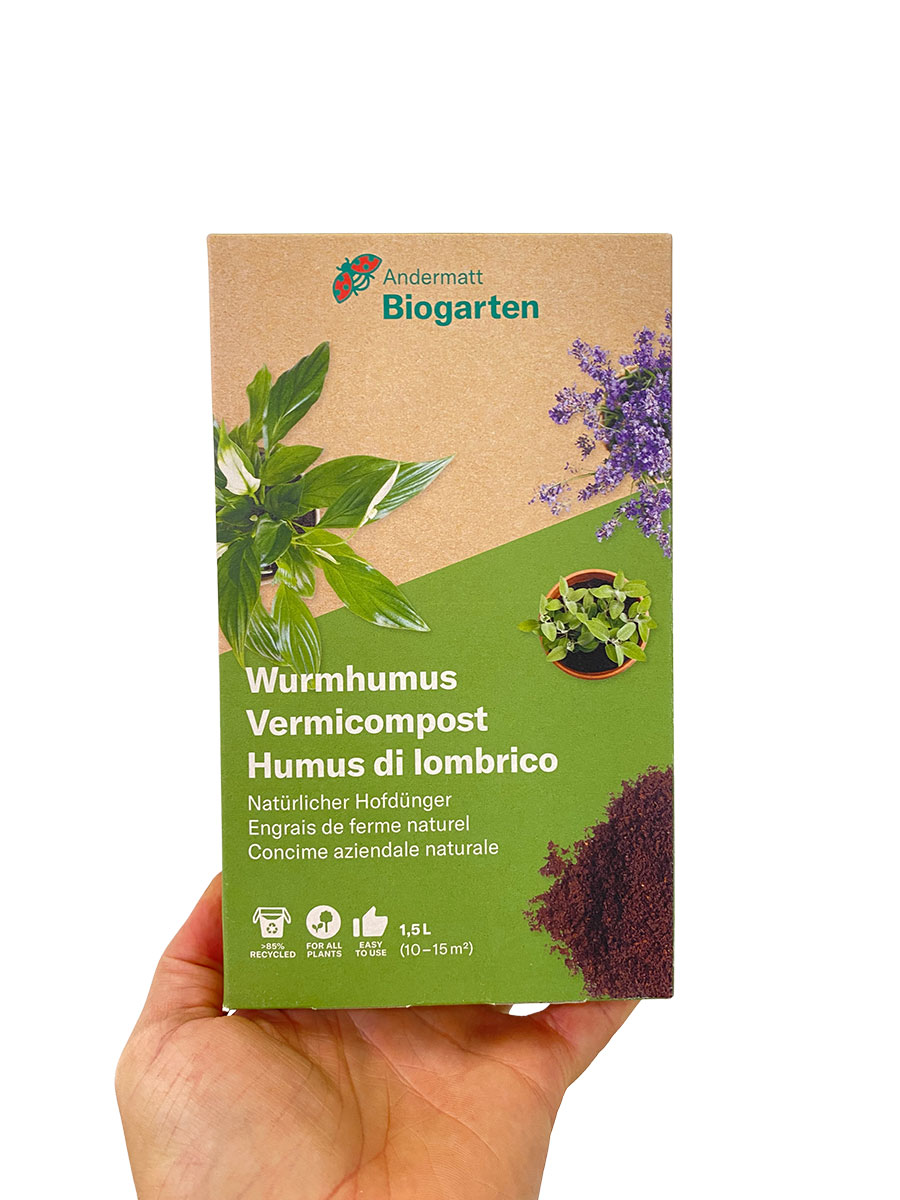
Care products for this plant:






Plant furniture | Protection & decorative items:

Delivery time 2 - 4 working days

Delivery time 2 - 4 working days

Delivery time 2 - 4 working days

Delivery time 2 - 4 working days

Delivery time 2 - 4 working days

Delivery time 2 - 4 working days

Delivery time 2 - 4 working days

Delivery time 2 - 4 working days

Delivery time 2 - 4 working days

Delivery time 2 - 4 working days

Delivery time 2 - 4 working days
History of Rhaphidophora puberula Variegata
Rhaphidophora puberula Variegata is a rare and particularly decorative climbing plant from the arum family (Araceae). The green parent species Rhaphidophora puberula comes from the warm, humid tropics of Southeast Asia, where it climbs trees and rocks. The variegated cultivated form delights with irregular cream-white, light green to yellowish markings on dark green leaves. The patterning can range from fine marbling to larger pale areas, with each new leaf turning out differently. Young parts of the plant can also show fine, velvety hairs. As it gets older, the plant develops a strong climbing shoot and, given a support, can produce larger, more mature leaves.
Care as a houseplant:
- Light: Bright to very bright with plenty of indirect light. Good light is particularly important so that the variegated areas remain well defined. Intense midday sun should be avoided, as the pale leaf areas are more susceptible to sunburn.
- Temperature: Around 18–28 °C is ideal. Avoid temperatures below 15 °C wherever possible. Cold draughts and sharp temperature fluctuations can lead to growth problems.
- Humidity: Increased humidity of around 60–80 % is preferred. In dry indoor air, young leaves in particular can react sensitively.
- Substrate: A very loose, airy and free-draining aroid substrate made of orchid bark, perlite, coir fibre and a little high-quality potting soil is ideal. The roots need plenty of oxygen and should not stand permanently wet.
- Watering: Water as soon as the top few centimetres of substrate have dried out well. Then water thoroughly and let excess water drain away completely. Avoid waterlogging.
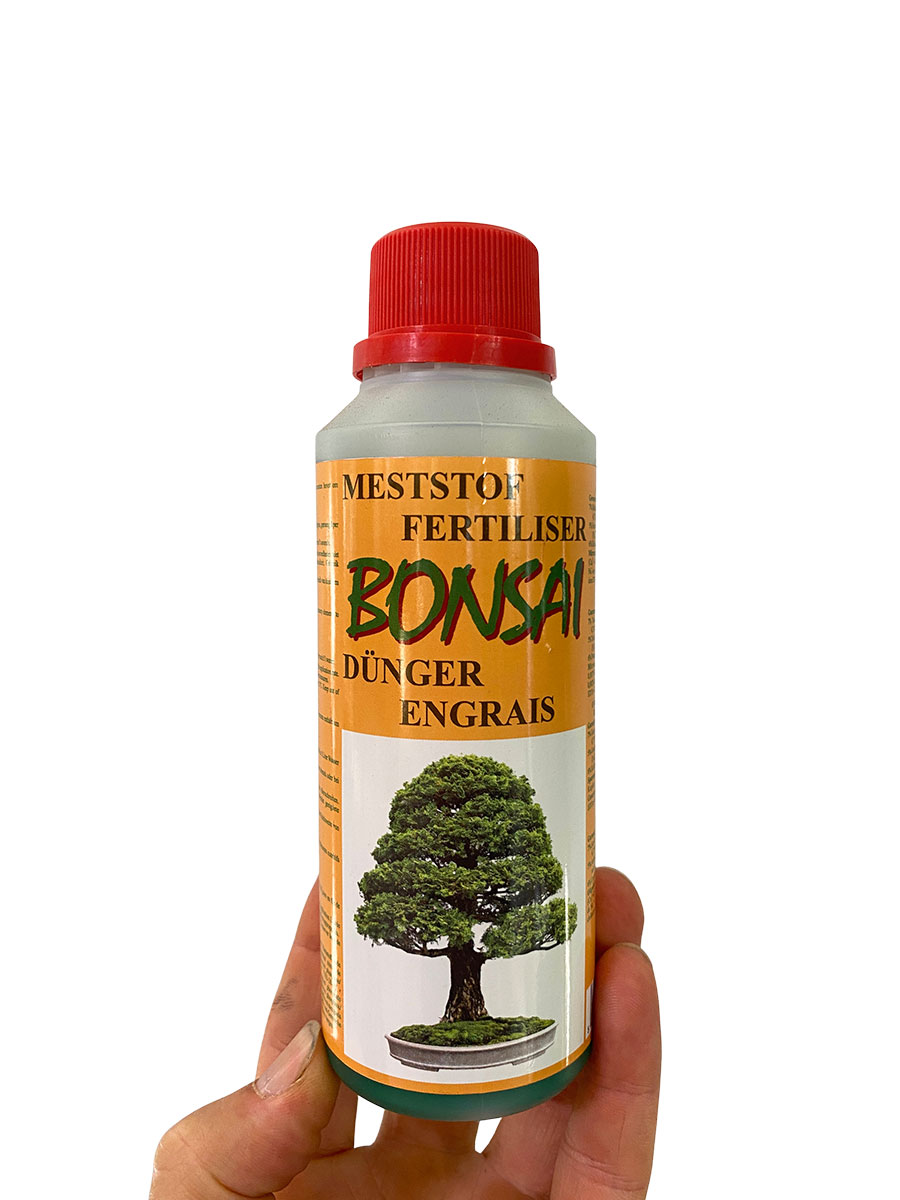
- Feeding: During the growing season from spring to autumn, feed regularly but at a low dose with a foliage plant or aroid fertiliser. If growth slows down considerably in winter, stop feeding or reduce it significantly.
- Special features: The variegation is not the same on every leaf and can range from fine marbling to larger cream-coloured areas. As the pale leaf areas contain less chlorophyll, sufficient light is particularly important.
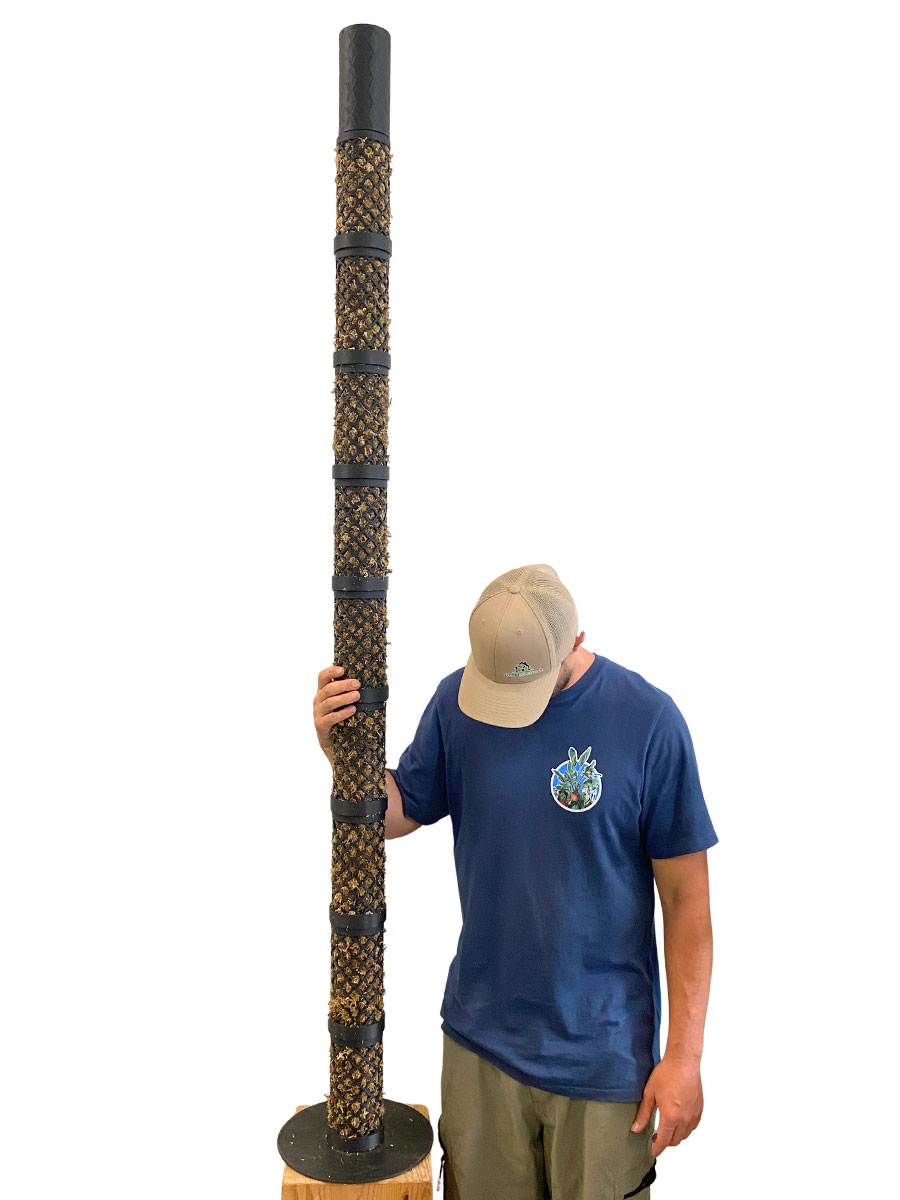
- Moss pole: A sturdy climbing support is highly recommended. A moss pole or another rough support allows the plant to cling on with its aerial roots and supports the development of larger, more mature leaves.
- Important for pet owners: Rhaphidophora puberula should not be nibbled on or eaten by pets. The plant contains calcium oxalate crystals, which can cause irritation of the mouth and digestive tract if ingested.
Overwintering tips:
Rhaphidophora puberula Variegata should also be kept as bright and warm as possible in winter. With less light, growth usually slows down considerably. Accordingly, water less and feed only sparingly or not at all. The substrate may dry out more between waterings, but should not dry out completely for long periods. Avoid temperatures below 15 °C and cold draughts.
Login