


Strelitzia Nicolai Super Size
CHF 799.90*
Item no. F3605
Prices incl. VAT plus shipping costs
Delivery time 2 - 7 working days
Pot colour:


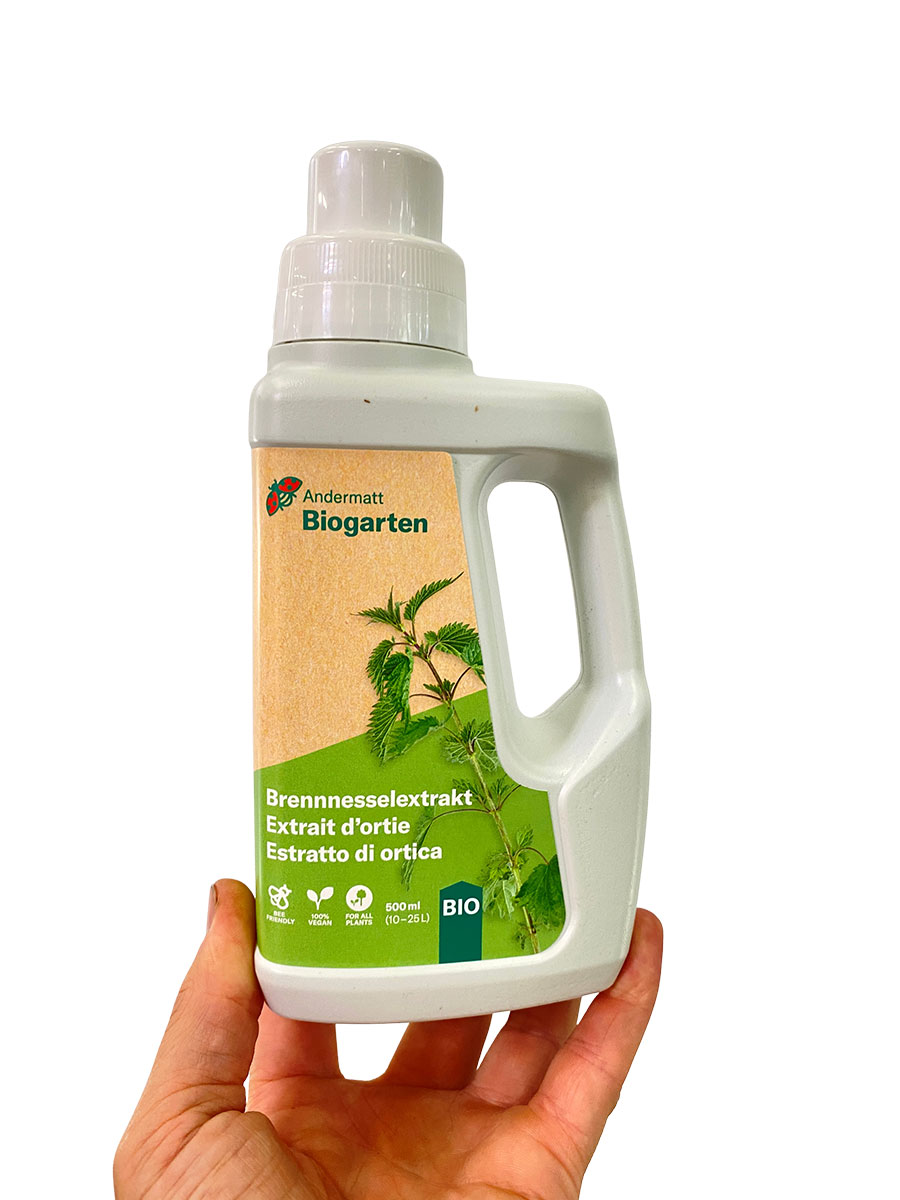
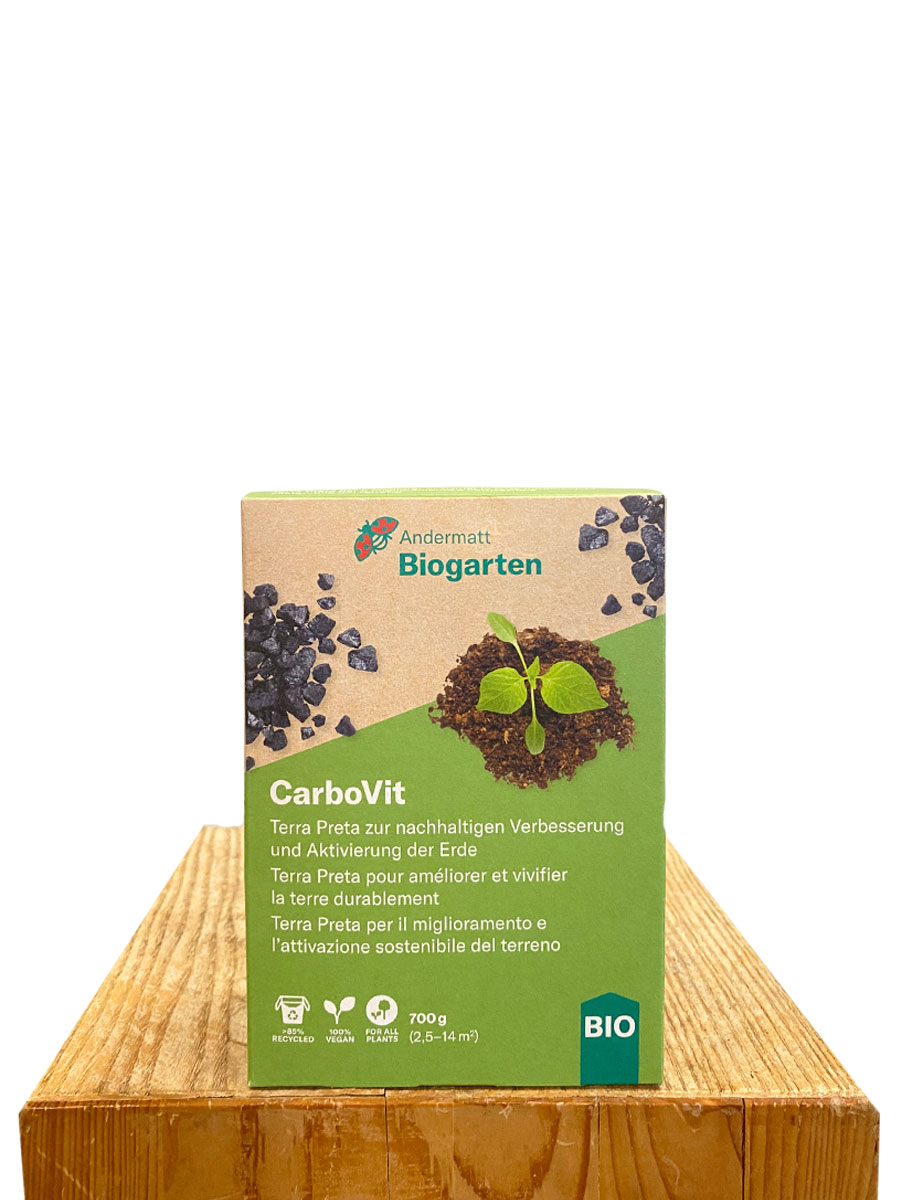
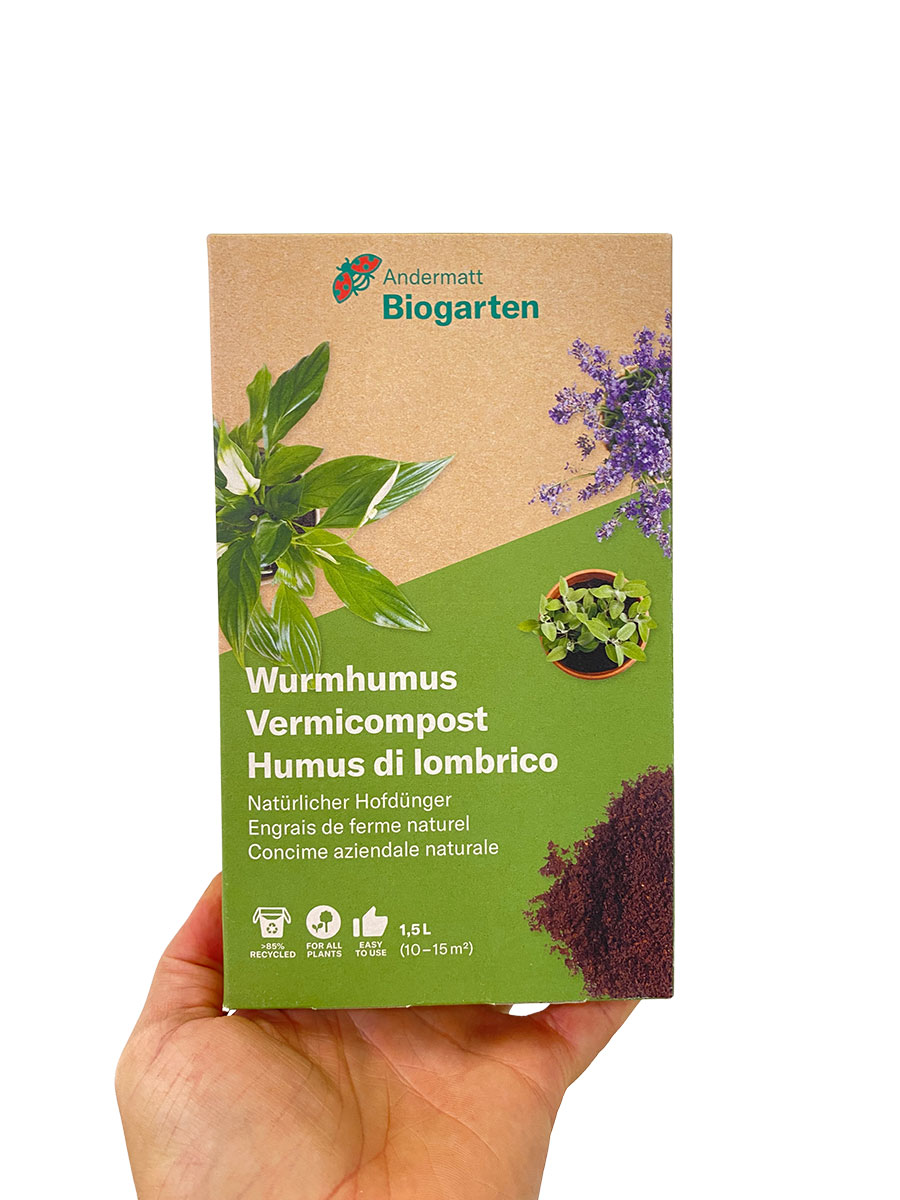
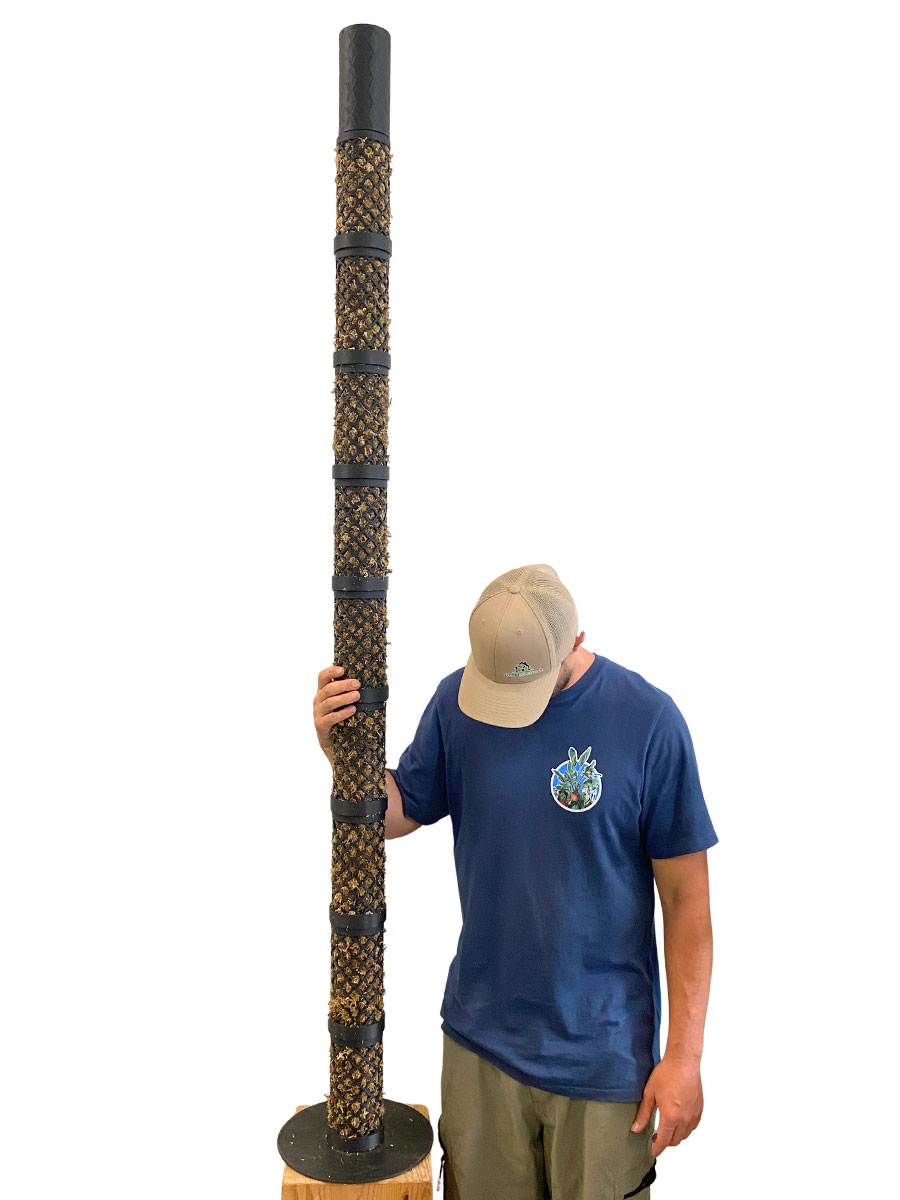
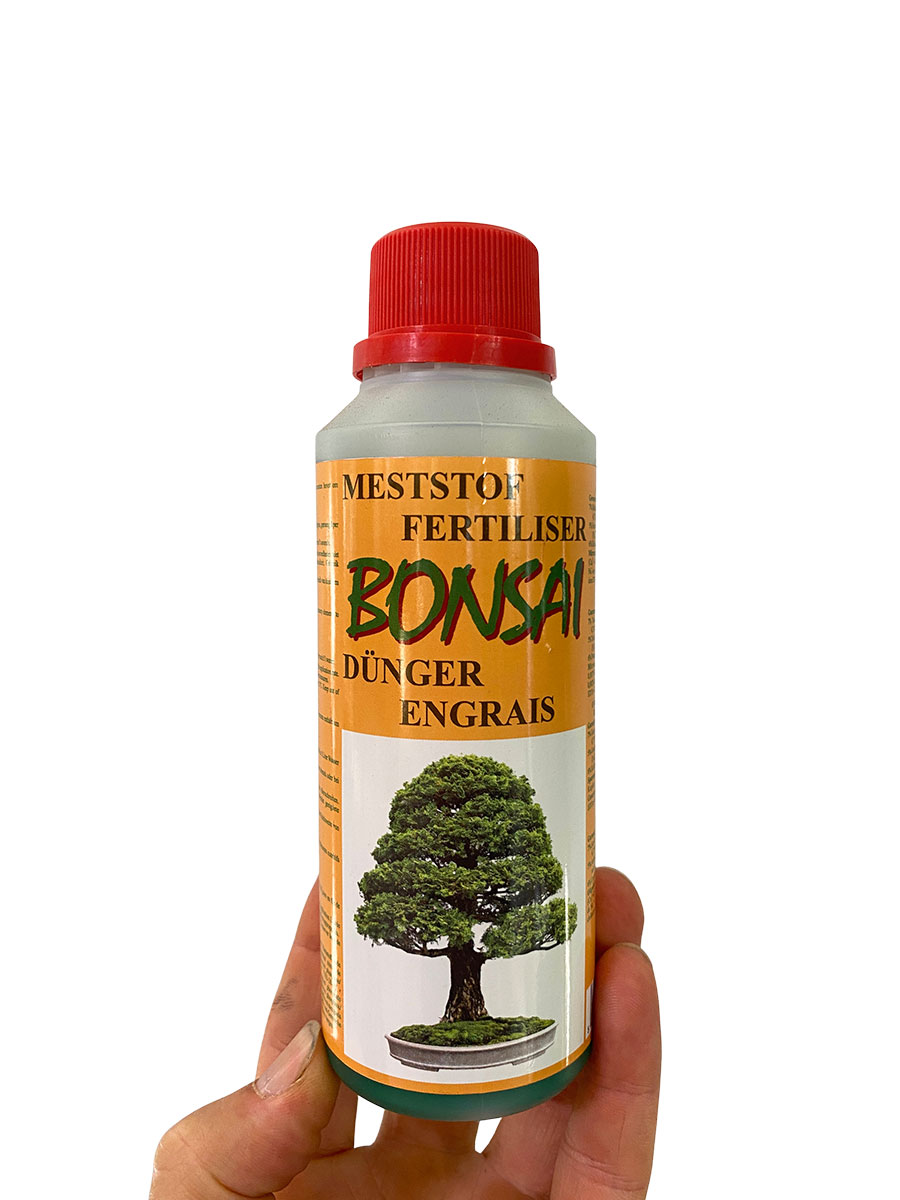
Useful care products:






History of the Strelitzia Nicolai
Strelitzia nicolai, also known as the white bird of paradise, comes from the tropical and subtropical regions of South Africa. With its imposing, banana-like leaves and majestic growth, it is an impressive houseplant that brings a touch of the exotic and elegance to any room. Its ability to thrive even in large tubs makes it an ideal choice for interiors and bright conservatories.
Care as a houseplant:
- Light: Very bright spot, ideally with direct sunlight, e.g. in front of a south-facing window.
- Temperature: Ideally 20–28 °C, at least 10–12 °C in winter.
- Humidity: Average to slightly increased; occasional misting is beneficial.
- Substrate: Free-draining, nutrient-rich substrate, e.g. potting soil mixed with sand or perlite.
- Watering: Water regularly and let the substrate dry out slightly between waterings. Avoid waterlogging.
- Feeding: Every 2–4 weeks during the growing season with a liquid foliage plant fertiliser.
- Repotting: Every 2–3 years into a larger pot with fresh soil.
Care as a container/seasonal plant:
- Light: In summer, happy to be placed outdoors in a sunny, sheltered spot.
- Temperature: Sensitive to temperatures below 10 °C, so bring indoors in good time.
- Watering: Water regularly while avoiding waterlogging. Outdoors, drainage must work well.
- Feeding: Every 2 weeks during the growing season to support vigorous growth.
- Overwintering: Overwinter in a bright room at 10–15 °C with reduced watering.
Overwintering tips:
Strelitzia nicolai is not a hardy plant and should be brought indoors in good time before the first frost. It prefers a bright spot, for example in a conservatory, at temperatures between 10–15 °C. During its winter rest the plant needs less water; the substrate should dry out well between waterings. Fertilising can be skipped during this phase. Regularly removing dust from the large leaves promotes photosynthesis during overwintering too.
Login