


Yucca elephantipes Branched - Large
CHF 899.90*
Item no. 408
Prices incl. VAT plus shipping costs
Delivery time 2 - 7 working days
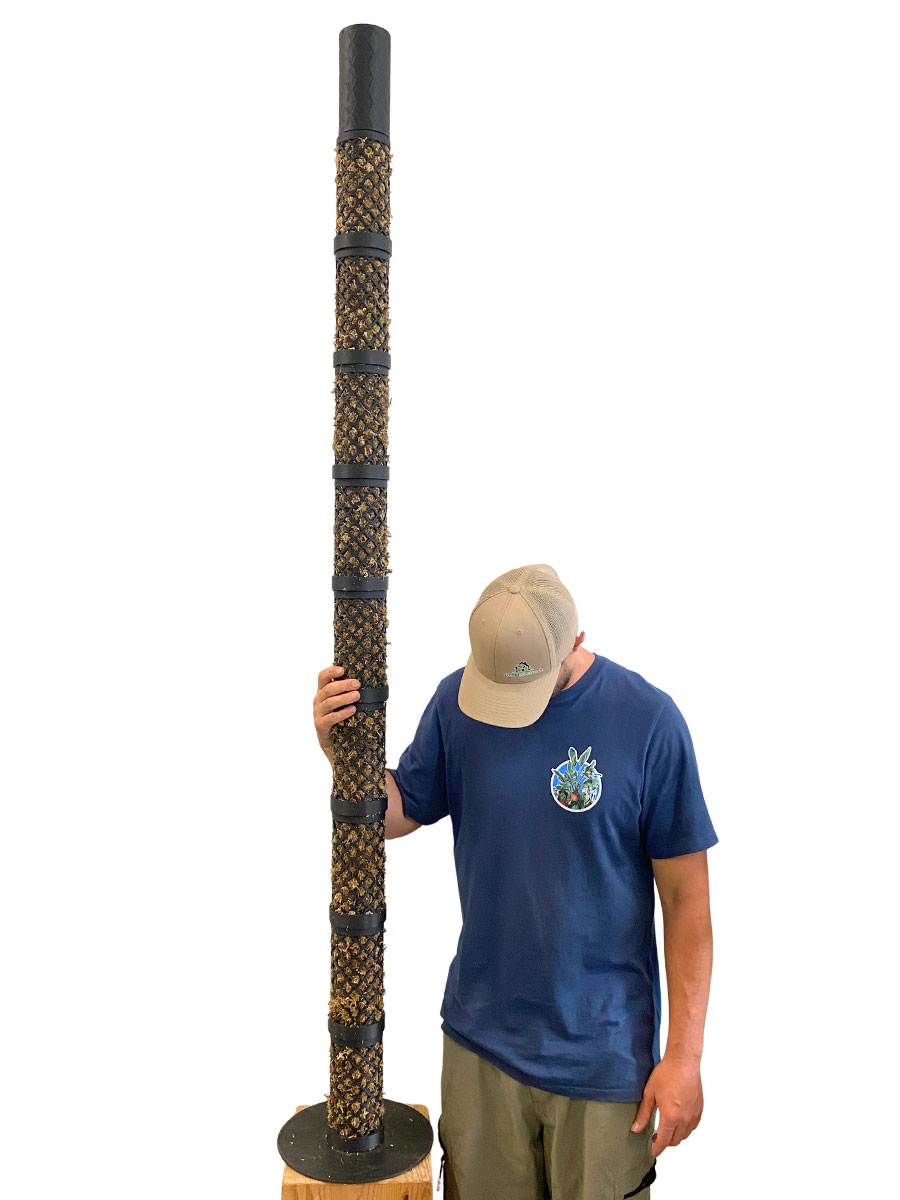
Recommended planting kit or soil watering system for this large plant:
Unsere Pflanzen kommen direkt vom Gärtner im Standard-Kultivierungstopf. Für optimale Startbedingungen empfehlen wir, sie nach dem Erhalt in unser Pflanzkit umzutopfen. Das Pflanzkit enthält ein hochwertiges Substrat mit optimaler Startdüngung und Drainage.


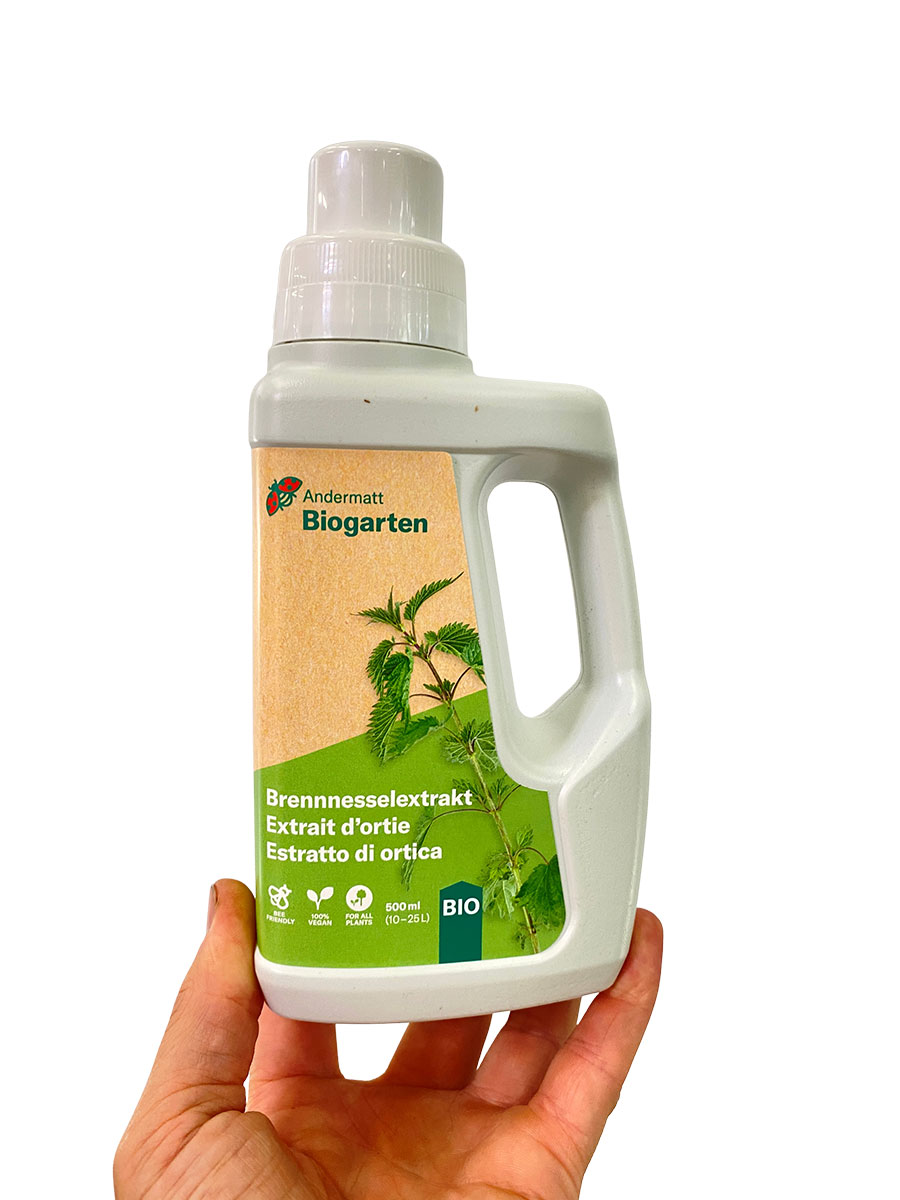
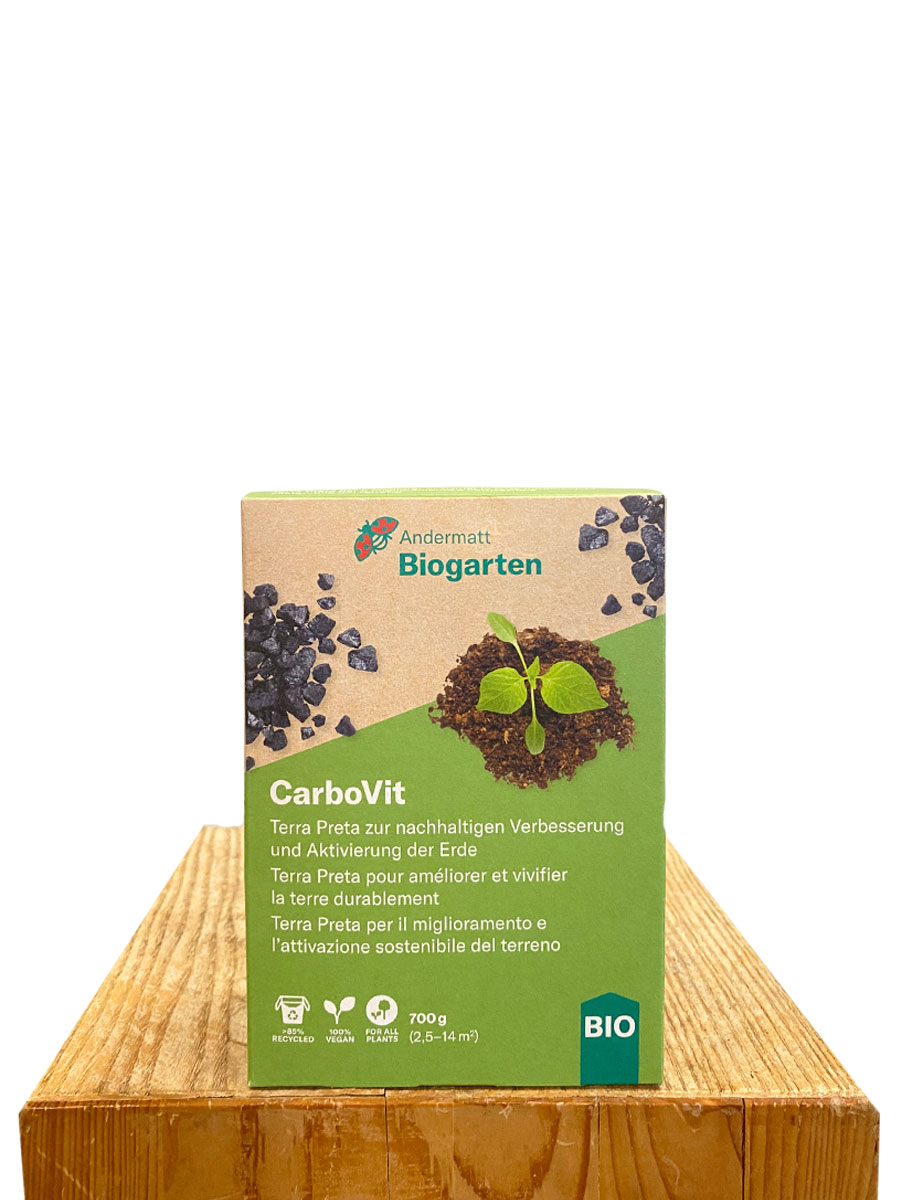
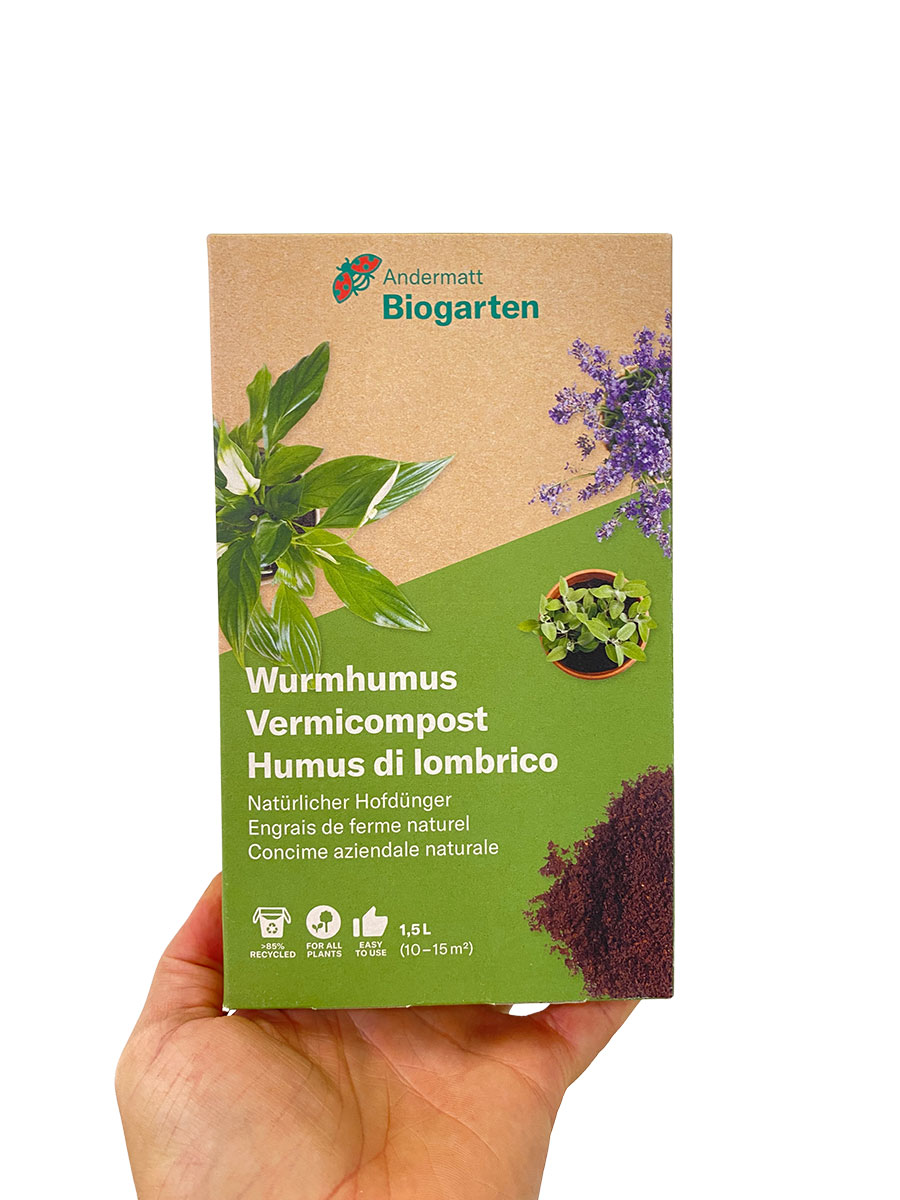
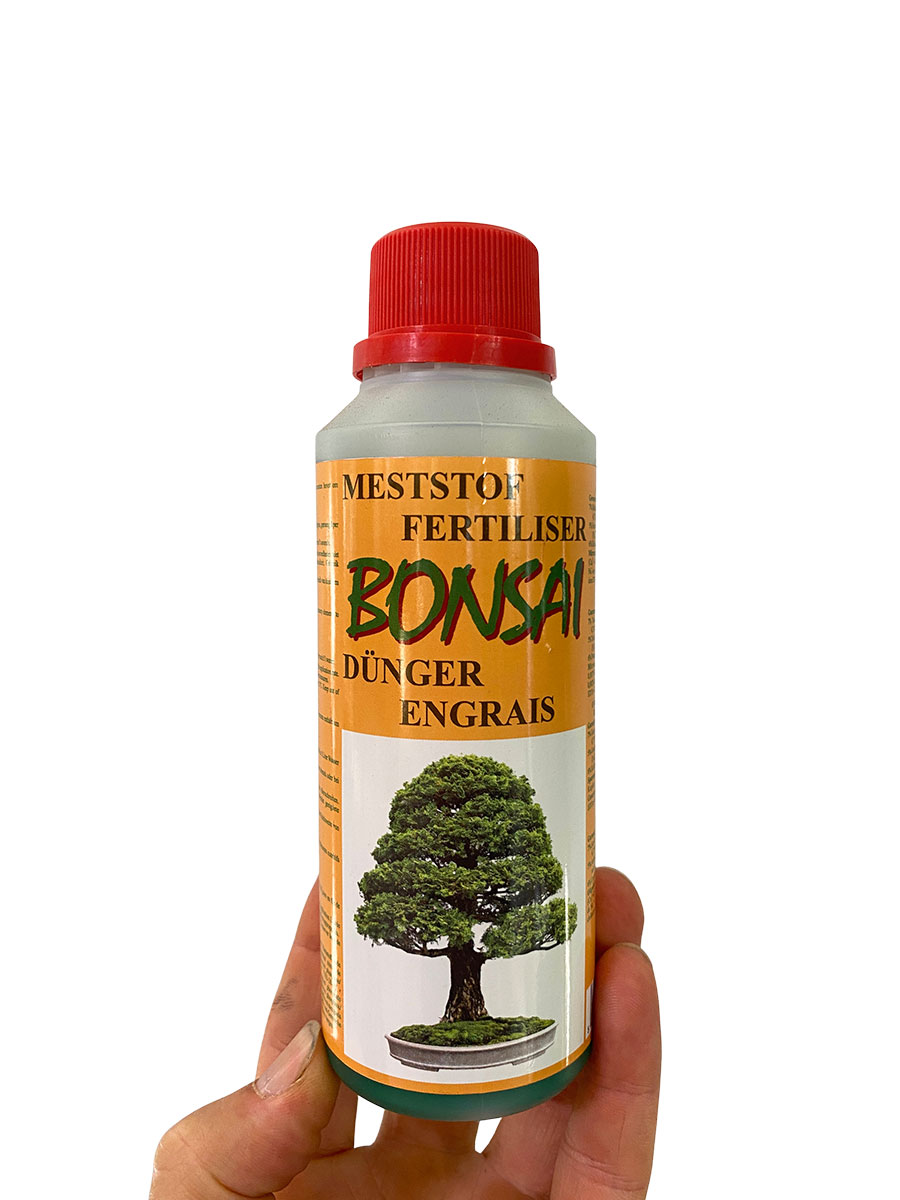
Useful care products:






Yucca elephantipes, also known as the spineless yucca or yucca palm, is a popular, very easy-care houseplant found in many homes and offices. It originally comes from the dry desert regions of Mexico and Central America. Yucca elephantipes is known for its characteristic shape with a long, thick trunk and a rosette of long, pointed leaves. Yucca elephantipes belongs to the agave family and is often described as a succulent houseplant. Succulents are plants that can store water in their leaves, stems or roots in order to survive dry periods.
Important care tips for Yucca elephantipes (branched stem):
- Location: The yucca palm prefers a bright spot, but direct midday sun should be avoided, as it can scorch the leaves.
- Temperature: The ideal room temperature is between 18 and 24 degrees Celsius. The yucca palm does not tolerate sharp temperature fluctuations or draughts.
- Watering: Houseplants such as Yucca elephantipes should be watered moderately. Before watering again, the top layer of soil should dry out slightly to avoid waterlogging. Make sure that excess water is removed from the saucer.
- Humidity: The yucca palm does not need high humidity and copes well with normal room conditions.
- Feeding: In spring and summer, Yucca elephantipes can be fed every two weeks with a houseplant fertiliser. In winter, feeding every four to six weeks is sufficient.
- Repotting: The yucca palm should be repotted into a larger pot every two to three years to provide enough space for root growth.
- Pests: Houseplants are sometimes affected by pests such as spider mites or aphids. In the event of an infestation, biological or chemical plant protection products can be used to control the pests.
- Winter care: During the winter months, Yucca elephantipes needs a rest period with cooler temperatures (approx. 10 to 15 degrees Celsius) and reduced watering. It is advisable to keep the plant somewhat drier to avoid root rot.
Login